DbcultAccessing Vault...
6/10
Senior Film Conservator
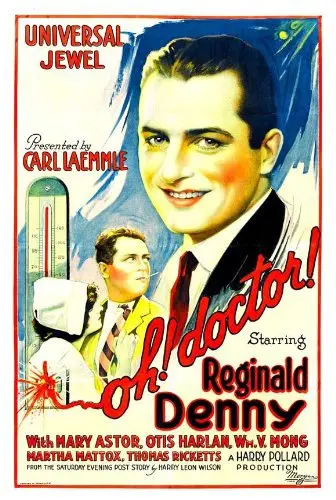
A definitive 6/10 rating for a film that redefined the boundaries of cult cinema. Oh, Doctor! remains a cornerstone of transgressive art.
In the realm of silent cinema, few films have managed to captivate audiences with the same level of wit and pathos as 'Oh, Doctor!' (1925), a masterful comedy-drama directed by William A. Seiter. This charming film tells the story of Rufus Billop, a young man whose life has been a perpetual battle with illness, rendering him a hypochondriac of considerable repute.
The narrative navigates Rufus's journey with a deft touch, oscillating between humor and poignancy as he confronts his mortality and the machinations of those around him. Otis Harlan and Lucille Ward deliver standout performances, imbuing their characters with a depth and nuance that adds richness to the story.
Rufus's odyssey begins with his birth, where he is deemed unlikely to survive, and his subsequent upbringing amidst a coterie of doctors and medicines. This environment fosters his hypochondria, making him an accomplished connoisseur of ailments and treatments. The film's portrayal of his struggles is both humorous and sympathetic, offering a nuanced exploration of the psychological impact of chronic illness.
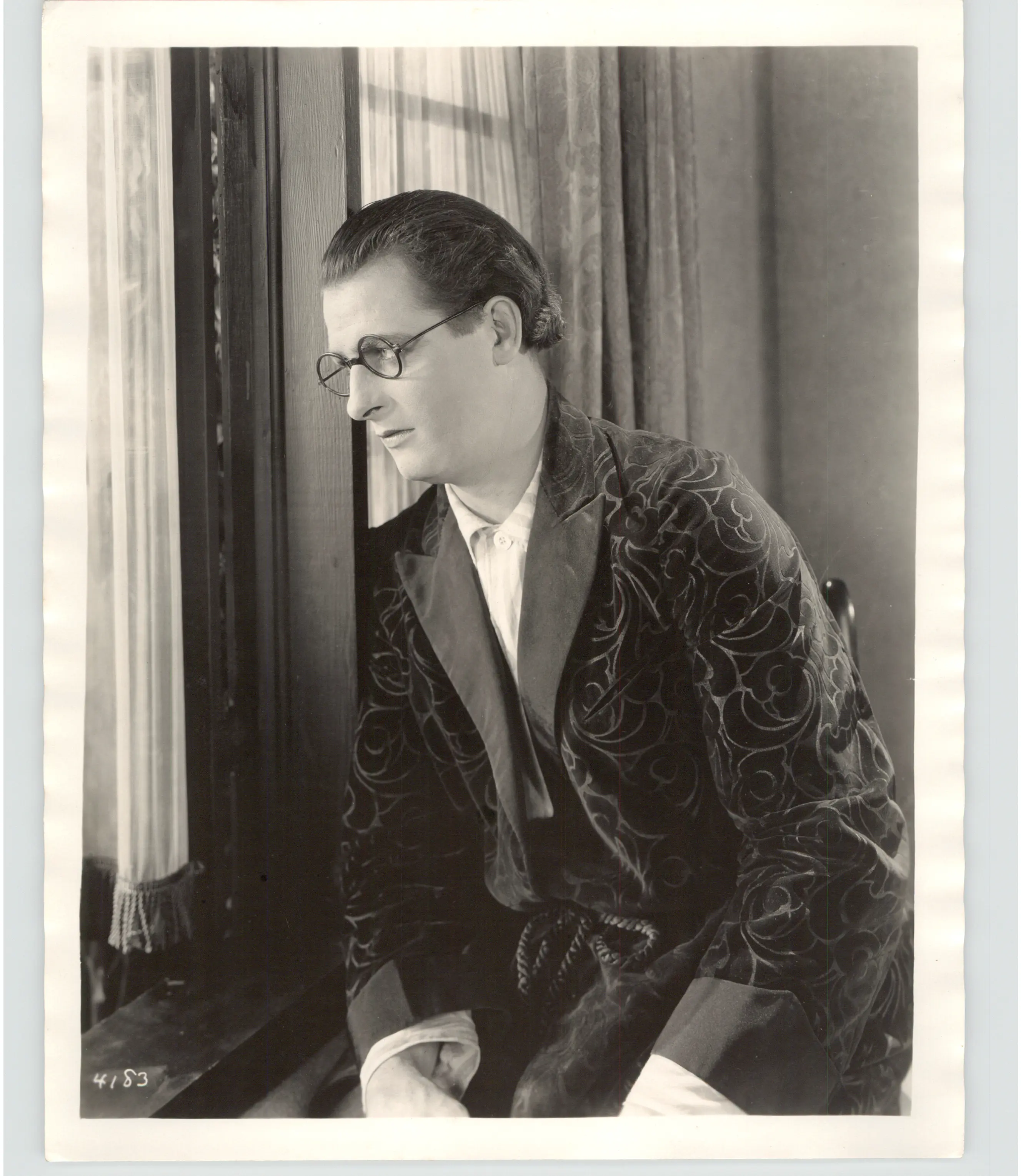
When three investors perceive Rufus's potential future fortune as a lucrative opportunity, they propose a partnership that could change his life. However, their plan is contingent upon his recovery, prompting a wise doctor to prescribe a 'Lovely View' from his bedridden vantage. This simple yet ingenious solution sets in motion a chain of events that catalyzes Rufus's transformation.
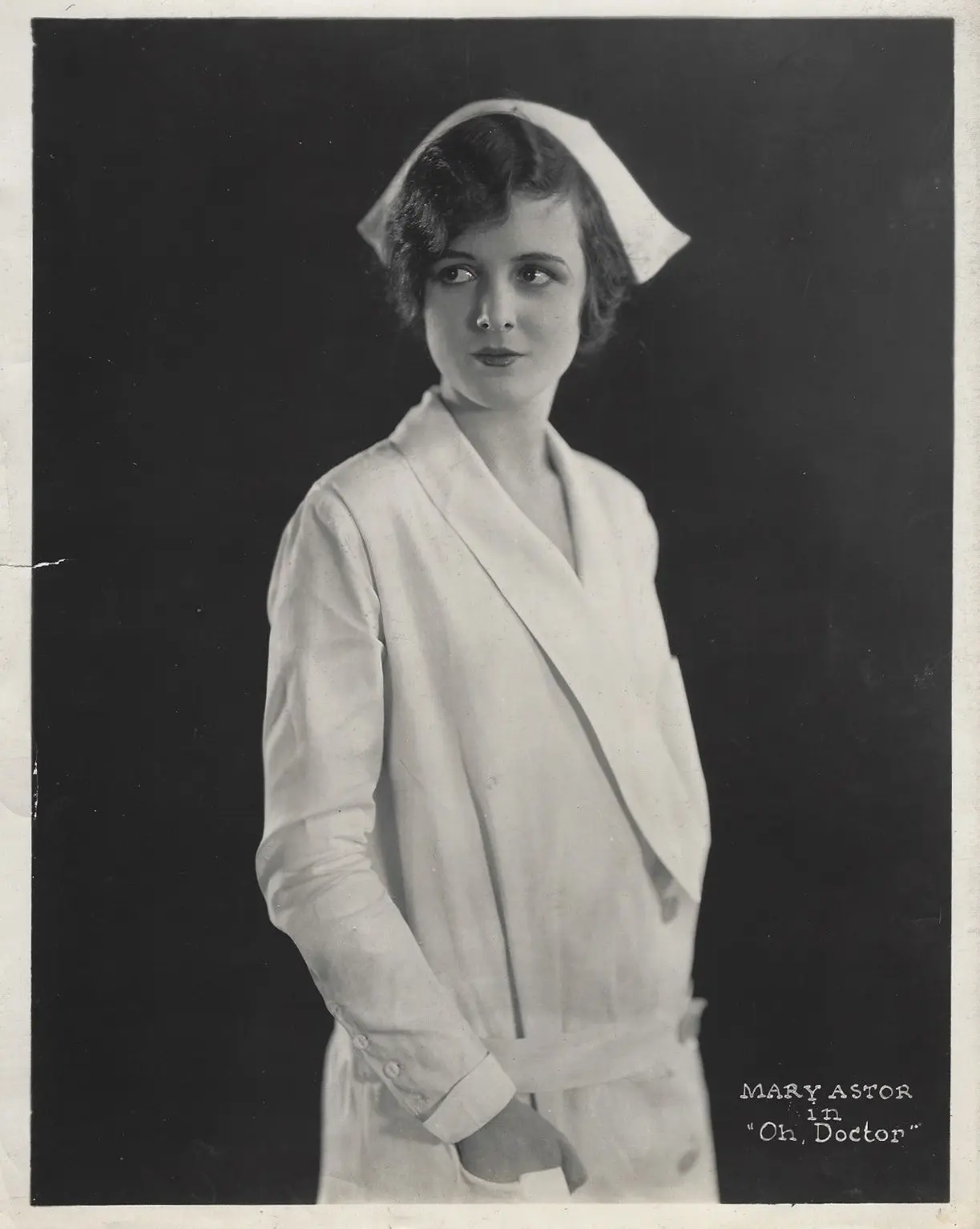
The cast of 'Oh, Doctor!' is remarkable, with Mary Astor and Reginald Denny delivering memorable performances. The chemistry between the leads is palpable, adding to the film's comedic and dramatic impact. The supporting cast, including Mike Donlin and Martha Mattox, contribute to the film's humor and charm, making 'Oh, Doctor!' a true ensemble effort.
In terms of themes, 'Oh, Doctor!' explores the complexities of the human condition, delving into the psychological effects of illness and the resilience of the human spirit. The film's use of humor and satire adds depth to its commentary, making it a work of enduring relevance. For instance, the movie's portrayal of Rufus's hypochondria serves as a commentary on the societal pressures and expectations placed on individuals, particularly those with chronic illnesses.
Comparing 'Oh, Doctor!' to other films of its era, such as One of the Finest and The Jail Bird, it becomes clear that Seiter's direction and the cast's performances are exceptional. The film's blend of comedy and drama is reminiscent of The Midnight Girl, while its exploration of themes such as resilience and transformation are echoed in The Volcano and The Delicious Little Devil.
The cinematography and production design of 'Oh, Doctor!' are noteworthy, with a keen attention to period detail and a clever use of visual motifs to convey Rufus's experiences. The film's score, although not as prominent as in modern films, complements the on-screen action, enhancing the overall viewing experience.
In conclusion, 'Oh, Doctor!' is a cinematic treasure that continues to delight audiences with its blend of humor, pathos, and resilience. With its talented cast, nuanced themes, and masterful direction, it is a must-see for fans of silent cinema and comedy-dramas. As a testament to the enduring power of film, 'Oh, Doctor!' remains a work of remarkable relevance, offering insights into the human condition that continue to resonate with viewers today.
Ultimately, 'Oh, Doctor!' is a film that will leave you smiling, pondering, and perhaps even reevaluating your own perceptions of life and resilience. With its rich themes, memorable performances, and historical significance, it is an essential watch for anyone interested in the evolution of cinema and the art of storytelling.
IMDb 3.6
1919
Community
Log in to comment.