DbcultAccessing Vault...
8/10
Senior Film Conservator
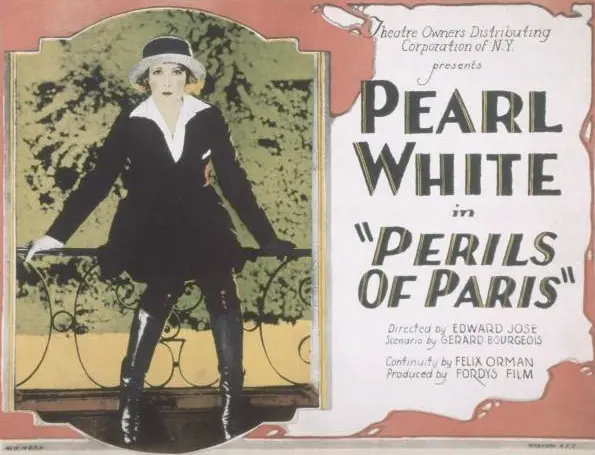
A definitive 8/10 rating for a film that redefined the boundaries of cult cinema. Terror remains a cornerstone of transgressive art.
Step back into the roaring twenties, a pivotal epoch for cinematic artistry, and immerse yourself in the dynamic world of Gérard Bourgeois’s 1924 silent film, Terror. This isn't just another relic from a bygone era; it's a pulsating narrative that encapsulates the adventurous spirit, the nascent technological anxieties, and the dramatic romanticism that defined early cinema. Starring the inimitable Pearl White, a veritable titan of the silent screen, Terror delivers a potent cocktail of intrigue, daring escapades, and an unconventional love story, all set against the romantic backdrop of Paris.
At its core, Terror is a testament to the enduring appeal of a proactive heroine. We are introduced to Helen Aldrich, an American sculptress whose artistic pursuits in Paris are suddenly interrupted by a most peculiar encounter. A young Apache, initially driven by the base intention of pilfering her valuable jewels, finds his mercenary resolve dissolving in the face of Helen's artistic charm and perhaps, her sheer presence. This unexpected pivot from larceny to artistic collaboration — he agrees to pose for her — sparks a romance that defies societal conventions and ignites the film’s central emotional arc. This initial setup immediately establishes a fascinating dynamic, subverting audience expectations and hinting at the film’s willingness to explore complex character motivations beyond simple good versus evil.
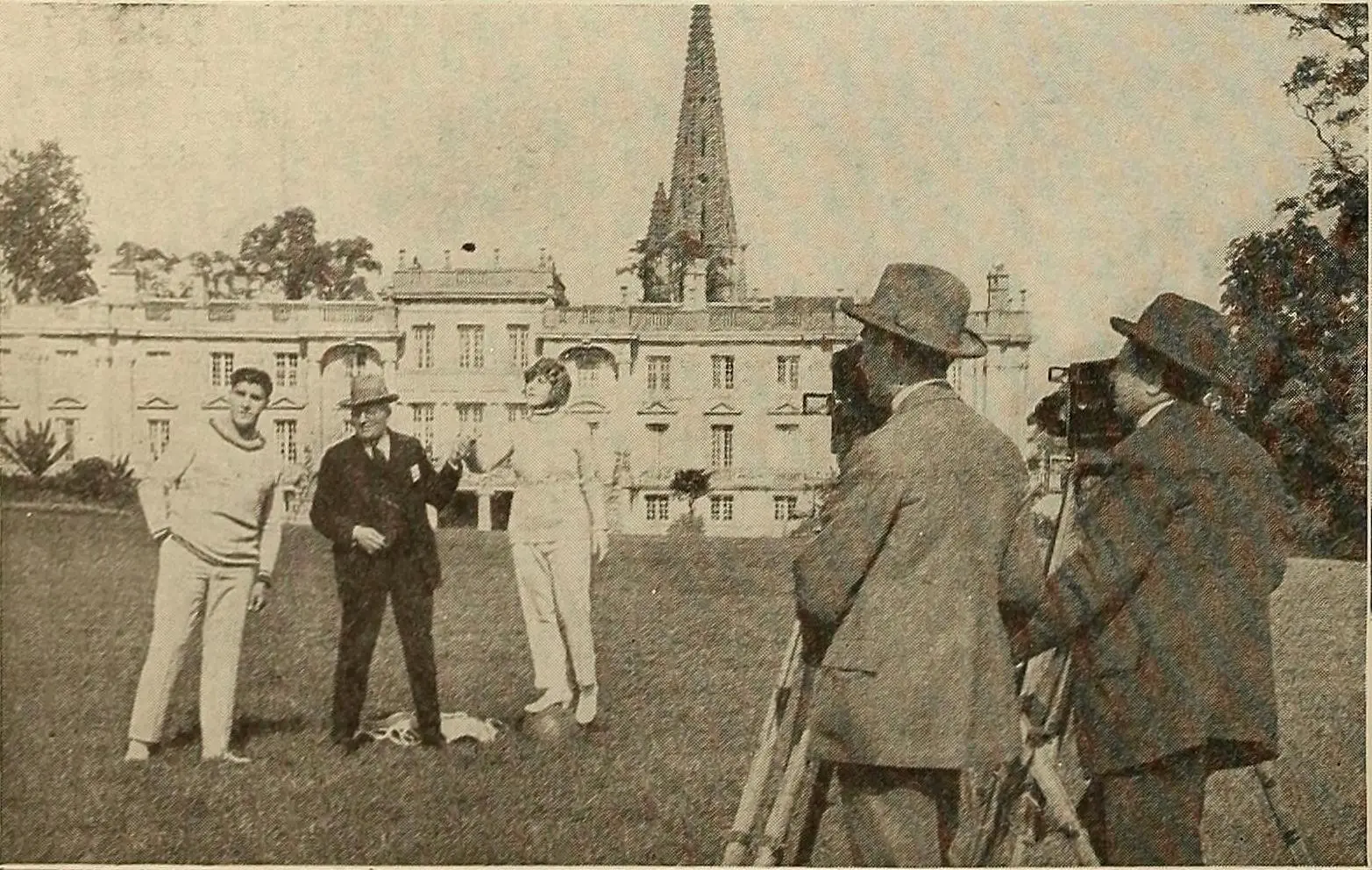
The narrative truly shifts gears with the introduction of Professor Aldrich, Helen’s father, a genius inventor whose creation, a formidable 'death ray,' holds the potential to reshape modern warfare. This powerful MacGuffin becomes the linchpin of the plot, its theft plunging Helen’s burgeoning love story into a maelstrom of espionage and suspicion. Naturally, her Apache lover, an outsider already viewed with a degree of suspicion due to his origins and initial intentions, becomes the prime suspect. This immediate incrimination serves as a classic narrative device, propelling our heroine into action and transforming a romantic drama into a full-blown thriller.
Helen’s unwavering faith in her lover’s innocence is the emotional bedrock of the film. She doesn't passively lament his predicament; instead, she embarks on a perilous quest to clear his name, a journey fraught with danger, double-crosses, and a relentless pursuit of truth. This active portrayal of a female protagonist was a hallmark of the era, particularly in serials, where figures like Pearl White routinely defied conventions, performing their own stunts and driving the narrative forward with their sheer resolve. In this regard, Terror aligns itself with the spirit of other adventurous tales of the period, where individual courage, often against overwhelming odds, formed the bedrock of audience engagement. One might draw parallels to the spirited resilience seen in films like The Lure or The Glory of Youth, where dynamic characters navigate intricate plots, though Terror infuses a distinct blend of international intrigue and scientific paranoia.
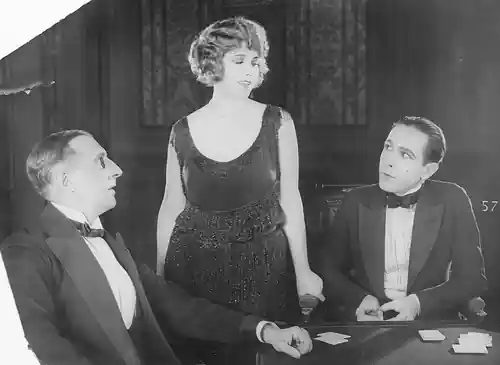
Pearl White's performance is, without a doubt, the beating heart of Terror. As one of the most celebrated 'serial queens' of the silent era, White brought an unparalleled physicality and expressive intensity to her roles. Her Helen Aldrich is not merely a damsel in distress; she is resourceful, intelligent, and fiercely independent. Audiences flocked to see White dangle from cliffs, leap from moving vehicles, and engage in thrilling fisticuffs, all with a captivating blend of grit and glamour. In Terror, her portrayal of Helen's determination to clear her lover's name is utterly convincing, conveying a range of emotions from tender affection to steely resolve through her nuanced facial expressions and dynamic body language, essential tools in the silent film actor's arsenal. Her ability to command the screen and convey complex internal states without spoken dialogue is a masterclass in silent film acting. This kind of robust female lead was a powerful draw, setting a precedent that influenced countless action heroines in subsequent decades.
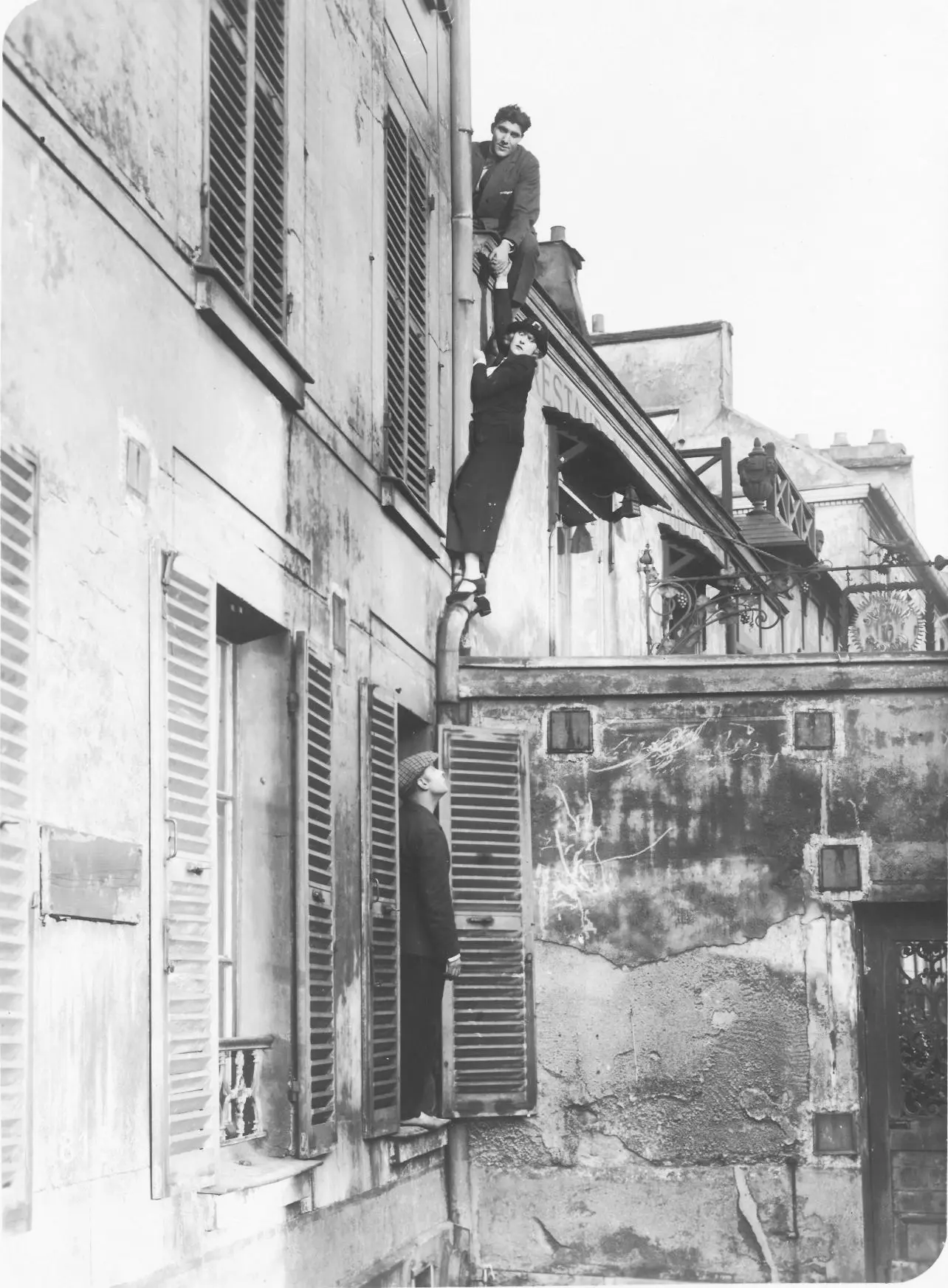
The film's pacing, characteristic of the adventure serials of its time, is relentless, propelling Helen through a series of dramatic set pieces and narrow escapes. Each new encounter, each fresh clue uncovered, builds tension, keeping the audience on the edge of their seats. The use of intertitles, while sometimes verbose by modern standards, effectively communicates crucial plot points and character thoughts, bridging the gap of spoken dialogue. Gérard Bourgeois, as the writer, meticulously crafts a narrative that, despite its fantastical elements, remains grounded in Helen’s emotional journey. The sheer volume of incidents and confrontations Helen faces on her quest to expose the true culprits behind the death ray theft provides ample opportunity for White to showcase her legendary acrobatic prowess and fearless spirit.
Beyond the thrilling surface, Terror touches upon themes that were deeply resonant in the post-WWI era. The 'death ray' itself is a potent symbol of mankind’s burgeoning technological capabilities and the simultaneous fear of their destructive potential. This fascination with scientific advancements and their ethical implications was a recurring motif in early 20th-century popular culture, reflecting a world grappling with rapid innovation and the shadows it cast. Films like The Painted World, if it delves into similar futuristic or scientific concepts, would find a thematic kinship with Terror's exploration of technology's double-edged sword. The film deftly weaves these anxieties into a personal narrative, demonstrating how global stakes can impact individual lives and loves.
The portrayal of the Apache lover also warrants attention. While potentially problematic through a contemporary lens regarding representation, in its time, it introduced an element of exoticism and challenged conventional romantic pairings. His initial criminal intent and subsequent transformation through love and Helen's belief in him add layers to the narrative, moving beyond simplistic ethnic stereotypes to explore themes of redemption and cross-cultural understanding. This complexity elevates the film from a mere action vehicle to something more thought-provoking, showcasing the era's tentative steps towards more nuanced characterizations, even within the confines of popular serials.

Comparing Terror to other films of its period reveals its place within a bustling cinematic landscape. While a film like Mikor a szölö érik might have explored more pastoral or dramatic themes, Terror firmly plants its flag in the realm of urban adventure and international intrigue. The intricate plotting and the cat-and-mouse game between Helen and the gang leader echo the sophisticated narrative structures found in crime dramas like Blind Justice or the more comedic yet equally intricate Officer 666, both of which demonstrate a growing sophistication in screenwriting during the silent era. The film's commitment to delivering a satisfying resolution, where justice is served and love triumphs, speaks to the prevailing desire for moral clarity and emotional catharsis that resonated deeply with audiences of the time. This desire for narrative closure, often delivered through thrilling climaxes, was a defining characteristic of serials.
The direction, though attributed to Gérard Bourgeois as writer, reflects the collaborative nature of silent filmmaking, where the vision often emerged from a collective effort of writers, directors, and stars. The use of location shooting, particularly in Parisian settings, adds a layer of authenticity and visual richness that elevates the production beyond mere studio confines. This attention to detail in creating an immersive world, whether it's the bustling streets of Paris or the clandestine hideouts of the villains, speaks volumes about the burgeoning artistry of early cinema. The film's ability to create suspense and excitement without the benefit of synchronized sound is a testament to the power of visual storytelling, where every gesture, every expression, and every camera angle is carefully orchestrated to convey meaning and emotion.
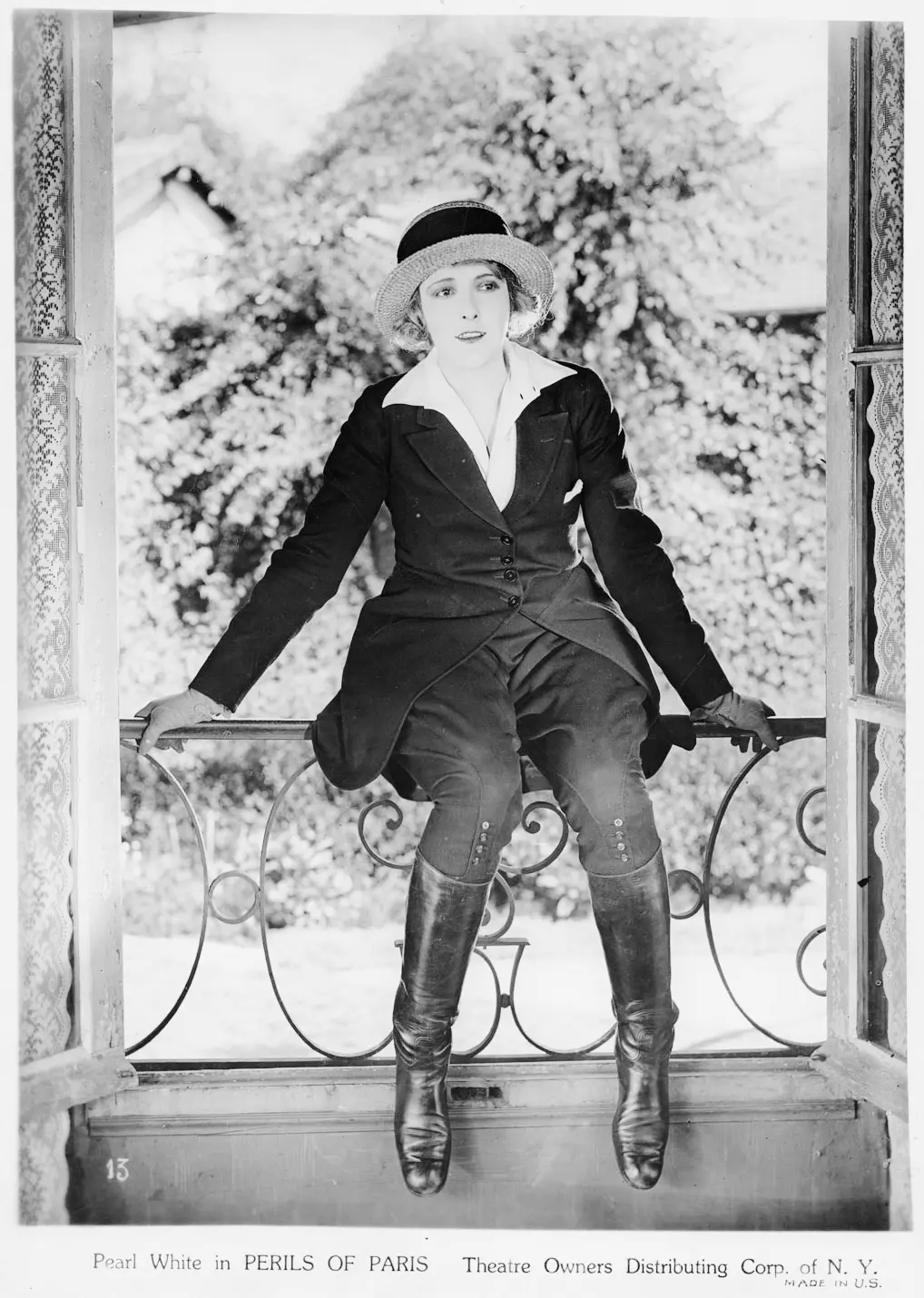
Ultimately, Helen's journey culminates in the successful exoneration of her beloved and the capture of the nefarious gang-leader. This triumphant conclusion, a staple of the serial format, provides a deeply satisfying resolution, cementing the film’s status as a quintessential adventure romance. The blend of personal stakes with global implications, the heroic actions of a determined woman, and the timeless narrative of love conquering adversity ensures that Terror remains a compelling watch for anyone interested in the foundational elements of cinematic storytelling. It reminds us that even in the absence of spoken words, the power of visual narrative, compelling characters, and a thrilling plot can transcend time and continue to captivate. Its influence can be seen in countless subsequent thrillers and adventure films, proving that the silent era laid much of the groundwork for the genres we enjoy today. The sheer ingenuity of its storytelling, coupled with the magnetic performance of Pearl White, solidifies its place as a significant piece of film history. This type of high-stakes, character-driven narrative was a blueprint for much of what was to follow in adventure cinema, showcasing how early filmmakers were already mastering the craft of keeping audiences utterly engrossed.
In a broader context of silent cinema, films like A Capital Federal or De kantwerkster van Brugge, while potentially offering different cultural insights, would have shared the common challenge of communicating complex narratives without sound. Terror, with its clear narrative drive and emphasis on action and romance, demonstrates a particularly effective approach to this challenge. It exemplifies how silent films, far from being primitive, were highly sophisticated in their visual language and their ability to forge deep emotional connections with their audiences. The seamless integration of stunts, dramatic tension, and character development in Terror showcases a mastery of the medium that is still impressive today. It is a vibrant illustration of the power of early cinema to transport viewers to worlds of excitement and romance, proving that groundbreaking storytelling doesn't always need to be loud.
IMDb —
1925
Community
Log in to comment.