DbcultAccessing Vault...
6.2/10
Senior Film Conservator
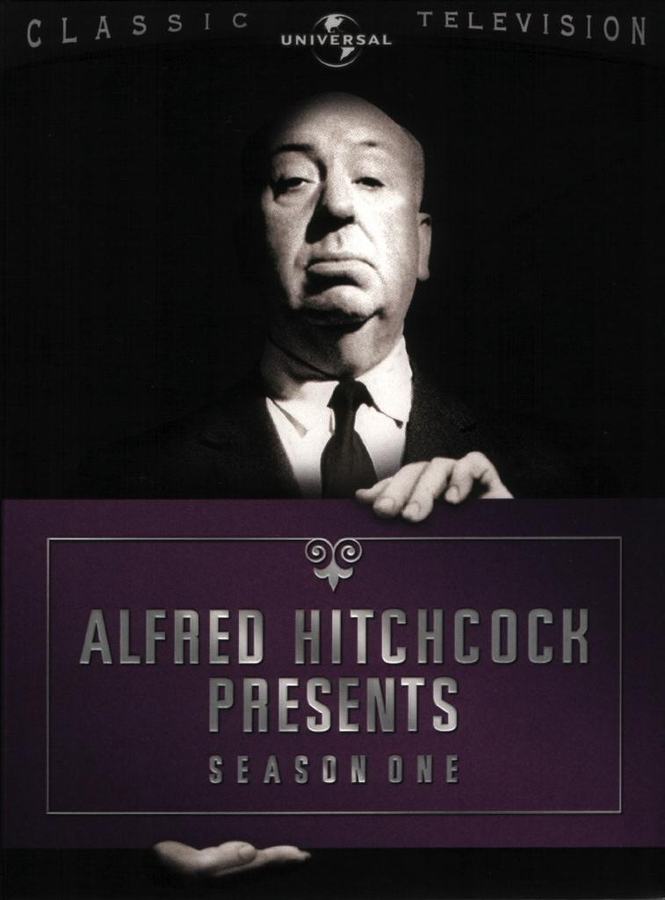
A definitive 6.2/10 rating for a film that redefined the boundaries of cult cinema. Always Tell Your Wife remains a cornerstone of transgressive art.
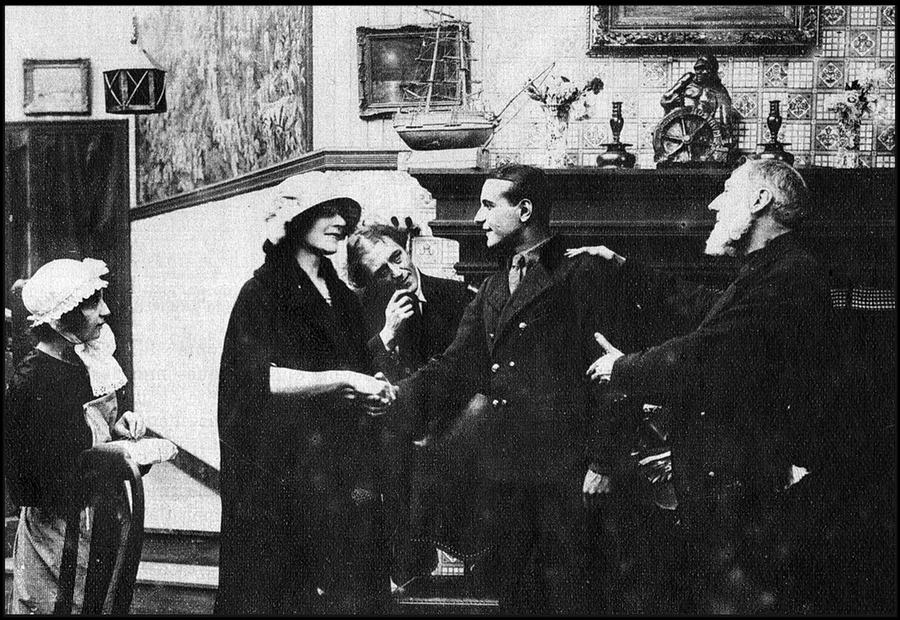
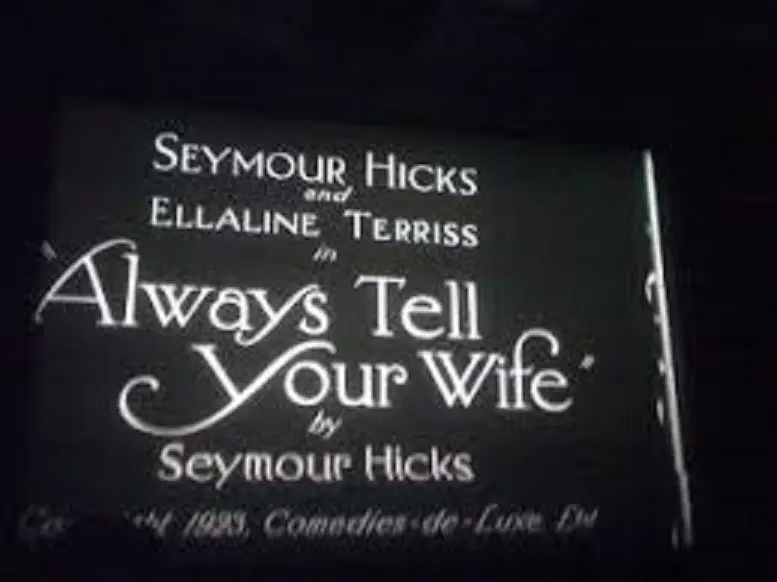
The cinematic landscape of Always Tell Your Wife is a rich tapestry of emotions, woven from the intricate threads of human experience. As the story begins to unfold, the audience is introduced to the Hawkeses and the Chessons, two couples whose lives become inextricably linked through a complex web of relationships and deceit. The film's narrative is a masterful exploration of the human condition, delving into the depths of love, loyalty, and the consequences of one's actions.
Gertrude McCoy and Ellaline Terriss deliver standout performances as the female leads, bringing a depth and nuance to their characters that is nothing short of captivating. Their on-screen presence is complemented by the talents of Stanley Logan and Seymour Hicks, who bring a level of sophistication and charm to their respective roles. As the story progresses, the audience is drawn into a world of complex emotions and relationships, where the lines between love and deception are constantly blurred.
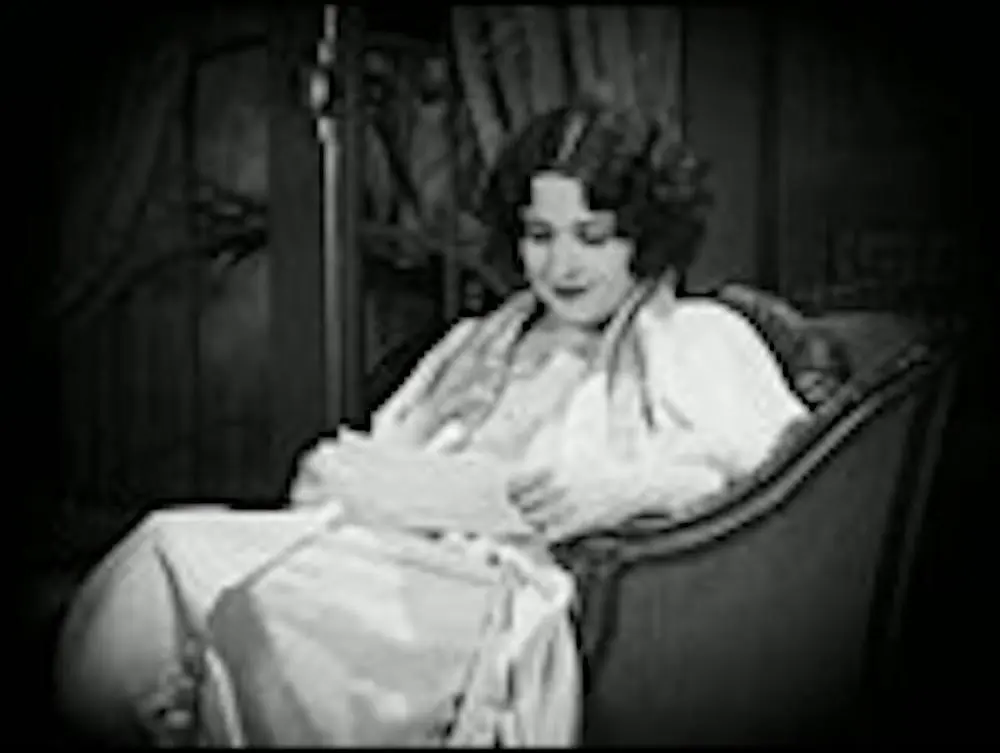
One of the most striking aspects of Always Tell Your Wife is its thoughtful exploration of the human experience. The film's writers, Hugh Croise and Seymour Hicks, have crafted a narrative that is both deeply personal and universally relatable. Through the characters' struggles and triumphs, the audience is invited to reflect on their own experiences and relationships, and to consider the consequences of their actions. This level of emotional resonance is a rare find in cinema, and it is a testament to the skill and craftsmanship of the film's creators.
In comparison to other films of the era, such as Wounded Hearts and Wedding Rings and A magyar föld ereje, Always Tell Your Wife stands out for its nuanced exploration of the human condition. While films like The Blue Moon and The Spendthrift may focus on more straightforward narratives, Always Tell Your Wife delves deeper into the complexities of human relationships. This is evident in the film's thoughtful pacing, which allows the audience to absorb and reflect on the characters' experiences.
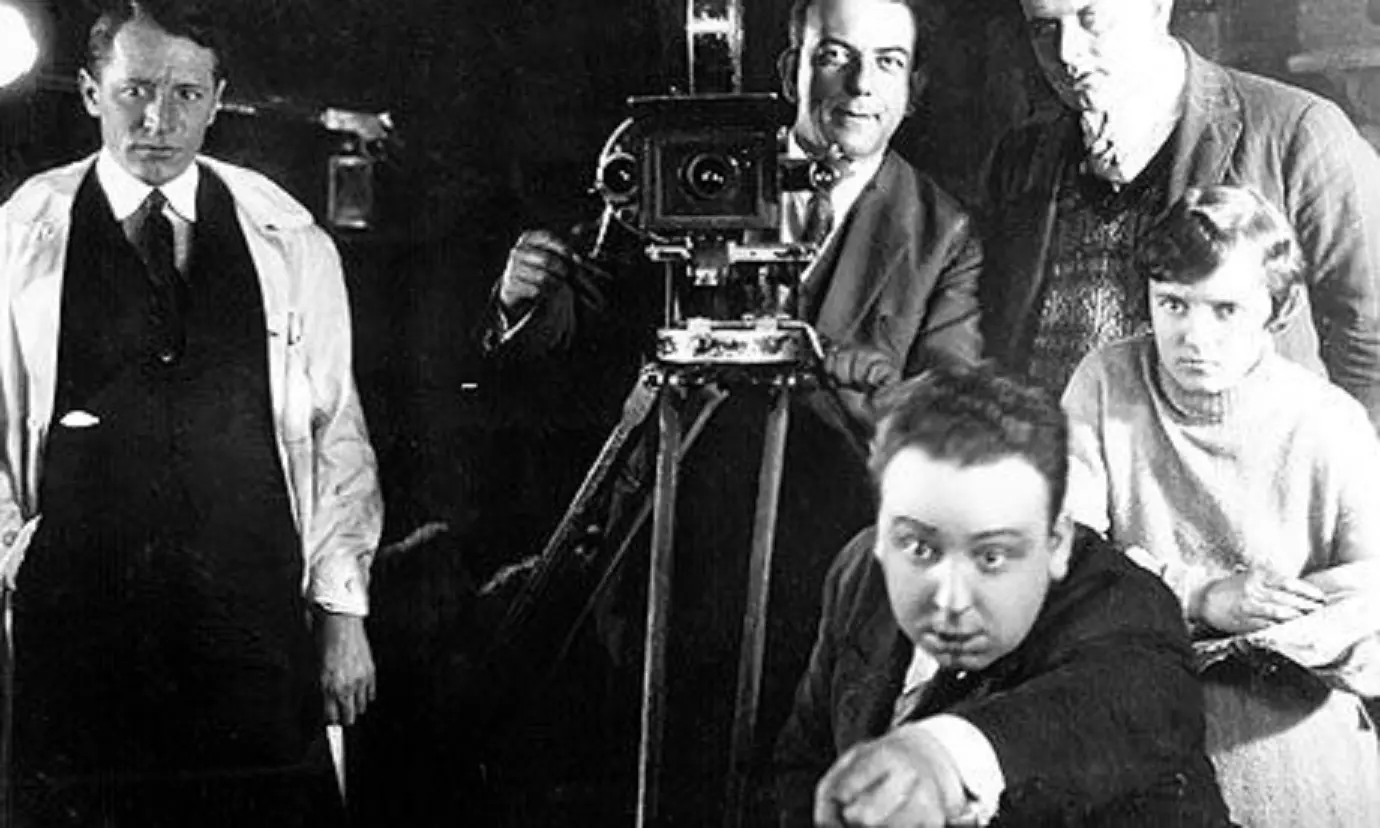
The film's use of color and lighting is also noteworthy, as it adds a level of depth and emotion to the narrative. The sea blue tones that permeate the film's palette create a sense of melancholy and longing, while the dark orange hues add a touch of warmth and intimacy. This thoughtful use of color and lighting is a testament to the film's attention to detail, and it serves to further immerse the audience in the world of the story.
In addition to its technical merits, Always Tell Your Wife is also notable for its historical significance. As a film from the early days of cinema, it provides a fascinating glimpse into the social and cultural norms of the time. The film's portrayal of relationships and marriage, for example, offers a unique insight into the values and expectations of the era. This historical context adds an extra layer of depth to the film, and it serves to further enrich the audience's understanding of the narrative.
Other films, such as The Battle and Fall of Przemysl and Hedda Gabler, may focus on more dramatic or action-oriented storylines, but Always Tell Your Wife is content to explore the quieter, more intimate moments of human experience. This approach is reminiscent of films like Nearly a King and The Range Boss, which also prioritize character development and emotional resonance over more sensational plot twists.
As the film draws to a close, the audience is left to ponder the consequences of the characters' actions, and to reflect on the lessons that can be learned from their experiences. This level of emotional resonance is a rare find in cinema, and it is a testament to the skill and craftsmanship of the film's creators. Always Tell Your Wife is a film that will stay with you long after the credits have rolled, and it is a must-see for anyone interested in thoughtful, character-driven cinema. For more information on other films like The Great Circus Catastrophe, The Daughter of Dawn, The Whistle, Leoni Leo, The Heart of a Lion, Rich Man, Poor Man, and Dandy navigateur, please visit our website.
IMDb 8.6
1931
Community
Log in to comment.