DbcultAccessing Vault...
Cult Review
Senior Film Conservator
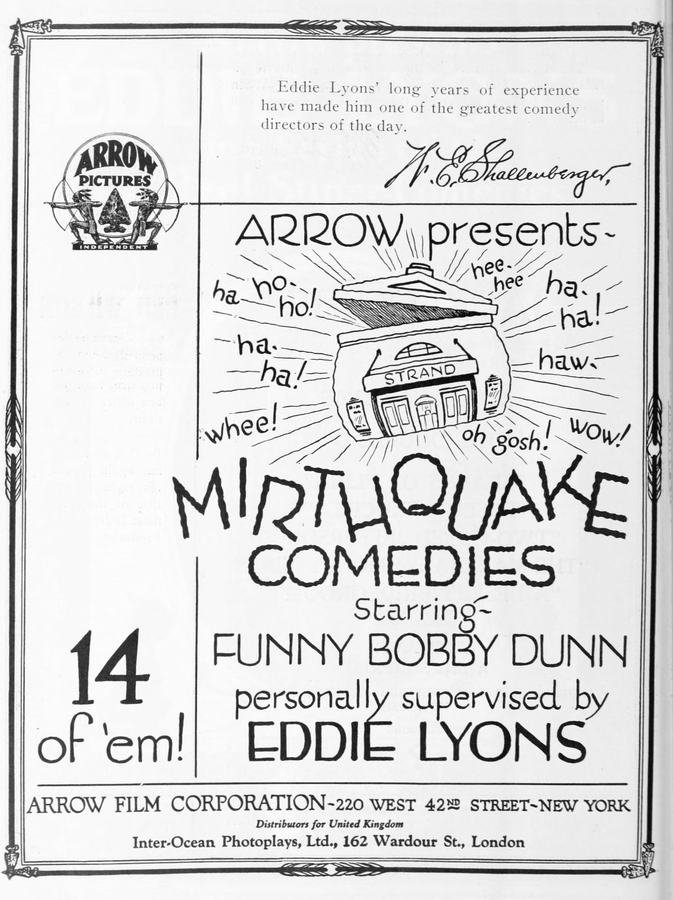
Stepping back into the annals of early cinema, one often unearths cinematic curiosities that, while perhaps not monumental in their grand artistic ambition, nevertheless offer invaluable insights into the burgeoning language of film and the comedic sensibilities of a bygone era. Such is the case with Oh, Teacher!, a 1917 short feature that thrusts the diminutive, yet undeniably charismatic, Bobby Dunn into a whirlwind of accidental heroism and spectacular comeuppance. It’s a delightful, if fleeting, glimpse into the foundational elements of slapstick, mistaken identity, and the peculiar charm of a narrative built upon escalating absurdity.
The premise itself is a masterclass in the kind of outlandish setup that only early silent comedies dared to conceive. Imagine, if you will, the sheer indignity: young Bobby Dunn, not merely a passenger, but the literal ballast of a balloon, his very existence a utilitarian necessity for the aeronautical ambitions of others. When the occupants decide that higher altitudes beckon, the decision is made with a ruthless pragmatism that borders on the darkly comedic: jettison the human weight. Bobby's subsequent, unplanned descent is a kinetic ballet of fate, culminating not in a soft landing, but a rather abrupt introduction to the interior of a rural schoolhouse. This opening sequence, while brief, immediately establishes the film's tone: life is arbitrary, circumstances are chaotic, and our protagonist is a perpetual victim of forces far beyond his control.
The ensuing mistaken identity is a narrative trope as old as storytelling itself, yet one that silent cinema, with its reliance on visual cues and broad characterizations, perfected. Bobby, disheveled and disoriented, is instantly perceived as the long-awaited new teacher. This is where the comedy truly begins to unfurl. Dunn, a performer renowned for his expressive physicality and wide-eyed innocence, navigates this unexpected role with a mixture of bewildered compliance and sheer, unadulterated luck. The humor stems not from his intellectual prowess or pedagogical skill, but from his sheer unsuitability for the role, juxtaposed with the unwavering belief of the townsfolk.
The central conflict arrives in the form of a nefarious 'bad man' who has absconded with the children's savings. Here, Oh, Teacher! pivots from mere situational comedy to a more action-oriented farce. Bobby, through a series of fortunate blunders and accidental interventions, becomes the improbable instrument of justice. His capture of the villain is less a testament to his bravery and more a fortunate confluence of chaotic events, yet the outcome is undeniable: the money is recovered, and Bobby is, by all accounts, a hero. This segment showcases the kind of physical comedy and escalating stakes that defined the era, a style that, while perhaps simplistic by today's standards, was immensely effective in its time. The audience is invited to revel in the sheer improbability of it all, cheering for the underdog who stumbles into greatness.
It is in the aftermath of this triumphant moment that the film delves into a fascinating, if somewhat problematic, exploration of self-perception and inherited legacy. Bobby, now basking in the warm glow of public adulation, feels compelled to justify his newfound heroism. What follows is a truly remarkable monologue (conveyed, of course, through intertitles and Dunn's animated expressions) detailing the supposed exploits of his grandfather. This ancestor, as Bobby grandly narrates, was a paragon of frontier bravery: fighting 'Indians,' dispatching 'half-breeds,' and guiding settlers to safety. This narrative, delivered with earnest conviction by Bobby, serves as a poignant, if historically troubling, reflection of the societal myths and prevailing attitudes of the early 20th century. It’s a moment that, viewed through a contemporary lens, reveals the ingrained biases of the era, yet within the film's context, it’s Bobby's desperate attempt to rationalize his accidental bravery by connecting it to a perceived lineage of heroism. "Having such a wonderful ancestor," he declares with a puffed-out chest, "how can he (Bobby) be other than a brave man?" It's a comedic conceit, certainly, but one that inadvertently exposes deeper cultural currents.
The comedic tension of this self-aggrandizing speech is masterful, building a fragile edifice of fabricated valor that the audience knows, with a delicious sense of anticipation, is destined to collapse. And collapse it does, with spectacular swiftness. The 'bad man,' far from being permanently subdued, makes a dramatic and entirely unexpected escape. The tables are instantly turned. The hero becomes the hunted, and Bobby's carefully constructed narrative of ancestral bravery dissolves into a frantic, ignominious flight from the very town that had only moments before showered him with accolades. This abrupt shift is a hallmark of silent slapstick, where the hero's triumph is always precarious, and the narrative can pivot on a dime, often leaving the protagonist in a worse state than they began.
Eddie Lyons, who plays a supporting role, likely as the bad man or another townsman, brings his characteristic energy to the proceedings. Lyons was a prolific actor and director in this period, often involved in these two-reel comedies that churned out of studios like Nestor and Universal. His presence, even if not the central focus, adds a layer of professional polish to the chaotic narrative. The interplay between Dunn’s frantic innocence and Lyons’ more grounded (or villainous) presence would have been a familiar and appreciated dynamic for audiences of the time. The film is a testament to the collaborative, often uncredited, efforts that brought these early cinematic gems to life, a testament to the sheer volume of content produced during the formative years of Hollywood.
Comparing Oh, Teacher! to other films of its era provides a richer context. While not as overtly political as something like Sowing the Wind, which delved into social commentary, or as epic in scope as Martyrs of the Alamo, its comedic DNA aligns more closely with the boisterous, child-centric antics found in films like Captain Kidd's Kids, which also featured child actors in prominent, often chaotic, roles. The charm of films starring child performers like Bobby Dunn lay in their ability to embody a kind of unbridled energy and innocence, often thrown into adult situations, creating a unique brand of humor. It shares a certain anarchic spirit with other short comedies of the period, where logic often takes a backseat to escalating visual gags and rapid-fire plot developments.
The narrative structure, though seemingly simple, is highly effective for a short feature. It introduces a problem, offers a comedic resolution, and then, just as the audience settles into the triumph, pulls the rug out from under the protagonist, leaving them in a state of renewed chaos. This cyclical pattern of rising action, climax, and then another plunge into disarray is characteristic of early slapstick, designed to elicit continuous laughter through surprise and physical comedy. It doesn't aim for deep character development or profound thematic exploration; its goal is pure, unadulterated entertainment, delivered in a compact, digestible format.
One cannot discuss Oh, Teacher! without acknowledging the broader cultural landscape it emerged from. The early 20th century was a period of immense social change and technological advancement, and cinema was rapidly evolving from a novelty into a mass medium. These short comedies, often shown before main features or as part of a varied program, played a crucial role in popularizing film and establishing comedic conventions that would influence generations of filmmakers. They provided an escapist fantasy, a chance to laugh at the absurdities of life, even if those absurdities were often exaggerated to the point of caricature.
The film's exploration of heroism, even if satirical, is also worth noting. Bobby's initial accidental heroism is a commentary on how circumstances, rather than inherent qualities, can elevate an individual. His subsequent fabrication of an ancestral legacy speaks to a very human desire to belong, to justify one's perceived worth through connection to something greater. The swift dismantling of this facade by the villain's escape serves as a humbling reminder
IMDb 6.4
1925
Community
Log in to comment.