DbcultAccessing Vault...
5.7/10
Senior Film Conservator
A definitive 5.7/10 rating for a film that redefined the boundaries of cult cinema. Oh, What a Kick! remains a cornerstone of transgressive art.
Is Oh, What a Kick! worth your time in the modern era? Short answer: yes, but with significant caveats. This 1926 silent film is a fascinating artifact, a poignant blend of wartime drama and animal-centric comedy that, while showing its age, still possesses a peculiar charm.
This film is an absolute must-watch for silent film aficionados, those with a deep appreciation for early cinematic storytelling, or anyone curious about how humor and sentiment were conveyed without dialogue during a period of immense global upheaval. However, it is decidedly not for viewers seeking fast-paced narratives, modern comedic sensibilities, or pristine visual quality. If you struggle with the conventions of silent cinema, this might be a challenging watch.
In the vast, often overlooked archive of silent films, Oh, What a Kick! emerges as a curious, if not entirely polished, example of early 20th-century filmmaking. Released in 1926, this picture attempts to blend the gravity of World War I with the lighthearted antics of a boy and his mule. It’s a narrative tightrope walk, and while it occasionally stumbles, its heart remains firmly in the right place.
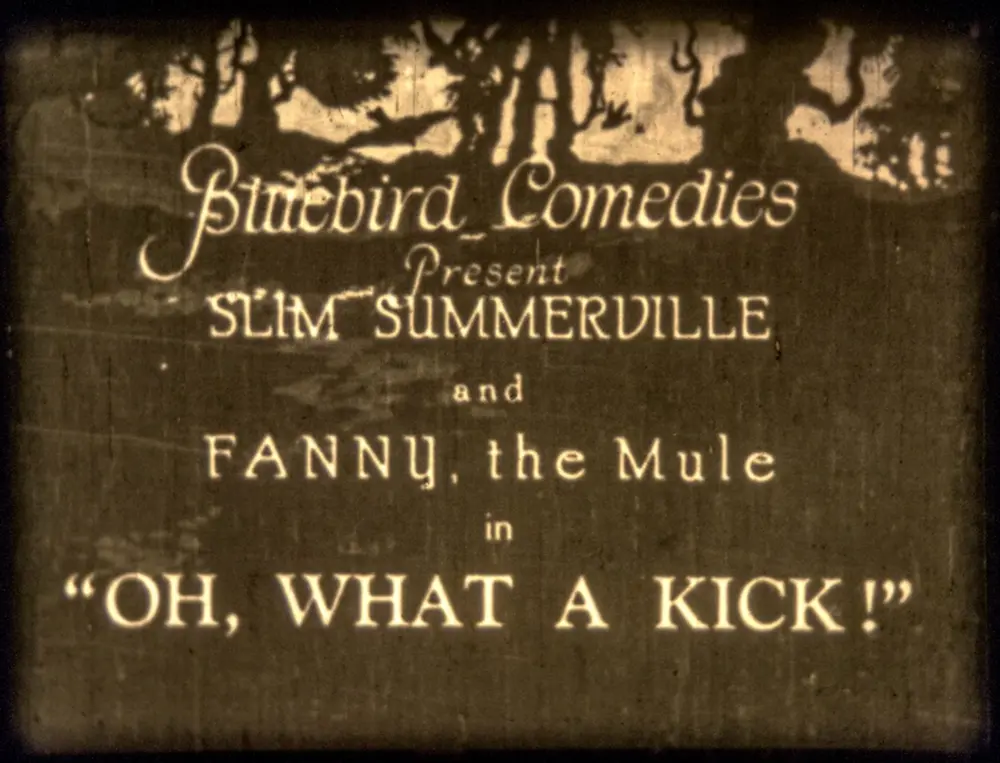
The premise is deceptively simple: a young French boy, serving on the front, finds himself accidentally volunteering for a mission that, by all accounts, should be a death sentence. His salvation, however, comes not from human ingenuity or military might, but from the unwavering loyalty and surprising resourcefulness of his mule, Fanny. This core relationship is the film’s undeniable strength, anchoring an otherwise episodic plot.
This film works because of the undeniable, almost palpable chemistry between the boy and his mule, Fanny, which grounds the fantastical elements of the plot in genuine emotion. Its innovative use of animal performance elevates it beyond typical silent comedies of the era.
This film fails because its pacing is uneven, a common pitfall of the period, and some of its comedic beats feel dated, occasionally undercutting the dramatic stakes of its wartime setting.
You should watch it if you appreciate the unique challenges and triumphs of early cinema, particularly if you’re interested in animal actors and the often-surprising ways filmmakers conveyed complex emotions without spoken words.
The narrative of Oh, What a Kick! is, at its core, a testament to the unexpected heroism found in the most unassuming places. The young protagonist, whose name is almost secondary to his bond with Fanny, isn't a brave soldier in the conventional sense. He's a boy, caught in the machinery of war, whose vulnerability makes his eventual, accidental volunteering for a suicide mission all the more harrowing. This setup immediately tugs at the audience's empathy, a crucial element for silent film engagement.
The film’s strength lies in how it subverts expectations. Instead of a grizzled veteran or a dashing officer, it’s a humble mule that becomes the linchpin of the plot. Fanny isn't just a prop; she's a character with agency, expressed through her reactions, her stubbornness, and ultimately, her decisive actions. One particular sequence, where Fanny cleverly outmaneuvers enemy guards, showcases a level of animal training and directorial vision that is genuinely impressive for the time.
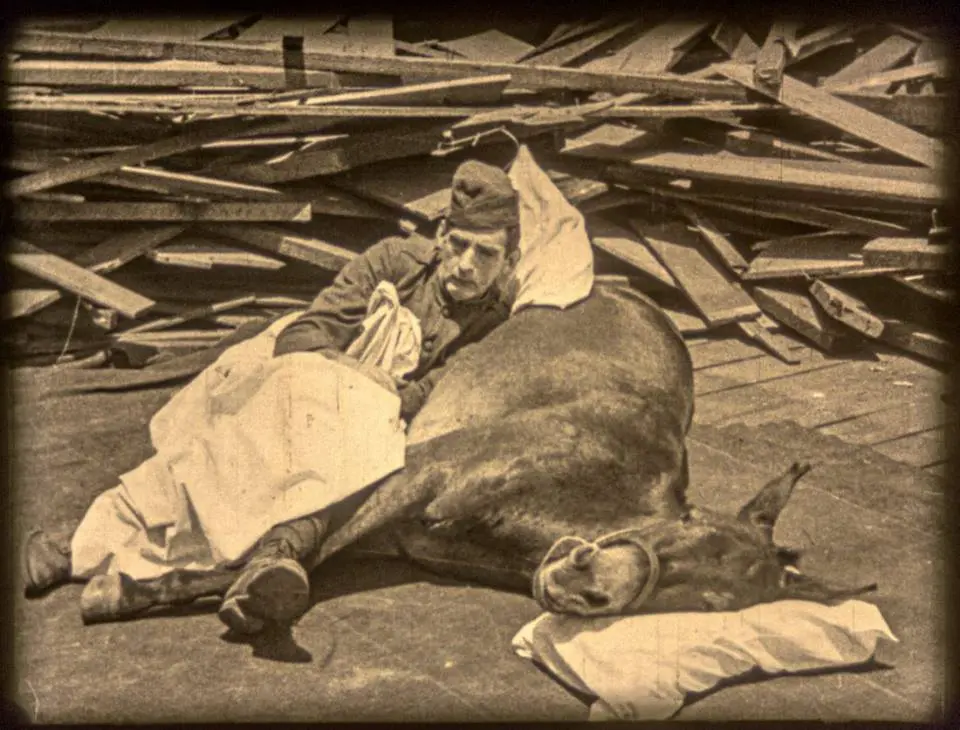
The writers, operating within the constraints of silent storytelling, manage to imbue Fanny with a personality that rivals, and often surpasses, her human counterparts. This is not just a trained animal performing tricks; it feels like an intelligent being responding to dire circumstances. It’s a bold choice, and one that largely pays off, especially for those willing to suspend disbelief and appreciate the era's storytelling conventions.
The cast of Oh, What a Kick! navigates the expressive demands of silent cinema with varying degrees of success. Dick Sutherland, often known for his intimidating physique and villainous roles in other films like The Stampede, here delivers a performance that, while not central, adds a particular gravitas to the military backdrop. His presence, even in fleeting moments, grounds the absurdity of the mule's heroics in the harsh reality of war.
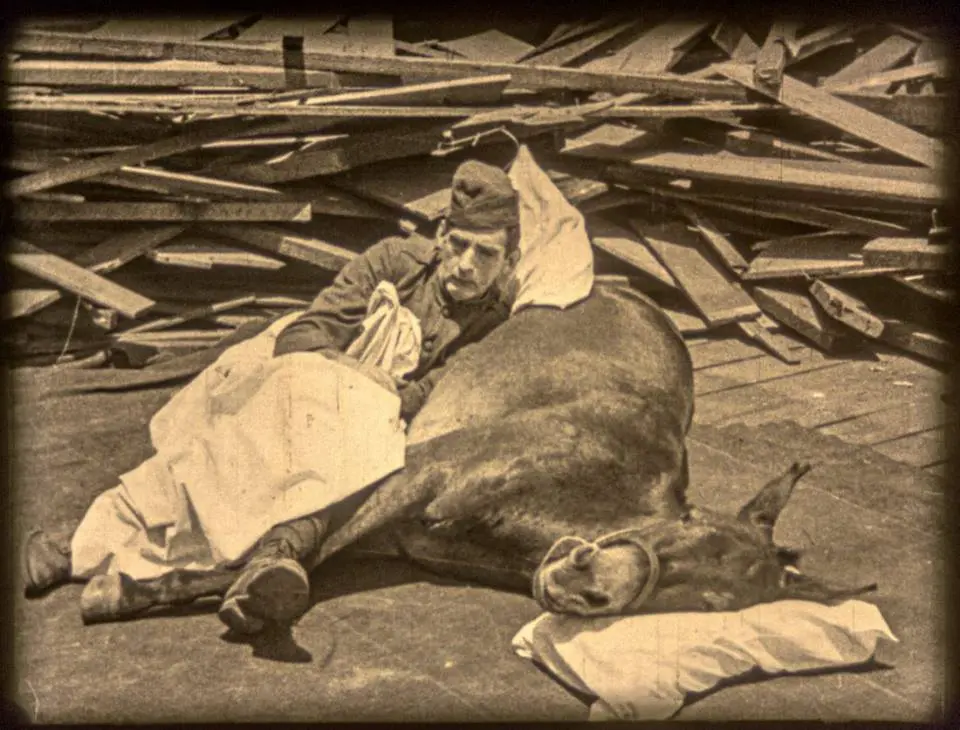
However, it is Fanny the Mule who truly steals the show. Her performance is nothing short of remarkable. From her subtle ear movements to her deliberate, almost human-like pacing, Fanny conveys a range of emotions – loyalty, stubbornness, even a touch of exasperation – that are critical to the film's success. The trainers and director clearly understood how to extract maximum emotional impact from an animal actor, a feat that still impresses today. Fanny is not merely reacting; she is performing, and it is glorious.
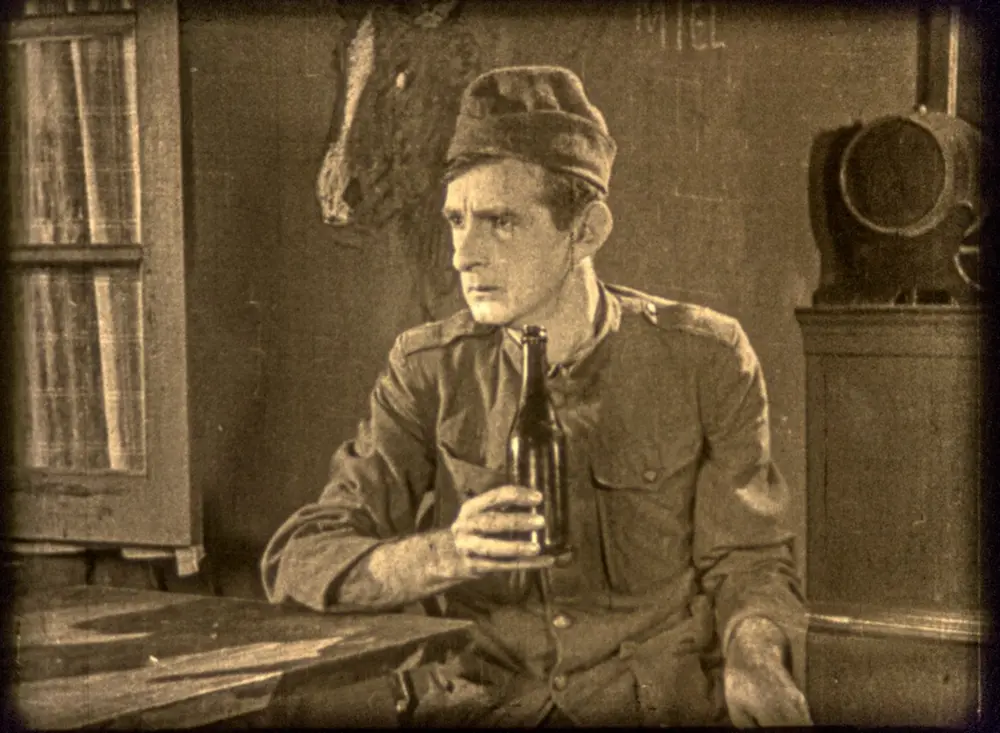
Slim Summerville, a prolific comedic actor of the era, also contributes to the film's lighter moments. While his performance style might feel broad to contemporary audiences, his physical comedy and exaggerated expressions were typical of the period and served to punctuate the more dramatic elements. His interactions, though brief, provide a necessary counterpoint to the impending danger faced by the young boy.
One could argue that the human actors sometimes struggle to match Fanny's magnetic presence. There are moments where their expressions feel a touch too theatrical, almost as if they are competing with the mule for attention. Yet, this is a minor quibble, as the overall ensemble works to support the central, unconventional relationship.
The direction in Oh, What a Kick!, while not groundbreaking, is competent and effective for its time. The director skillfully balances the wide shots necessary to establish the wartime setting with tighter frames that emphasize the emotional connection between the boy and Fanny. There’s a clear understanding of visual storytelling, even if the techniques now appear rudimentary.
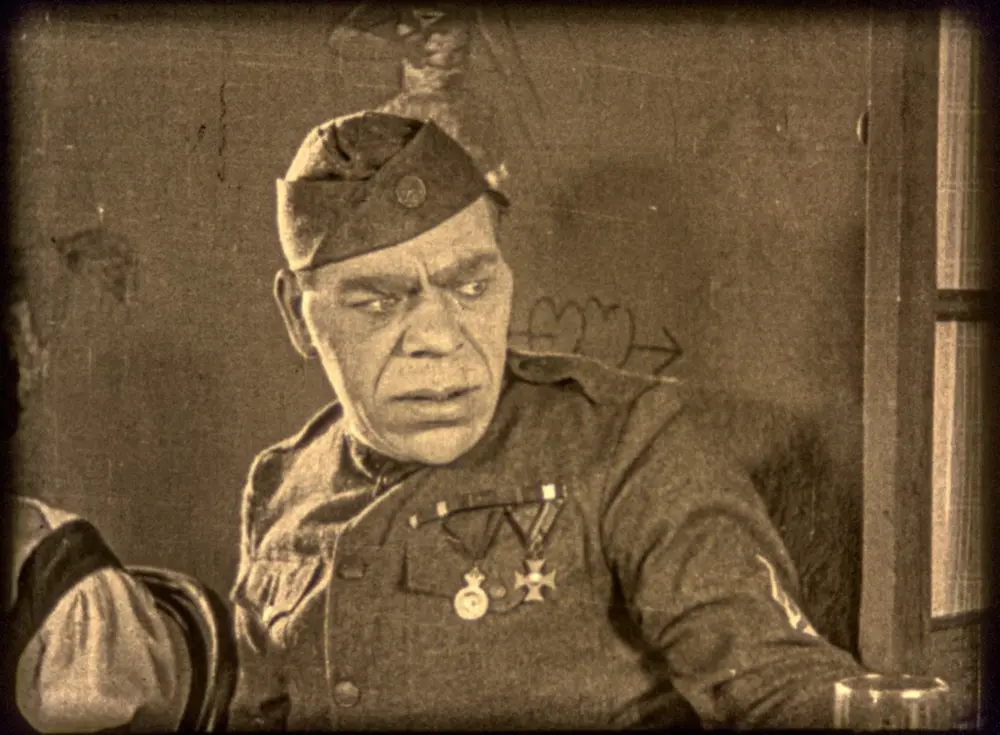
The pacing, typical of silent films, can feel leisurely by today's standards. Scenes are allowed to unfold without the rapid-fire editing we've become accustomed to. This deliberate rhythm, however, allows for a greater appreciation of the subtle performances, particularly Fanny's. It forces the viewer to slow down, to observe, and to absorb the visual narrative without the distraction of dialogue.
Cinematographically, the film showcases the technical limitations and artistic choices of the mid-1920s. While not as visually opulent as epics like Call of the Wild (though a different film, it represents a period of visual ambition), it employs practical effects and on-location shooting to convey a sense of authenticity. The trench scenes, though clearly staged, manage to evoke the grimness of the conflict without resorting to excessive violence, relying instead on atmosphere and implication.
The use of natural light and simple compositions ensures clarity, a crucial aspect when conveying plot solely through images and intertitles. There’s a particular shot of Fanny silhouetted against a distant explosion that, despite its simplicity, is strikingly evocative and memorable, highlighting the harsh beauty often found in early cinema.
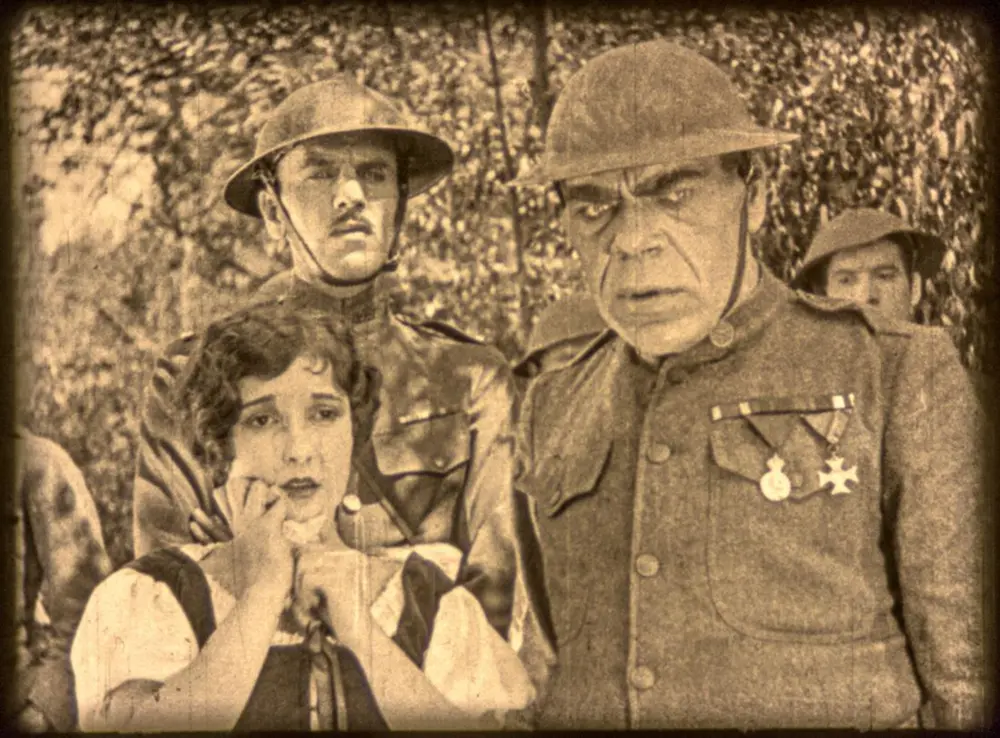
Oh, What a Kick! walks a delicate tonal tightrope, balancing the inherent tragedy of war with moments of genuine, often slapstick, comedy. This juxtaposition is perhaps the film's most unconventional observation. While modern war films tend to lean into gritty realism or overt anti-war sentiment, this film dares to find humor amidst the chaos, a common approach in films of the era, such as The Galloping Kid which also blended action with comedy.
The central theme, undoubtedly, is loyalty. The bond between the boy and Fanny is portrayed with an earnestness that transcends the comedic elements. It speaks to a universal truth: in times of crisis, the most unexpected companions can become our greatest saviors. This theme resonates deeply, regardless of the film's age or its silent format.
The humor, while occasionally dated, often stems from Fanny's cleverness and the absurdity of her actions in a military context. The mule’s defiance of military protocol, her uncanny ability to understand and execute complex plans, provides much of the film’s levity. It’s a gentle, almost whimsical form of comedy that contrasts sharply with the film's more dramatic stakes. It works. But it’s flawed.
Oh, What a Kick! is a film that, despite its rough edges and the inevitable ravages of time, manages to leave a lasting impression. It’s not a masterpiece, nor does it attempt to be one. Instead, it’s a charming, earnest, and surprisingly effective piece of silent cinema that celebrates loyalty, ingenuity, and the unbreakable spirit of an unlikely duo. Its greatest achievement is making a mule the most compelling character on screen, a feat that few films, silent or otherwise, have managed to replicate with such conviction.
While it demands a degree of patience and an appreciation for the historical context of its creation, the rewards are there for those willing to engage. It serves as a gentle reminder that heroism comes in many forms, and sometimes, it has four legs and a stubborn streak. For anyone with an interest in the silent era, or simply a love for stories about animal companionship, Oh, What a Kick! offers a unique and heartwarming experience. Give it a chance; you might just be surprised by how much this old mule still has to teach us about heart.
IMDb —
1919
Community
Log in to comment.