DbcultAccessing Vault...
Cult Review
Senior Film Conservator
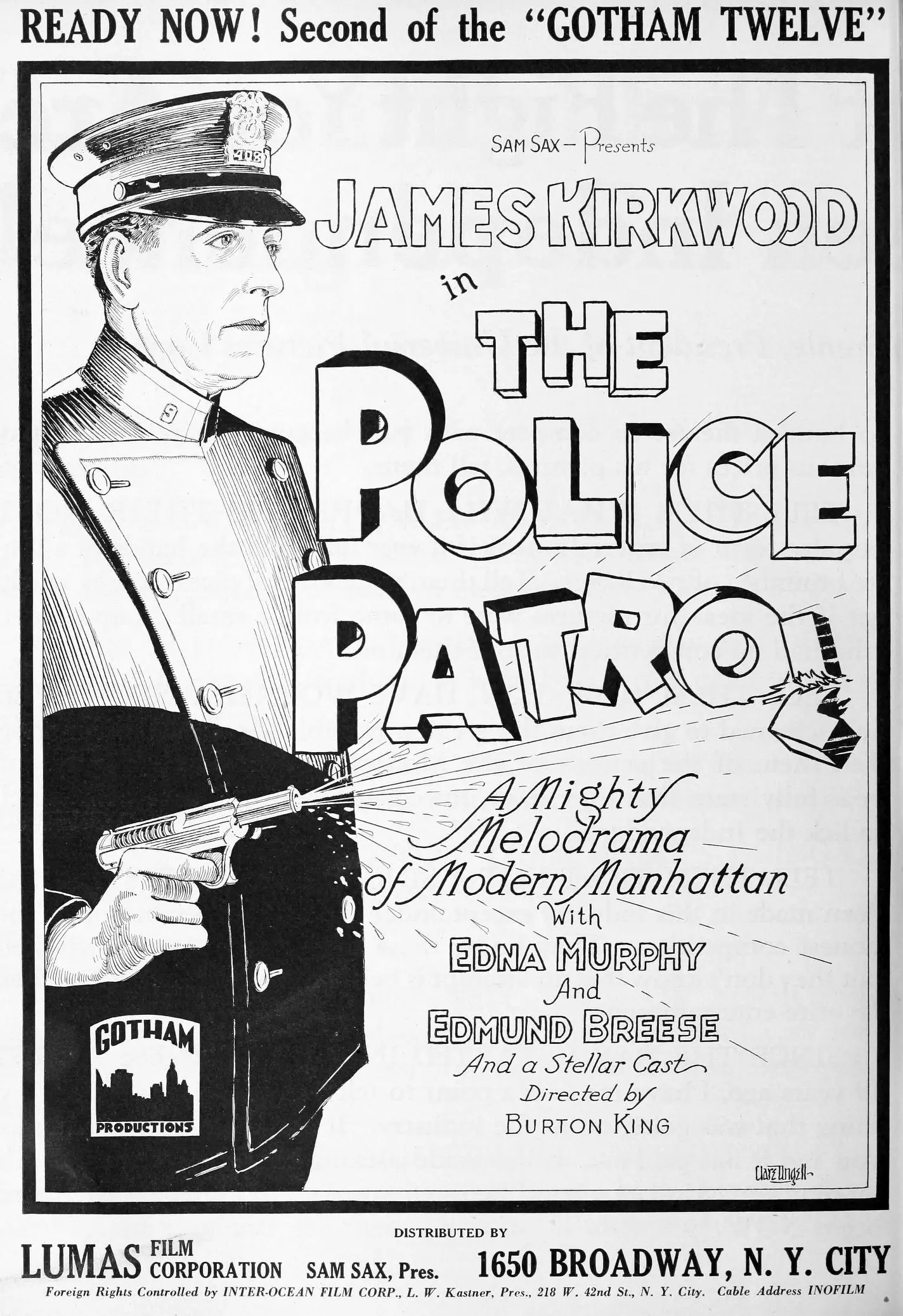
A Detective’s Dilemma of Love and Deception
In the heart of the 1930s, 'The Police Patrol' emerges as a remarkable blend of romance and suspense, weaving a tale that engages the audience through its intricate plot and memorable characters. The film follows Patrolman Jim Ryan, played by Monya Andre, as he navigates the complexities of his personal life and professional duties, all while uncovering a web of deceit surrounding his new love interest, Alice Bennett, portrayed by Tammany Young.
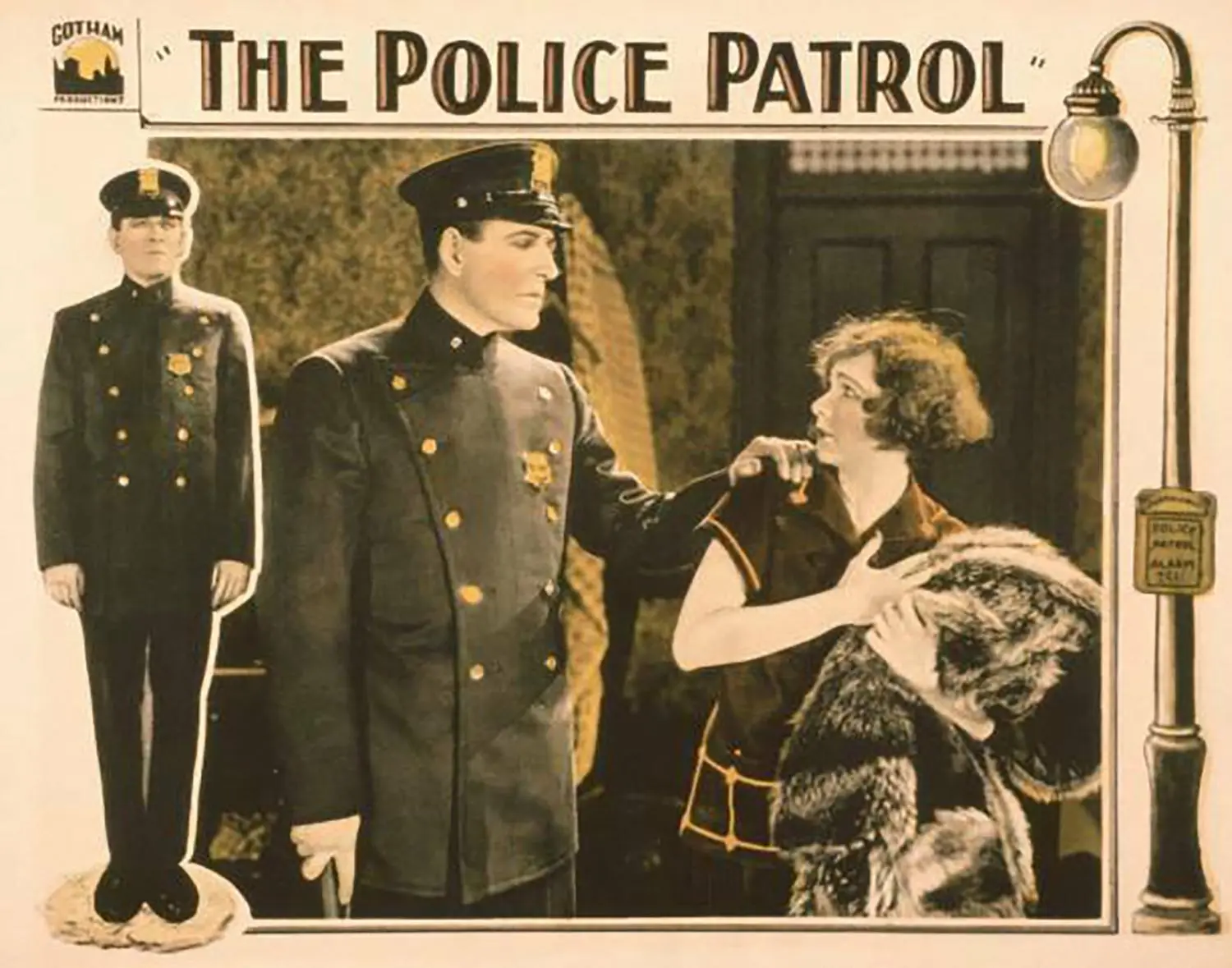
Jim Ryan’s journey begins with a simple romantic encounter with Alice, a dressmaker, but soon takes a dramatic turn when he learns the unsettling truth about her identity. Alice is not just any woman; she is a double for Dorothy Stone, a well-known thief who has been evading capture for years. This revelation sets in motion a series of events that challenge Jim’s moral and ethical boundaries, forcing him to choose between duty and love.
The screenplay, penned by Victoria Moore and A.Y. Pearson, masterfully interweaves the romantic subplot with the suspenseful narrative of Dorothy Stone’s crimes. The film’s plot is tightly constructed, ensuring that every scene contributes to the overarching story while maintaining the viewer’s interest. This balance is particularly evident in the scenes where Jim uses Alice to impersonate Dorothy, navigating the dangerous world of Dorothy’s gang. The film’s pacing is well-balanced, allowing for moments of tension and relief, keeping the audience on the edge of their seats.
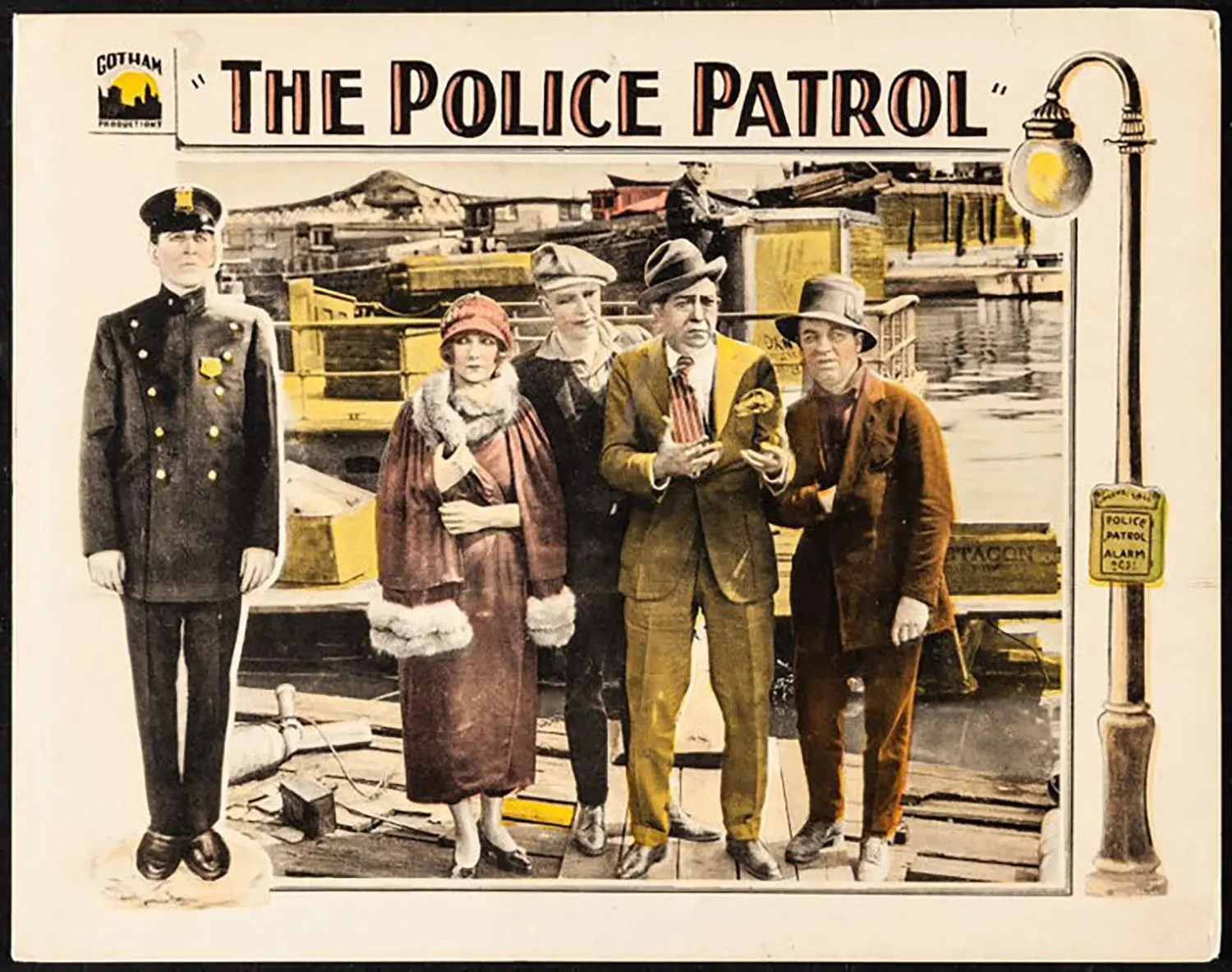
Monya Andre delivers a nuanced performance as Jim Ryan, portraying a character who is torn between his duty as a police officer and his growing affection for Alice. Tammany Young’s portrayal of Alice Bennett is equally compelling, capturing the complexity of her character and the depth of her relationship with Jim. The supporting cast, including James Kirkwood, Edna Murphy, and Edmund Breese, all contribute to the film’s overall atmosphere, adding layers of authenticity and realism to the story.
'The Police Patrol' stands out among its contemporaries, particularly when compared to films like 'Youth to Youth' and 'Pay Me!', which also delved into the intersection of romance and crime. However, what sets 'The Police Patrol' apart is its exploration of moral ambiguity and the ethical dilemmas faced by its protagonist. This theme is particularly evident in the pivotal scene where Jim must decide whether to trust his instincts or adhere to the law, a decision that ultimately shapes the outcome of the film.
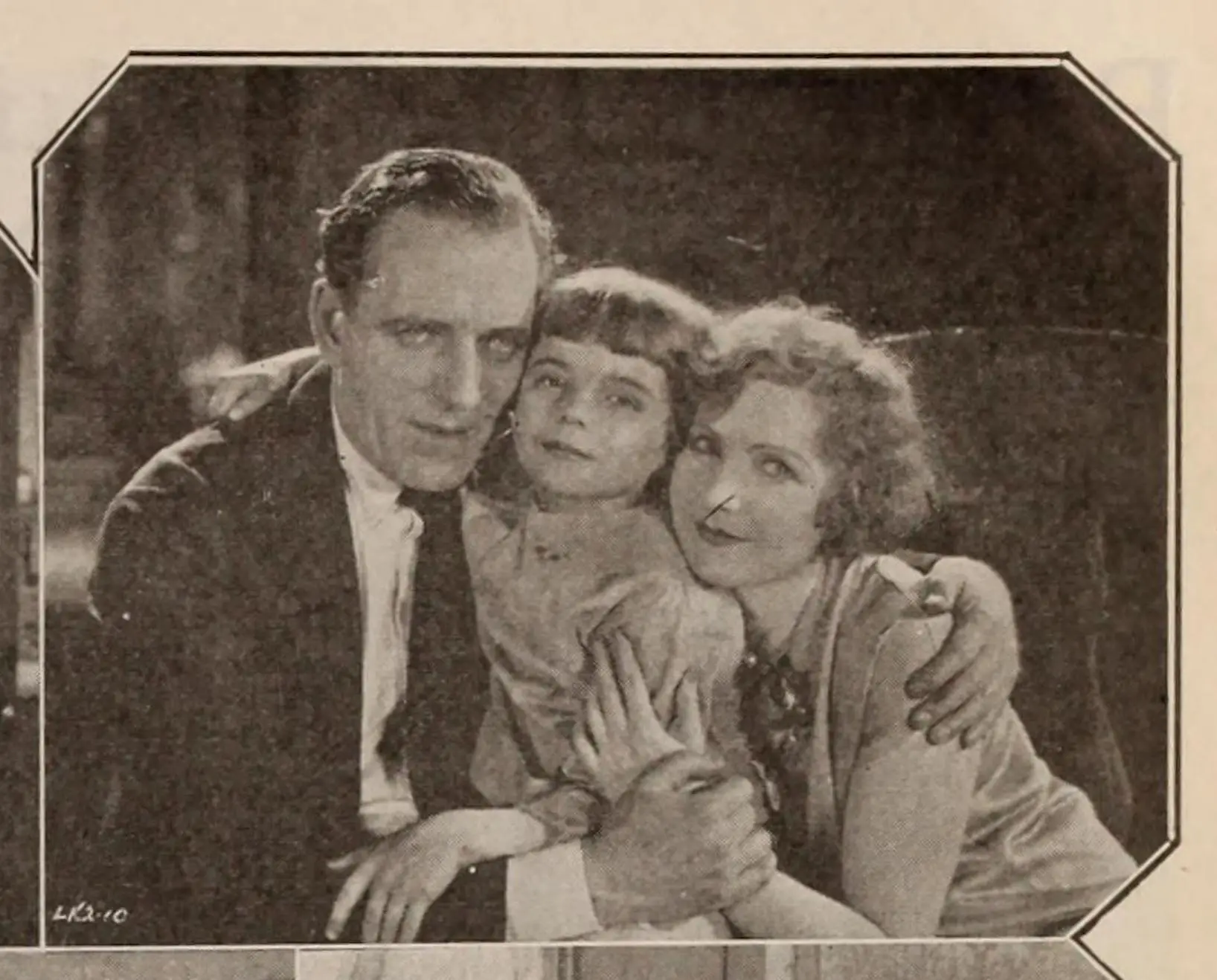
One of the film’s strengths lies in its ability to create a sense of urgency and danger, especially during the climax where Jim pursues the abductor of Alice. The sequence is well-choreographed, with a mix of action sequences and dramatic dialogue that keeps the audience engaged. The use of a police launch in this sequence adds a thrilling element, reminiscent of more modern action films, but within the context of a 1930s production.
Thematically, 'The Police Patrol' touches on the broader issues of identity, deception, and the role of individuals in society. The film raises questions about the nature of truth and the consequences of one’s actions. These themes are particularly relevant today, as they continue to resonate with contemporary audiences. The film’s handling of these themes, combined with its engaging narrative, makes it a thought-provoking watch.
In conclusion, 'The Police Patrol' is a compelling and well-crafted film that successfully blends romance and suspense. Its intricate plot, strong performances, and thematic depth make it a standout film in the 1930s genre. For fans of classic detective dramas and those who appreciate a well-told story, 'The Police Patrol' is a must-watch. It is a testament to the enduring appeal of stories that challenge our perceptions and keep us guessing until the very end.
For more insights into classic cinema, explore our reviews of other notable films such as 'Youth to Youth', 'Pay Me!', and 'Heart of Gold'. Each offers a unique perspective on the art of storytelling during the golden age of cinema.
IMDb —
1920
Community
Log in to comment.