DbcultAccessing Vault...
6.8/10
Senior Film Conservator
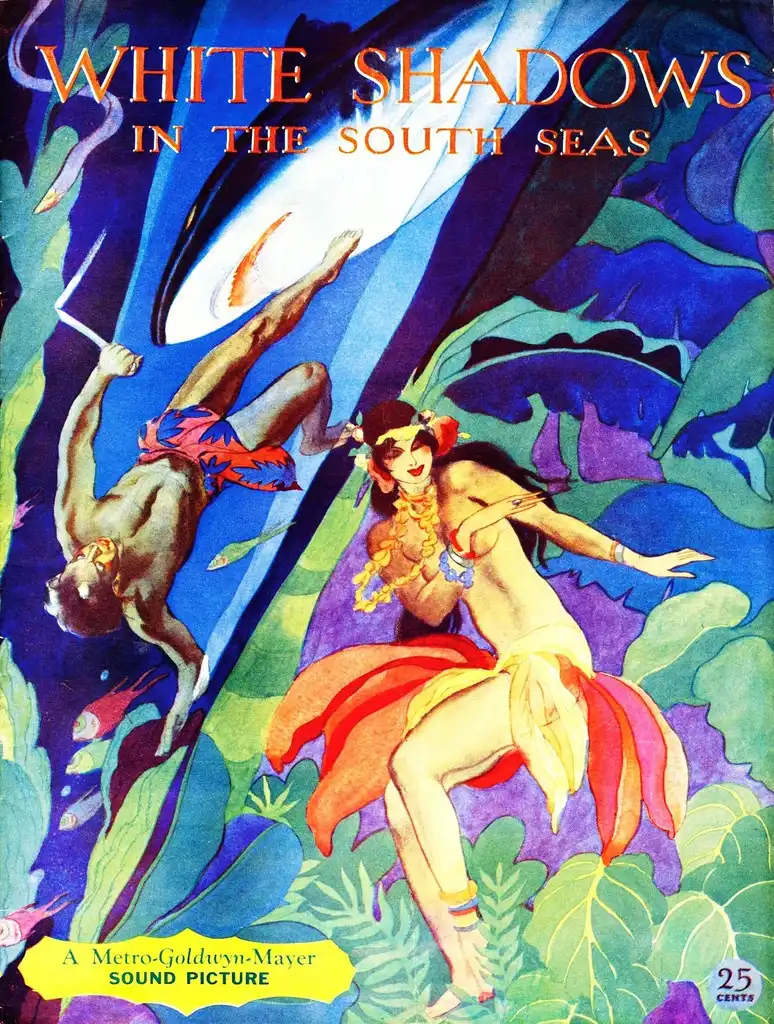
A definitive 6.8/10 rating for a film that redefined the boundaries of cult cinema. White Shadows in the South Seas remains a cornerstone of transgressive art.
For cinephiles and historians with a particular interest in the silent era, early ethnographic filmmaking, or the visual spectacle of location shooting, White Shadows in the South Seas (1928) is absolutely worth seeking out. It’s a landmark film, MGM’s first feature shot entirely on location, and its visual ambition alone makes it a compelling watch. However, if you’re looking for a fast-paced, tightly plotted narrative with modern sensibilities, or if silent film conventions often feel like a hurdle, this might be a challenging sit. It’s a film that demands patience, rewarding those who appreciate its historical context and stunning imagery over its often-melodramatic storytelling.
Directed by W.S. Van Dyke and Robert J. Flaherty (though Flaherty famously left over creative differences), the film plunges us into a vision of the South Pacific that is both idealized and starkly critical. It follows Dr. Lloyd (Monte Blue), an alcoholic, embittered physician on an island ravaged by white pearl traders. He despises the exploitation and cruelty he witnesses, personified by the villainous Sebastian (Robert Anderson). After a particularly brutal encounter, Lloyd is left for dead, only to wash ashore on a seemingly untouched island, a paradise where he finds love with Fayaway (Dorothy Janis) and a brief respite from the ugliness of civilization.
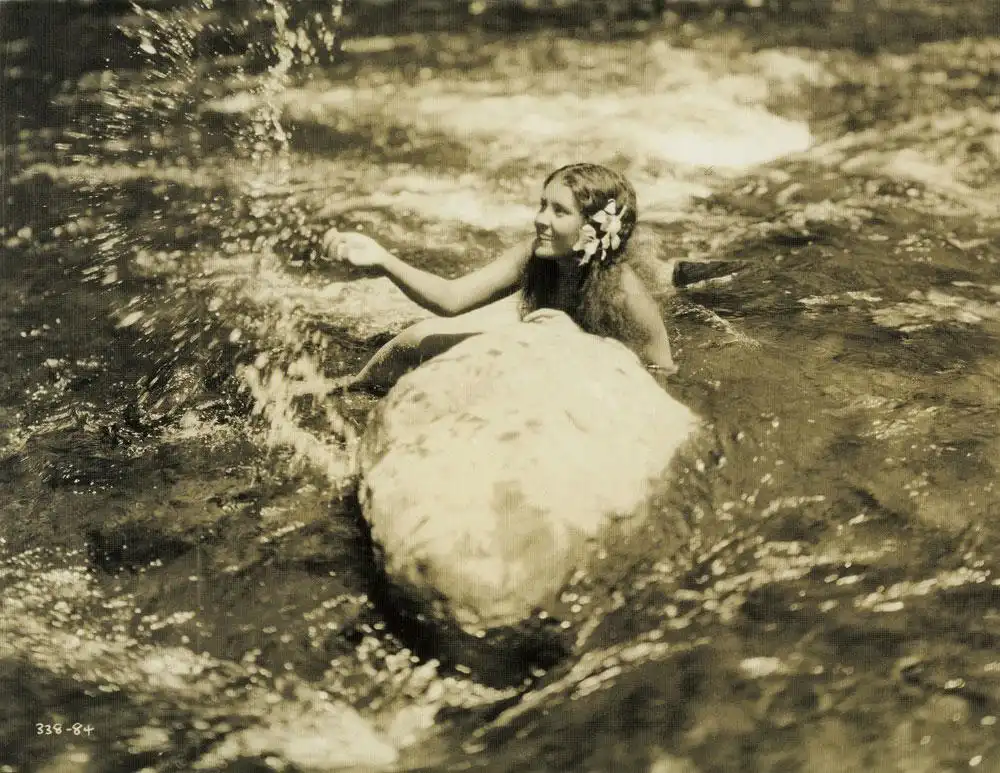
The immediate and undeniable strength of White Shadows in the South Seas lies in its visuals. Shot on location in Tahiti and other islands, the film is a testament to the power of natural light and exotic landscapes. The cinematography, credited to Clyde De Vinna (who won an Oscar for his work), is often breathtaking. From the wide, sweeping shots of outrigger canoes cutting through impossibly blue waters to the intimate close-ups of native faces, the film revels in its environment. There’s a specific sequence early on, after Lloyd’s near-death experience, where he drifts on the ocean, and the camera captures the vast, indifferent expanse of the sea and sky with a chilling beauty. This is not studio trickery; it’s the real world, and it lends an undeniable authenticity to the film’s setting.
The underwater photography, in particular, is revolutionary for its time. Shots of divers searching for pearls, or the graceful movement of bodies beneath the surface, are genuinely mesmerizing and still hold up today. The film’s greatest legacy is arguably its pioneering effort to bring these remote, untamed landscapes to the screen with such fidelity. It’s a visual travelogue as much as it is a narrative film, and for those who appreciate the craft of early cinema, these sequences alone justify the viewing.
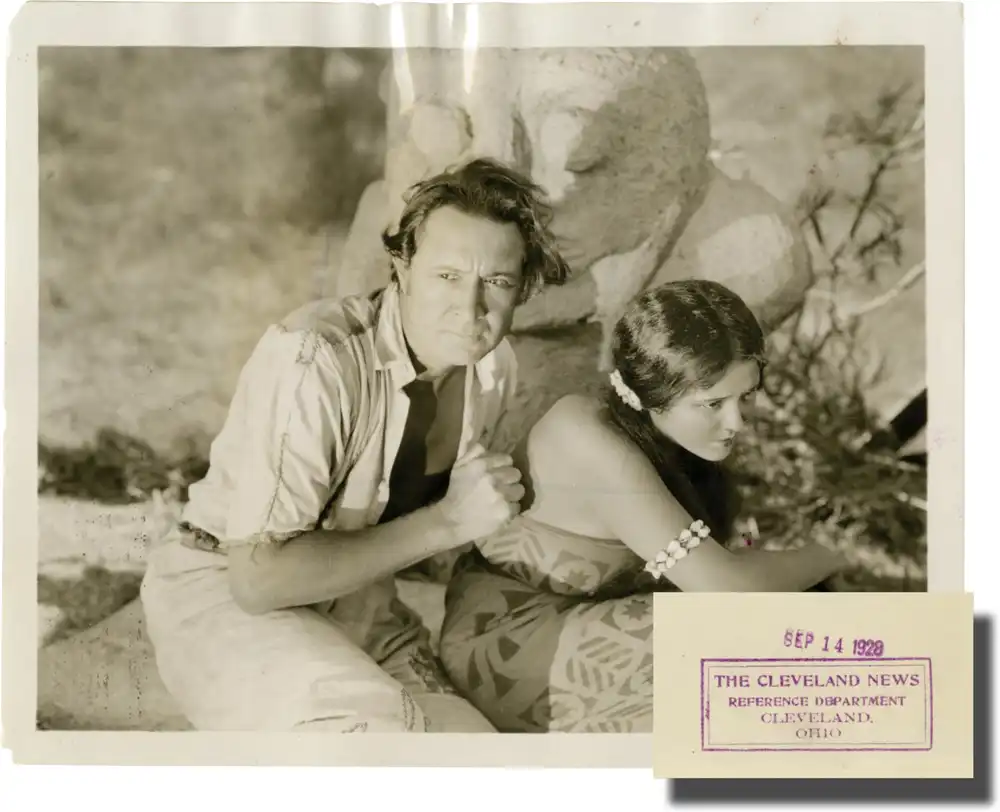
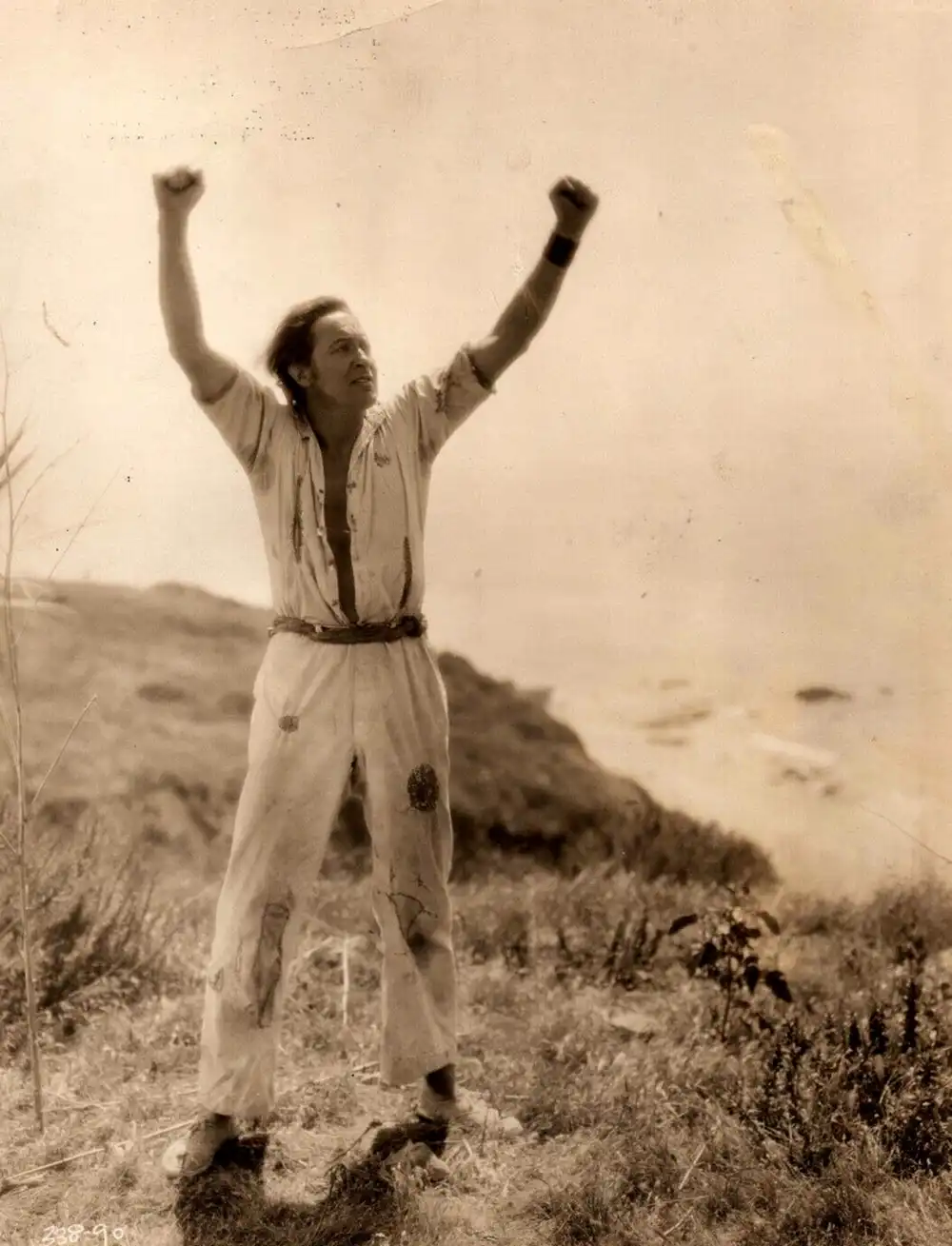
As a silent film, the performances rely heavily on exaggerated facial expressions and body language, a convention that can feel stilted to modern eyes. Monte Blue, as Dr. Lloyd, carries much of the film's emotional weight. He effectively conveys his character's initial disgust and despair, transitioning convincingly to a man finding peace and love. His wide-eyed wonder upon discovering the new island and his tender interactions with Fayaway feel earnest, even if the silent film acting style occasionally pushes into broad strokes. Dorothy Janis, as Fayaway, brings a delicate innocence to her role. Her expressions of curiosity, joy, and eventually sorrow are clear and well-articulated, communicating much without a single spoken word. The chemistry between Blue and Janis, while constrained by the era's acting norms, is palpable enough to anchor the romantic core of the story.
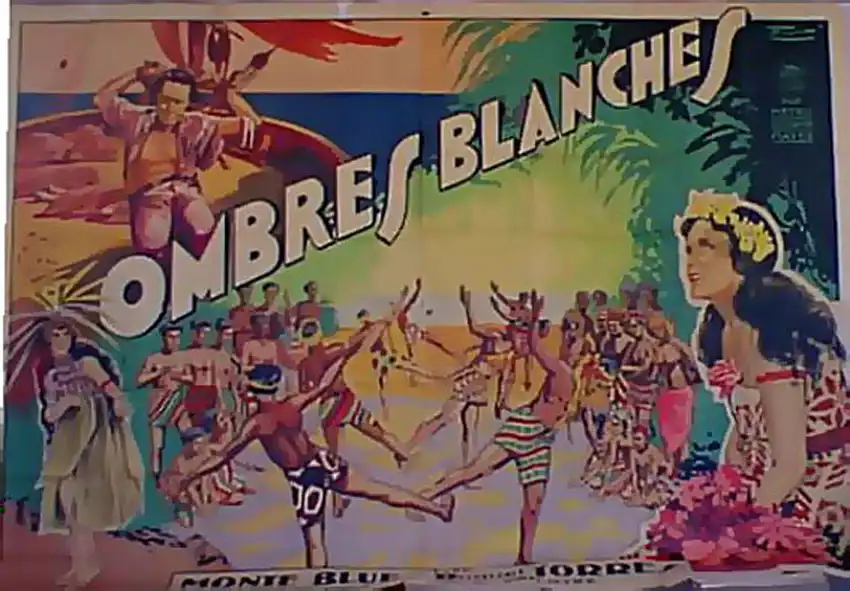
Robert Anderson, as the villainous Sebastian, is perhaps the most archetypal performance. He embodies pure greed and malice, making him an effective, if somewhat one-dimensional, antagonist. The native cast members, while largely uncredited beyond a few names like Napua and Raquel Torres, lend a crucial layer of authenticity to the village scenes. Their natural movements, dances, and daily routines, captured with an almost documentary-like gaze, stand in stark contrast to the more theatrical performances of the main leads.
The pacing, however, can be a mixed bag. The film starts with a strong, if somewhat bleak, critique of colonial exploitation, then shifts into a more idyllic, pastoral rhythm on the second island. This middle section, while visually stunning, occasionally drags as it establishes the newfound paradise. There are moments where the camera lingers just a beat too long on a reaction shot, or where an intertitle feels redundant after the visual has already conveyed the emotion. The narrative often prioritizes setting and atmosphere over tight plot progression, which can test the patience of viewers accustomed to faster cuts and more dynamic storytelling. The final act, when Sebastian inevitably reappears, regains some momentum, but the film never quite shakes off the deliberate, almost meditative pace established earlier.
The film navigates some significant tonal shifts. It begins with a gritty, almost cynical depiction of Western impact on indigenous cultures, showcasing the greed and degradation brought by the pearl trade. This segment feels surprisingly bold for its time. Then, it transitions into an almost utopian romance, presenting the second island as an Eden untouched by corruption. This contrast is visually arresting – the squalor and drunken chaos of the trading post versus the pristine beaches and harmonious life of Fayaway’s village. However, the film doesn't fully grapple with the complexities of this idealization. While it critiques the explicit evil of Sebastian, it sometimes romanticizes the 'noble savage' trope without much nuance.
One particularly memorable, almost incidental, detail that only someone who has watched the film would notice is the subtle, yet persistent, presence of small, almost domesticated pigs wandering through the background of many village scenes. They are not central to the plot, but their constant, unhurried rooting and snuffling add a layer of organic realism and life to the otherwise idealized portrayal of the native community, grounding the exotic setting in mundane, observable reality. It's a small touch that speaks to the film's observational approach.
The climax, while dramatic, falls back into predictable melodrama, with a chase sequence and a tragic ending that feels somewhat inevitable given the narrative’s setup. While the film’s message about the destructive nature of colonial ambition is clear, its execution sometimes feels a little simplistic, relying on clear-cut heroes and villains rather than exploring the gray areas.
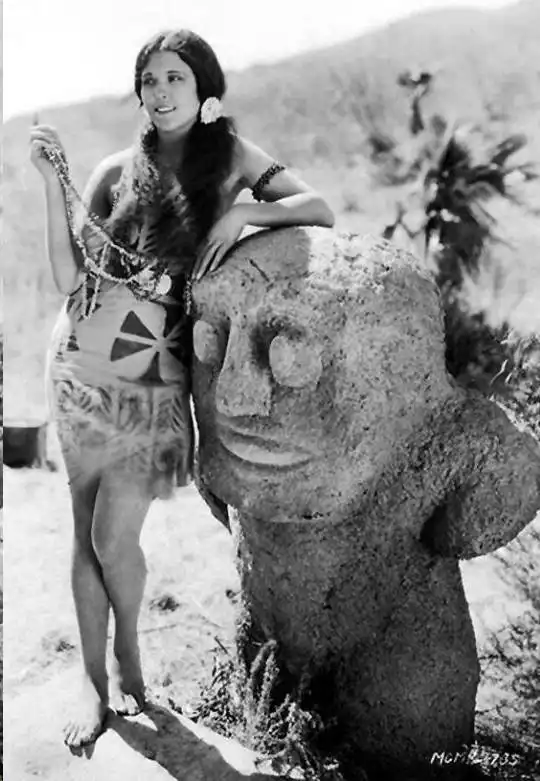
White Shadows in the South Seas is a fascinating artifact of early cinema, a film that leverages its exotic locations to create a truly unique visual experience. It’s a testament to the power of silent film to convey emotion and narrative through imagery alone. Its strengths lie firmly in its groundbreaking cinematography and its ambitious decision to shoot entirely on location, offering viewers a rare glimpse into a vanishing world. While its narrative can be uneven, and its silent film conventions might require a degree of adjustment from modern audiences, its historical significance and sheer visual beauty make it a rewarding watch for those with a genuine appreciation for the roots of cinematic art.
It’s a film that asks you to slow down, to appreciate the craft of its images, and to consider the context of its creation. For that, it remains a valuable piece of film history, flawed but undeniably impactful.

IMDb —
1916
Community
Log in to comment.