DbcultAccessing Vault...
6.8/10
Senior Film Conservator
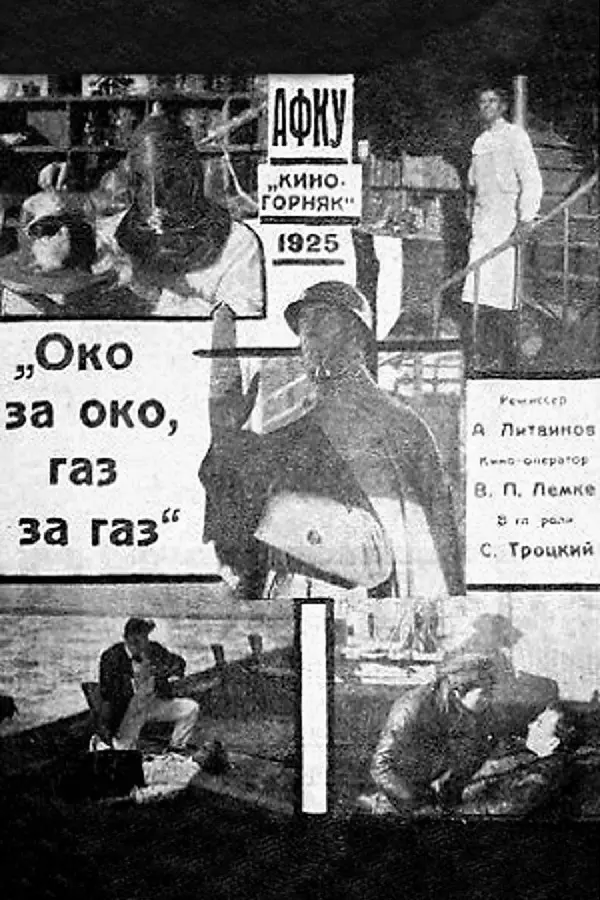
A definitive 6.8/10 rating for a film that redefined the boundaries of cult cinema. Oko za oko, gaz za gaz remains a cornerstone of transgressive art.
As the film opens, the audience is immediately enveloped in a labyrinthine world where the lines between truth and deception are as fluid as the characters themselves. Director Anatoly Mokhnachev's vision is a kaleidoscope of emotions, interwoven with a meticulous attention to detail that transforms every scene into a precious moment of cinematic artistry.
The narrative unfolds through the eyes of Aleksandr Litvinov, a character whose journey is both a personal odyssey and a political thriller. From the opening shot, the film's pace is relentless, drawing the viewer into a tale that is as much about the search for identity as it is about the pursuit of power.
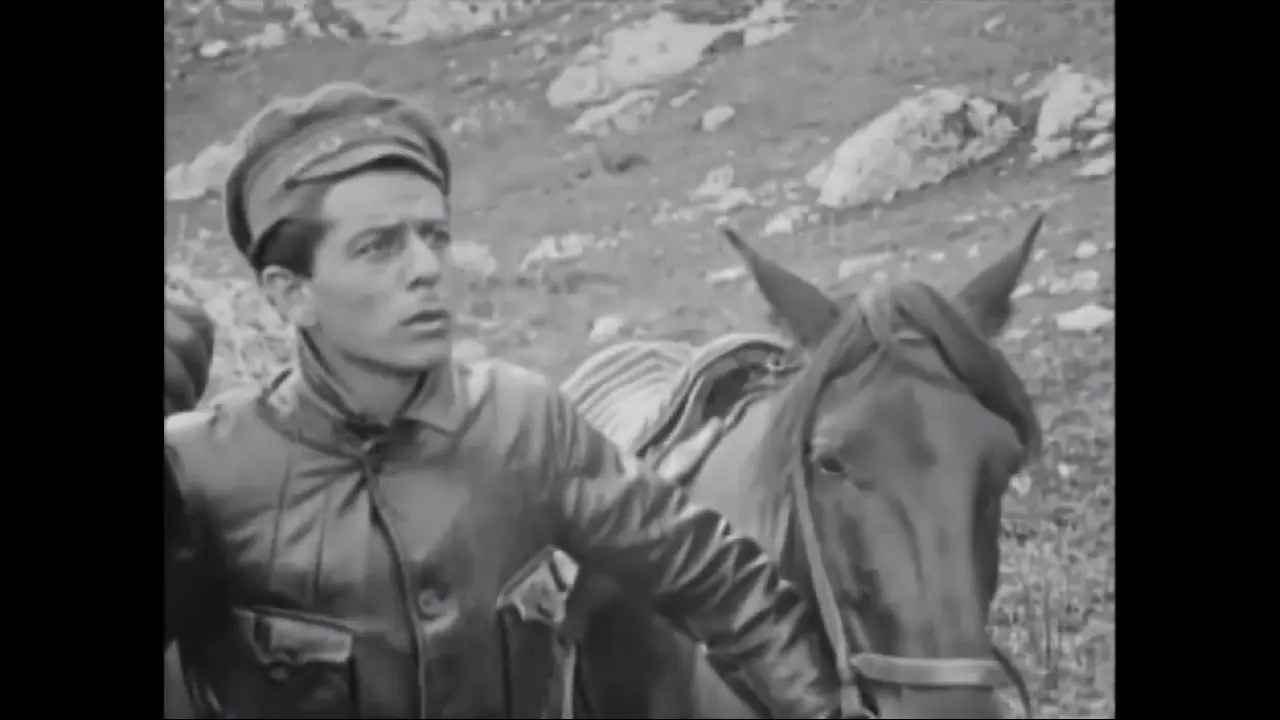
One of the film's most striking aspects is its visual style, which seamlessly blends the surreal with the mundane. The use of color, particularly the dark orange and sea blue hues, creates a mood that oscillates between the ominous and the enchanting. This visual palette is not just decorative; it serves as a powerful tool to convey the emotional weight of the story, adding layers of meaning to each frame.
At the heart of the narrative is a central question: What is real, and what is merely a reflection of the mind's desires? This is a theme that resonates throughout the film, from the enigmatic political dealings to the intimate moments shared between characters. The film's exploration of this duality is both profound and thought-provoking, inviting viewers to question their own perceptions of reality.
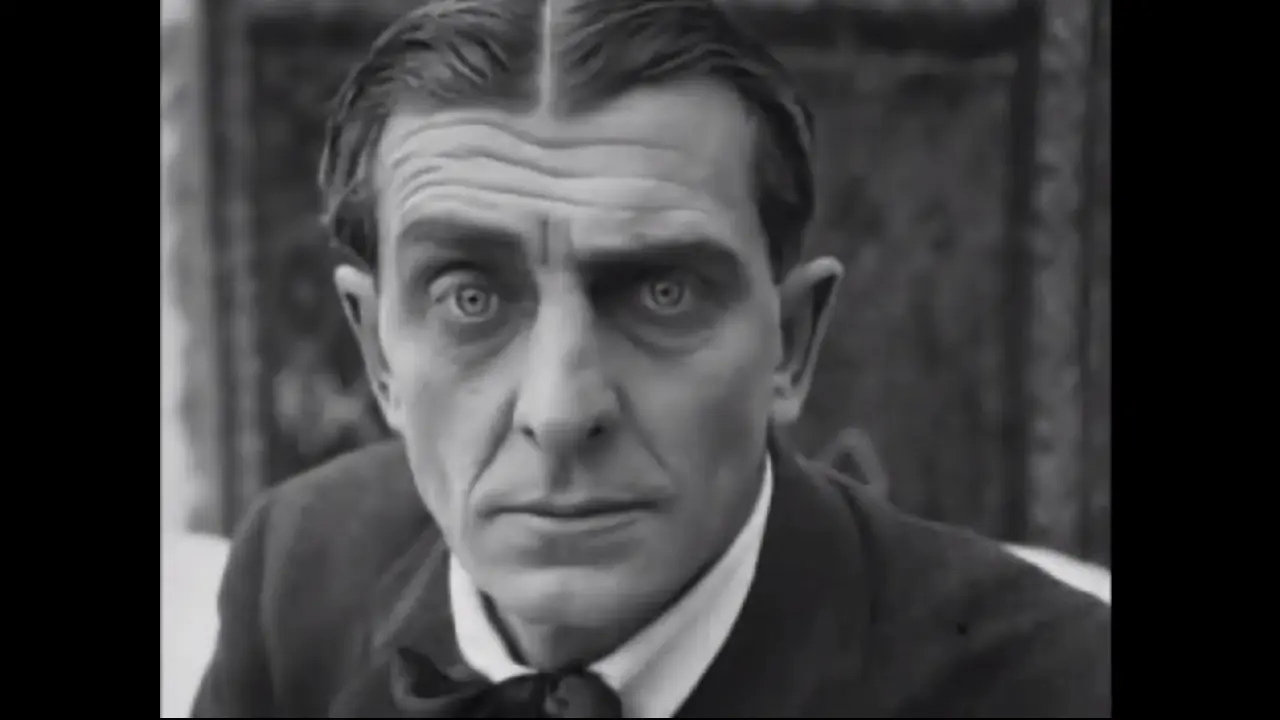
The performances, led by Aleksandr Litvinov, are nothing short of remarkable. His portrayal of a man caught between the forces of illusion and truth is a masterclass in acting. Litvinov's ability to convey a range of emotions, from vulnerability to determination, is nothing short of mesmerizing. The supporting cast, though smaller, also delivers strong performances, each adding depth to the story's tapestry.
It's worth noting that the film's pace is brisk, and it demands the audience's full attention. This is not a film for the faint-hearted; it requires active engagement from the viewer to fully appreciate its nuances. However, for those willing to invest the time and energy, the rewards are immense. The film's structure is both challenging and rewarding, pushing the boundaries of conventional narrative filmmaking.
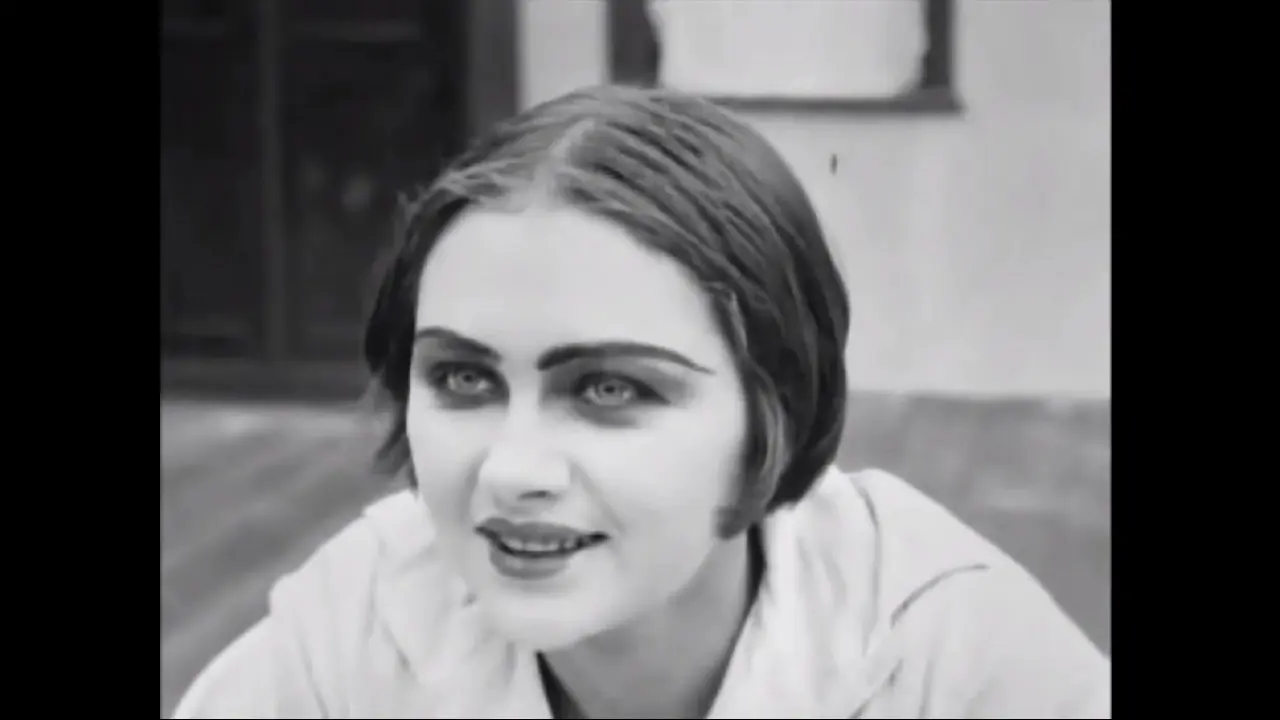
In terms of comparisons, Oko za oko, gaz za gaz shares some thematic similarities with films like Young Ideas, which also explores the complexities of identity and the search for self. However, Oko za oko, gaz za gaz takes this exploration to a more cerebral and visually striking level. The film's influence can also be seen in works such as Strike and Fantomas: The Mysterious Finger Print, which similarly blur the lines between reality and fiction.
The film's milieu, set in a world of political machinations and personal betrayals, draws strong parallels with the dystopian landscapes of films like Deck Sports in the Celebes Sea and The Devil's Riddle. These comparisons highlight Oko za oko, gaz za gaz's place in the broader spectrum of films that challenge our perceptions of reality.
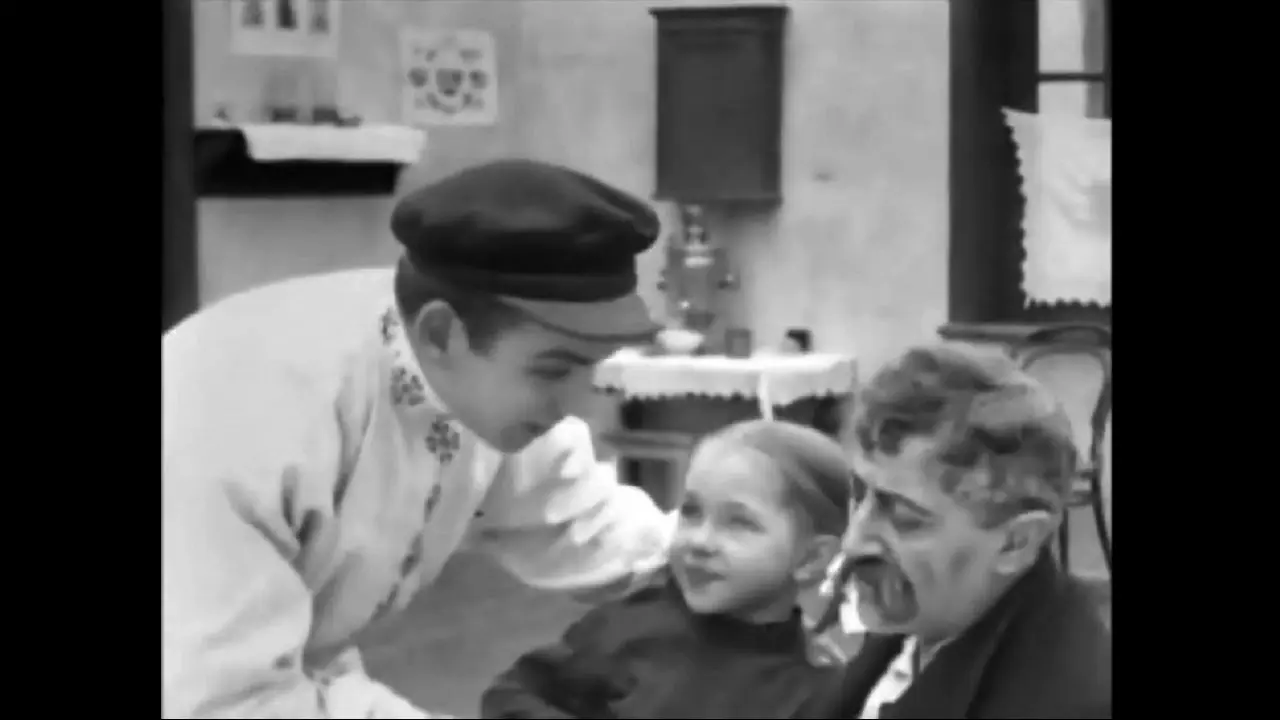
Ultimately, Oko za oko, gaz za gaz is a film that demands to be seen on a big screen, where its visual and auditory elements can truly come alive. It is a testament to the power of cinema to not only entertain but also to provoke thought and inspire discussion. This film is not for everyone, but for those who are willing to engage with it, the rewards are profound.
As the credits roll, one is left with a sense of wonder and a deeper understanding of the complexities of human nature. Oko za oko, gaz za gaz is a film that will stay with you long after the lights come back on. It is a true work of art, a cinematic experience that challenges and enlightens in equal measure.

IMDb 7.4
1930
Community
Log in to comment.