DbcultAccessing Vault...
2.4/10
Senior Film Conservator
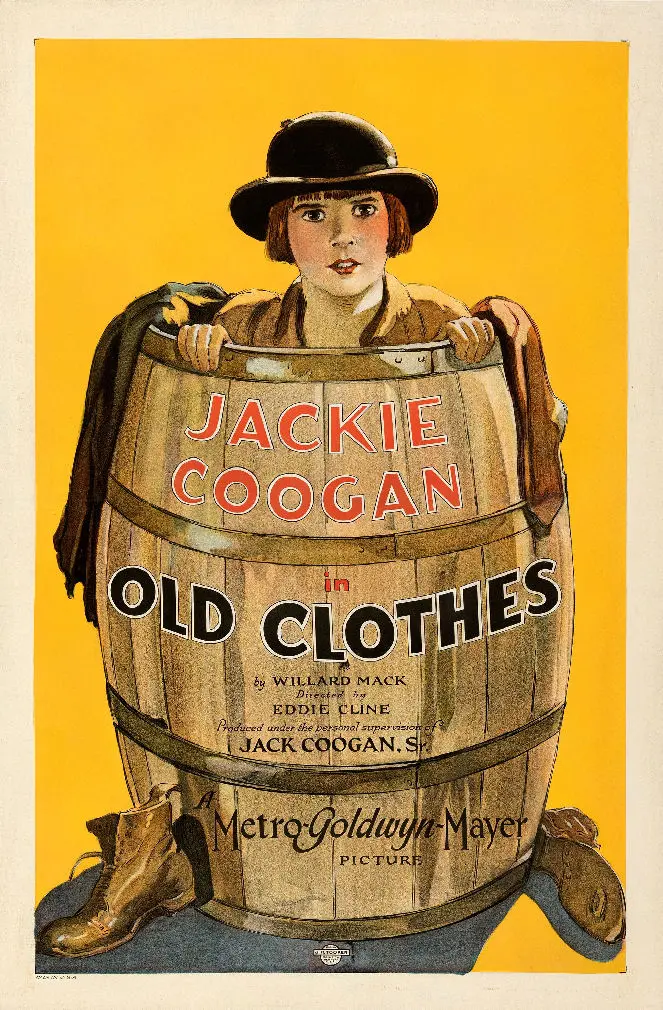
A definitive 2.4/10 rating for a film that redefined the boundaries of cult cinema. Old Clothes remains a cornerstone of transgressive art.
In the rich tapestry of silent cinema, 'Old Clothes' (1923) stands as a fascinating artifact, weaving a complex narrative that probes the intersections of love, class, and financial acumen. Directed by a team of writers including Willard Mack and Robert E. Hopkins, this film presents a multifaceted exploration of human relationships, as entangled and messy as the junk business that serves as the backdrop for the story.
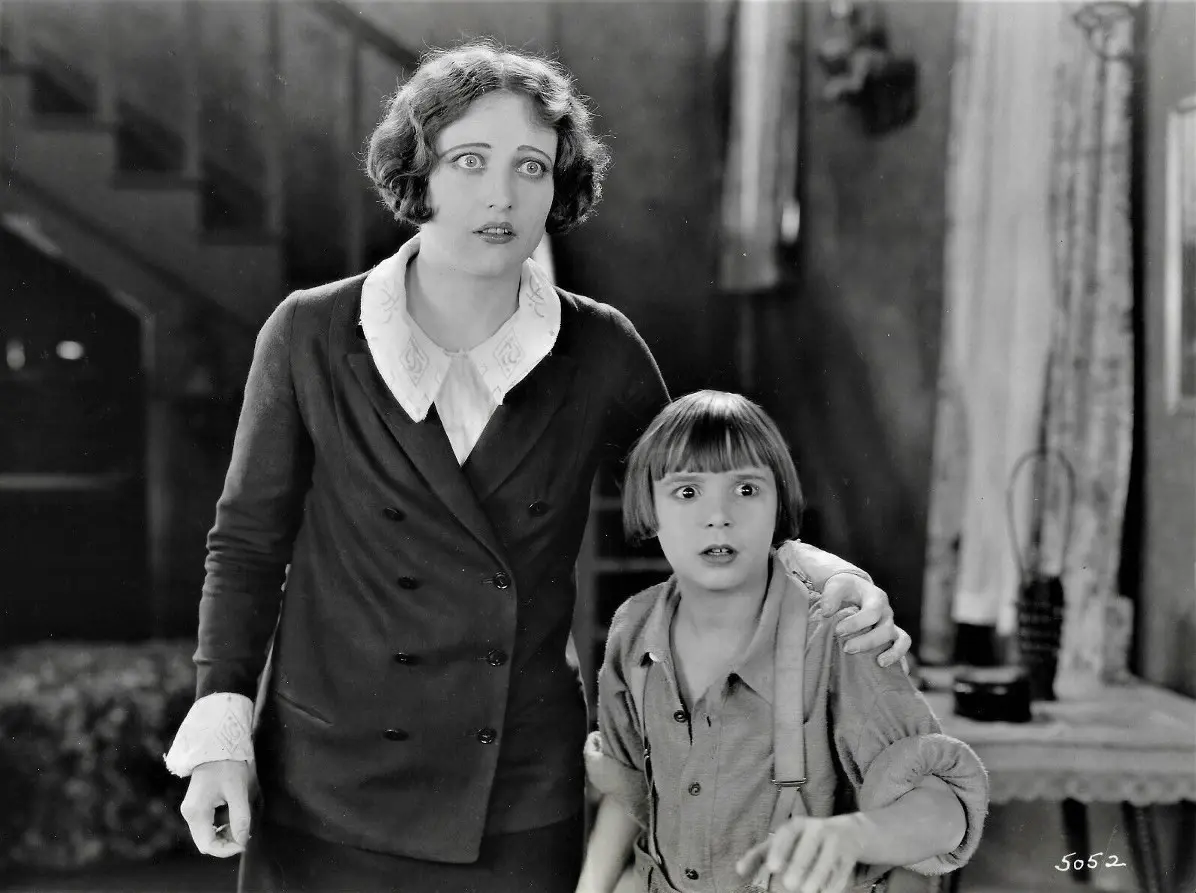
The film centers on Timothy and Max, played by Jim Mason and Max Davidson, unlikely protagonists in the junk trade, who take in a young woman named Mary, portrayed by a remarkably expressive Joan Crawford in one of her early roles. Mary's integration into their lives sets off a chain reaction of events that draws in Nathan, played by Allan Forrest, and his mother, whose disapproving presence looms large over the proceedings.
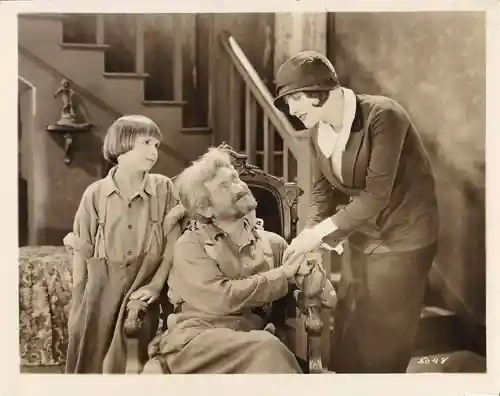
Nathan's financial predicament serves as a catalyst for the plot, as he faces disaster unless he can corner a particular stock. In a stroke of serendipity, Timothy and Max's room, papered with the very stock certificates Nathan needs, becomes the key to his salvation. This unexpected turn of events underscores the interconnectedness of the characters' lives and the capricious nature of fortune.
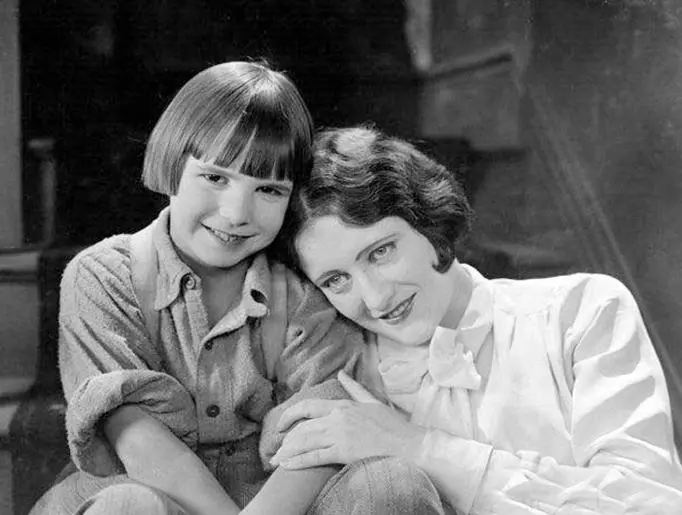
The performances in 'Old Clothes' are noteworthy, with Stanton Heck bringing a certain je ne sais quoi to his role. Dynamite the Horse, an unusual casting choice, adds a unique element to the film. The chemistry between the leads, particularly between Joan Crawford and Allan Forrest, is undeniable, lending an air of authenticity to the romantic subplot.
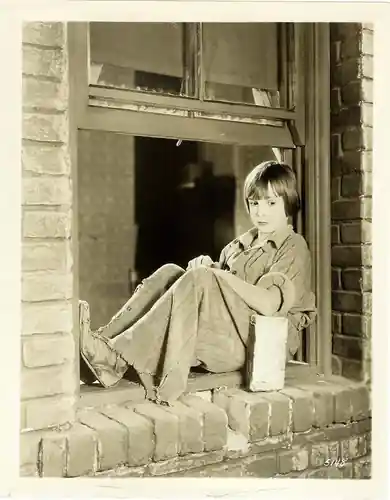
In terms of thematic resonance, 'Old Clothes' invites comparison with other films that explore class and social status, such as The Triumph of Love and The Master Cracksman. The film's nuanced portrayal of characters from different walks of life adds depth to its narrative, subverting expectations and challenging the viewer to consider the fluidity of social boundaries.
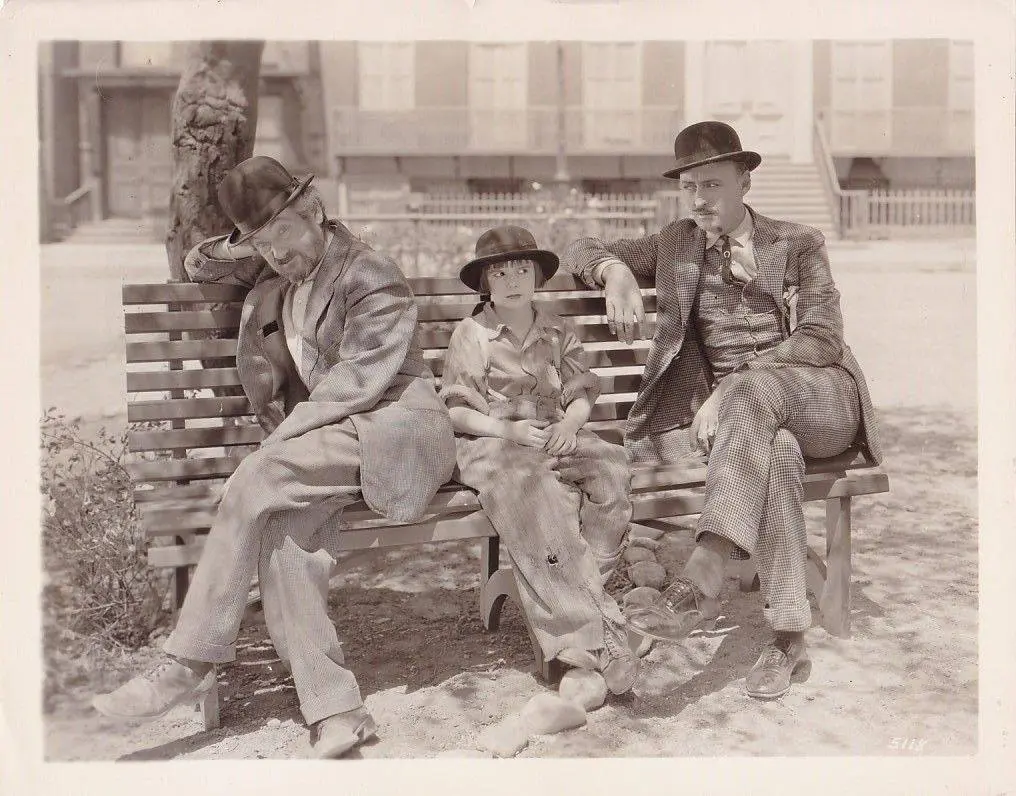
The cinematography and direction in 'Old Clothes' are competent if unremarkable, with a straightforward approach to storytelling that allows the characters and their relationships to take center stage. The film's pacing is well-balanced, moving with a measured urgency that keeps the viewer engaged.
In conclusion, 'Old Clothes' is a hidden gem of silent cinema, offering a compelling exploration of love, class, and financial intrigue. While it may not break new ground in terms of cinematic technique, the film's endearing characters and engaging narrative make it a worthwhile watch for fans of the era. For those interested in further cinematic explorations of similar themes, The Greek Interpreter and Sky-Eye are recommended viewing.
Ultimately, 'Old Clothes' serves as a poignant reminder of the complexities of human relationships and the unpredictable nature of life. As a film critic, I find 'Old Clothes' to be a fascinating study in character dynamics and a testament to the enduring power of silent cinema to captivate and inspire audiences.
IMDb —
1927
Community
Log in to comment.