DbcultAccessing Vault...
Cult Review
Senior Film Conservator
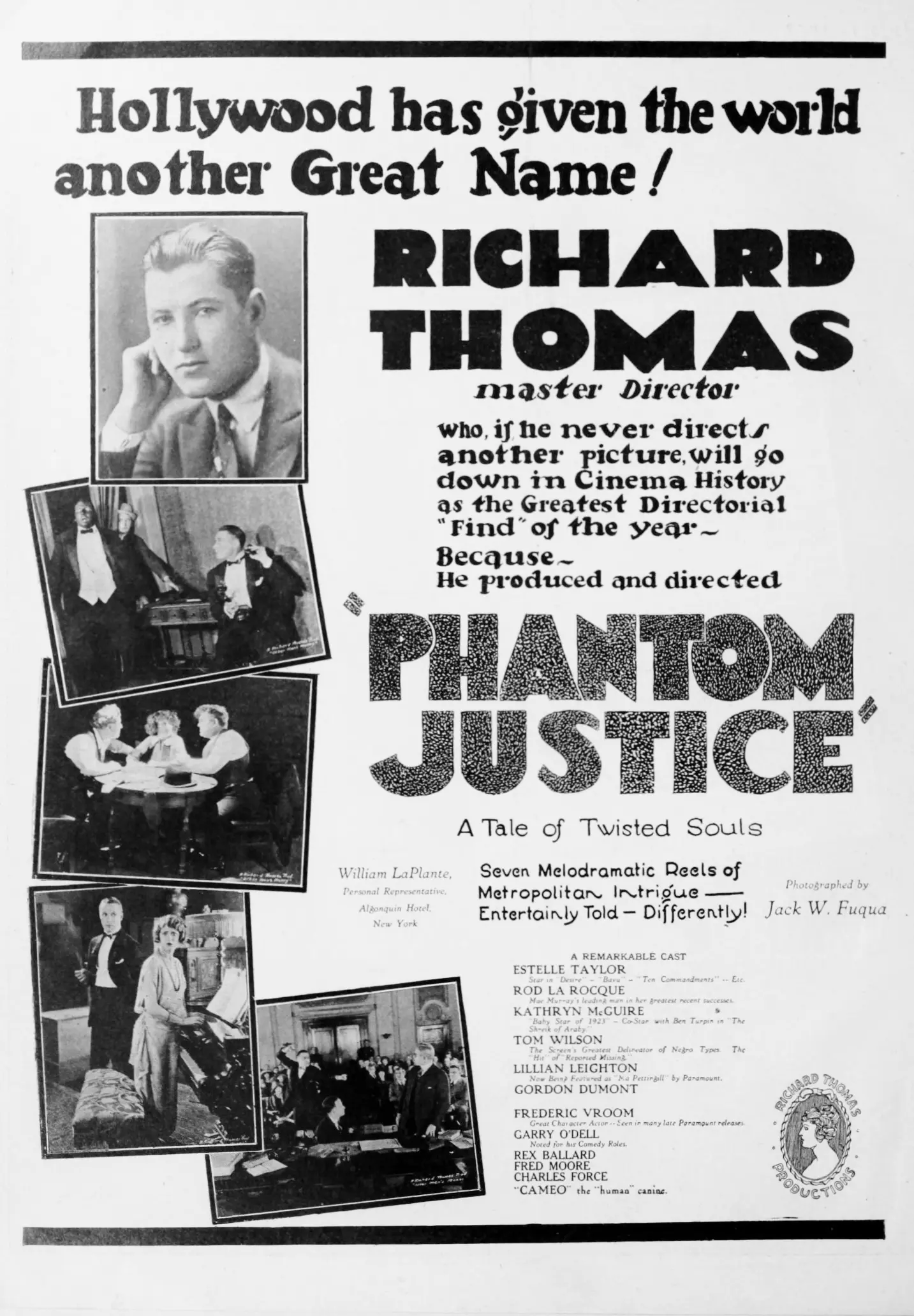
The film opens in a dentist's office, where Kingsley, a seasoned attorney, is engaged in a routine check-up. The atmosphere is mundane until a notorious criminal enters, requesting Kingsley's assistance to defend a young girl named Goldie Harper. The man claims Goldie is accused of a murder, though Kinglsey is unaware of the details. Despite his skepticism, Kingsley agrees to take on the case, and as a result, Goldie is released from custody. The film's narrative then shifts abruptly, presenting a series of unexpected twists.
As the plot unfolds, Kingsley's life becomes intertwined with the mystery surrounding Goldie. The attorney finds himself questioning the very nature of reality and truth, as he realizes that the entire scenario he experienced was a dream. The detective work that follows involves a thorough investigation into the case, leading to the discovery of the victim's body in Kingsley's backyard. This discovery forces Kingsley to confront the harsh reality of the situation and the implications of his actions.
The film's narrative structure is a blend of suspense and psychological intrigue. The dream-like sequence is meticulously crafted, blurring the lines between fiction and reality. Kingsley's character development is central to the film, as he grapples with the moral implications of his actions. His journey from a skeptical attorney to a man questioning the justice system is a poignant exploration of human nature and the quest for truth.
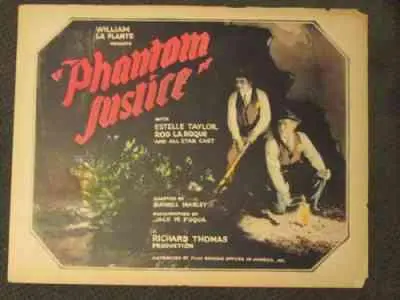
The cinematography is a key element in enhancing the film's atmosphere. The dream sequences are shot with a soft, ethereal quality, creating a sense of unreality that mirrors Kingsley's state of mind. The use of color and lighting is particularly effective in distinguishing the dream world from reality. The sea blue and dark orange hues are employed to evoke a sense of tension and unease, while the yellow tones add a glimmer of hope amidst the chaos.
The performances by the cast are commendable. Norval MacGregor delivers a nuanced portrayal of Kingsley, capturing the character's vulnerability and resolve. The supporting cast, including John George, Rex Ballard, and Charles Force, also bring depth to their roles, contributing to the overall richness of the film's narrative.
The screenplay, penned by Daniel F. Whitcomb and Burnett Manley, is a carefully constructed masterpiece. The dialogue is sharp and engaging, each line adding to the complexity of the story. The script seamlessly weaves together elements of legal drama, psychological thriller, and philosophical inquiry, creating a multi-layered narrative that keeps the audience engaged.
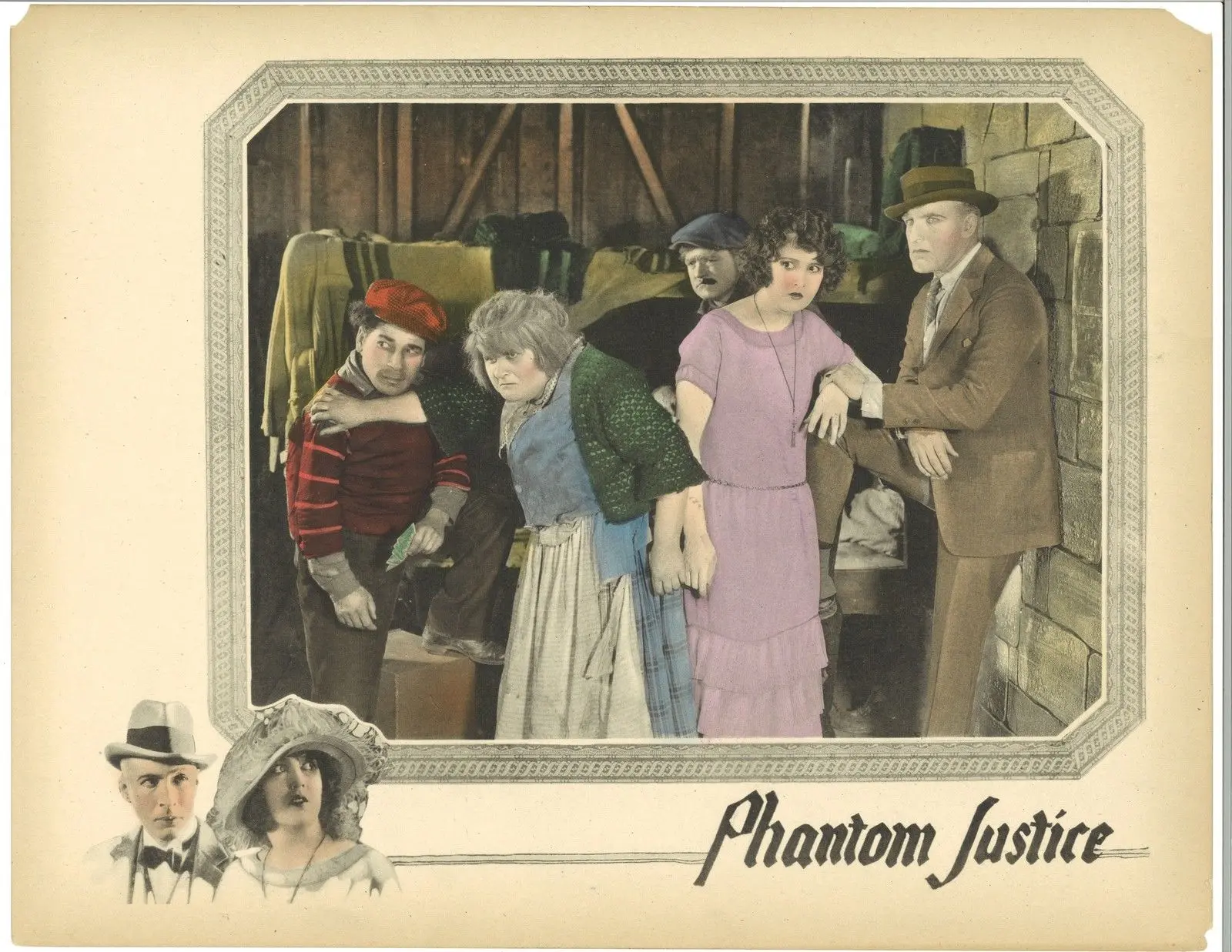
Compared to other films in the genre, 'Phantom Justice' stands out for its unique blend of genres. It shares similarities with 'Reported Missing' and 'Prima Vera' in its exploration of moral ambiguity, but it also draws inspiration from 'The Virtuous Thief' in its use of psychological depth. The film's intricate plot and character development place it in a league of its own, offering a fresh take on the legal drama genre.
The film's score, composed by a talented musician, complements the narrative perfectly. The music shifts between tense and introspective, effectively supporting the emotional journey of the characters. The use of silence in certain scenes adds to the overall impact, creating moments of profound introspection.
One of the film's strengths lies in its exploration of justice and perception. Kingsley's journey is a metaphor for the broader themes of the film: the blurry lines between truth and fiction, the power of perception, and the search for justice in a world where reality is constantly questioned. The film challenges the audience to reflect on their own beliefs and perceptions, making it a thought-provoking watch.
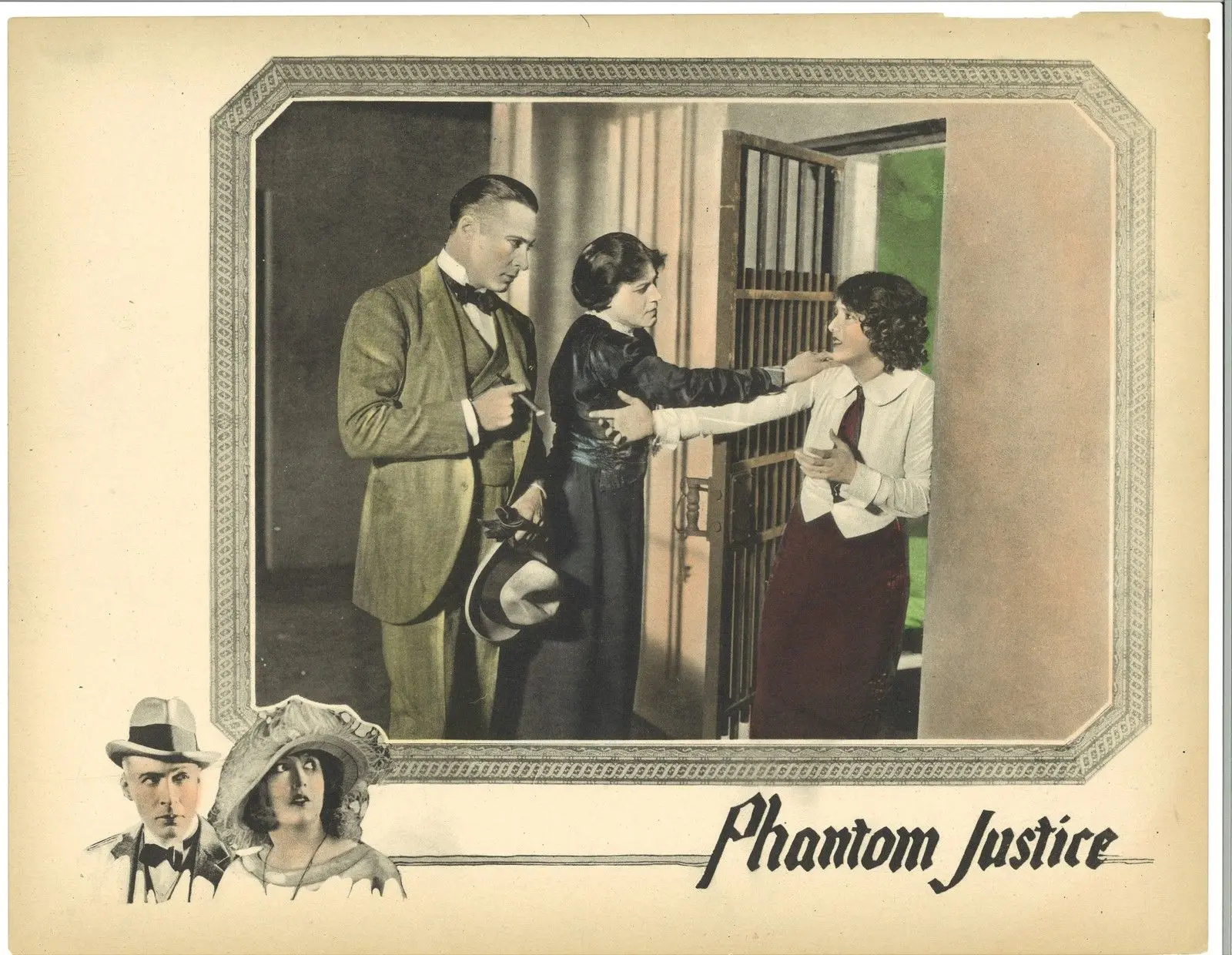
The film's ending is both satisfying and open-ended. It leaves the audience with questions, encouraging them to ponder the nature of reality and the justice system. This ambiguity adds to the film's impact, making it a memorable viewing experience.
Overall, 'Phantom Justice' is a well-crafted film that combines elements of legal drama, psychological thriller, and philosophical inquiry. It is a must-watch for fans of the genre, offering a fresh and thought-provoking take on the themes of justice and perception. The film's intricate narrative, strong performances, and effective use of cinematography and music make it a standout in the realm of psychological thrillers.
For those interested in exploring more films in this genre, 'Phantom Justice' shares thematic and stylistic similarities with 'Reported Missing', 'Prima Vera', 'The Virtuous Thief', 'Le ravin sans fond', 'In Wrong', 'The Oval Diamond', 'The Probation Wife', 'Merchant of Menace', 'Vampire', 'Girlies and Grubbers', 'Stormy Seas', 'The Strength of the Weak', 'Aux jardins de Murcie', 'Pawn of Fate', and 'Udar v spinu'. Each of these films offers a unique perspective on the themes of justice, perception, and morality, making them worth watching alongside 'Phantom Justice'.
IMDb —
1916
Community
Log in to comment.