DbcultAccessing Vault...
4.2/10
Senior Film Conservator
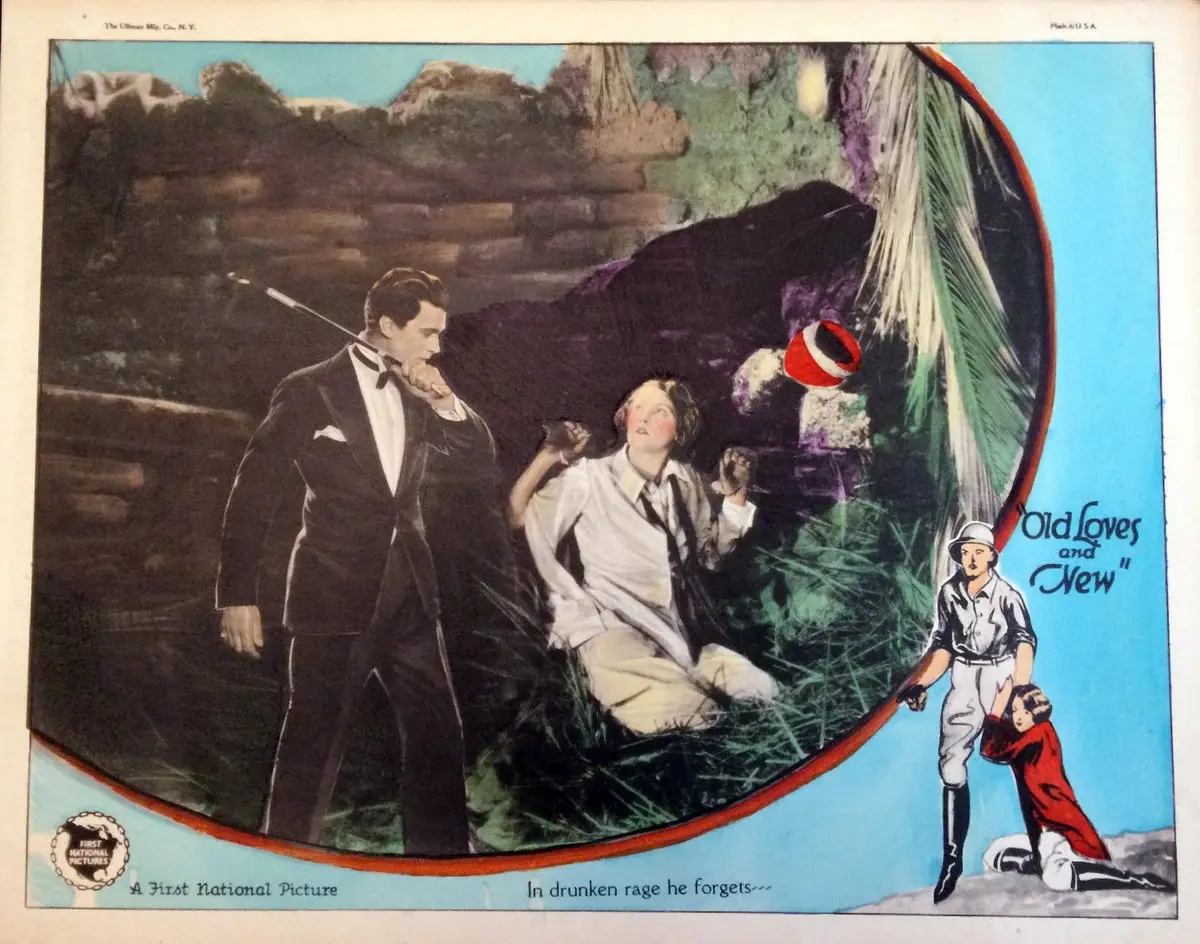
A definitive 4.2/10 rating for a film that redefined the boundaries of cult cinema. Old Loves and New remains a cornerstone of transgressive art.
Is Old Loves and New worth your time today? Short answer: Yes, but only if you possess a genuine appetite for the hyper-dramatic sensibilities of the silent era and can stomach a plot resolution that relies on a disgruntled pachyderm. It is not for those who demand modern realism or subtle character arcs.
This film is specifically for enthusiasts of 1920s 'Desert Romances' and fans of Lewis Stone before he became the patriarchal fixture of the Andy Hardy series. It is absolutely not for viewers who are easily frustrated by the 'damsel in distress' trope or the slow, rhythmic pacing of mid-20s cinematography.
1) This film works because Lewis Stone provides a grounded, weary gravitas that anchors the more absurd elements of the plot, making Carew’s transformation into a desert hermit feel earned rather than theatrical.
2) This film fails because the villainy of Lord Geraldine is so one-dimensional that he ceases to be a character and becomes a mere obstacle to be removed, leading to a climax that feels more like a circus accident than a narrative resolution.
3) You should watch it if you want to see how the author of The Sheik attempted to replicate her success with a more 'noble' protagonist and a significantly weirder ending.
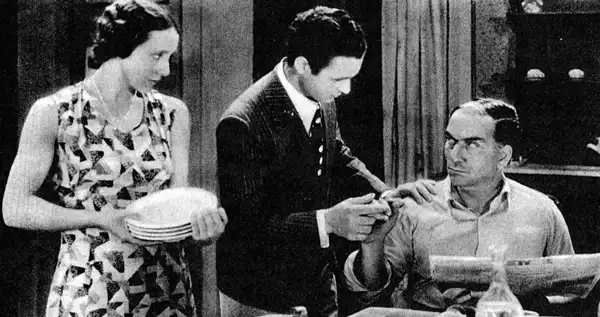
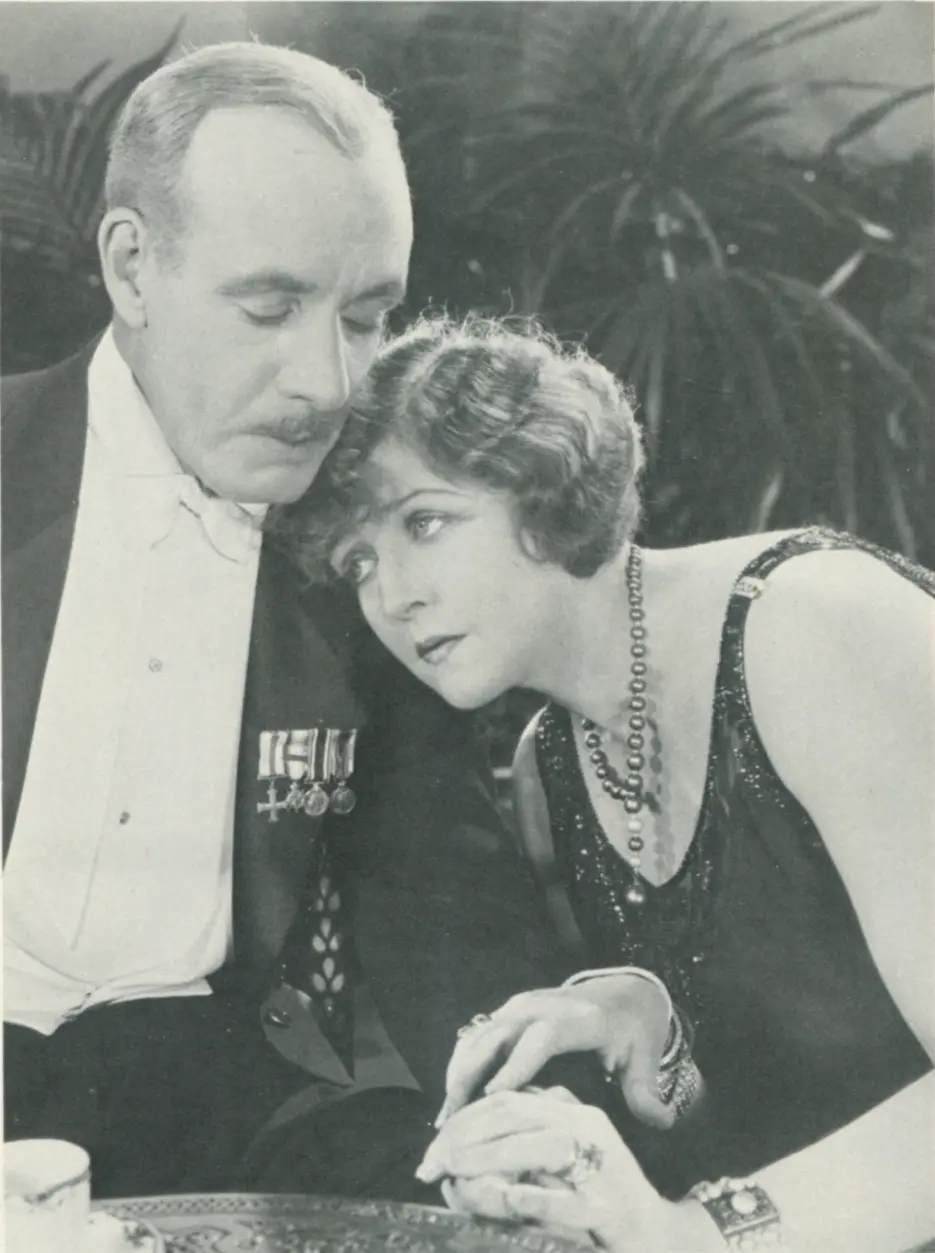
Lewis Stone was never a traditional matinee idol. He had a face that suggested he had seen too much, which makes him the perfect fit for Gervas Carew. In the opening sequences, where we see the fallout of his marriage to Elinor, Stone doesn't play the victim with histrionics. He plays it with a cold, receding silence. It’s a performance that stands in stark contrast to the work seen in The Dream Cheater, where the internal struggle is often broadcast to the back row.
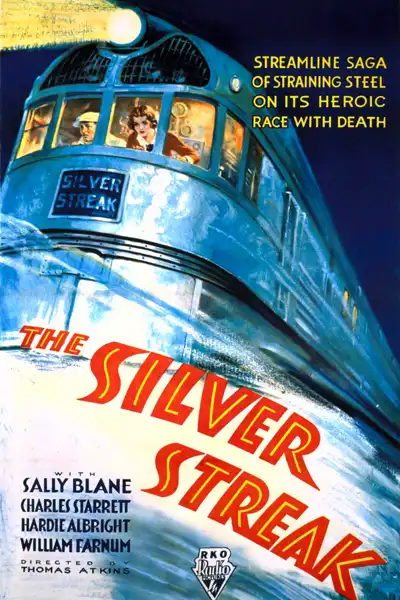
When the action moves to Algiers, the film adopts a visual language of isolation. The cinematography by Chester Lyons uses the vastness of the dunes to emphasize Carew's internal emptiness. There is a specific shot where Carew stands at the edge of his camp, looking out into the nothingness, that perfectly captures the 'Desert Healer' persona. He isn't there to lead; he's there to vanish. This is a much more sophisticated take on the genre than what we saw in The Lone Wagon, which treated the landscape as a mere backdrop for adventure.
If Stone is the anchor, Walter Pidgeon’s Lord Geraldine is the loose cannon. Pidgeon, in an early role, leans heavily into the 'cad' archetype. He is brutal, entitled, and utterly devoid of a redeeming quality. While this makes it easy to root for his demise, it also robs the film of any psychological complexity. In a scene where he is berating Marny (Ann Rork) in their Algiers home, the violence is palpable but the motivation is thin. He is bad because the script requires a monster.
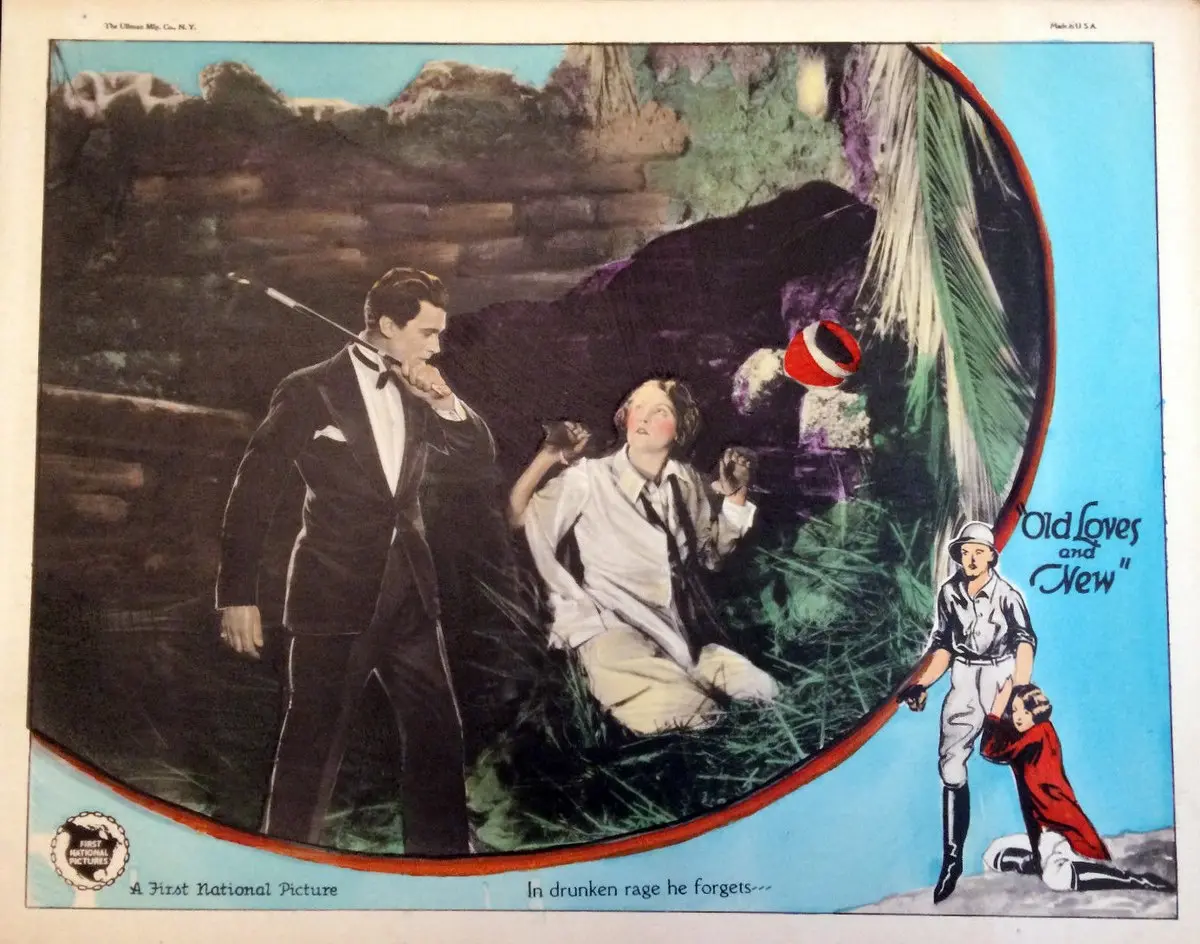
The contrast between the two men is the film’s primary engine. Carew has found peace through service and the harsh discipline of the desert. Geraldine has brought the rot of European aristocracy to a place that has no use for it. It’s a classic morality play, but one that feels slightly dated even by 1926 standards. It lacks the gritty realism found in contemporary films like Just Off Broadway, opting instead for a heightened, almost operatic sense of conflict.
We have to talk about the elephant. In the final act, Lord Geraldine’s demise isn't brought about by Carew’s hand, but by an enraged elephant. It is one of the most bizarre 'Deus ex Machina' moments in silent cinema. Geraldine, in his arrogance, manages to provoke the animal, which then gores him to death. It’s a moment that is both shocking and unintentionally hilarious.
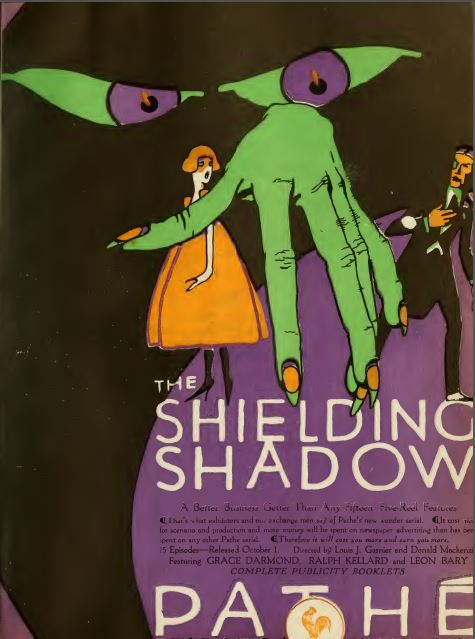
From a critical standpoint, this is a massive cop-out. It robs Carew of his agency. We’ve spent ninety minutes waiting for these two men to settle their scores, only for a zoo animal to do the heavy lifting. It works. But it’s flawed. It feels like the writers, Edith Maude Hull and Marion Fairfax, painted themselves into a corner where they didn't want their 'Healer' to commit a murder, so they outsourced the violence to nature. It’s a decision that would feel right at home in the chaotic energy of The Human Tornado, but here it clashes with the somber tone established in the first half.
Yes, it is worth watching for the historical context alone. This film represents the peak of the 'desert romance' craze sparked by The Sheik. It is a lavish production with high stakes and a cast of heavy hitters. The technical execution is top-tier for 1926, with set designs that feel lived-in and expansive.
However, if you are looking for a story that challenges the tropes of its era, you won't find it here. It reinforces the idea of the East as a playground for Western emotional redemption. It treats its female characters—both Elinor and Marny—as objects to be won, lost, or rescued. If you can view it through a lens of historical curiosity, there is much to admire. If you seek a modern emotional resonance, you might find it lacking.
Old Loves and New is a fascinating, if uneven, relic. It is a film of two halves: a gripping domestic drama and a bizarre desert adventure. While the elephant ending is a point of ridicule, the journey to get there is filled with the kind of earnest, big-budget spectacle that only the silent era could provide. It isn't a masterpiece, but it is a compelling piece of cinematic history that deserves a look from anyone interested in the evolution of the romantic epic. It’s a messy, beautiful, and occasionally stupid film. And that is exactly why it’s worth seeing.

IMDb —
1921
Community
Log in to comment.