DbcultAccessing Vault...
7.1/10
Senior Film Conservator
A definitive 7.1/10 rating for a film that redefined the boundaries of cult cinema. Our Heavenly Bodies remains a cornerstone of transgressive art.
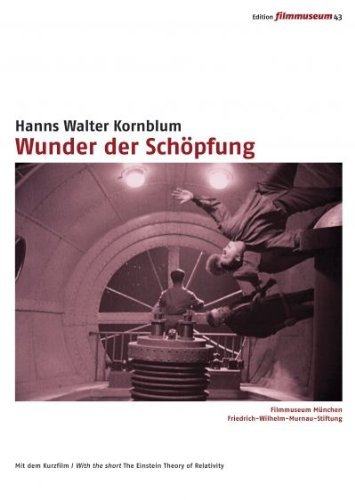
In an age where digital wizardry routinely conjures galaxies at our fingertips, it's profoundly illuminating to cast our gaze back to an earlier cinematic endeavor that dared to demystify the universe. 'Our Heavenly Bodies,' a documentary of profound ambition from the collaborative minds of Hanns Walter Kornblum and Ernst Krieger, stands as a monumental achievement in early scientific filmmaking. It isn't merely a film; it's an educational expedition, a philosophical rumination, and a visual spectacle rolled into one, charting the sprawling landscapes of physics and astronomy with a pioneering spirit. This work, featuring the interpretive talents of Oscar Marion, Walter Reimann,
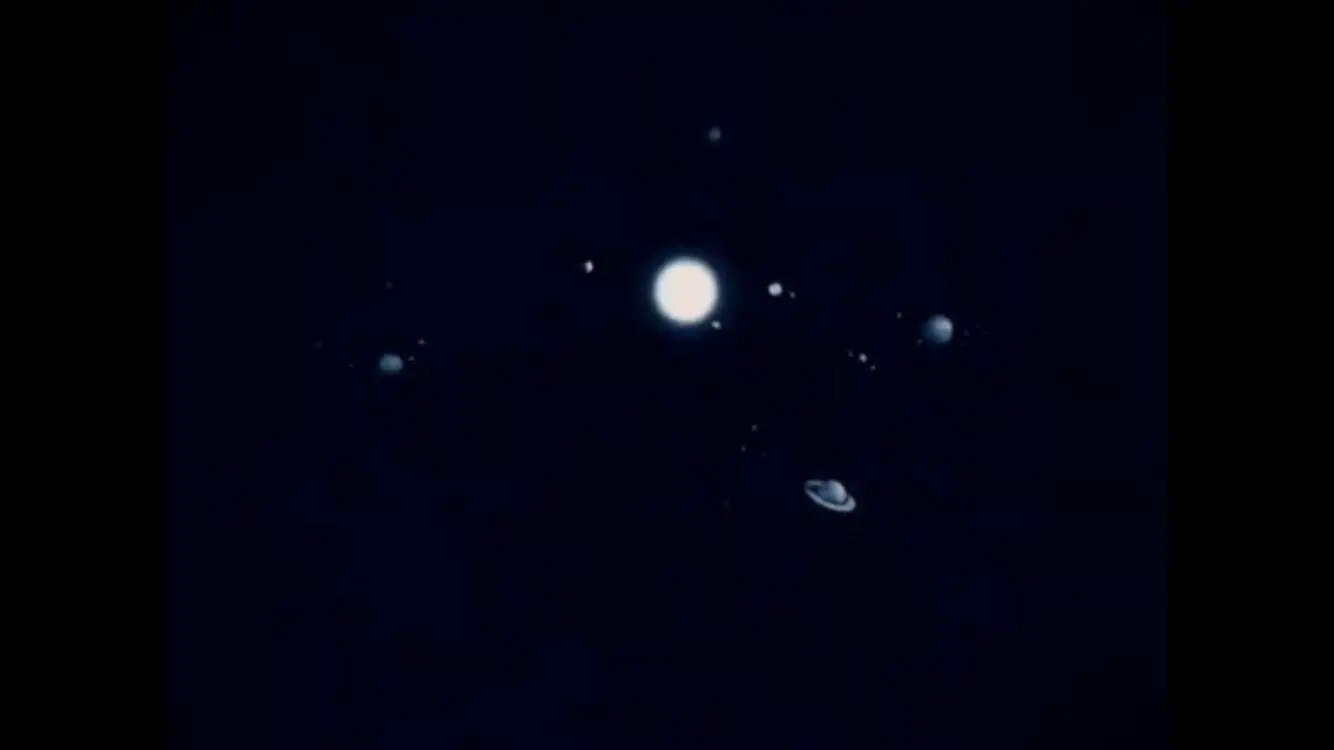
What immediately strikes a contemporary viewer about 'Our Heavenly Bodies' is its unwavering commitment to clarity without sacrificing the inherent wonder of its subject matter. The film takes on the colossal task of explaining foundational principles of physics – gravity, light, motion – and then scales up to the celestial dance of planets, the life cycles of stars, and the grand architecture of galaxies. It’s a journey that begins with the tangible, the observable phenomena of our immediate world, and meticulously expands its scope, inviting the audience to ponder the vastness beyond. The writers, Kornblum and Krieger, demonstrate an exceptional aptitude for translating complex scientific theories into a narrative that feels both authoritative and accessible. They understand that true education lies not just in the dissemination of facts, but in the cultivation of an appreciative understanding, a sense of awe that drives further inquiry. This isn't a dry lecture; it’s an invitation to partake in humanity's greatest intellectual adventure.
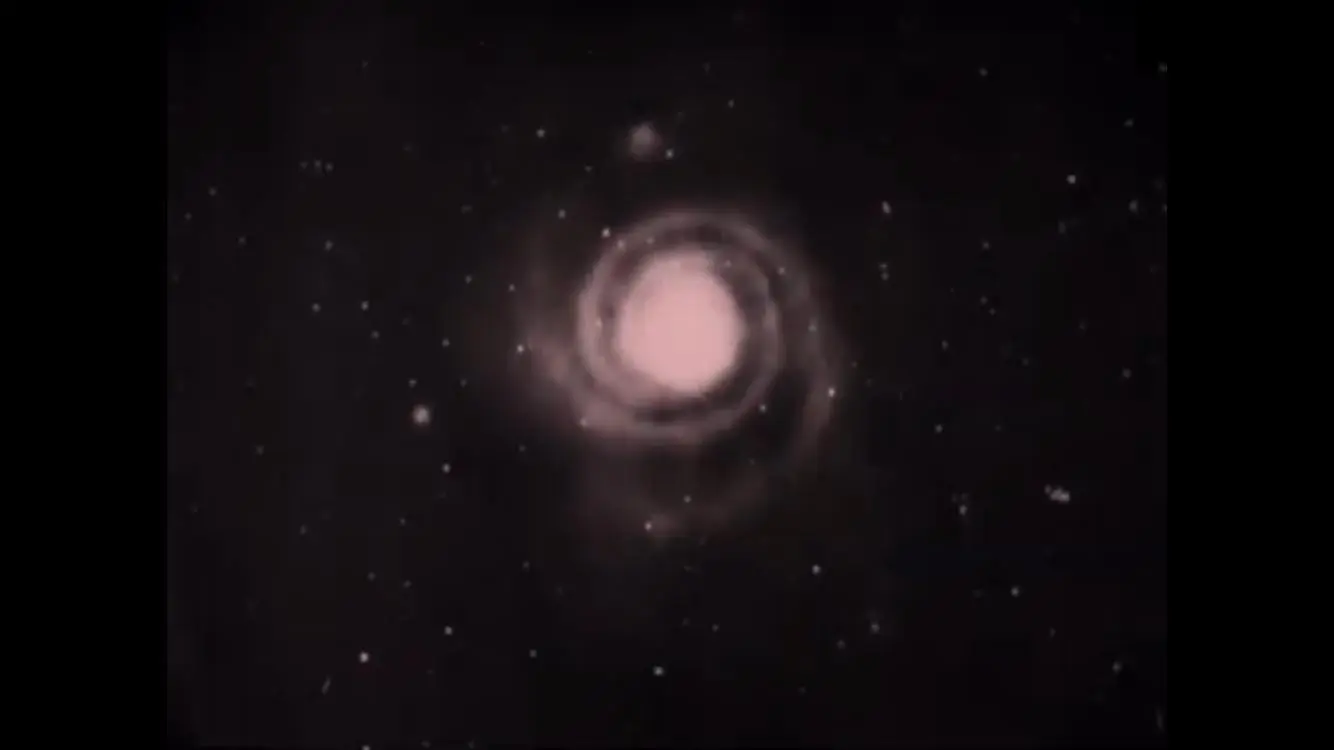
The film's approach to visualization, especially considering the technological constraints of its era, is nothing short of ingenious. While modern documentaries rely on CGI to render black holes and nebulae with photorealistic fidelity, 'Our Heavenly Bodies' employs practical effects, intricate models, and perhaps even some early animation techniques to illustrate concepts that defy everyday experience. Imagine trying to convey the curvature of spacetime or the immense distances between celestial objects without the aid of computers. The ingenuity required to achieve this is remarkable. The 'cast' – likely playing roles as scientists, demonstrators, or figures of contemplation – lend a human scale to the cosmic narrative. Their presence grounds the abstract, providing anchors for the viewer's understanding and emotional connection. Oscar Marion, for instance, might embody the earnest inquirer, while Margarete Schlegel could represent the contemplative observer, each contributing to the film's overall didactic and aesthetic tapestry. It’s through these human elements that the grand, impersonal forces of the universe are made relatable, a testament to the writers' holistic vision for educational cinema.
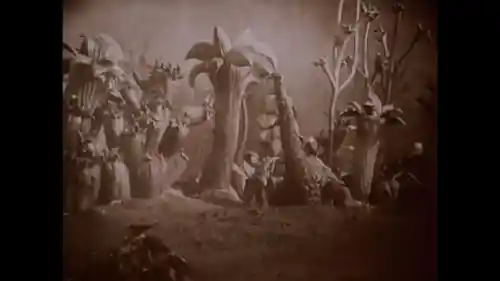
The cinematic language employed in 'Our Heavenly Bodies' is surprisingly sophisticated for its time. Rather than merely presenting static diagrams, the film endeavors to create dynamic visual metaphors. The pacing, though deliberate, allows for the absorption of intricate details, fostering a contemplative rather than frenetic engagement. The use of intertitles, a common feature of silent cinema, is particularly effective here, serving not just as dialogue or narration but as concise, impactful statements that distill complex ideas into digestible nuggets of information. These textual interventions are carefully integrated, guiding the viewer through theoretical landscapes that would otherwise be impenetrable. The interplay between visual demonstration and textual explanation creates a layered learning experience, acknowledging that different audiences absorb information in different ways. This multi-modal approach underscores the film's pedagogical foresight, positioning it as a precursor to modern educational media.
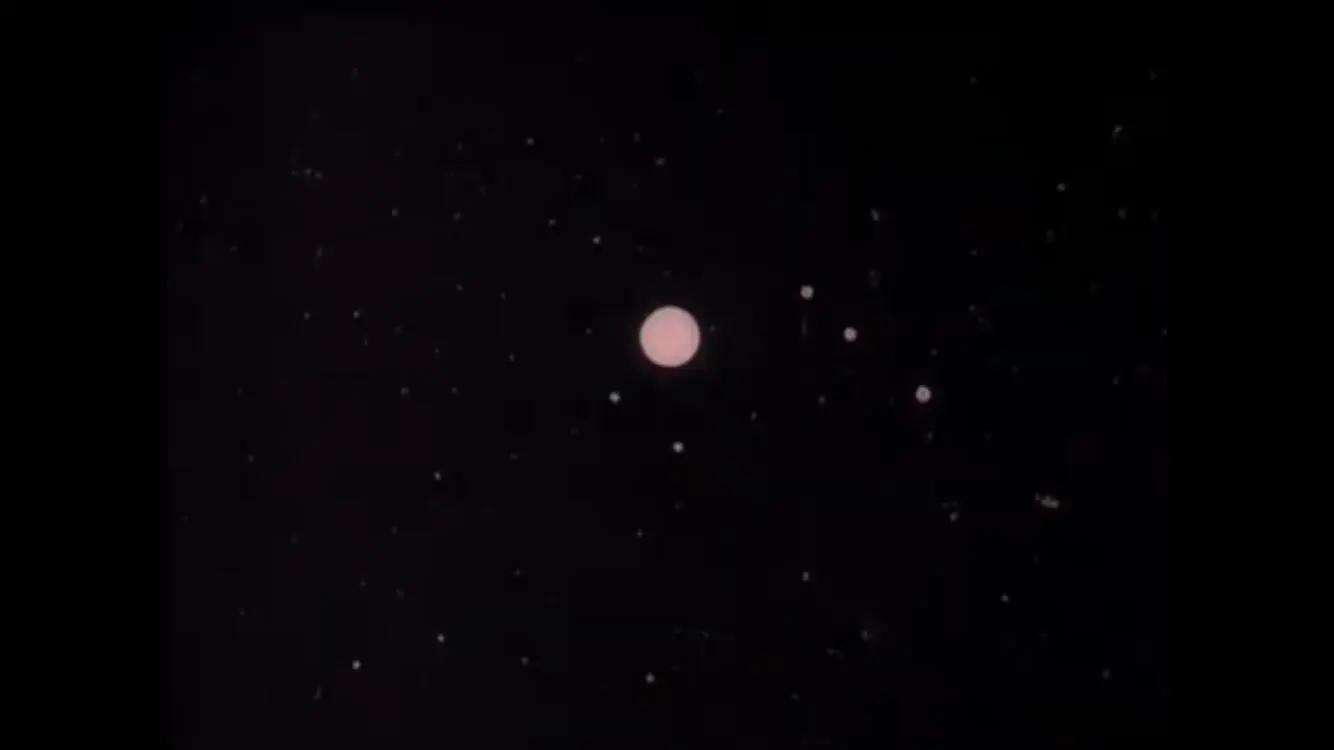
The film's visual design is another area of profound interest. While details about the exact special effects used are scarce, one can infer a reliance on meticulously crafted models, time-lapse photography (if feasible for its era), and perhaps even early forms of animation to depict planetary orbits, stellar evolution, and galactic formations. The challenge was not just to show, but to *illustrate* processes that unfold over eons or at scales unimaginable to the human eye. The success of 'Our Heavenly Bodies' lies in its ability to bridge this imaginative gap, making the abstract concrete and the distant immediate. The choice of imagery, often stark and beautiful, evokes a sense of both the scientific and the sublime. It's a testament to the early filmmakers' understanding that even in a documentary, aesthetics play a crucial role in engaging the audience's intellect and emotions. The performances, if one can call them that in a documentary context, from figures like Walter Reimann and Theodor Loos, are more about embodying the spirit of scientific inquiry and discovery. Their earnest portrayals, whether as lecturers or observers, lend credibility and a sense of shared journey to the cosmic exploration.
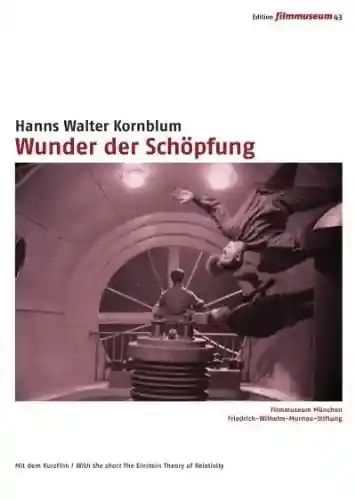
The human element is subtly yet powerfully woven into the fabric of 'Our Heavenly Bodies.' While the stars and atoms are the protagonists, it is humanity's persistent quest for understanding that forms the underlying narrative. The film, through its various 'performers' such as Paul Bildt and Margarete Schön, subtly emphasizes that science is a human endeavor, a collective aspiration to decipher the universe's grandest secrets. These individuals, whether portraying scientists at work or simply curious observers, serve as relatable conduits for the audience, inviting them to participate in the intellectual journey rather than merely observe it passively. The writers, Hanns Walter Kornblum and Ernst Krieger, crafted a script that is not just informative but also deeply contemplative. They understood that engaging with physics and astronomy isn't merely about memorizing formulas or names of constellations; it's about grappling with profound questions of origin, scale, and our place within the cosmic scheme. The film implicitly asks: What does it mean to be a conscious entity observing such immensity?
The philosophical undercurrents are undeniable. 'Our Heavenly Bodies' doesn't shy away from the existential questions that naturally arise when contemplating the vastness of space and time. It touches upon the ephemeral nature of human existence against the backdrop of cosmic eternities, yet it does so with a sense of wonder rather than nihilism. This balance is crucial; it elevates the film beyond a mere educational tool into a work that inspires profound thought. The 'performances' by individuals like Willy Kaiser-Heyl, even if demonstrative, contribute to this contemplative atmosphere, portraying the focused intensity of scientific thought and the quiet reverence for the universe's mysteries. The film, in its essence, is a celebration of the human intellect's capacity to reach beyond the terrestrial, to theorize, observe, and ultimately, to comprehend the celestial mechanics that govern all. It’s a testament to the power of cinema to not only entertain but to enlighten and inspire a profound appreciation for the natural world and the scientific method.
The enduring legacy of 'Our Heavenly Bodies' is multifaceted. As an early proponent of scientific documentary filmmaking, it established a template for how complex subjects could be presented engagingly to a mass audience. It paved the way for future generations of science communicators and filmmakers, demonstrating that intellectual rigor and cinematic artistry are not mutually exclusive. Its influence can be seen in countless subsequent efforts to popularize science, from television series to planetarium shows. The film's commitment to visual explanation, its careful narrative structuring, and its philosophical depth set a high bar for the genre. Even today, stripped of modern technological gloss, its core message and its innovative techniques remain compelling. It reminds us that the fundamental questions about the universe remain largely unchanged, and the human drive to answer them is eternal. The film serves as a powerful historical document, illustrating not only the scientific understanding of its time but also the prevailing cultural fascination with cosmic exploration.
In a broader context, 'Our Heavenly Bodies' can be viewed as part of a grand tradition of human storytelling that seeks to explain the world around us. While it doesn't share narrative similarities with, say, the dramatic tension of The Great Gamble or the character-driven intrigue of Malombra, it shares with these films a fundamental human desire to make sense of existence, albeit through a scientific lens rather than a fictional one. Its relevance persists because the wonders it explores are timeless. The laws of physics, the motions of the planets, the sheer scale of the cosmos – these are constants that continue to captivate and challenge our understanding. The film, therefore, is not just a historical curiosity but a living testament to the power of cinema as a vehicle for profound enlightenment.
To experience 'Our Heavenly Bodies' today is to embark on a journey through both scientific history and the history of cinema. It is a reminder of the foundational brilliance that underpinned early filmmaking and the immense potential of the medium to educate and inspire. The film, crafted by Hanns Walter Kornblum and Ernst Krieger, with its earnest portrayals by figures such as Oscar Marion and Margarete Schön, remains a compelling and vital piece of work. It’s a compelling argument for the enduring power of documentary film to broaden horizons, stimulate intellect, and evoke a sense of profound wonder at the universe we inhabit. It stands as a beacon, illuminating the path for all who seek to understand the intricate, beautiful, and sometimes terrifying truths of our cosmic home. A must-see for anyone interested in the intersection of science, art, and the boundless human spirit.

IMDb —
1920
Community
Log in to comment.