DbcultAccessing Vault...
5.4/10
Senior Film Conservator

A definitive 5.4/10 rating for a film that redefined the boundaries of cult cinema. Unknown 274 remains a cornerstone of transgressive art.
There are cinematic experiences that, despite the passage of a century, retain an astonishing potency, their narratives resonating with timeless human struggles. Such is the case with 'Unknown 274', a silent film that masterfully weaves a tapestry of hardship, resilience, and the almost mystical power of an object to bridge vast chasms of separation. Released in an era brimming with melodramatic flourishes, this picture distinguishes itself not merely through its dramatic conceit but through its nuanced portrayal of a young woman's arduous journey from an anonymous orphan to a woman of agency, guided by the steadfast comfort of a solitary violin.
The film commences with an event that sets in motion a tragic domino effect: the arrest of a foreign man on American soil, accused of evading military service in his homeland. This initial injustice, a bureaucratic entanglement that feels both arbitrary and devastating, immediately establishes a tone of vulnerability and the crushing weight of external forces upon individual lives. The consequences are immediate and brutal for his daughter, who, through no fault of her own, is stripped of her identity and assigned the cold, dehumanizing moniker of "No. 274" within the confines of an orphanage. This numeral, devoid of personal warmth or recognition, becomes a chilling symbol of her dispossession, a stark reflection of how societal systems can reduce individuals to mere statistics. It brings to mind the pervasive sense of anonymity and helplessness often depicted in films like Balletdanserinden, where young lives are often at the mercy of larger, indifferent institutions.

Her ordeal, however, does not end within the orphanage's walls. A subsequent adoption, initially appearing as a beacon of hope, reveals itself to be a calculated and crueler form of exploitation. Her new guardians, far from offering a loving home, harbor a sinister agenda: to sell her into 'matrimonial slavery.' This chilling phrase, redolent of the era's often-brutal realities for women without means or protection, paints a vivid picture of the social injustices that permeated society. It's a theme that echoes in the powerful narratives of female struggle found in films such as The Marked Woman and The Goddess, where women navigate oppressive systems with varying degrees of success and defiance. The film deftly uses the silent medium to convey the profound terror and resignation such a fate would inspire, relying on the expressive performances of the cast, particularly Florence Ashbrooke, to communicate the character's inner turmoil.
Yet, even in the shadow of such a grim prospect, the narrative of 'Unknown 274' takes an unexpected turn, highlighting the protagonist's inherent charm and indomitable spirit. Despite the machinations of her adoptive parents, she manages to capture the genuine affection of a wealthy young man. This unexpected romance, blooming amidst the thorns of adversity, serves as a powerful counterpoint to the film's earlier bleakness. It speaks to the idea that true connection can transcend class barriers and pre-ordained destinies, a popular trope in silent cinema but handled here with a refreshing sincerity. The young man's decision to marry her, defying the societal expectations and perhaps even the objections of his own family, is a pivotal moment of agency and hope, rescuing her from a life of forced servitude and offering a glimpse of genuine happiness. This shift in fortune, while dramatic, feels earned through the character's inherent goodness and resilience, rather than simply a convenient plot device. The portrayal of burgeoning love against a backdrop of societal constraint often finds parallels in films like The Flirt or The Battle of the Sexes, though 'Unknown 274' imbues its romance with a deeper sense of rescue and consequence.
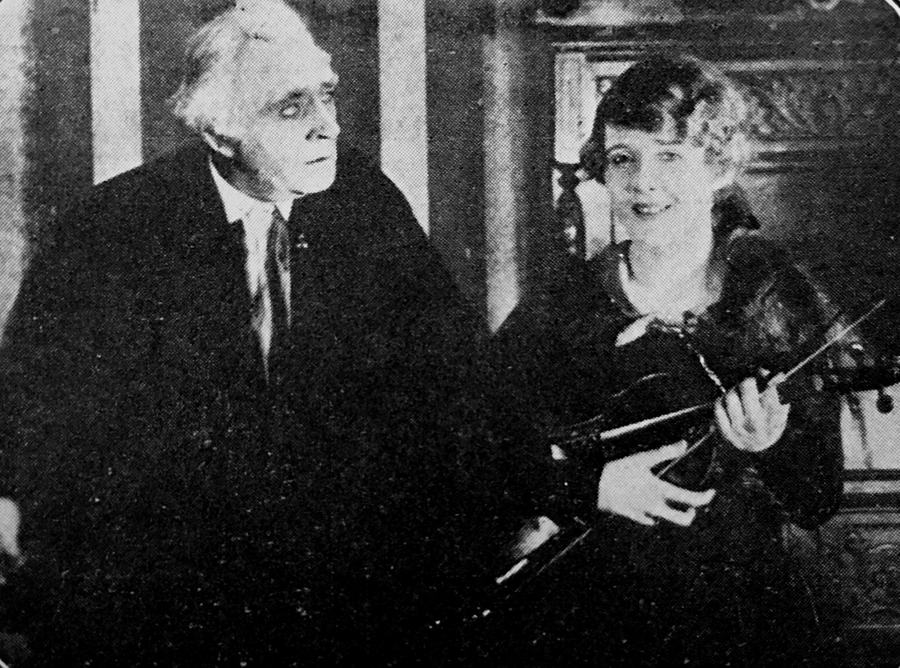
The true heart of the film, and its most poignant symbol, is the violin. Throughout her myriad misadventures—from the orphanage's cold embrace to the brink of a forced marriage and into her newfound love—the young woman clings to this instrument. It is more than just a musical device; it is a tangible link to her past, a repository of memories, and perhaps, a silent promise of reunion. The film builds towards a deeply emotional climax where the very act of playing this violin becomes the catalyst for her long-awaited reunion with her father. This is a masterful stroke of narrative design, elevating the instrument from a mere prop to a central character, an almost magical entity capable of mending broken familial bonds. The power of music to evoke memory and connection is a universal theme, here utilized with striking effectiveness in the silent era, where gestures, expressions, and symbolic objects carried immense weight.
The performances in 'Unknown 274' are, as expected for the period, broad yet deeply expressive. June Caprice, in the role of the daughter, conveys a remarkable range of emotion, from the wide-eyed innocence of her early years to the quiet determination of her young adulthood. Her ability to communicate vulnerability and strength without uttering a single word is a testament to the artistry of silent film acting. Florence Ashbrooke, Richard Neill, and Alex Shannon provide solid support, each contributing to the rich tapestry of characters that populate this dramatic world. The writers, George Scarborough and Adrian Johnson, crafted a story that, while adhering to certain melodramatic conventions of the time, injects enough genuine pathos and unexpected turns to keep the audience thoroughly engaged. The narrative unfolds with a keen sense of pace, balancing moments of despair with glimmers of hope, culminating in a resolution that feels both earned and deeply satisfying.
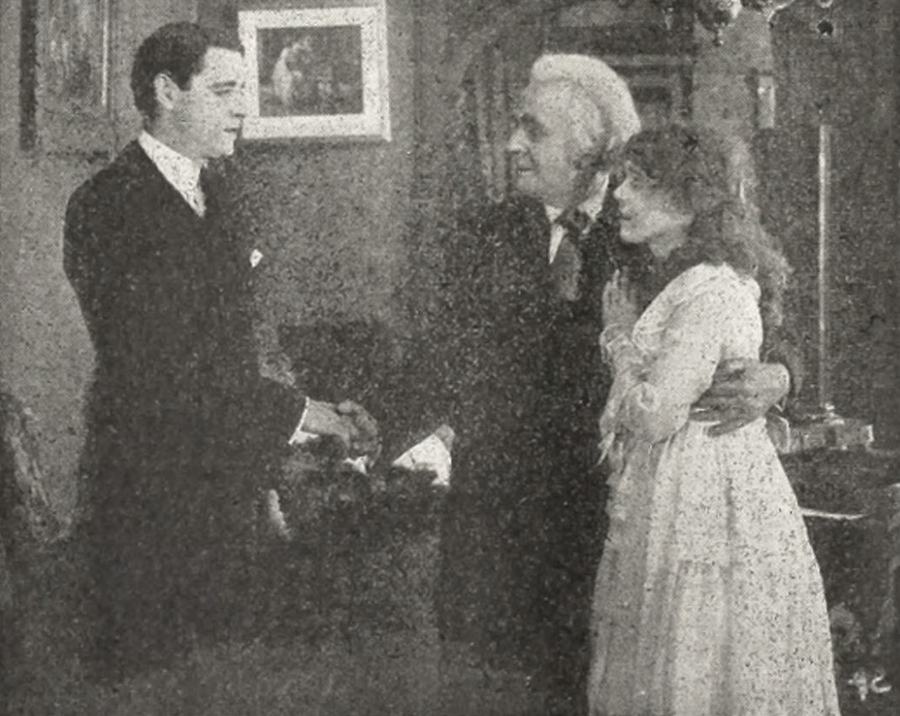
At its core, 'Unknown 274' grapples with profound themes. The arbitrary nature of the father's arrest and its far-reaching consequences highlight the fragility of justice and the often-unseen ripple effects of bureaucratic decisions. The daughter's journey is a testament to human resilience, her unwavering spirit in the face of relentless adversity. Her story is one of identity lost and then painstakingly reclaimed, not through external validation but through an inner strength nurtured by a cherished connection to her past. This struggle for identity and justice finds resonance in other silent era dramas exploring similar societal critiques, such as The Code of Marcia Gray, which also delves into the complexities of legal and personal battles. The film subtly critiques the social structures that allow for such exploitation, from the impersonal nature of orphanages to the predatory practices of those who would profit from human vulnerability.
The visual storytelling, a hallmark of silent cinema, is particularly effective here. The cinematography, while perhaps not as grand in scale as some of The Napoleonic Epics, focuses on intimate character moments and emotional landscapes. Close-ups of faces, particularly during moments of despair or revelation, draw the viewer into the characters' inner worlds. The use of light and shadow, typical of the period, enhances the dramatic tension, casting a pall over moments of danger and illuminating scenes of joy. The physical comedy provided by Dan Mason and Kittens Reichert, while perhaps a slight tonal shift, offers brief, welcome respites from the pervasive drama, demonstrating the era's common practice of blending genres within a single feature. These lighter touches, carefully interspersed, prevent the narrative from becoming overly somber, providing a necessary emotional ebb and flow.
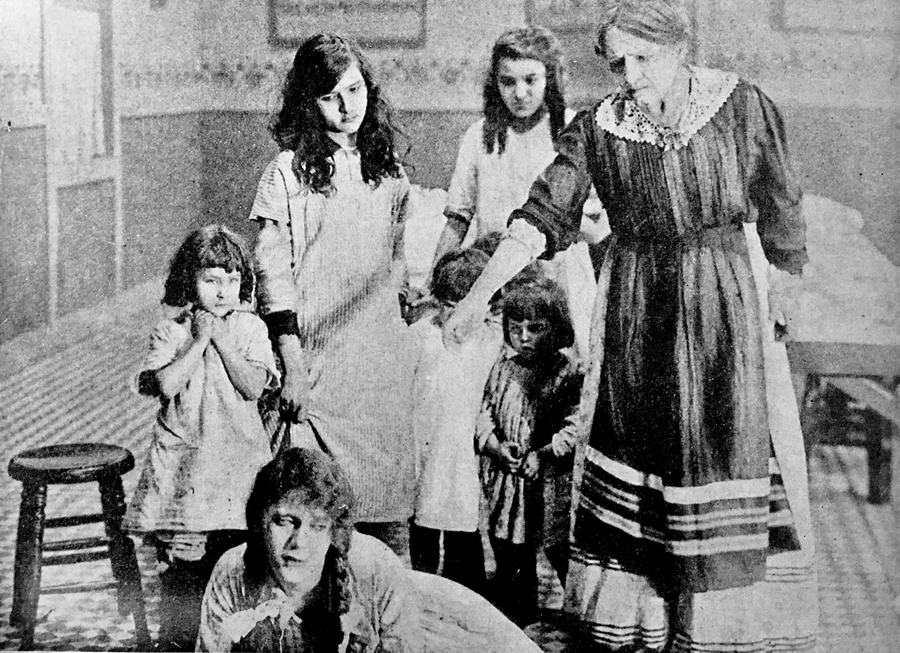
What ultimately elevates 'Unknown 274' beyond a mere historical curiosity is its profound emotional resonance. The story of a child separated from a parent, navigating a treacherous world armed only with a symbol of their connection, is a narrative archetype that transcends cultural boundaries and temporal limitations. The violin, in this context, becomes a powerful metaphor for hope, for memory, and for the enduring human need for belonging. Its role in the reunion is not just a convenient plot device but a deeply symbolic act, suggesting that even the most fragmented lives can be made whole through the echoes of the past and the unwavering power of love.
Compared to other films of its time, such as Vanity or The Incomparable Mistress Bellairs, which often explored societal conventions and romantic entanglements, 'Unknown 274' offers a more grounded, albeit still heightened, exploration of personal struggle against systemic forces. It shares a thematic kinship with films like The Final Judgment or Il fornaretto di Venezia, where individual fates are often dictated by larger, almost cosmic, forces, but manages to infuse its melodrama with a sense of intimate character development. The film’s exploration of duty, family, and the unforeseen consequences of political decisions also finds a subtle echo in films like If My Country Should Call, though the focus here is on the innocent fallout rather than the direct call to arms.
In conclusion, 'Unknown 274' stands as a testament to the enduring power of silent cinema to tell deeply human stories. Its narrative, while rooted in the specific social anxieties and conventions of its era, transcends these particulars to speak to universal themes of injustice, perseverance, and the redemptive power of love and familial bonds. The film’s ability to evoke such strong emotions through visual storytelling, compelling performances, and a powerful central symbol ensures its place as a compelling and resonant piece of cinematic history. It reminds us that even when stripped of identity and cast into the unknown, the human spirit, armed with a cherished memory or an enduring talent, can find its way back home.

IMDb 6.4
1927
Community
Log in to comment.