DbcultAccessing Vault...
6.4/10
Senior Film Conservator
A definitive 6.4/10 rating for a film that redefined the boundaries of cult cinema. Old San Francisco remains a cornerstone of transgressive art.
Is Old San Francisco worth watching today? Short answer: yes, but with significant caveats. This silent-era drama offers a fascinating glimpse into early Hollywood's narrative ambitions and social commentary, making it a valuable historical artifact for those willing to engage with its particular rhythms.
However, its pacing and melodramatic conventions will certainly test the patience of contemporary viewers accustomed to faster cuts and nuanced character arcs. This film is an absolute must for silent film enthusiasts, film historians, and anyone curious about the foundational narratives of American cinema. It is decidedly not for those seeking modern pacing, subtle storytelling, or a casual viewing experience without an appreciation for the era's unique cinematic language.
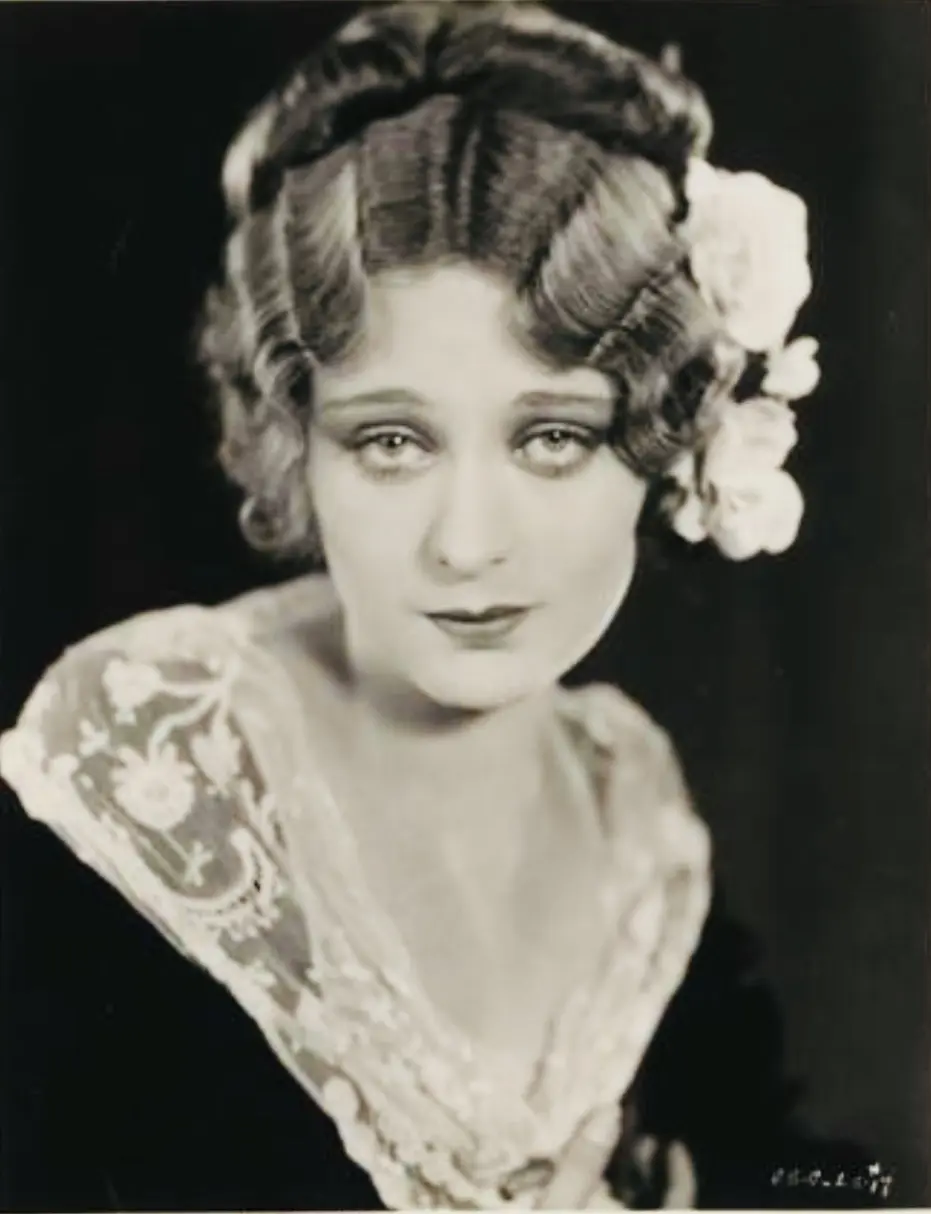
This film works because its central conflict, the ruthless pursuit of property and power, remains chillingly relevant, offering a timeless critique of unchecked greed that transcends its silent origins.
This film fails because its reliance on broad character archetypes and a somewhat predictable moral framework can feel simplistic to a modern audience, occasionally sacrificing depth for immediate dramatic impact.
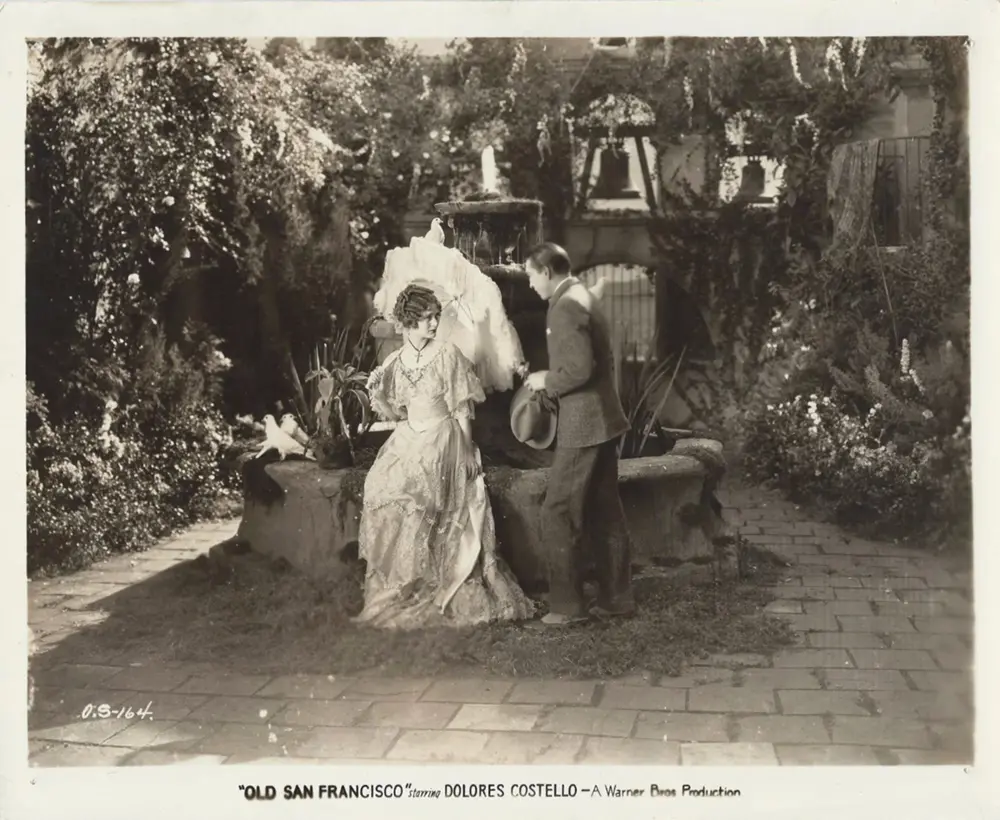
You should watch it if you appreciate the artistry of silent cinema, are fascinated by historical portrayals of urban development and social injustice, or want to see early, foundational performances from pivotal figures like Anna May Wong.
Old San Francisco, as its title suggests, is as much a character study of a burgeoning metropolis as it is a narrative of personal struggle. The film immerses us in a San Francisco on the cusp of seismic change, where the cobblestone charm of old-world legacy collides violently with the relentless, often brutal, march of progress. At its core, the story follows a venerable Spanish family, custodians of ancestral lands and traditions, caught in the crosshairs of a singularly villainous landowner.
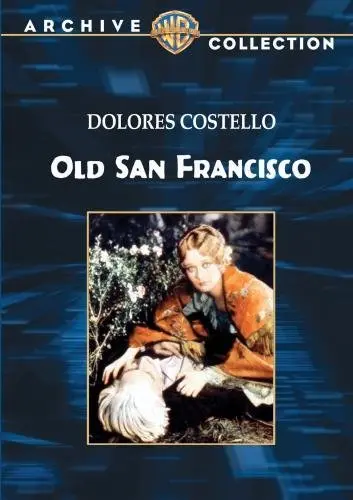
This antagonist, a figure of almost cartoonish malevolence, is not merely driven by profit; he embodies an insatiable hunger for control, leveraging his deep-seated underworld connections to systematically dispossess the family. The narrative unfolds as a desperate chess match, where legal maneuvers are as much a weapon as outright intimidation, painting a stark picture of vulnerability against overwhelming power.
The tone is, predictably for the era, melodramatic, yet it carries an undercurrent of genuine social commentary. It’s a story of heritage under siege, a lament for vanishing traditions in the face of rampant, unfeeling capitalism. The film doesn't just show us conflict; it forces us to consider what is lost when a city, in its haste to modernize, tears down its own foundations, both architectural and moral.
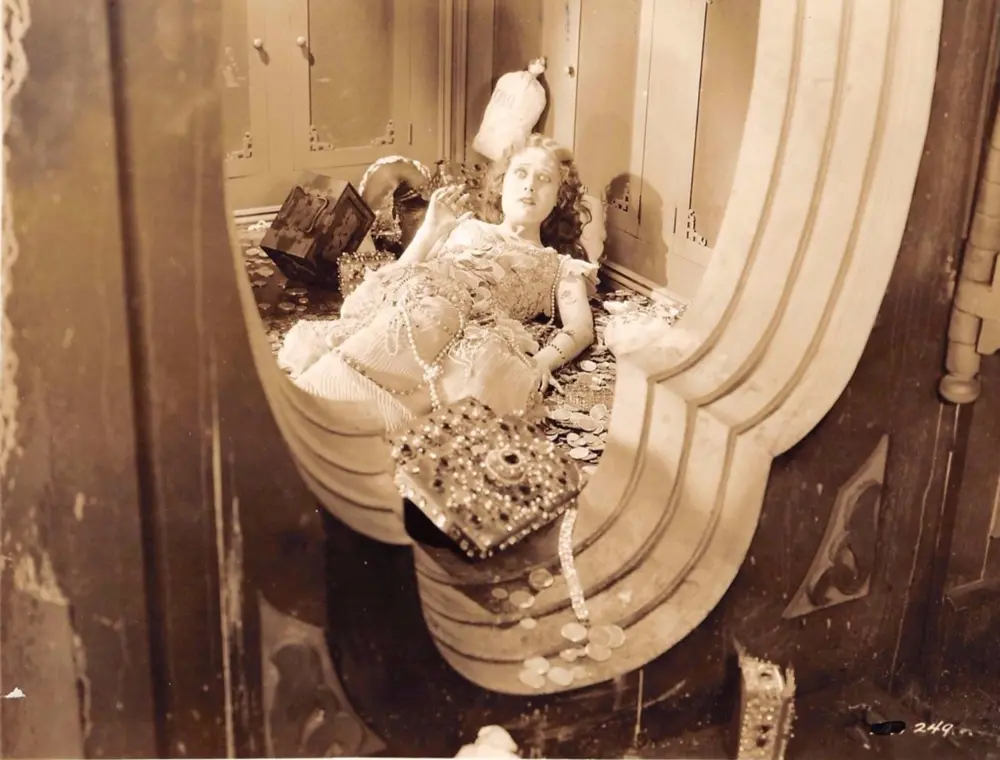
Silent film acting often gets a bad rap for its perceived over-the-top nature, but in Old San Francisco, many of the performances transcend mere gesticulation to convey genuine emotional depth. Rose Dione, as the matriarch of the beleaguered Spanish family, anchors the film with a quiet dignity. Her portrayal is a masterclass in stoicism, her eyes often conveying more despair and resolve than any intertitle could articulate. You feel her character’s ancient lineage and the weight of her family’s history simply in the way she carries herself.
In stark contrast, Walter McGrail delivers a performance as the villainous landowner that is unapologetically theatrical. He swaggers, sneers, and looms with an almost vampiric menace. While some modern viewers might find it excessive, it is precisely this lack of subtlety that makes his character so effectively detestable within the context of silent cinema. Every villainous glance and clenched fist serves to underscore the existential threat he poses, making him a truly formidable force.
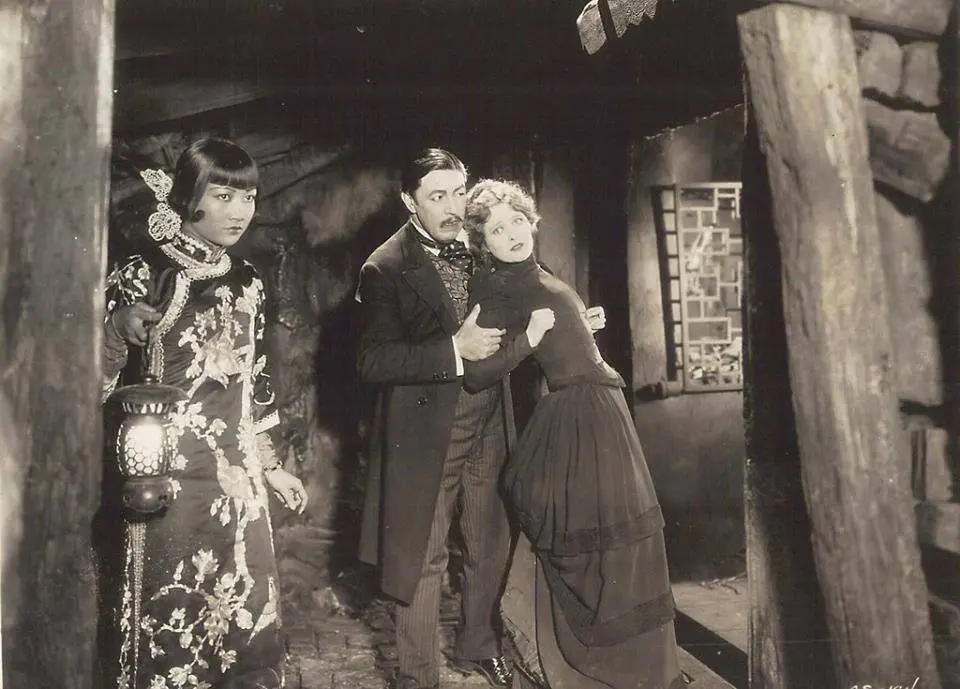
The presence of Anna May Wong, even in a role that, by today's standards, feels regrettably underutilized, is a significant highlight. Her screen presence is undeniable, radiating a captivating blend of allure and quiet strength. In one particular scene, her gaze alone manages to suggest a complex inner world, hinting at layers of character that the script only begins to explore. It’s a powerful reminder of her groundbreaking talent in an era that rarely afforded Asian actors such full-bodied roles.
Similarly, Sôjin Kamiyama, often cast in 'exotic' or villainous roles during this period, brings a nuanced intensity to his character. He avoids the broader strokes of McGrail, injecting a more calculating, almost cold intelligence into his portrayal. His interactions with McGrail suggest a dangerous partnership, adding another layer of menace to the antagonist's empire.
Even smaller roles, like that of Warner Oland, contribute to the film's texture. Oland, a versatile actor who would later become famous for his portrayal of Charlie Chan, brings a distinct gravitas to his part, grounding the more heightened dramatic elements. The ensemble, despite the era's limitations, manages to craft a believable, if heightened, world.
While the director of record for Old San Francisco is not explicitly highlighted in the provided context, the narrative fingerprints of Darryl F. Zanuck, one of the credited writers, are certainly palpable. Zanuck, who would go on to be a titanic figure in Hollywood production, had a keen eye for potent, commercially viable stories with strong dramatic hooks and clear moral lines. This film exemplifies that early sensibility.
The cinematography, though perhaps not groundbreaking for its time, effectively captures the duality of San Francisco. There are sweeping shots that convey the city's grandeur and bustling energy, juxtaposed with intimate, often dimly lit scenes that highlight the family's plight and the villain's shadowy dealings. The use of light and shadow, a hallmark of early cinema, is particularly effective in establishing mood. For instance, the villain’s office is often bathed in a stark, almost oppressive light, while the family’s home retains a softer, more traditional glow, visually reinforcing the conflict.
The pacing, a frequent point of contention for modern viewers of silent films, is surprisingly deliberate but rarely drags. Director Alan Crosland, though uncredited in the provided details for this specific
IMDb —
1916
Community
Log in to comment.