DbcultAccessing Vault...
7.1/10
Senior Film Conservator
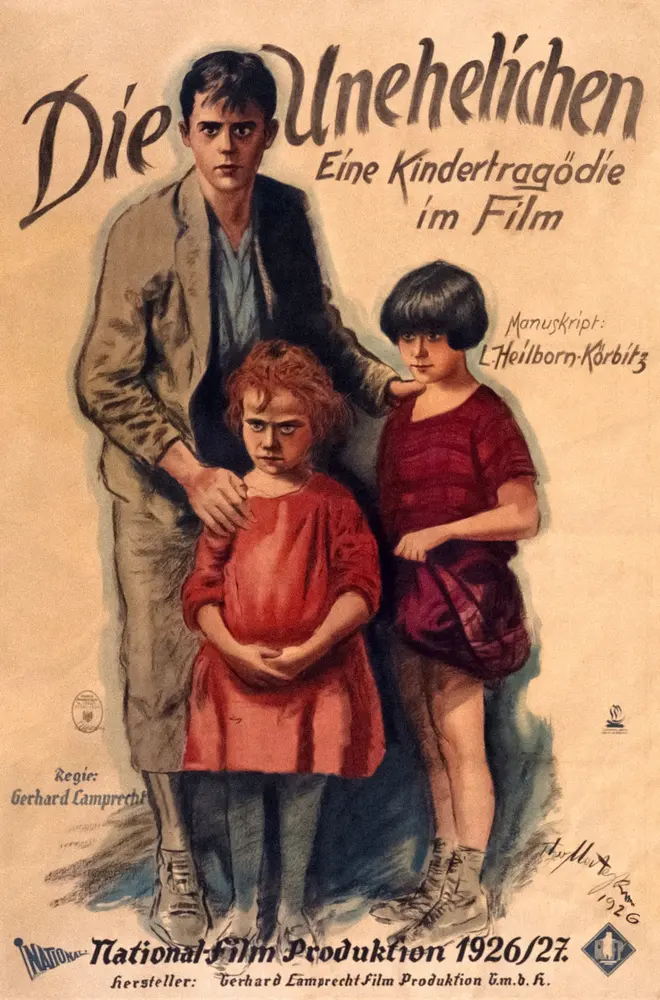
A definitive 7.1/10 rating for a film that redefined the boundaries of cult cinema. Children of No Importance remains a cornerstone of transgressive art.
Does 'Children of No Importance' still have the power to shock a modern audience accustomed to cinematic grit? Short answer: Yes, but only if you are willing to trade escapism for an unflinching look at human disposability.
This film is a mandatory watch for historians of the Weimar era and those who appreciate the 'Zille-film' aesthetic—a genre dedicated to the working-class struggles of Berlin. It is decidedly not for those seeking a lighthearted evening or a story where justice is neatly served by the final reel.
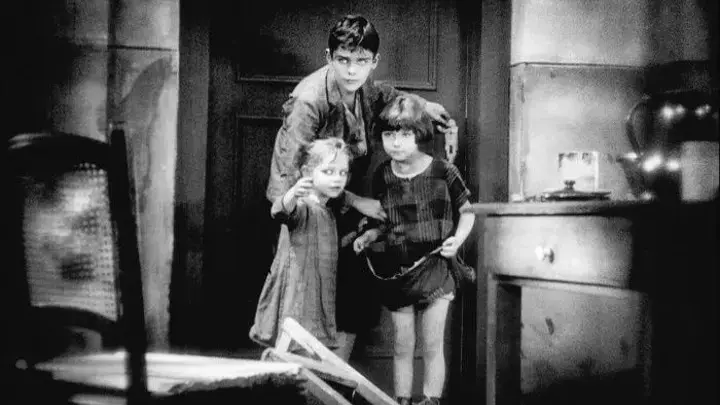
This film works because it refuses to sanitize the living conditions of its protagonists, using authentic locations that make the poverty feel atmospheric rather than performative.
This film fails because the third act occasionally surrenders its gritty realism to the tropes of traditional melodrama, forcing resolutions where a lingering ambiguity might have been more powerful.
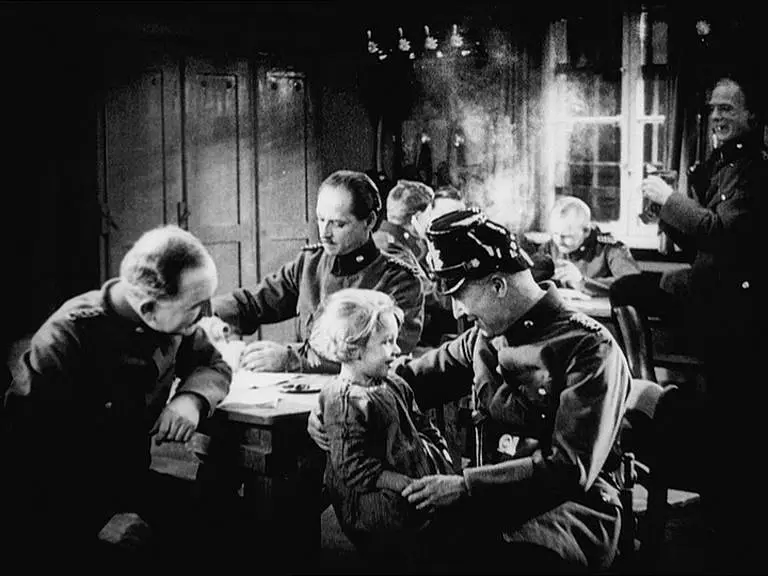
You should watch it if you found the social weight of The Human Tornado or the moral complexities of The Moral Sinner compelling; Lamprecht shares that same DNA of societal interrogation.
If you are looking for a film that captures the soul of 1920s Berlin better than any history book, then yes. It is a haunting experience. It works. But it’s flawed. The pacing requires a level of patience that modern viewers might find taxing, yet the payoff is a profound sense of empathy that few silent films manage to sustain.
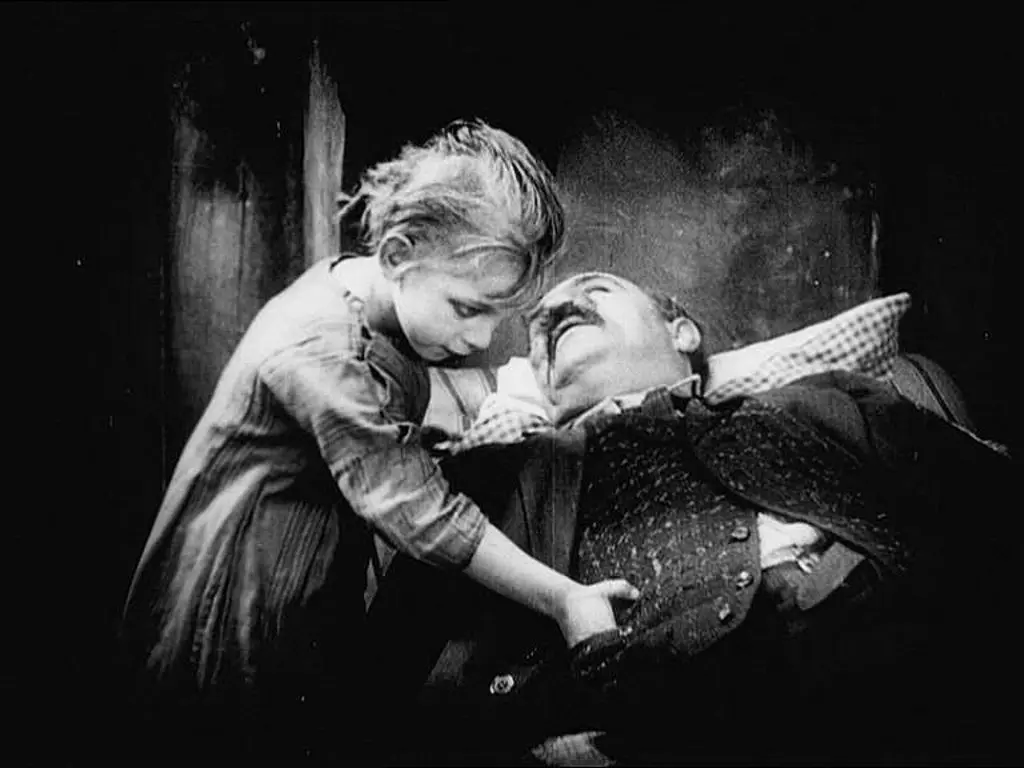
Gerhard Lamprecht, alongside co-writer Luise Heilborn-Körbitz, does not just direct a movie; he builds a cage. The cinematography by Karl Hasselmann captures the cramped, suffocating nature of the tenement housing. There is a specific scene where the children are forced to wait in a dark hallway while their foster parents eat a meager meal in the next room. The camera stays low, at the eye level of the children, making the closed door feel like a monolith of indifference. It’s a simple setup, but it’s devastating.
The film belongs to the 'Milieufilm' tradition, heavily influenced by the sketches of Heinrich Zille. It doesn't rely on the expressionist shadows seen in horror films of the time. Instead, it uses a flat, almost documentary-like lighting that exposes every crack in the plaster and every smudge of dirt on a child’s face. This lack of stylization makes the cruelty feel more immediate. It isn't a dream; it’s a ledger of facts.
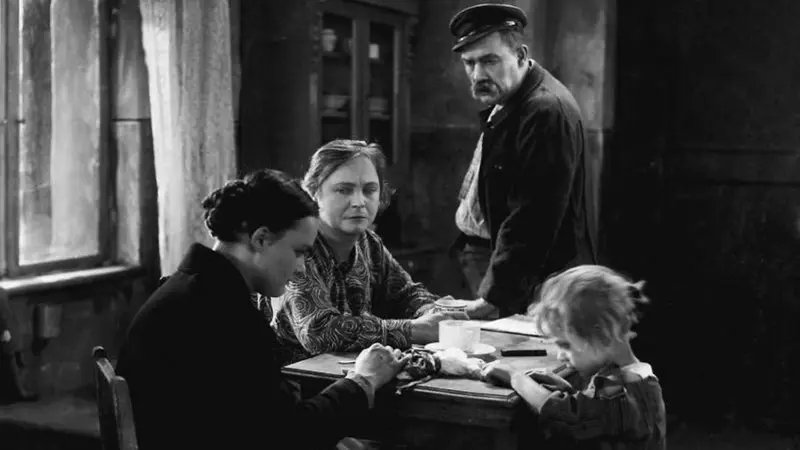
Fee Wachsmuth delivers a performance that anchors the entire production. In an era where child acting was often synonymous with exaggerated pantomime, Wachsmuth is remarkably restrained. Her eyes carry a weariness that feels far beyond her years. When she interacts with the legendary Bernhard Goetzke, who brings a quiet dignity to his role, the film elevates from a social pamphlet to a human drama.
Goetzke, whom audiences might recognize from his more fantastical roles, proves here that he is a master of the understated. His presence provides the only warmth in an otherwise refrigerated social climate. Compare his performance here to the more heightened theatricality found in The Island of the Lost; in 'Children of No Importance,' he is grounded, earthy, and tragically limited by his own poverty.
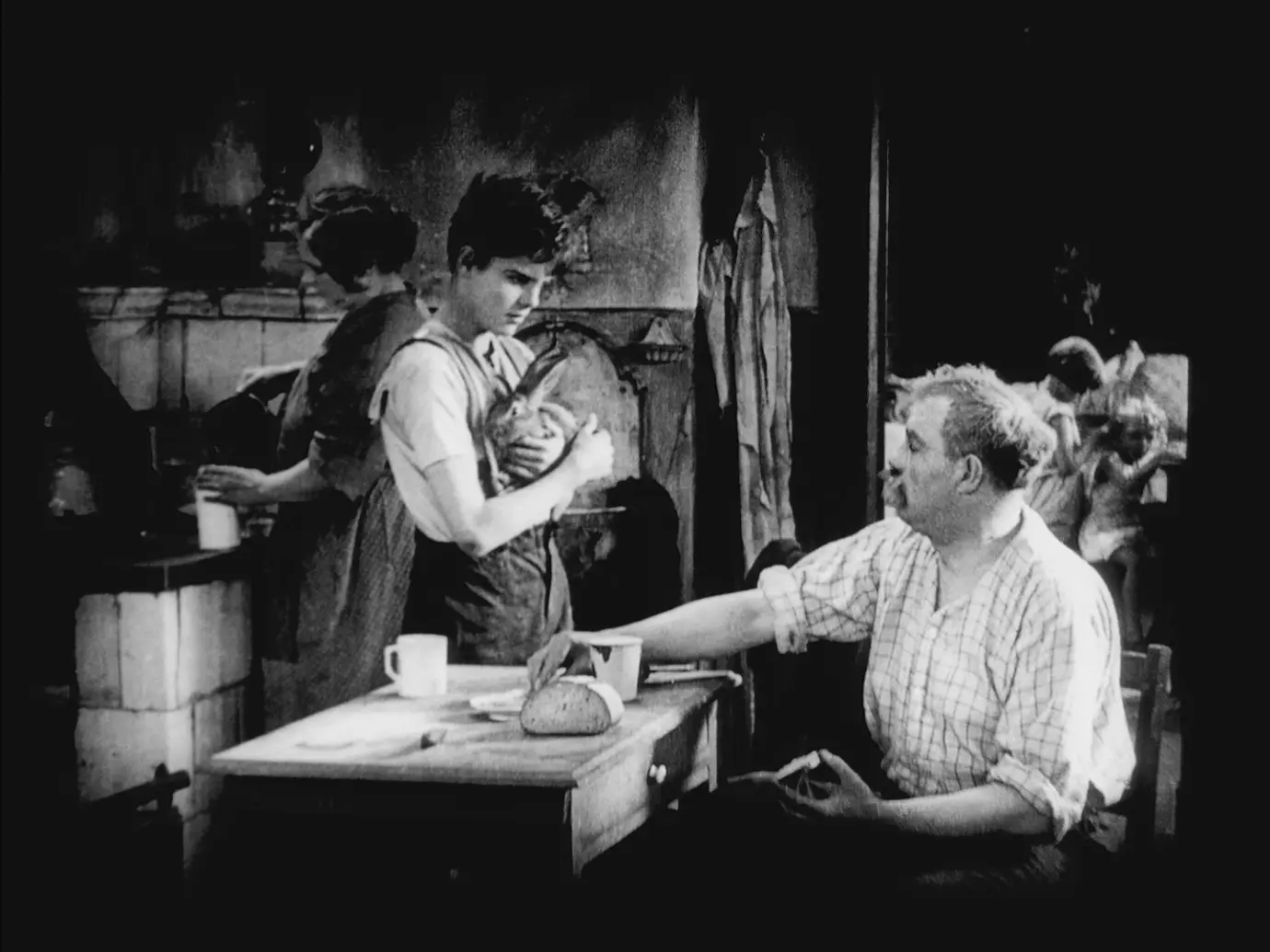
I will argue that this film is more radical than many of its contemporaries because it identifies the 'villain' not as an individual, but as a system. The foster parents are undeniably cruel, but Lamprecht is careful to show that they, too, are drowning in the economic hyperinflation and social decay of the time. They are vultures, yes, but they are picking at bones because there is no meat left in Berlin. This is a bold, debatable take: the film suggests that morality is a luxury of the well-fed.
The script by Heilborn-Körbitz is surgical. It avoids the easy 'happily ever after' that plagues other films of the period like Lucky Stars. Instead, it offers a spectrum of fates. One child’s death is treated with a terrifying lack of ceremony, highlighting just how little these lives meant to the state. It is a brutal observation that remains uncomfortable today.
The pacing is deliberate. It doesn't rush to the tragedy. It lets you sit in the boredom of the children’s lives. This is a risky choice. In the second act, the narrative momentum stalls as we watch the repetitive nature of their chores. However, this repetition is the point. Poverty is not a series of dramatic events; it is a long, slow grind. The film captures this grind with agonizing precision.
The editing is surprisingly modern for 1926. There are quick cuts between the 'respectable' citizens walking the streets and the hidden filth of the foster homes. This juxtaposition serves as a constant reminder of the invisible wall between the classes. It reminds me of the social commentary found in His Father's Son, but with a much sharper edge.
'Children of No Importance' is a title that bites. By the end of the film, the irony is clear: these children are the only thing that should have mattered. It stands as a precursor to the Italian Neorealism that would emerge decades later. It shares a spiritual link with The Fear Fighter in its exploration of internal resilience, but it operates on a much larger social canvas.
"The film doesn't just show poverty; it smells of it. It is a visceral reminder that the 'good old days' were a nightmare for the voiceless."
This is not a 'pretty' film. It is a necessary one. Gerhard Lamprecht created a document of human suffering that transcends its 1926 origins. While it leans into melodrama in its final moments, the preceding ninety minutes are a masterclass in empathy and visual storytelling. It is a somber, essential piece of cinema history that demands to be seen by anyone who takes the medium seriously. It isn't just a movie; it's a ghost from a past we are still trying to outrun.

IMDb —
1931
Community
Log in to comment.