DbcultAccessing Vault...
7.4/10
Senior Film Conservator
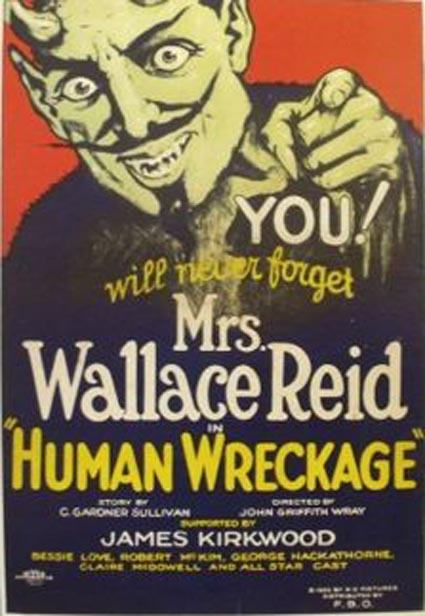
A definitive 7.4/10 rating for a film that redefined the boundaries of cult cinema. Human Wreckage remains a cornerstone of transgressive art.
To understand Human Wreckage is to understand the visceral intersection of personal grief and public warning. Released in 1923, this film was not merely a commercial venture but a crusade led by Dorothy Davenport, billed as Mrs. Wallace Reid. Following the tragic, high-profile death of her husband due to morphine addiction, Davenport utilized the medium of cinema to dismantle the silence surrounding drug abuse. Unlike the whimsical narratives found in Her Official Fathers, this production is a somber, almost documentarian exploration of a social cancer.
The film operates on a plane of heightened realism. While other films of the period, such as Young Mother Hubbard, focused on domestic sentimentality, Human Wreckage plunges into the murky depths of the legal and medical underworld. It was a pioneering effort in the 'social problem' genre, predating the more polished but often less sincere efforts of the later studio system. The lexical choices of the intertitles themselves reflect a sense of urgency, utilizing terms like 'pernicious' and 'abyss' to frame the narcotic experience.
James Kirkwood delivers a performance of harrowing fragility as Alan MacFarland. His transition from a stalwart pillar of the legal community to a shivering, hollowed-out shell of a man is achieved through subtle physical shifts rather than the histrionics common in the silent era. When compared to the more traditional heroics found in The Border Wireless, Kirkwood’s portrayal feels startlingly modern. He doesn't play a villain; he plays a victim of biology and circumstance, which was a radical stance for 1923.
"The film doesn't merely depict addiction; it prosecutes the societal apathy that allows it to fester."
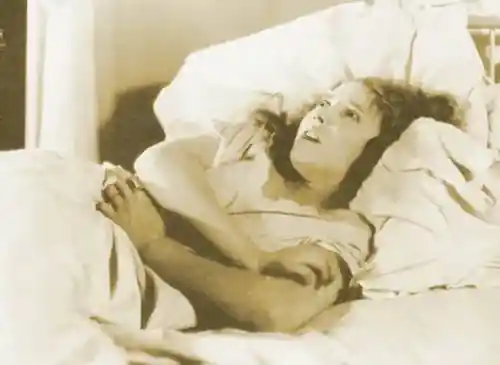
Dorothy Davenport herself provides the emotional anchor as Ethel MacFarland. Her performance is characterized by a stoic resilience that contrasts sharply with the flamboyant characters she explored in The Midnight Girl. There is a sense of meta-narrative here; Davenport is not just acting. She is reliving her own trauma for the benefit of the collective conscience. This dual layer of reality lends the film a haunting quality that transcends its technical limitations.

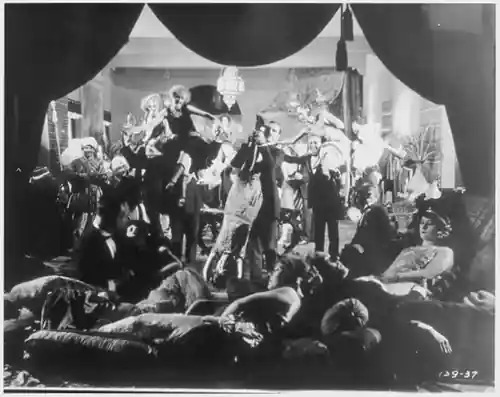
The cinematography in Human Wreckage utilizes sharp contrasts—chiaroscuro lighting that mirrors the internal conflict of its protagonists. The 'dope dens' are depicted with a grimy, claustrophobic texture that stands in stark opposition to the airy, sun-drenched offices of the legal elite. This visual dichotomy emphasizes the fall from grace. While a film like Sahara uses its setting for exoticism, Human Wreckage uses its environments as psychological extensions of the characters' states of mind.
The inclusion of George Hackathorne as Jimmy Harris, a young man destroyed by the habit, provides a secondary emotional arc that reinforces the film's didactic mission. Hackathorne’s performance is twitchy, nervous, and profoundly empathetic. His character's trajectory is far more grim than the resolutions found in Bobby Comes Marching Home, illustrating that in the world of addiction, there are no easy parades or clean endings.
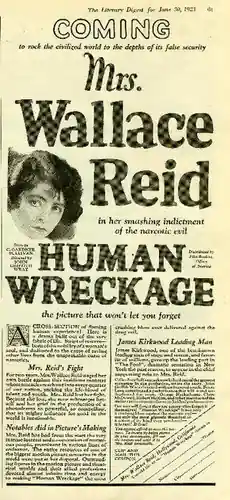
One cannot analyze Human Wreckage without acknowledging its role as a piece of propaganda. However, it is propaganda of the highest order—fueled by truth rather than mere manipulation. The film took aim at the 'easy' availability of narcotics, a theme also touched upon in a different light in The Food Gamblers, which dealt with corporate greed. Here, the greed is more sinister, involving the literal commodification of human despair.
The film's reception was explosive. It was banned in several cities and countries, not for its lack of quality, but for its frighteningly accurate depiction of a problem the authorities preferred to keep hidden. In this regard, it shares a rebellious spirit with Sleeping Fires, though it trades that film's metaphorical heat for a cold, clinical look at the 'white plague.' It is a testament to Davenport's vision that the film remains a potent historical artifact, surviving the censorship that often claimed more controversial works of the era.
When we look at the broader landscape of 1920s cinema, Human Wreckage stands out for its refusal to provide a saccharine resolution. While Jess of the Mountain Country offers a rustic, restorative ending, Davenport's work suggests that while the battle can be won, the scars of the 'wreckage' remain permanent. The film's structure is more akin to a legal brief than a traditional three-act play, reflecting the writing influence of C. Gardner Sullivan and William Lambert.
The supporting cast, including Lucille Ricksen and Bessie Love, provides a tapestry of societal impact. Ricksen’s presence is particularly poignant given her own tragic real-life story, echoing the film's themes of youthful vulnerability. This film doesn't have the theatrical artifice of L'enfant prodigue; it is grounded in the dirt and the grit of the American city. Even when compared to mystery-laden plots like The Clue, the 'mystery' in Human Wreckage is not 'whodunnit' but 'how do we stop it.'
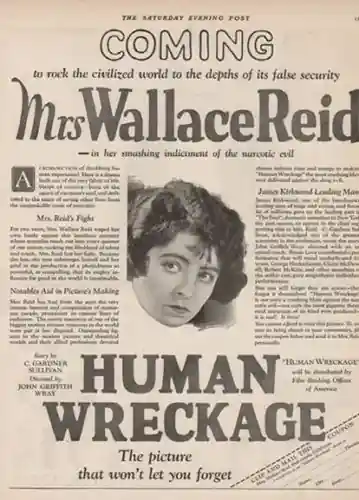
Ultimately, Human Wreckage is a monumental achievement of early independent filmmaking. It bypassed the burgeoning studio interference to deliver a message that was both timely and timeless. It lacks the comedic levity of Betty's Green-Eyed Monster or the escapism of Over Night, but it gains a gravitas that few films of the silent era can match. It is a cinematic scream into the void, demanding that the viewer look away from the stars and down at the broken bodies in the gutter.
For the modern viewer, Human Wreckage is a challenging but essential watch. It serves as a reminder that cinema has always been a tool for change. While it may lack the technical polish of later decades, its sincerity is its greatest strength. It is a film born of fire and grief, standing as a permanent monument to Wallace Reid and a testament to Dorothy Davenport’s indomitable spirit. In the pantheon of silent cinema, it remains as jagged and necessary as a shard of glass.
IMDb 6.8
1932
Community
Log in to comment.