DbcultAccessing Vault...
Cult Review
Senior Film Conservator
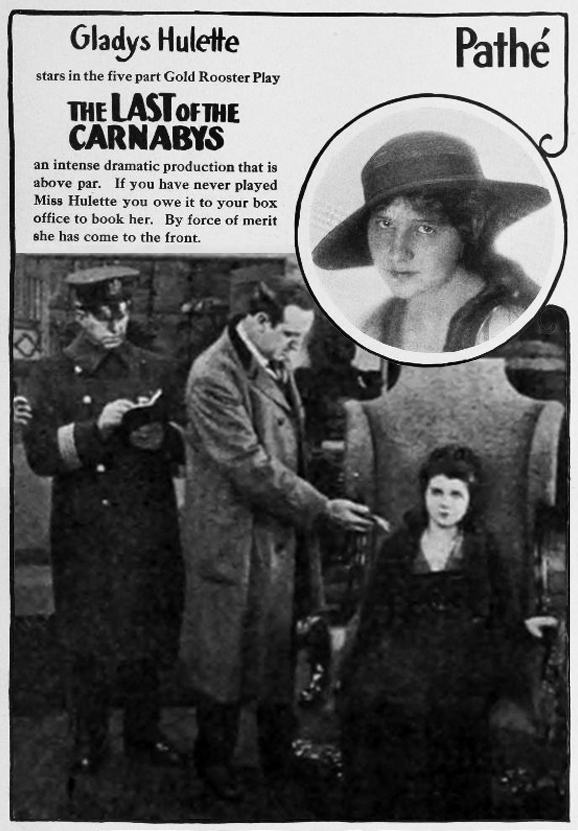
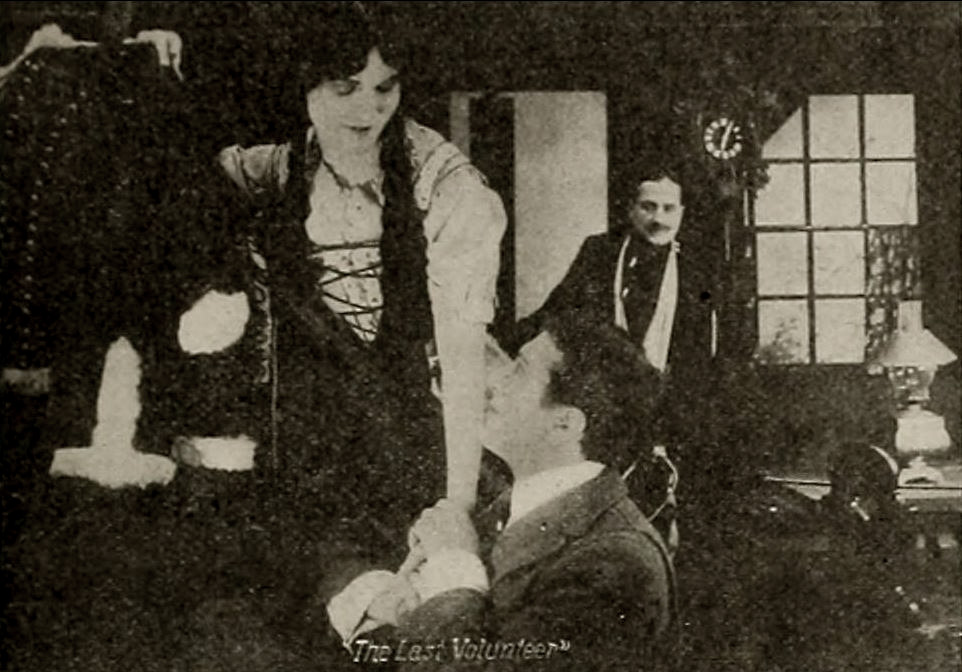
In the annals of cinematic history, certain films emerge not just as entertainment, but as profound sociological documents, capturing the zeitgeist of an era or the perennial struggles of the human condition. 'The Last of the Carnabys', a poignant and often harrowing exploration of a family's precipitous decline, stands as one such artifact. Penned by the insightful duo of Sam Morse and George B. Seitz, and brought to life by a dedicated ensemble including William Parke Jr., J.H. Gilmour, Gladys Hulette, Eugenie Woodward, Paul Everton, Harry Benham, and Helene Chadwick, this picture transcends its simple plot to deliver a powerful commentary on class, addiction, and the relentless march of fate.
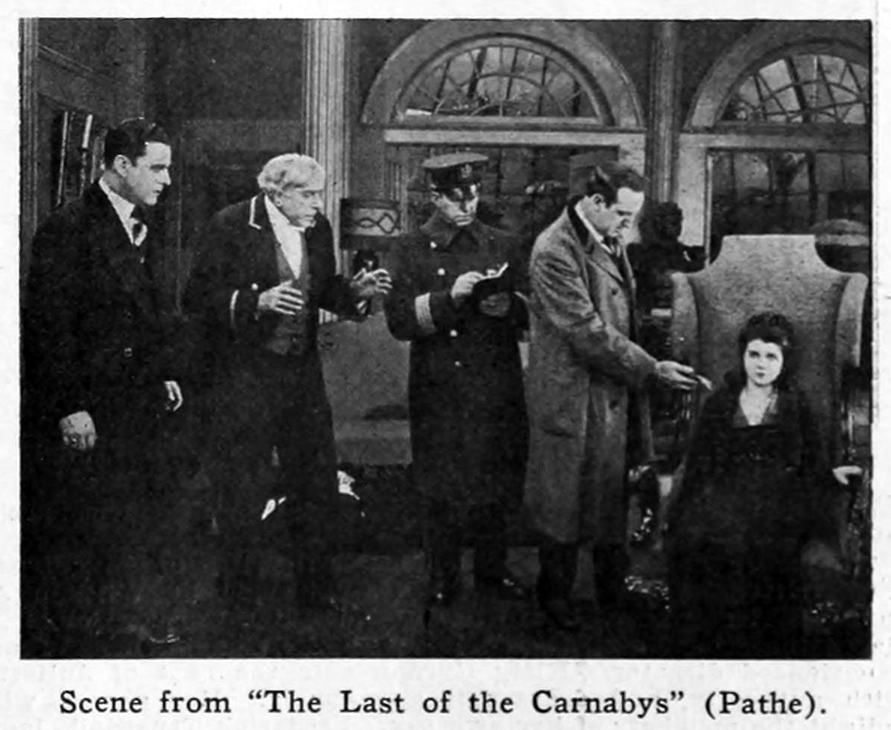
The film introduces us to the eponymous Carnabys, a name that once echoed with prestige and prosperity, now a mere whisper in the winds of change. Lucy and her brother, Gordon, are the final, embattled custodians of this legacy, grappling with a harsh reality far removed from their inherited grandeur. Their struggle is not merely one of dwindling finances; it's a battle against the erosion of identity, the crushing weight of expectation, and the insidious nature of desperation. The writers, Morse and Seitz, deftly craft a narrative that avoids sensationalism, opting instead for a gritty, unvarnished portrayal of a family caught in a fiscal maelstrom.
The core of the story revolves around the escalating financial woes that engulf Lucy and Gordon. Bills pile up like unscalable mountains, each missive a fresh wound to their already bruised pride. But it is Gordon's burgeoning gambling addiction that truly acts as the narrative’s centrifugal force, pulling everything into a vortex of despair. This isn't a sudden descent into vice; rather, the film meticulously charts the slow, agonizing creep of addiction, portraying it not as a moral failing in isolation, but as a desperate, misguided attempt to reclaim a lost life. The pacing, characteristic of dramas from this period, allows the audience to immerse themselves fully in the characters' plight, each scene adding another layer to their predicament, gradually tightening the noose of their circumstances.
One cannot help but draw parallels to other cinematic explorations of societal decay and personal ruin. While perhaps lacking the raw, visceral grit of a film like The Folly of Desire, which often delved into the moral complexities of ambition, 'The Last of the Carnabys' offers a more intimate, domestic tragedy. It's less about external temptations and more about internal implosion, a family eating itself from the inside out. The film's strength lies in its refusal to offer easy answers or miraculous escapes, instead presenting a stark, unblinking look at the consequences of both systemic economic shifts and individual vulnerabilities.
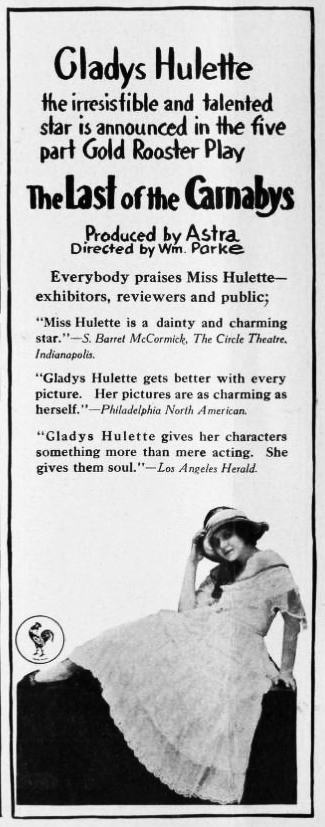
The performances in 'The Last of the Carnabys' are uniformly compelling, anchoring the tragic narrative with a profound sense of realism. Gladys Hulette, as Lucy, delivers a performance of remarkable subtlety and strength. Her character is the stoic anchor, burdened by her brother's weaknesses yet fiercely loyal. Hulette conveys a spectrum of emotions – quiet desperation, burgeoning resentment, and an unwavering, if increasingly fragile, hope – often through nuanced gestures and expressions that speak volumes in the absence of dialogue. Her portrayal is a masterclass in conveying inner turmoil without overt histrionics, a testament to her skill in an era where melodramatic flourishes were often the norm.
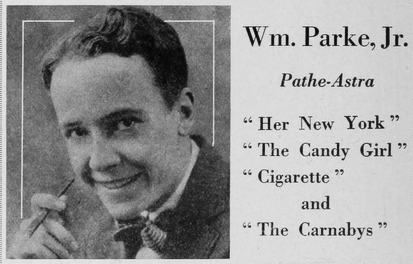
William Parke Jr., as Gordon, embodies the tragic figure of the flawed scion. His performance is a delicate balance of charm and self-destruction. Parke Jr. doesn't portray Gordon as a villain, but as a man trapped, a victim of his own compulsions and the crushing weight of societal expectations. There’s a palpable sense of his internal conflict, the fleeting moments of resolve swiftly overshadowed by the magnetic pull of the gambling table. One can almost feel the desperation radiating from him, a man teetering on the edge, constantly seeking that one big win that will erase all his troubles. His struggle evokes the complex moral quandaries seen in films like Gambier's Advocate, where characters find themselves entangled in webs of their own making, driven by a blend of ambition and desperation.
The supporting cast further enriches the tapestry of this cinematic world. Eugenie Woodward and Paul Everton, though perhaps in less prominent roles, contribute significantly to the atmosphere of a decaying upper class, their characters often serving as reminders of what the Carnabys once were, or what they might have become. Harry Benham and Helene Chadwick add further texture to the narrative, their interactions with Lucy and Gordon highlighting the social pressures and judgments that accompany financial ruin. J.H. Gilmour, too, provides a memorable turn, contributing to the narrative's emotional heft.
Beyond the immediate tragedy of the Carnabys, the film delves into broader societal themes that remain strikingly relevant. The erosion of inherited wealth and the struggle to maintain appearances in the face of destitution speak volumes about the precarious nature of class identity. It’s a narrative that resonates with the anxieties of any era marked by economic upheaval, a timeless exploration of how financial strain can unravel the very fabric of family and individual morality. The film subtly critiques a society that values status and wealth above all else, forcing its characters into desperate measures to uphold a facade that is rapidly crumbling.
The pervasive theme of addiction, personified by Gordon's gambling, is handled with a commendable degree of sensitivity and realism. It's not depicted as a simple vice to be overcome, but as a complex psychological struggle, deeply intertwined with feelings of inadequacy and a desperate yearning for control in an uncontrollable situation. This nuanced portrayal elevates the film beyond a mere cautionary tale, inviting empathy rather than judgment. In this regard, it shares a thematic thread with films like A Soul Enslaved, which often explored the various forms of bondage, be they literal or metaphorical, that constrain human beings.
The relationship between Lucy and Gordon forms the emotional core of the film. It's a testament to the enduring, albeit strained, bonds of family. Lucy's unwavering, almost maternal, devotion to her wayward brother, despite his repeated failings, is both heart-wrenching and profoundly human. Their dynamic is fraught with tension, love, and unspoken resentments, a complex interplay that provides the film with its deepest emotional resonance. This fraternal struggle, punctuated by moments of despair and fleeting hope, offers a compelling study of familial duty and sacrifice.
Sam Morse and George B. Seitz demonstrate a keen understanding of human psychology in their screenplay. They eschew simplistic heroes and villains, instead presenting flawed individuals navigating an unforgiving world. The dialogue, though sparse in a silent film context, is impactful, with intertitles used judiciously to advance the plot and reveal character motivations. The narrative arc, while tragic, feels earned, a logical progression of events stemming from the characters' choices and circumstances. The writers' ability to weave a tale of such emotional depth and social commentary within the constraints of the era is truly commendable.
While specific directorial credits are not provided, the execution of the film suggests a thoughtful and deliberate hand behind the camera. The visual storytelling is effective, utilizing close-ups to capture the nuances of the actors' performances and wider shots to establish the oppressive atmosphere of their decaying surroundings. The use of light and shadow, a hallmark of early cinema, likely plays a crucial role in enhancing the mood, underscoring the characters' internal darkness and external struggles. The seamless integration of these elements ensures that the audience remains deeply invested in the Carnabys' plight, feeling every setback and yearning for every flicker of hope.
Comparing it to films like The Master of the House, which often explored domestic power dynamics and gender roles, 'The Last of the Carnabys' shifts its focus to the external pressures that fracture a household. While both films delve into the intricate lives within a home, 'Carnabys' externalizes the threat, showing how economic forces and personal failings can be as destructive as any interpersonal conflict. The careful construction of the plot, building tension through a series of misfortunes and desperate attempts at recovery, keeps the audience engaged, even as the narrative steers toward an inevitable, somber conclusion.
'The Last of the Carnabys' may not possess the grand epic scale of The Story of the Kelly Gang, nor the romantic sweep of The Vagabond Prince, but its power lies in its intimate, unsparing portrayal of human frailty and resilience. It serves as a potent reminder of the cyclical nature of fortune, the corrosive power of addiction, and the enduring strength, or tragic fragility, of familial bonds. The film's enduring appeal stems from its universal themes – the struggle for survival, the burden of legacy, and the search for meaning amidst chaos.
For contemporary audiences, 'The Last of the Carnabys' offers a window into the narrative sensibilities of early cinema, showcasing how complex emotional and social issues were tackled with remarkable depth, even without the benefit of synchronized sound. It’s a film that encourages reflection on our own relationships with wealth, status, and the people we hold dearest. Its quiet power resonates long after the final frame, leaving one to ponder the true cost of a dwindling fortune and the desperate lengths to which individuals will go to preserve what little they have left, or to reclaim what they have lost.
In conclusion, 'The Last of the Carnabys' stands as a testament to the power of character-driven drama. Its exploration of financial ruin, the grip of addiction, and the enduring, yet challenging, ties of family make it a compelling and insightful piece of cinema. The compelling performances, particularly from Gladys Hulette and William Parke Jr., elevate the material, transforming a simple plot outline into a profound human drama. It’s a film that, despite its age, speaks volumes about the timeless struggles that define the human experience, making it a valuable watch for anyone interested in the social history depicted through the lens of early filmmaking.
IMDb —
1929
Community
Log in to comment.