DbcultAccessing Vault...
Cult Review
Senior Film Conservator
Stepping into the world of Oliver Twisted is less an act of viewing a film and more an immersion into a visceral, unsettling experience. From its opening frames, drenched in the oppressive glow of an urban nightscape, it declares itself as a bold, uncompromising vision, a cinematic siren call to the disaffected and the disillusioned. This isn't your grandmother's Dickensian adaptation; it's a raw, pulsating reimagining that drags the timeless narrative of innocence lost into the digital abyss of the 21st century. What director Anya Sharma has achieved here is nothing short of a modern classic, a film that doesn't just tell a story but dissects the very fabric of our interconnected, yet profoundly isolated, society.
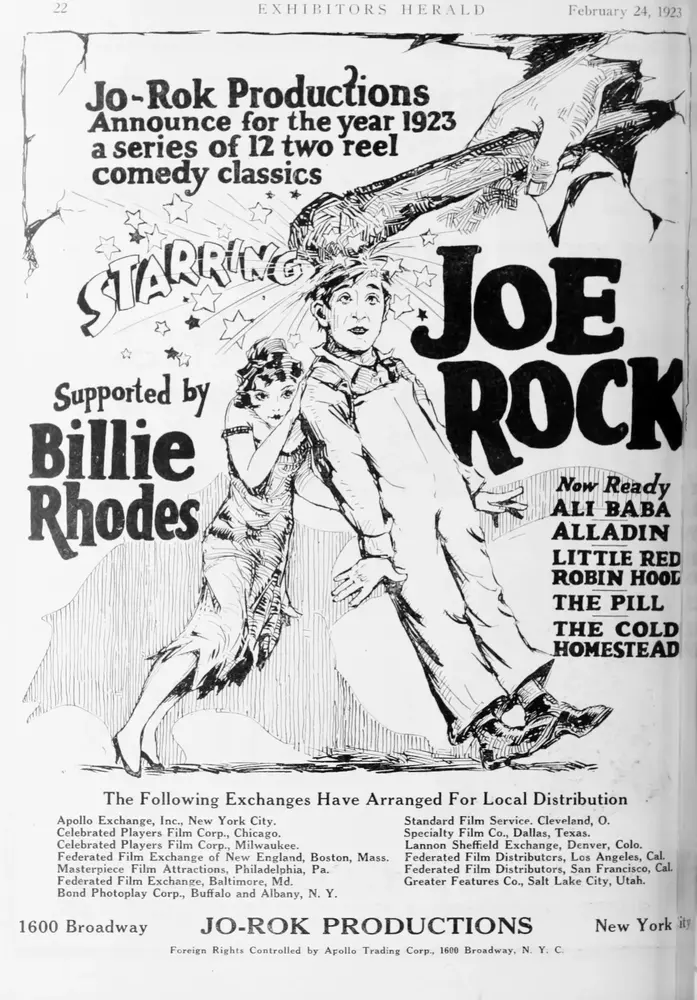
The narrative spine, while familiar in its archetypal structure, is twisted and contorted into something uniquely unsettling. We meet Oliver, portrayed with a mesmerizing blend of fragility and burgeoning resilience by the phenomenal Billie Rhodes. Rhodes delivers a performance that transcends mere acting; it's an embodiment, a haunting portrayal of a young soul adrift in a sea of indifference. Her Oliver is not just a victim of circumstance, but a canvas upon which the harsh realities of systemic neglect and digital exploitation are painted with unflinching brutality. From the moment we witness her character's escape from the soulless 're-education' facility – a place that feels more like a cold-storage unit for unwanted souls than a sanctuary – we are hooked, compelled to follow her perilous journey.
The film truly ignites with the introduction of Fagin, a character brought to life with terrifying charisma by the incomparable Joe Rock. Rock's Fagin is a revelation, eschewing the traditional top hat and tattered coat for designer streetwear and a slick, predatory charm that masks a truly venomous core. He's not just a fence for stolen goods; he's a guru, a philosopher of the forgotten, recruiting an army of digitally native, economically disenfranchised youths into his 'family' of cyber-operatives. Rock’s portrayal is multi-layered, oscillating between paternalistic warmth and chilling menace, making him one of the most compelling antagonists in recent memory. He preys on the desperate, offering a perverse sense of belonging and purpose, albeit one built on deception and exploitation. His performance here is a masterclass in controlled villainy, a magnetic force that pulls Oliver deeper into the labyrinthine world of data theft and identity manipulation.
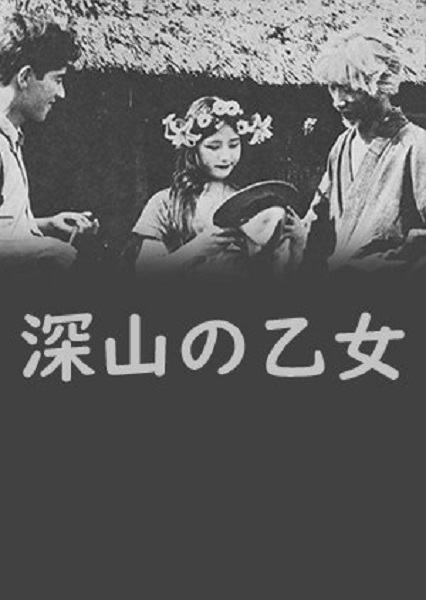
The world-building in Oliver Twisted is exceptional. Sharma, along with her production design team, crafts a metropolis that feels simultaneously futuristic and decaying, a testament to unchecked technological advancement clashing with persistent human squalor. The city itself becomes a character, a sprawling, indifferent entity that swallows up the vulnerable. The cinematography is equally stunning, employing a palette of deep blues, stark oranges, and sickly greens that evoke a constant sense of unease and artificiality. Every shot is meticulously composed, reflecting Oliver's fragmented perception of reality and the pervasive surveillance that defines his existence. The film’s aesthetic is reminiscent of the gritty realism seen in films like Convict 13, not in plot, but in its unflinching gaze at societal outsiders and their struggles within a rigid system, though Oliver Twisted elevates this with a distinctly modern, technological edge.
What truly elevates Oliver Twisted beyond a mere genre exercise is its profound exploration of moral ambiguity. Oliver's 'twist' is not just a plot device; it's a psychological transformation. He isn't merely a passive recipient of fate; he makes choices, increasingly morally compromising ones, in his desperate bid for survival and acceptance. Rhodes navigates this complex arc with remarkable subtlety, allowing us to witness the slow erosion of her character's inherent goodness without ever demonizing her. We understand her motivations, even as we recoil from her actions. This nuanced portrayal forces the audience to confront uncomfortable questions about culpability, agency, and the societal structures that push individuals to such extremes. It's a powerful commentary on how desperation can warp even the purest intentions.
The supporting cast, while less prominent, delivers solid performances that flesh out Fagin's digital underworld. From the hardened veterans of the cyber-scam game to the wide-eyed newcomers, each character feels authentic, a product of this harsh environment. The dynamics within Fagin's 'family' are particularly fascinating, showcasing the complex interplay of loyalty, fear, and self-preservation. There are glimmers of genuine camaraderie, quickly overshadowed by the brutal reality of their existence, a constant reminder that in this world, trust is a luxury few can afford.
Beyond the performances, the technical aspects of Oliver Twisted are nothing short of dazzling. The sound design, in particular, deserves commendation. It's a cacophony of digital pings, urban hums, and distorted voices that perfectly encapsulates the overwhelming sensory overload of Oliver's world. The score, a haunting blend of industrial beats and melancholic synths, underscores the film's pervasive sense of dread and alienation. It’s a masterclass in how sound can elevate storytelling, creating an immersive atmosphere that grips the viewer from start to finish. This intricate soundscape, much like the subtle psychological horror of films like A Fly in the Ointment, serves to heighten the tension and emphasize the feeling of being an unwelcome presence in a hostile environment.
The editing is sharp and propulsive, mirroring the frenetic pace of digital life and the constant threat of discovery that hangs over Fagin's crew. Flashbacks are seamlessly integrated, offering glimpses into Oliver's past without disrupting the forward momentum of the narrative. This thoughtful approach to pacing ensures that the film never drags, maintaining a relentless grip on the audience's attention even during its more reflective moments. The visual effects, while sparse, are impactful, primarily used to illustrate the abstract nature of cybercrime and the invisible threads that connect individuals in the digital realm. These effects are never gratuitous, always serving the story and enhancing its thematic resonance.
The thematic richness of Oliver Twisted is arguably its greatest strength. It’s a searing indictment of late-stage capitalism, the surveillance state, and the growing chasm between the privileged and the disenfranchised. It asks unsettling questions about the nature of family, the allure of illicit power, and the cost of survival in a world that often seems indifferent to human suffering. The film doesn't offer easy answers; instead, it forces us to confront the uncomfortable truths about our own societal structures and the moral compromises we, as a collective, often make. It’s a cinematic mirror held up to contemporary society, reflecting back a distorted, yet undeniably recognizable, image of ourselves.
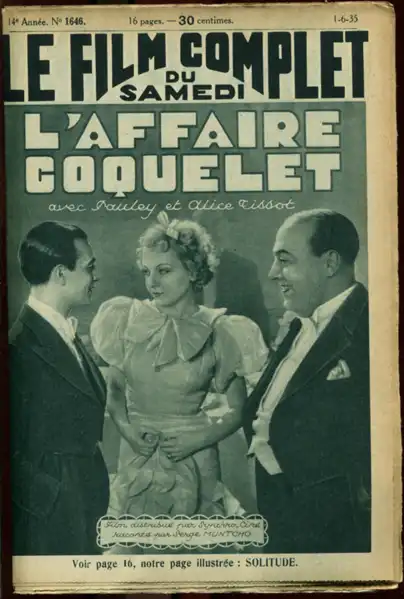
Comparisons to other works are inevitable, yet Oliver Twisted manages to carve out its own distinct identity. While it shares a thematic kinship with the existential dread of Nobody's Wife in its depiction of profound isolation and the search for belonging, it grounds these abstract concepts in a tangible, terrifyingly plausible future. Similarly, the struggle for identity and purpose in a chaotic world might echo the grander scale of The Four Feathers, but here, the battleground is internal and digital, rather than external and military. The film's portrayal of a charismatic, manipulative leader also brings to mind the enigmatic power dynamics seen in The Sheik, though Rock's Fagin wields influence through algorithms and data rather than desert dominion.
Ultimately, Oliver Twisted is more than just a film; it's a cultural artifact, a chilling prophecy, and a powerful call to introspection. It's a challenging watch, certainly not for the faint of heart, but its rewards are immense. Billie Rhodes and Joe Rock deliver career-defining performances that will undoubtedly resonate long after the credits roll. Anya Sharma has crafted a masterpiece that is both timely and timeless, a film that will spark conversations, provoke thought, and perhaps even inspire change. It's an essential viewing experience for anyone interested in the intersection of technology, society, and the enduring human spirit. This is cinema at its most potent, a testament to the power of storytelling to illuminate the darkest corners of our world. Prepare to be disturbed, enlightened, and utterly captivated. This film isn't just good; it's important. And in an era saturated with fleeting content, importance is a rare and precious commodity. It's a film that demands to be seen, discussed, and remembered, cementing its place as a significant entry in contemporary cinema, much like how Lest We Forget aimed to leave an indelible mark on historical consciousness. Oliver Twisted ensures that the plight of the digitally marginalized will not be forgotten.
IMDb 7.7
1928
Community
Log in to comment.