DbcultAccessing Vault...
7.2/10
Senior Film Conservator
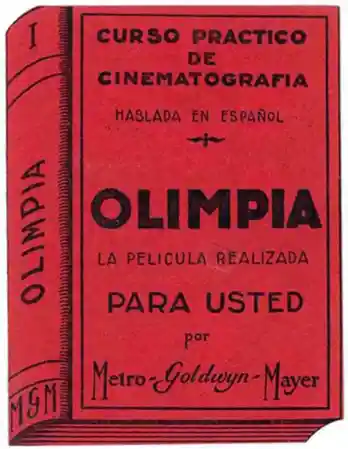
A definitive 7.2/10 rating for a film that redefined the boundaries of cult cinema. Olympia remains a cornerstone of transgressive art.
If you have some free time today and you don’t mind reading subtitles (or you happen to speak German), Olympia is actually worth a look. It’s for people who like those old-fashioned stories where everyone lives in a palace but they’re all secretly miserable. If you hate slow movies where people just talk in rooms for eighty minutes, you’re probably gonna want to skip this one. 🏰
This movie is a weird piece of history because it’s a "multiple-language version." Back when sound first started, they didn’t just dub movies; they’d bring in a whole different cast and film the same story again in a different language. This is the German version of a movie called His Glorious Night, which people usually say is pretty bad. But this one? It’s actually okay.
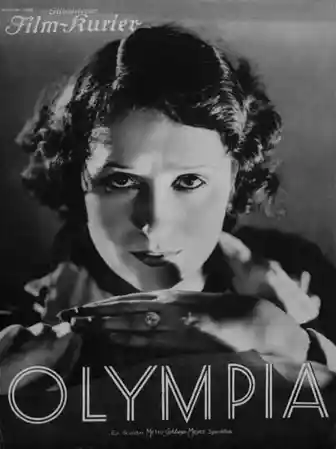
Nora Gregor plays the princess, and she’s the main reason to watch. She has this way of looking at the camera like she knows the whole royalty thing is a joke. It’s way more interesting than the stiff acting you usually see in these early talkies like When Love Is Blind.
The plot is basic. She’s supposed to marry some noble guy she doesn't care about, but then she meets this captain, played by Theo Shall. He’s got this very serious mustache and a uniform that looks like it weighs about fifty pounds. You can tell the actors are still getting used to microphones because they stand very still when they talk.
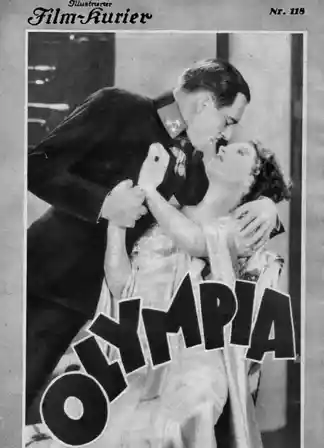
There’s a scene early on where they’re at a party, and the background noise is just... gone. It’s that eerie silence you only get in movies from 1930. It makes the clinking of the champagne glasses sound like gunshots. I kind of liked it, honestly. It felt more real than a movie with a loud, fake orchestra playing over everything.
Theo Shall is fine as the captain, but he’s a bit of a cardboard cutout. He spends a lot of time just standing there looking dashing. It reminded me a bit of the lead in Jack O'Clubs, just sort of existing to be the love interest.
I noticed that the sets look a little dusty. Not in a "this is a bad movie" way, but in a "this was filmed on a stage in 1930" way. You can almost smell the old wood and the heavy curtains. It feels more grounded than the super-clean digital stuff we get now.
The dialogue is based on a play by Ferenc Molnár. Sometimes it gets a bit wordy. There’s a moment in the middle where they talk about honor and duty for what feels like ten minutes. My mind wandered a bit, thinking about how uncomfortable those high collars must have been.
It’s not quite as intense as The Forbidden Room or as weird as some other stuff from that era. It’s just a solid, slightly sad romance. The ending comes up pretty fast, and it doesn't feel like it fully earns the big emotional payoff it wants. But hey, that’s movies.
One thing that’s really cool is seeing how they handled the transition to sound. You can see the camera trying to move, then stopping, then trying again. It’s like watching a baby bird try to fly. It’s much more experimental than something like Private Affairs, even if it's less polished.
Is it a masterpiece? No. But Nora Gregor’s face is worth the price of admission. She makes the whole "I’m a princess but I’m sad" thing feel like a real person’s problem instead of a fairy tale. 🥀
If you’ve seen Chained to the Past, you know how these old dramas can get a bit melodramatic. Olympia stays just on the right side of that line. It’s a bit of a relic, but it’s a pretty one.
A few things I noticed:
Anyway, if you like digging through the archives for things that aren't just the usual classics, give it a shot. It's better than the version they made for Americans, which is a weird thing to say, but it's true. It's got more soul. 🎥
IMDb —
1935
Community
Log in to comment.