DbcultAccessing Vault...
2.7/10
Senior Film Conservator
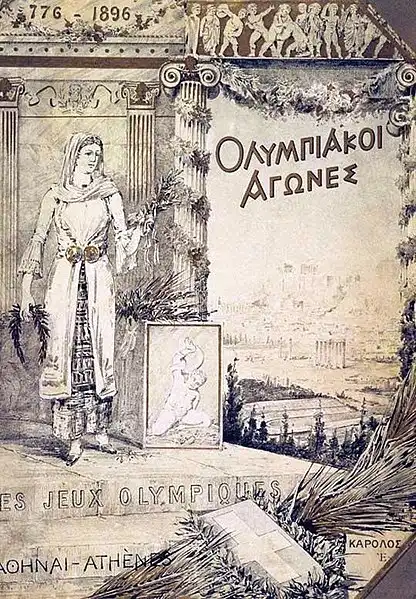
A definitive 2.7/10 rating for a film that redefined the boundaries of cult cinema. Olympic Games remains a cornerstone of transgressive art.
For cinephiles interested in the origins of sports documentary, or for anyone curious about the raw, unpolished spectacle of the Olympic Games nearly a century ago, the official film of the 1928 Amsterdam Olympiad is absolutely worth seeking out. It’s a vital historical document, offering a unique window into athletic prowess and global camaraderie before the age of mass media saturation. Casual viewers primarily seeking modern, fast-paced sports action will likely find its silent, often static presentation a challenge. However, for those willing to engage with a piece of living history, it delivers a profound, if sometimes slow, reward.
Given that this isn't a narrative feature, there are no 'performances' in the traditional sense. Instead, we are presented with the unvarnished efforts of the athletes themselves, and this is where the film truly shines. We see runners on cinder tracks, their faces etched with strain, kicking up plumes of dust with every stride. The camera often lingers on the raw physicality: the bulging muscles of a shot putter mid-throw, the elegant arc of a diver, or the synchronized power of a rowing crew. There's a particular shot of a marathon runner, late in the race, whose gait is less a sprint and more a determined shuffle, his eyes fixed on some distant point beyond the finish line – a moment of pure, unadulterated human grit that transcends time.
What’s striking is the lack of overt theatricality. Celebrations are often subdued, a simple handshake or a quiet nod, a stark contrast to the performative exuberance common in modern sports. This restraint, however, lends an authenticity to the achievements. The film captures not just the victors, but the universal struggle, making the individual efforts feel deeply resonant.
The pacing of the 1928 Olympic film is, by modern standards, deliberate. It moves with the rhythm of the events themselves, often dedicating significant screen time to an entire race or a series of gymnastic routines. The opening ceremonies, with their long parade of nations, are particularly drawn out, emphasizing the formality and pomp of the era. While this occasionally leads to moments where the film feels like it’s dragging, especially during less visually dynamic preliminary heats, it also allows for a deeper appreciation of the moments of genuine spectacle.
The tone is largely reverent and celebratory, reflecting the nascent idealism of the modern Olympic movement. There’s a palpable sense of national pride in the delegations, but also an underlying theme of international unity. The film avoids dramatic tension, instead focusing on the honest competition. One particularly charming moment occurs when a competitor, after a failed attempt in an unknown discipline, simply shrugs, offers a small, almost apologetic smile to the camera, and walks off. It’s a small, human touch that breaks the otherwise formal presentation.
Filmed nearly a century ago, the visual style of the 1928 Olympic Games is a fascinating study in early cinematic techniques applied to live events. Cameras are largely static, positioned to capture the breadth of the action, but rarely employing the dynamic tracking shots or rapid cuts we've come to expect. Close-ups are used sparingly but effectively, often to highlight an athlete's intense focus or a particularly graceful movement. The grainy texture of the film, and the occasional flicker or scratch, only add to its archival charm, reminding us of its age and rarity.
The cinematography often struggles with the speed of certain events, with runners sometimes blurring at the edges of the frame, or a discus thrower momentarily disappearing from view. Yet, these limitations also force a different kind of appreciation. We see the entire stadium, the relatively sparse crowds in some sections contrasting with packed grandstands in others. The costumes of the athletes are simple, functional, devoid of modern branding, and the architecture of the Amsterdam Olympic Stadium itself becomes a character, a grand stage for these historic contests.
The 1928 Olympic Games film is not a casual watch, nor is it designed for instant gratification. It’s a historical artifact, a silent testament to an era when the Olympics were still defining their global identity. For sports historians, film archivists, or anyone with a deep curiosity about how we documented grand events before the advent of television, this film is essential viewing. It offers a rare, unmediated glimpse into the physical and emotional landscape of competitive sport almost a century ago. While it demands patience, the reward is a profound connection to the past, a living, breathing document that reminds us of the enduring power of human endeavor. It’s a film that asks you to lean in, to observe, and to appreciate the quiet majesty of history unfolding on screen.
IMDb 4.8
1929
Community
Log in to comment.