DbcultAccessing Vault...
4/10
Senior Film Conservator
A definitive 4/10 rating for a film that redefined the boundaries of cult cinema. On the Jump remains a cornerstone of transgressive art.
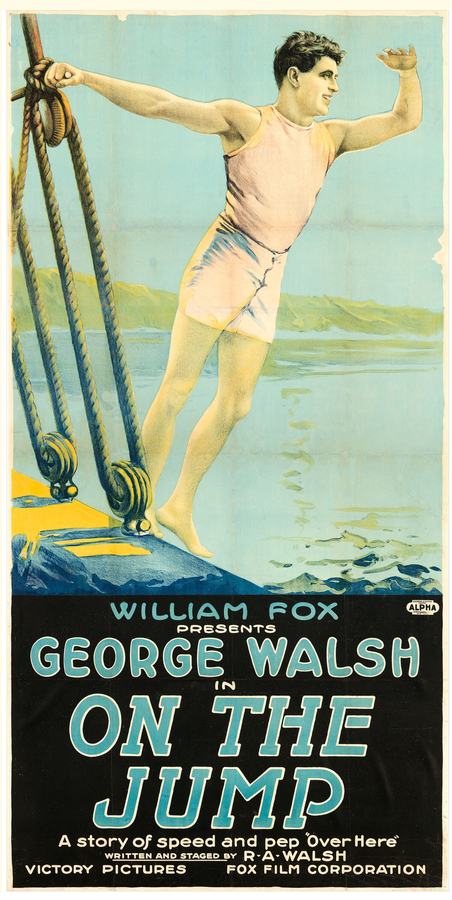
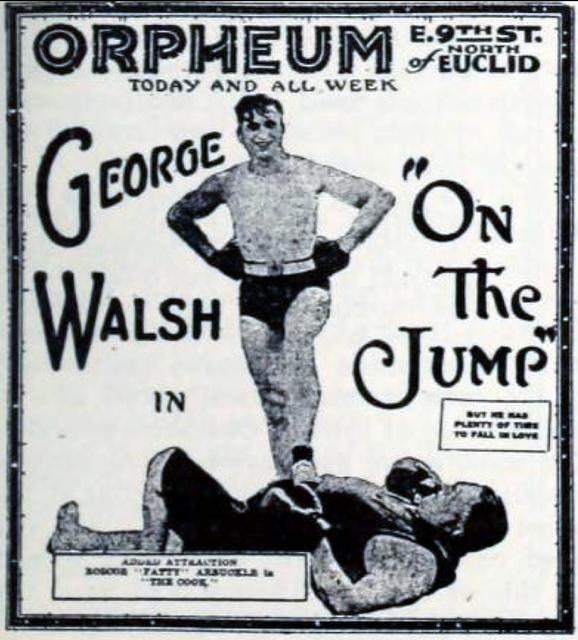
In the annals of early 20th-century cinema, particularly those films forged in the crucible of global conflict, On the Jump emerges as a vibrant, if somewhat overlooked, testament to the era's narrative preoccupations. Released in 1918, a pivotal year in the Great War, this cinematic offering isn't merely a piece of entertainment; it functions as a potent cultural artifact, reflecting the fervent patriotism, the anxieties of espionage, and the pervasive call for national unity that defined America's involvement in World War I. Directed by the prolific Raoul Walsh, who also contributed to the screenplay alongside Ralph Spence, the film plunges viewers into a world where journalistic integrity clashes with insidious treachery, and individual heroism becomes a bulwark against enemy machinations.
The narrative unfurls with Jack Bartlett, portrayed with an earnest vigor by George Walsh, a figure emblematic of the period's idealized American hero. Bartlett is introduced as an enterprising reporter, whose dedication to his craft is matched only by his unwavering patriotism. His initial triumph—securing an interview with President Woodrow Wilson regarding the critical Fourth Liberty Loan—immediately establishes him as a man of influence and principle. This loan, a cornerstone of America's war effort, was vital for funding military operations, and its promotion through popular media like newspapers and, by extension, cinema, underscores the film's didactic intent. Bartlett isn't just reporting; he's actively participating in the national cause, a narrative trope common in wartime cinema where the protagonist's personal journey mirrors the nation's struggle. This early sequence effectively sets the stage, positioning Jack as a champion of American ideals, ready to leverage his journalistic platform for the greater good.
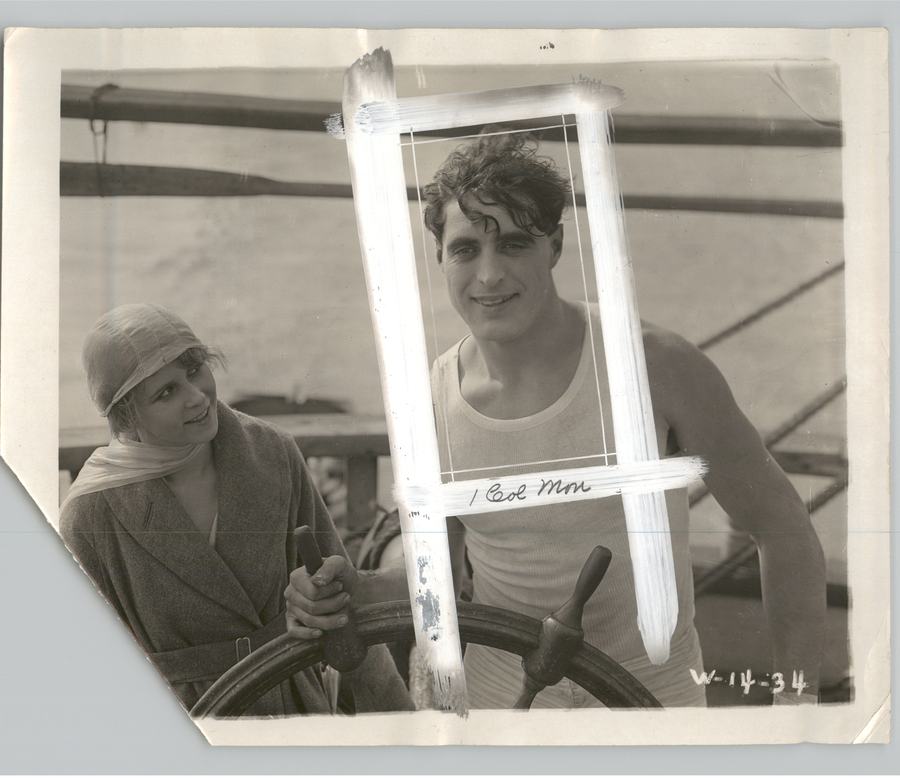
The initial glow of Bartlett's journalistic coup is swiftly overshadowed by a startling betrayal. Upon his return from Washington, he discovers his own newspaper has fallen under the sway of Otto Crumley, a character whose name itself hints at his insidious nature. Crumley, played by Henry Clive, is no mere rival; he is a German sympathizer, a clandestine agent operating within the very heart of American media. The dramatic tearing of Bartlett's hard-won interview by Crumley serves as a powerful visual metaphor for the subversion of truth and the infiltration of enemy propaganda. This act of journalistic sabotage forces Bartlett into a moral quandary: compromise his integrity or abandon his platform. His immediate resignation, a decisive and principled stand, marks a crucial turning point, propelling him from the realm of observation into direct action. It's a classic narrative device, stripping the hero of his conventional tools to force him to forge new ones, much like how films such as The End of the Road might have explored the moral dilemmas faced by individuals during wartime, albeit perhaps with different thematic focuses.
Freed from the constraints of a compromised press, Bartlett dedicates himself entirely to the Liberty Loan campaign. This transition is not merely a change of profession but a profound reorientation of purpose. He transforms from a chronicler of events into an active shaper of destiny, galvanizing public support and raising substantial sums for the war effort. His success in this endeavor highlights the film's underlying message: every individual, regardless of their previous role, has a vital part to play in national defense. The stakes escalate further when Bartlett's vigilance extends to preventing a strike at a local munitions plant, a critical act of industrial espionage prevention that demonstrates his multifaceted capabilities. This sequence underscores the broad scope of wartime threats, extending beyond the battlefield to encompass economic and industrial stability, a theme that resonates with the anxieties of a nation mobilizing its resources.
The narrative cleverly intertwines the personal with the patriotic when Bartlett discovers the true depth of Crumley's villainy. Crumley is not just a German sympathizer; he is a full-fledged agent, whose nefarious agenda extends to industrial espionage. His target: a secret gasoline substitute formula, a groundbreaking invention by William Desmond, father of Jack's girlfriend, Margaret (Frances Burnham). This revelation elevates the conflict beyond abstract ideals, imbuing it with a deeply personal urgency. Margaret's father, a genius whose intellectual property could turn the tide of war, becomes a pawn in a dangerous game, and Margaret herself becomes a direct casualty of Crumley's ruthless ambition. This plot device, where a romantic interest or family member becomes imperiled, is a staple of early cinematic thrillers, designed to heighten emotional investment and underscore the hero's motivation.
Frances Burnham, as Margaret, embodies the archetypal damsel in distress, yet her plight serves as a powerful catalyst for Jack's most daring actions. Crumley's imprisonment of Margaret transforms the ideological struggle into a frantic rescue mission, blending the spy thriller with elements of romantic melodrama. Jack's subsequent daring rescue of Margaret is a moment of pure heroic action, a testament to his courage and resourcefulness. It's a sequence designed to elicit gasps from the audience, affirming the hero's dual role as national protector and personal savior. The emotional resonance of this act is palpable, grounding the grand scale of wartime espionage in the very human stakes of love and loyalty. This intricate blend of high-stakes national security and personal drama is a hallmark of effective storytelling, ensuring that the audience remains invested on multiple levels.
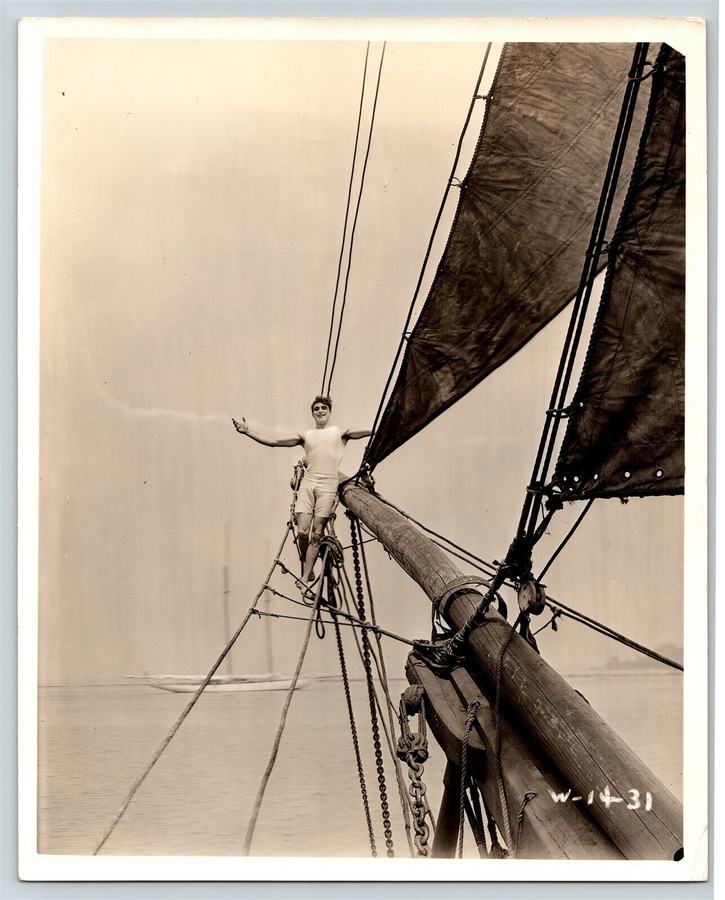
The film hurtles towards its thrilling climax with Crumley attempting to flee on a schooner, the stolen formula in hand. Jack's pursuit is relentless, culminating in a dramatic swim to the escaping vessel. This aquatic chase, a testament to Jack's physical prowess and unwavering determination, ratchets up the tension considerably. The apprehension of Crumley on board the schooner is a moment of triumphant justice, but the film doesn't rest there. In a truly audacious turn, Jack, having neutralized the spy, discovers a German submarine lurking nearby. Without hesitation, he commandeers the schooner's guns, turning them on the enemy U-boat and decisively sinking it. This final act of heroism is a powerful, almost symbolic, victory—not just over a single spy, but over a direct instrument of enemy warfare. It encapsulates the film's overarching message: vigilance and courage can prevail against even the most formidable threats.
The resolution is unequivocally patriotic, leaving no ambiguity about the film's stance or its hero's moral compass. It's a clear victory for American ingenuity and valor against German perfidy. The writers, Raoul Walsh and Ralph Spence, craft a narrative that, while perhaps simplistic by modern standards, was undoubtedly effective in its time. It provided audiences with a clear villain to despise and a hero to champion, reinforcing nationalistic fervor and wartime morale. The presence of actors like James A. Marcus and Ralph Faulkner alongside the leads would have added depth to the supporting cast, further populating this world of intrigue and heroism.
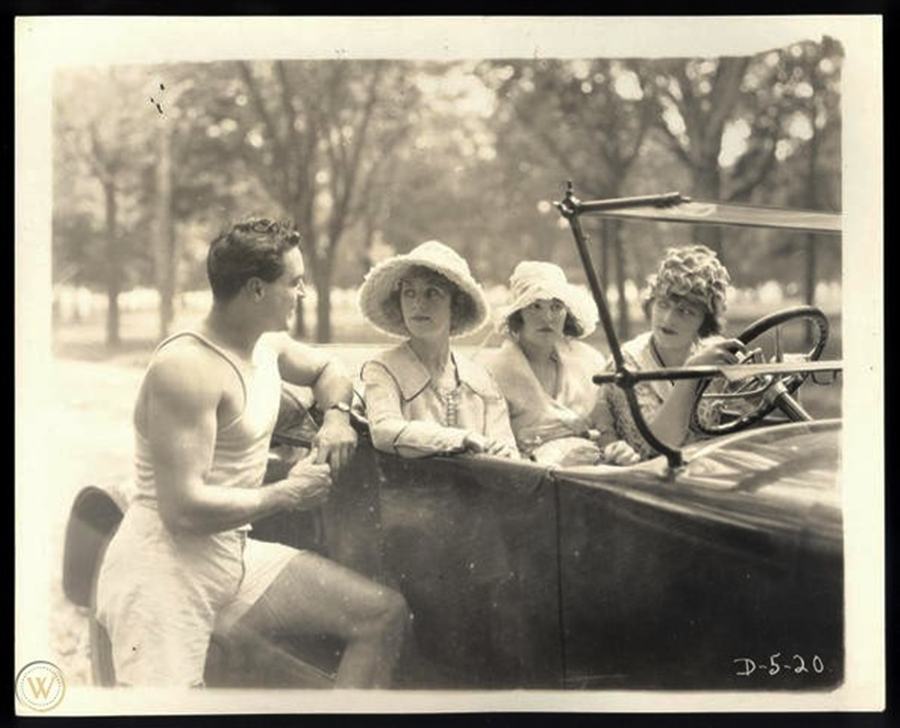
As a product of 1918, On the Jump serves as a fascinating lens through which to view silent era filmmaking and its role in shaping public opinion during wartime. The film's reliance on clear-cut heroes and villains, dramatic action sequences, and overt patriotic messaging was characteristic of the period. It wasn't just about telling a story; it was about galvanizing a nation. The character of Otto Crumley, the German agent, personifies the 'othering' of the enemy, a common propaganda technique. His infiltration of American institutions and theft of vital technology tapped into contemporary fears of espionage and sabotage, which were very real concerns during World War I. This portrayal is not unique; many films of the era, including perhaps those with similar themes of national defense, would have employed similar archetypes to rally public sentiment.
The film's pacing, even without the benefit of a modern soundtrack, would have been driven by the rapid succession of events: the interview, the betrayal, the campaign, the strike, the theft, the rescue, the chase, and the final confrontation. George Walsh, known for his athleticism, likely brought a dynamic physicality to the role of Jack Bartlett, making the action sequences, particularly the swim and the shipboard struggle, believable and exciting for contemporary audiences. His portrayal would have embodied the ideal of American masculinity—courageous, resourceful, and morally unblemished. Frances Burnham, as Margaret, would have provided the emotional heart, her vulnerability accentuating the stakes for the hero.
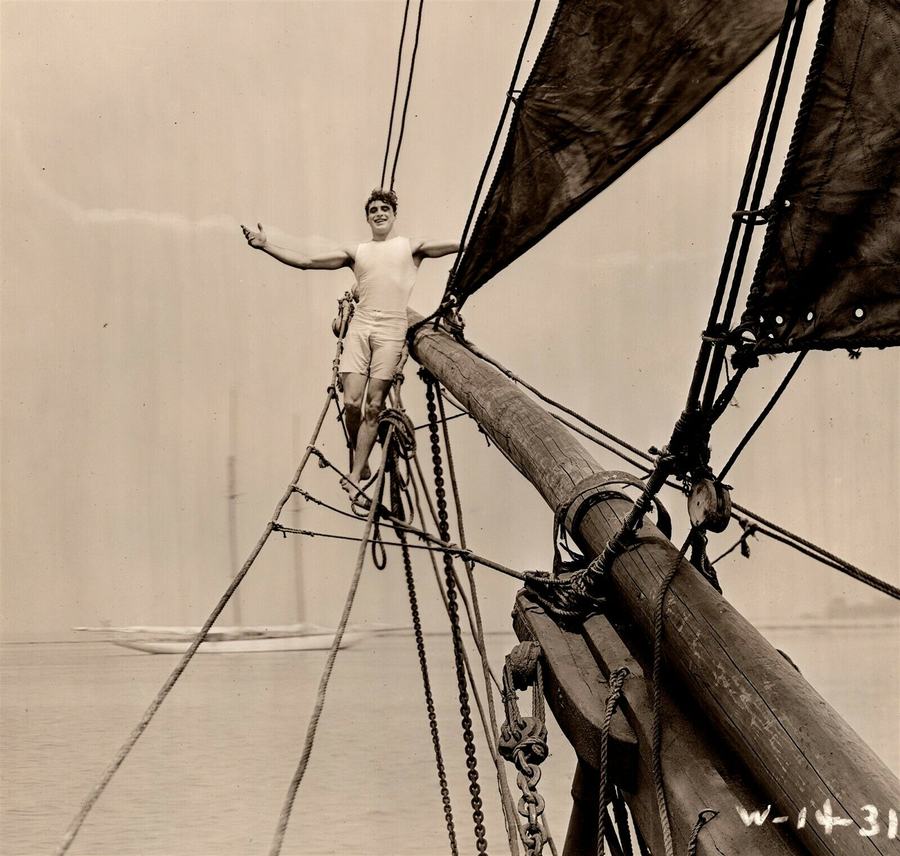
Raoul Walsh, a director who would go on to have an illustrious career spanning decades and genres, demonstrates an early command of narrative propulsion in On the Jump. Even in this early work, one can discern the nascent elements of his directorial style—a penchant for robust action, clear character motivations, and a brisk storytelling pace. While the technical sophistication of silent films was still evolving, Walsh's ability to craft a compelling, suspenseful narrative with a strong moral core is evident. His partnership with Ralph Spence on the screenplay ensured a plot that moved with purpose, building suspense and delivering satisfying resolutions. The film, in its essence, is a thrilling adventure, a blueprint for countless espionage thrillers that would follow. It showcases how early filmmakers understood the power of cinema to both entertain and influence, weaving patriotic messages seamlessly into the fabric of a gripping story.
Comparing it to other films of the era, one might see parallels in how national identity and heroism were constructed. For instance, a film like The Son of Democracy, by its very title, suggests a similar exploration of an individual embodying national virtues. While specific plot details would differ, the underlying current of celebrating American values and individual contributions to the greater good would likely resonate across such wartime productions. The stark portrayal of good versus evil, and the clear-cut triumph of the former, was a comforting and unifying message for audiences during a time of global uncertainty.
Today, On the Jump stands as more than just a historical curiosity. It’s a vital piece of cinematic heritage, offering insights into the cultural landscape of World War I America. While it may lack the nuanced psychological depth of later war dramas, its strength lies in its unvarnished enthusiasm and its direct engagement with the anxieties and aspirations of its time. For film historians and enthusiasts, it provides a valuable opportunity to witness the foundational elements of American action cinema taking shape, driven by a clear moral purpose and a compelling protagonist.
The film's enduring appeal, for those who seek it out, lies in its ability to transport us back to a moment when the stakes felt impossibly high, and heroes like Jack Bartlett, with their unwavering commitment to justice and nation, were desperately needed. It reminds us of a time when cinema was not just an art form, but a powerful instrument of national narrative, capable of inspiring, informing, and uniting a populace. The simple yet potent narrative of a good man fighting a great evil, amplified by the backdrop of global conflict, ensures that On the Jump, despite its age, retains a certain kinetic charm and historical significance.
Ultimately, On the Jump is a thrilling relic, a testament to the power of early cinema to rally a nation, demonize its enemies, and celebrate the quintessential American hero. It's a film that, while rooted in a specific historical moment, speaks to universal themes of loyalty, courage, and the relentless pursuit of justice. It stands as a vibrant example of how popular entertainment served as a mirror, and often a megaphone, for the prevailing sentiments of a nation at war.
IMDb 3.5
1934
Community
Log in to comment.