DbcultAccessing Vault...
5.8/10
Senior Film Conservator
A definitive 5.8/10 rating for a film that redefined the boundaries of cult cinema. The Tiger Woman remains a cornerstone of transgressive art.
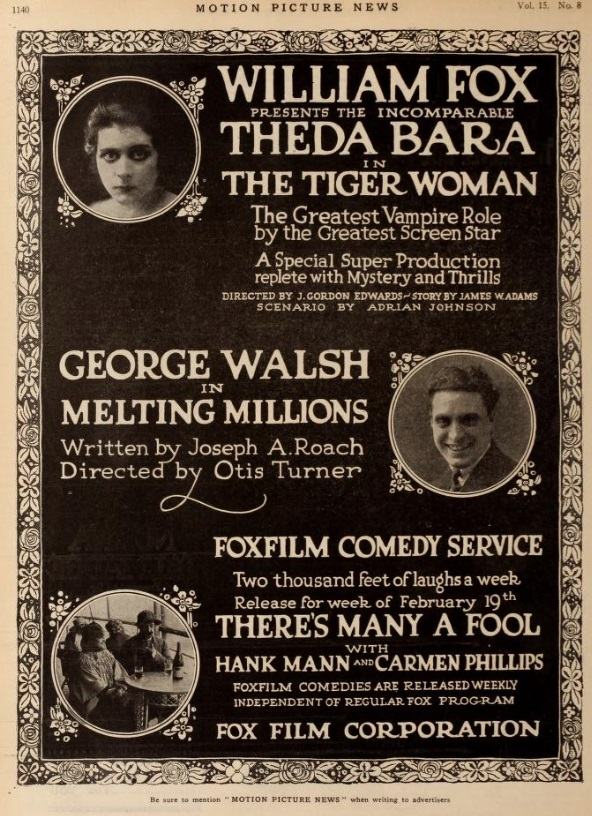
There are films that merely tell a story, and then there are cinematic events that etch themselves into the very consciousness of an era, defining archetypes and igniting societal discourse. Theda Bara's The Tiger Woman, a formidable silent-era melodrama from 1917, unequivocally belongs to the latter category. Directed with a keen eye for dramatic tension and penned by the collaborative genius of Adrian Johnson and James W. Adams, this picture is not just a film; it is a cultural artifact, a pulsating testament to the allure of the "vamp" and the enduring fascination with unadulterated evil. As an expert film critic, I find myself drawn to its audacious premise and the magnetic force of its leading lady, a combination that promised, and by all accounts delivered, a spectacle of moral ambiguity and grand theatricality.
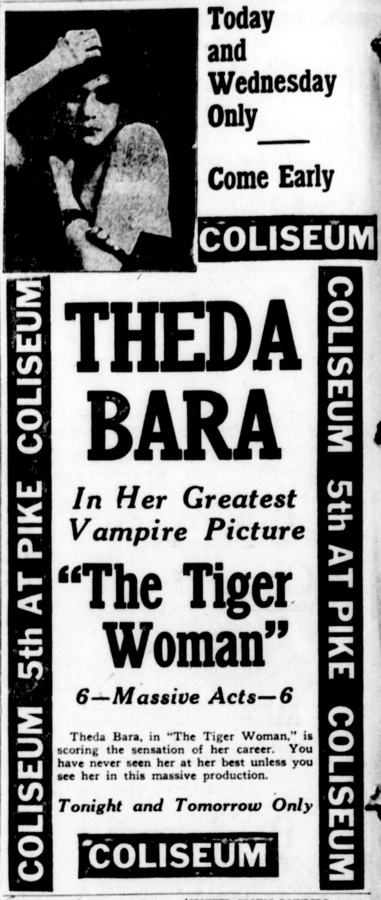
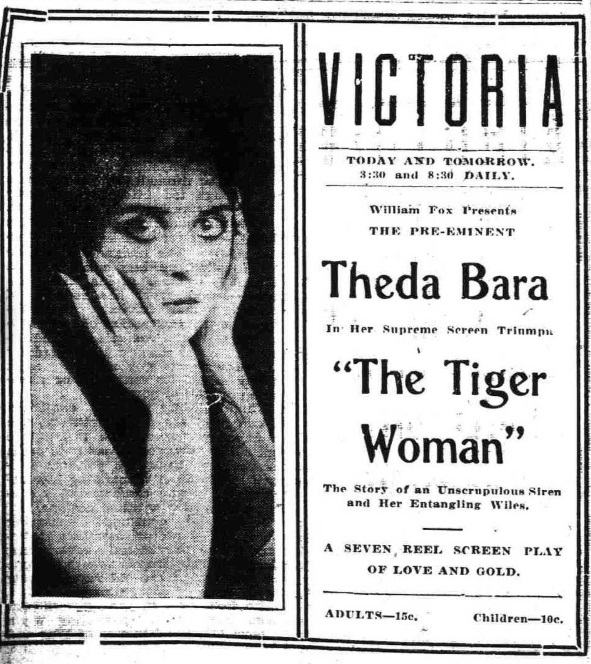
To speak of The Tiger Woman without first acknowledging the incandescent star power of Theda Bara would be an egregious oversight. Bara, born Theodosia Burr Goodman, was not merely an actress; she was a meticulously crafted persona, a marketing marvel conjured by Fox Film Corporation to embody the exotic, dangerous, and sexually potent "vampire woman" – or "vamp." Her presence in a film like this was not just a casting choice; it was a declaration. Audiences flocked to witness her hypnotic gaze, her extravagant costumes, and her ability to convey a simmering malevolence with just a flicker of her heavily kohled eyes. She was the anti-heroine supreme, a stark contrast to the innocent ingenues popular in early cinema, and her Princess Petrovich was the apotheosis of this character type. Bara didn't just play roles; she consumed them, projecting an aura of forbidden desire and imminent destruction that captivated millions. Her performance, even in its spectral absence for many modern viewers, resonates through the annals of film history as a masterclass in silent-era melodrama, a testament to the power of non-verbal storytelling.
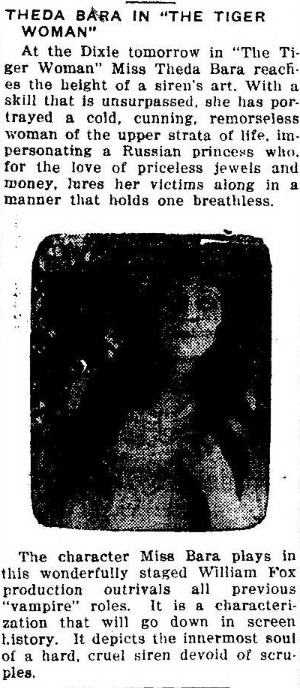
The narrative spine of The Tiger Woman is as audacious as its star. Princess Petrovich, on the verge of facing the ultimate reckoning – the gallows – embarks on a chilling journey through her past. This retrospective structure is a stroke of narrative brilliance, allowing the audience to witness her life of "almost unmitigated evil" not as a continuous unfolding, but as a series of remembered transgressions, each contributing to the inescapable fate awaiting her. This isn't a story of redemption sought or regret expressed; it's a cold, analytical re-examination of a life lived without moral compass, a testament to calculated cruelty. From her earliest machinations to her grandest deceptions, every betrayal, every broken heart, every shattered life is brought into sharp focus. The film posits a fascinating question: does the imminent threat of death bring clarity or merely a final, defiant embrace of one's true nature? For Princess Petrovich, it appears to be the latter, a stoic acceptance of a destiny she meticulously engineered. This narrative device elevates the film beyond a simple morality tale, transforming it into a psychological study of a character who, despite her villainy, commands a certain respect for her sheer consistency in evil.
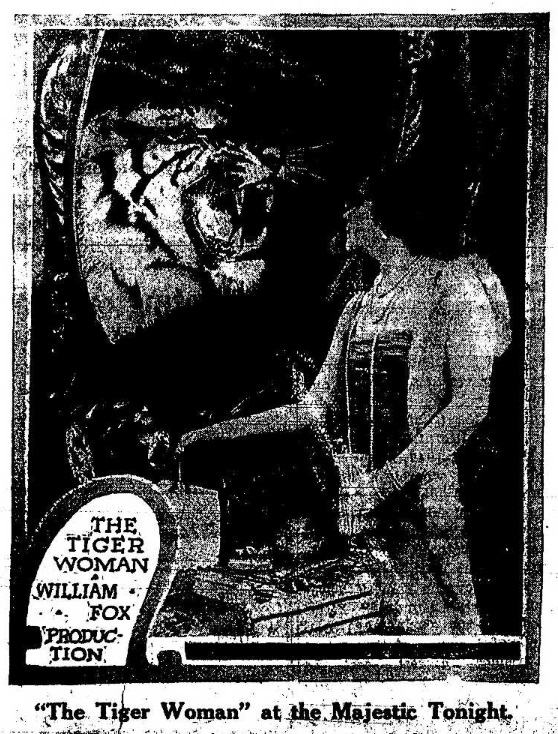
While specific directorial credits for The Tiger Woman are often debated or lost to time's cruel embrace for such early films, the visual language employed would have been paramount. In the silent era, storytelling relied heavily on exaggerated gestures, intricate set designs, dramatic lighting, and the strategic use of intertitles. For a character as complex and malevolent as Princess Petrovich, the director would have harnessed close-ups to magnify Bara's expressive face, allowing her eyes to convey volumes of deceit and desire. The choice of locations, whether opulent palaces or shadowy alleyways, would have mirrored the moral landscape of Petrovich's soul. Imagine the dramatic tension built through lingering shots of Bara's silhouette, or the stark contrast of her dark presence against the innocence she sought to corrupt. The pacing, too, would have been crucial: moments of rapid-fire action interspersed with languid, suspenseful sequences designed to heighten the psychological impact of Petrovich's retrospective. This visual lexicon, characteristic of early 20th-century cinema, would have transformed the abstract concept of "evil" into a tangible, visceral experience for the audience.
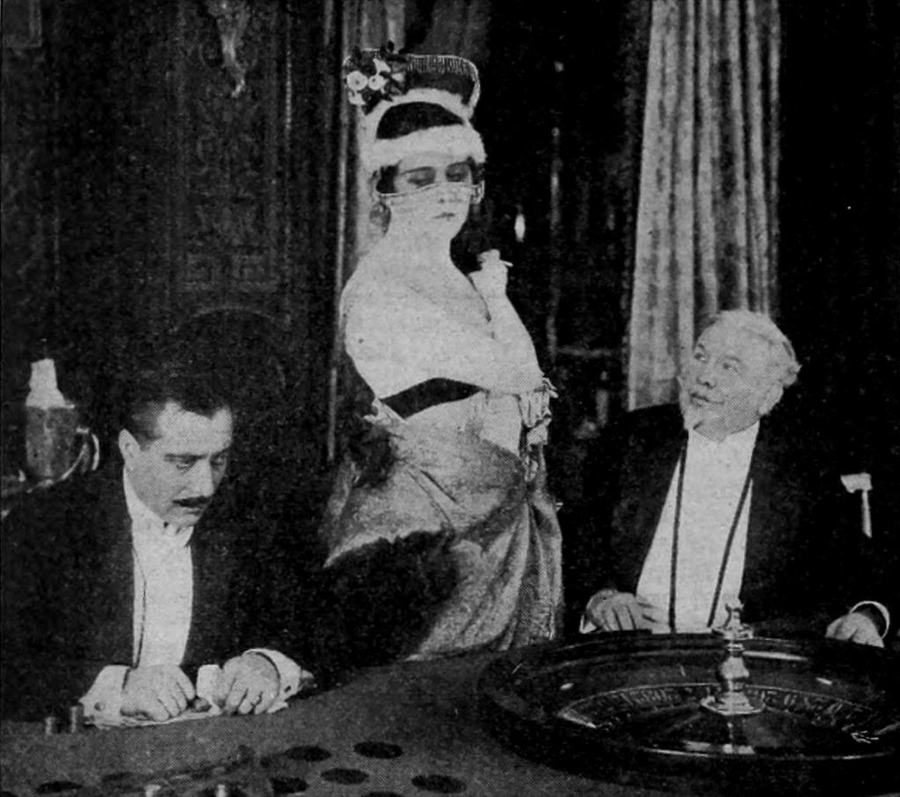
Even a star as luminous as Theda Bara required a strong ensemble to reflect her brilliance, and The Tiger Woman assembled a notable cast for its era. While Bara was the undisputed center, the reactions and interplay of actors like Kate Blancke, Herbert Heyes, and Hans Unterkircher would have provided the necessary dramatic foil to Princess Petrovich's machinations. Blancke, often portraying maternal or authoritative figures, might have embodied the moral counterpoint or the victim of Petrovich's schemes. Herbert Heyes, a prolific actor of the period, likely brought a gravitas or a sense of wronged integrity to his role, perhaps as a love interest betrayed or an adversary outwitted. Unterkircher, with his imposing screen presence, could have been cast as a powerful figure within Petrovich's world, either an ally or another pawn in her elaborate game. The supporting cast's ability to convey emotion without dialogue, relying solely on physical expression and facial cues, was fundamental to the silent film experience. Their performances, often overlooked in the shadow of a star like Bara, were nonetheless critical in building the intricate web of relationships and consequences that defined Petrovich's life. The contributions of Louis Dean, Emil De Varney, Charles McCann, Mary Martin, George Clarke, Florence Martin, Glen White, Kittens Reichert, John Webb Dillion, Edward Holt, and Edward Roseman, each playing their part, would have created the rich tapestry against which Bara's "tiger woman" could truly roar.
The foundation of any compelling film lies in its screenplay, and for The Tiger Woman, Adrian Johnson and James W. Adams crafted a narrative that perfectly suited the sensationalist tastes of the time while providing a robust framework for Bara's vamp persona. Their collaboration would have been crucial in designing the intricate plot twists, the moments of high drama, and the precise character beats that allowed Petrovich's "unmitigated evil" to unfold convincingly. The challenge for silent film writers was immense: to convey complex emotions, motivations, and plot points primarily through action and concise intertitles. Johnson and Adams evidently understood the rhythm of silent cinema, constructing a story that could be understood visually and emotionally, even without spoken dialogue. The decision to frame the entire story as a retrospective from the gallows is a testament to their narrative ingenuity, adding layers of suspense and dramatic irony. It suggests a sophisticated understanding of how to manipulate audience empathy and judgment, forcing viewers to confront the protagonist's choices alongside her, albeit from a position of impending doom. This structural choice alone speaks volumes about their craft, transforming a standard melodrama into something more introspective, albeit darkly so.
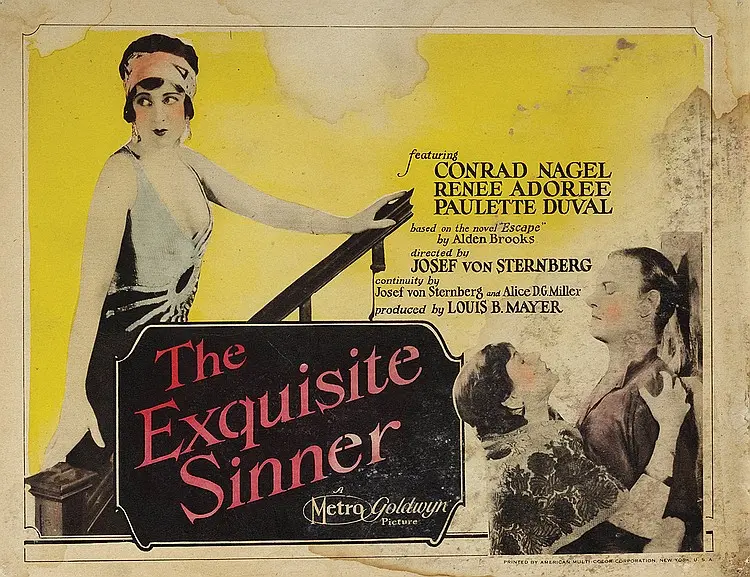
To fully appreciate The Tiger Woman, it's beneficial to situate it within the broader landscape of early 20th-century cinema. Theda Bara's "vamp" was a direct response to the prevailing moralistic narratives, offering audiences a thrilling glimpse into forbidden desires. This film stands in fascinating contrast to works like An Innocent Magdalene, which often explored themes of redemption and virtue, or even The Fortunes of Fifi, which typically presented more straightforward romantic or comedic narratives. Where those films offered comfort or conventional heroism, The Tiger Woman offered a visceral thrill, a descent into the morally ambiguous.
The film’s focus on a powerful, manipulative woman also finds echoes in other period pieces, though perhaps none as overtly sinister. Consider the epic scale and historical sweep of The Conqueror, which, while focusing on male heroism, shared a grandiosity of narrative. Or the more exotic settings found in films like Arshin mal-alan, which transported audiences to different cultural milieus. The Tiger Woman, however, carved its own niche by presenting a villainess as the central, compelling figure, a stark departure from the damsels in distress or the virtuous heroines of many contemporary productions. The film's emphasis on betrayal and the consequences of moral corruption also brings to mind the dramatic tension found in works like Mutiny, albeit on a more personal, psychological battleground rather than a literal one.
The very title, The Tiger Woman, evokes a sense of predatory danger, a theme explored in different guises across cinema. While not directly comparable in plot, the allure of the dangerous woman found its way into countless narratives, from the more nuanced explorations of character in films like Sonad skuld (though that translates to 'Atonement of Guilt', suggesting a different moral trajectory) to the grand, often tragic, figures of films like The Woman God Forgot. Bara’s persona, however, was unique in its explicit embrace of the dark side, forging a path for future cinematic anti-heroines. Her influence extended beyond mere entertainment; she sparked conversations about female agency, sexuality, and the boundaries of moral depiction in art, much like the controversial figures in later, more modern films.
Despite the unfortunate reality that many silent films, including potentially The Tiger Woman, are considered lost or exist only in fragments, its impact is undeniable. The conceptual power of a character like Princess Petrovich, brought to life by the iconic Theda Bara, transcends mere celluloid. It speaks to a primal human fascination with evil, with power, and with the consequences of unchecked ambition. The film, even in its absence, serves as a crucial touchstone in understanding the evolution of the femme fatale archetype, a lineage that extends from Bara to Greta Garbo, to film noir sirens, and even to contemporary complex female villains.
The Tiger Woman was more than just a movie; it was a phenomenon, a cultural touchstone that helped define an era of cinematic experimentation and audience engagement. It challenged conventional morality, celebrated a form of defiant female power, and solidified Theda Bara's place as one of the most compelling and enigmatic stars of the silent screen. Its narrative audacity, coupled with Bara's unforgettable performance, ensures its place in film history, not just as a lost gem, but as a potent symbol of cinema's early, daring explorations into the human psyche's darkest corners. The film’s enduring allure lies not only in its sensational plot but in its profound commentary on the nature of good and evil, and the captivating power of a woman who chose the latter without apology. It remains a stark, compelling reminder of the daring narratives and powerful personas that shaped the nascent art form of cinema, a true testament to the "tiger woman" within us all.
IMDb 5.7
1926
Community
Log in to comment.