DbcultAccessing Vault...
Cult Review
Senior Film Conservator
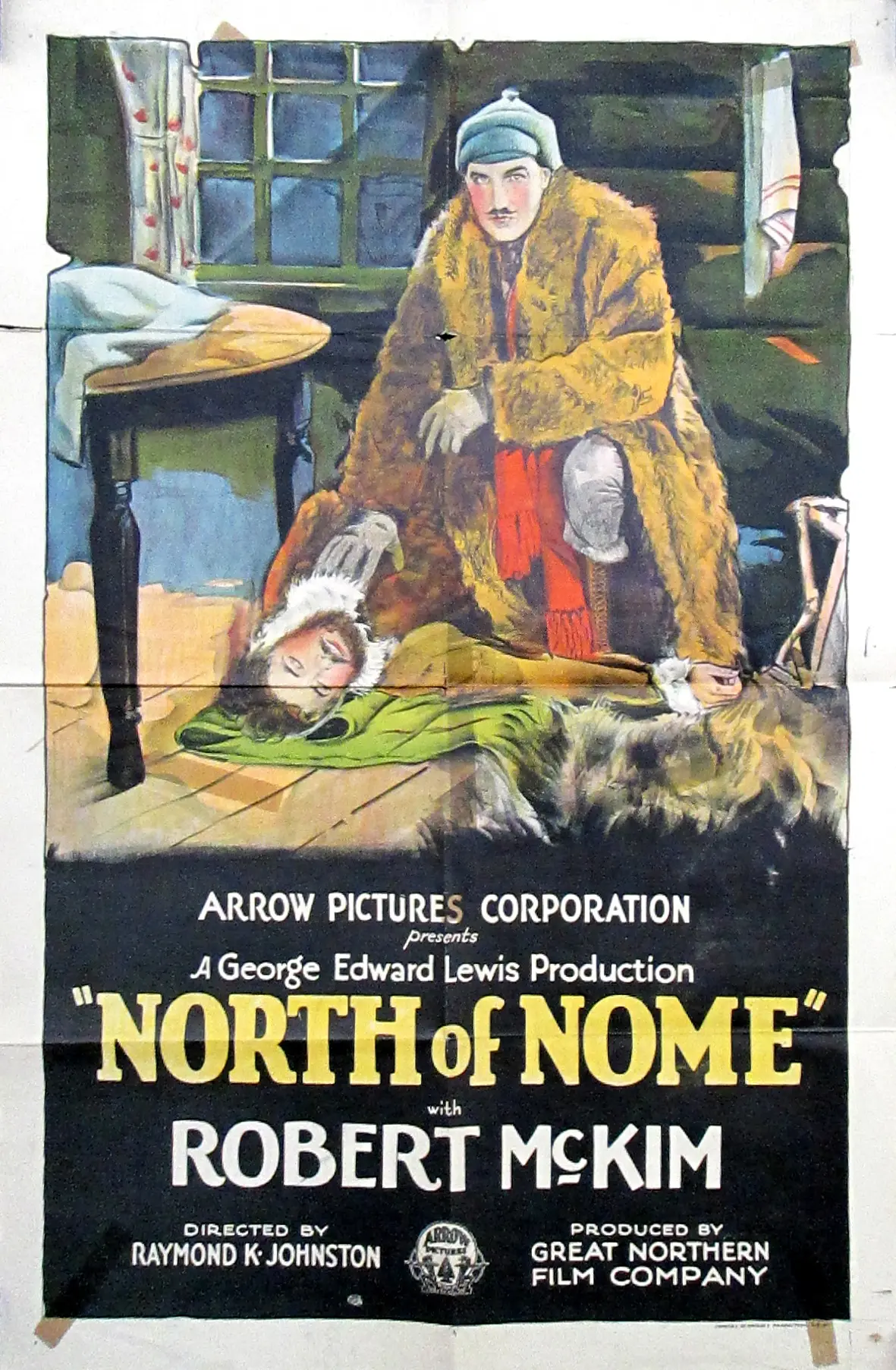
Is 'North of Nome' worth watching today? Short answer: yes, but with significant caveats. This silent era drama is a fascinating artifact for cinephiles and historians, yet its melodramatic excesses and narrative contrivances might test the patience of a modern, casual viewer.
It’s a film best suited for those with a genuine appreciation for the foundational storytelling of early cinema, particularly fans of frontier narratives and grand, emotional spectacles. Conversely, it will likely disappoint viewers seeking fast-paced action, nuanced character development by today's standards, or a purely realistic Alaskan narrative.
This film works because of its ambitious scope, the raw, uninhibited performances of its lead actors, and its unique, stark Alaskan setting which lends a powerful backdrop to the human drama. This film fails because of its heavy reliance on convenient, often jarring, plot twists, the underdevelopment of several key supporting characters, and an occasionally stilted pacing that struggles to maintain consistent tension. You should watch it if you are prepared to engage with a historical piece, valuing its place in cinematic evolution and its bold emotional strokes, even when they verge on the theatrical.
Harvey Gates's 'North of Nome' plunges its audience into a brutal landscape, where human passions clash against the indifferent majesty of the Alaskan wilderness. The film, a product of its time, leans heavily into the melodramatic, crafting a narrative that prioritizes grand emotional arcs over subtle psychological depth. From the outset, the stakes are clear: survival is paramount, and justice, a scarce commodity.
The story unfolds with a stark simplicity, typical of early silent features, yet it manages to weave a complex web of love, betrayal, and redemption. The initial encounter between Zelma and the villainous Quig Lanigan, swiftly intervened by the stranger, Bruce McLaren, sets a tone of immediate peril and heroism. This isn’t a slow burn; it’s a rapid escalation of events designed to hook the viewer emotionally, even if the logical leaps occasionally strain credulity.
What truly anchors this melodrama is the setting. The Alaskan frontier isn't just a backdrop; it's a character in itself. The vast, snow-covered expanses, hinted at through sparse but effective cinematography, evoke a sense of isolation and vulnerability. This starkness amplifies the human drama, making every act of kindness, every moment of betrayal, feel magnified against the overwhelming forces of nature. The cold, the distance, the struggle for basic necessities – these elements are subtly woven into the fabric of the story, giving weight to the characters' plights.
Yet, the film’s commitment to melodrama is also its defining characteristic. The swift turns of fate, the sudden shifts in character allegiance, and the ultimate, almost divine intervention of the snow-slide to resolve the central conflict, are all hallmarks of a storytelling tradition that embraced heightened reality. It asks the audience to suspend disbelief in favor of emotional impact, a trade-off that was common in the era but can feel jarring to modern eyes accustomed to more naturalistic narratives. The story is a series of emotional hammer blows, each designed to elicit a strong reaction, rather than a slow, simmering build.
The performances in 'North of Nome' are undeniably products of the silent era, characterized by broad gestures, exaggerated facial expressions, and a theatricality that served to convey emotion without the aid of spoken dialogue. To dismiss this as mere 'overacting' would be to fundamentally misunderstand the craft of silent film performance. These actors were tasked with translating complex internal states into a universally legible physical language, and in many respects, they succeeded with remarkable conviction.
Gladys Johnston, as Zelma, is the emotional anchor of the film. Her portrayal is a masterclass in silent screen emoting. Consider the scene where she believes Bruce has killed her father; her face contorts with a devastating blend of horror, heartbreak, and furious betrayal. Her eyes, wide and glistening, convey a depth of despair that transcends the lack of spoken words. It’s a powerful, almost visceral performance, making her subsequent misguided actions understandable, if not entirely forgivable, within the context of her grief and shock.
William Dills, as the unjustly accused Bruce McLaren, delivers a performance marked by stoicism and a quiet dignity that hints at his inner turmoil. He carries the burden of his fugitive status with a weary resolve, only truly softening in his tender interactions with Zelma. His moments of despair are less overt than Johnston’s, conveyed through a slumped posture or a lingering gaze, suggesting a man resigned to his fate but not broken by it. The contrast between his composed exterior and the injustice he suffers creates a compelling tension.
Howard Webster's Tate Killaly, Zelma's father, provides a grounding presence, embodying the rugged spirit of the frontier settler. Robert N. Bradbury's Henri Cocteau, on the other hand, is painted with broad strokes of villainy. His sneering expressions
IMDb —
1927
Community
Log in to comment.