DbcultAccessing Vault...
5.8/10
Senior Film Conservator
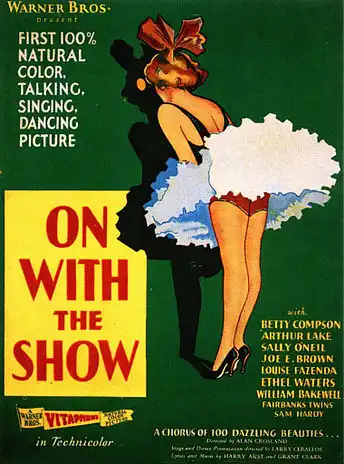
A definitive 5.8/10 rating for a film that redefined the boundaries of cult cinema. On with the Show! remains a cornerstone of transgressive art.
If you have any interest in how movies actually started talking, you should watch this today. It is a bit of a loud mess, but it’s a fascinating loud mess. People who love theater history or early Hollywood will probably have a blast. If you can’t stand old movies where everyone shouts their lines like they are trying to wake up a neighbor three houses down, you will hate this.
It’s 1929 and the world was changing so fast. This was advertised as the first 100% natural color, all-singing movie. That was a huge deal back then. You can almost feel the movie puffing its chest out, trying to prove it can do everything at once.
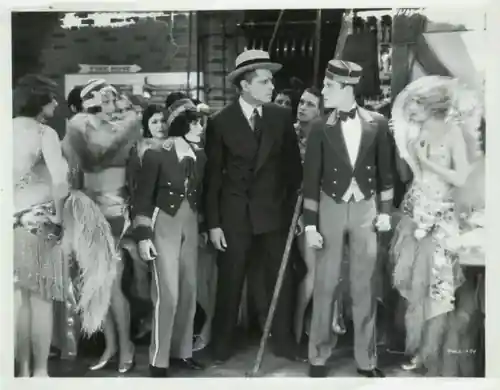
The plot is something we have seen a thousand times since. A theater troupe is putting on a show, but they have no money. The actors are cranky because they haven’t been paid. The star, Nita French, decides she isn't going on, which leaves an opening for the little hatcheck girl, Kitty Tyme. It’s the classic 'a star is born' moment, but it feels a bit more desperate here because of the setting.
The sound is... well, it’s a bit of a nightmare. Because microphones were new and clunky, everyone just yells. You can tell they were terrified the audience wouldn't hear them. It makes the dialogue scenes feel like a series of shouting matches. Even when they are supposed to be being romantic, it sounds like they are calling for a taxi in a thunderstorm.
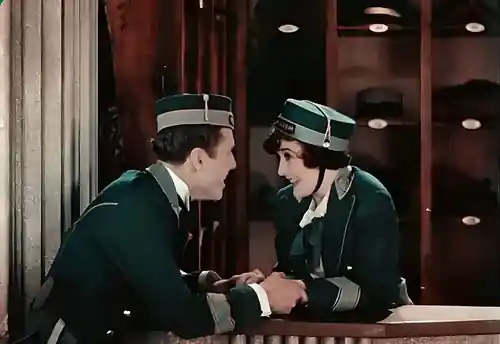
But then there is Ethel Waters. Wow. When she comes on to sing 'Am I Blue?', the movie stops being a goofy relic and becomes something real. Her voice is just incredible. She has this way of looking at the camera that makes everyone else in the cast look like they are just playing pretend. It’s one of the few moments where the movie feels modern in its emotion.
I noticed this one extra in the background of the dressing room scene. He just stands there for about thirty seconds holding a pair of shoes and looking completely lost. I wonder if he even knew the camera was rolling. Moments like that are why I love these old films; they aren't as polished as what we get now. You see the seams.
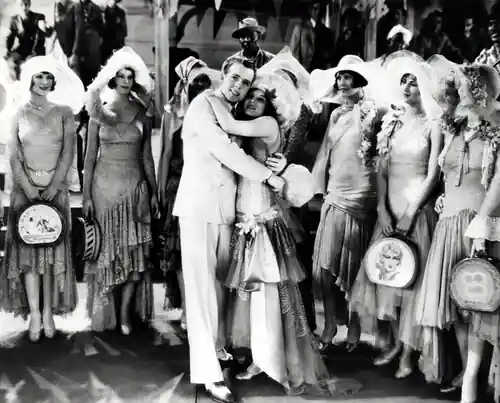
Joe E. Brown is in this too. He’s the guy with the massive mouth who does a lot of yelling and physical comedy. He is a lot to take. Sometimes he’s funny, but other times you just want him to go stand in a different room for a while. He has this energy that makes the movie feel like Tillie's Punctured Romance but with the volume turned up to eleven.
The color in the version I saw is a bit faded, mostly pastels and weird oranges. It doesn't look 'natural' at all by our standards. It looks like a painting that someone left out in the sun for a few years. But you can imagine how mind-blowing it must have been in a dark theater in 1929. It’s much more ambitious than something like The White Rider which came out around the same time.
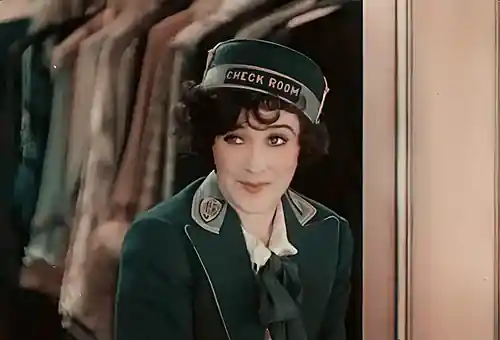
The musical numbers are staged in a very flat way. The camera doesn't move much because it was stuck inside a big soundproof box back then. So the dance scenes feel like you are sitting in the fifth row of a theater and can't move your head. It’s a bit stiff. Some of the dancing is actually pretty impressive, though, especially considering the heavy costumes they had to wear.
I actuallly found the backstage bickering more interesting than the 'Phantom' show they were trying to put on. There is a lot of talk about money and debt collectors. It feels grounded in a way that the sparkly stage numbers don't. It reminded me of the frantic vibe you get in One Stolen Night, where everyone just feels like they are on the edge of a nervous breakdown.
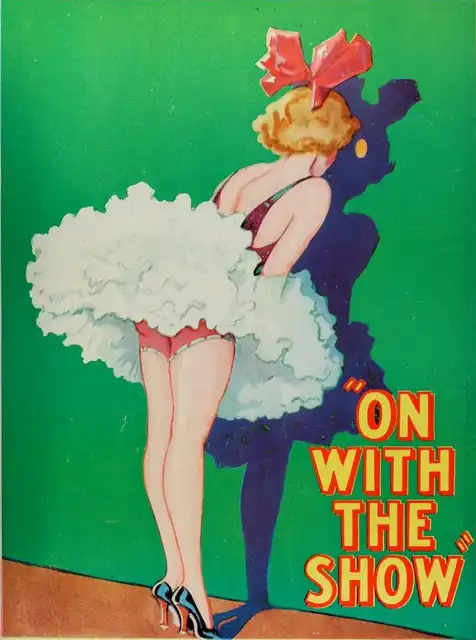
There is a strange scene with a dog that seems to go on forever. I think they just wanted to prove the microphone could pick up a dog barking. It doesn't add anything to the story. It’s just there. Bark. Bark. Bark. Okay, we get it, the movie has sound.
The script is pretty thin if you really look at it. The characters don't have much depth beyond 'the mean star' or 'the sweet girl.' But that’s not really why you watch a movie from 1929. You watch it to see the transition. You watch it to see the birth of a genre. It feels way more experimental than something like How to Use the Dial Telephone, which is obviously just a demo.
One thing that really stuck with me was the costume design. Everything is so big. There are feathers and sequins everywhere. It must have been a nightmare to move around in those sets. I think I saw someone trip slightly during one of the big group numbers, but they just kept going. The show must go on, I guess. That’s the title, after all.
Is it a masterpiece? No. It’s a bit of a slog in the middle when the songs start to sound the same. The pacing is weird because they haven't figured out how to edit sound movies properly yet. But it has so much heart. It feels like everyone involved was terrified and excited at the same time.
I’d say it’s definitely better than Buster's Orphan Party if you want to see what big-budget entertainment looked like at the end of the silent era. It’s a time capsule. If you can get past the yelling and the fuzzy audio, there is something really charming here. Especially Ethel. Seriously, watch it for Ethel.
It’s not a perfect movie, but its a real one. You can feel the sweat and the panic of the transition to sound. That counts for a lot in my book. 🎟️
IMDb 6.1
1934
Community
Log in to comment.