DbcultAccessing Vault...
Cult Review
Senior Film Conservator
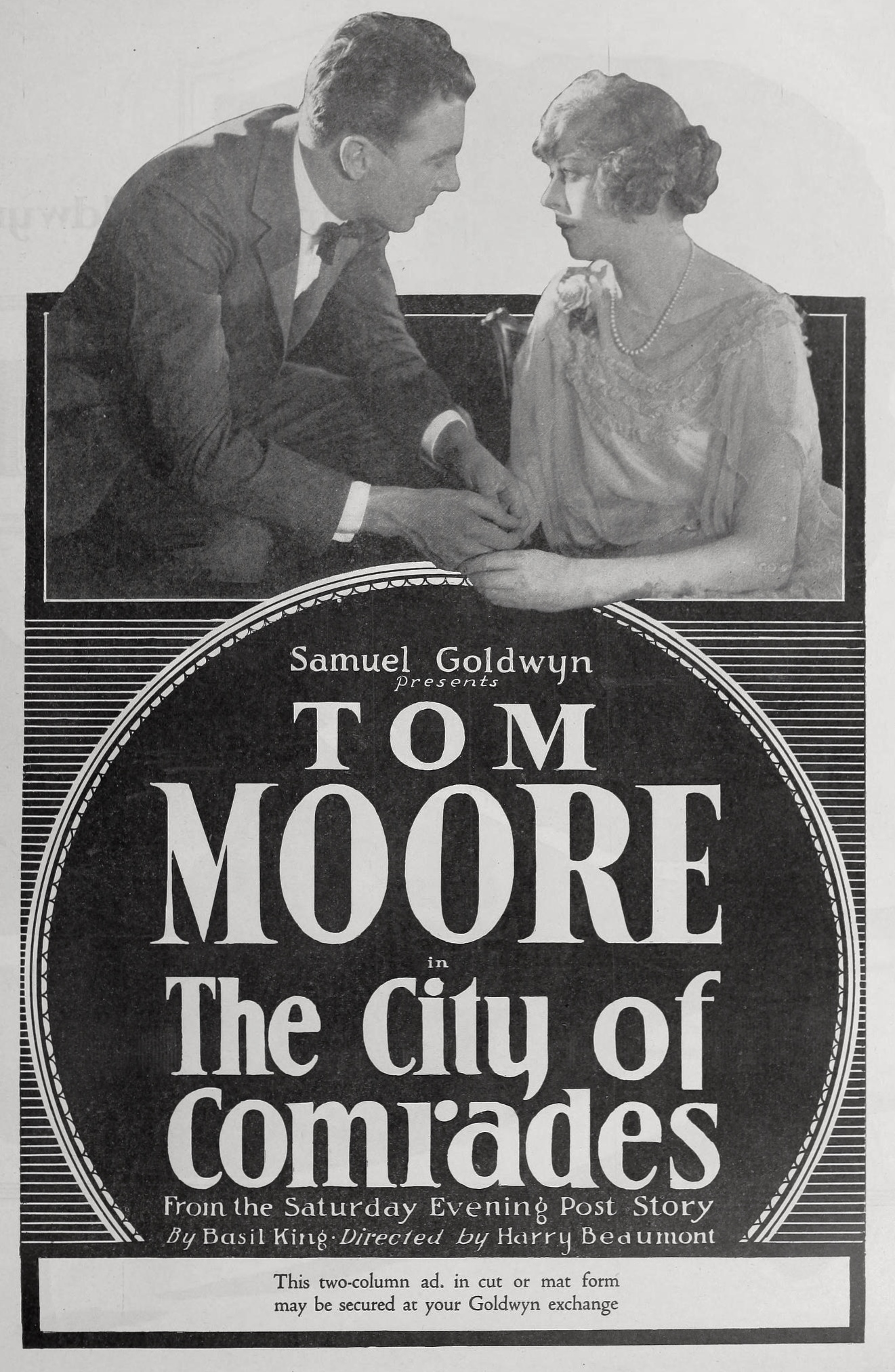
In the annals of silent cinema, where narrative often relied on grand gestures and stark moral dichotomies, The City of Comrades (1918) emerges as a surprisingly nuanced and emotionally resonant work. This is not merely a tale of a man’s fall and redemption, but a meticulous exploration of societal judgment, the transformative power of compassion, and the intricate dance of human connection. It’s a film that asks us to look beyond superficial appearances, to probe the depths of character, and to understand that the extraordinary often lies hidden within the most unexpected individuals.
At its core, the narrative orbits around Frank Melbury, portrayed with compelling intensity by Alan Roscoe. Melbury is introduced not as a villain, but as a victim of his own choices, a once-respected architect whose life has been irrevocably altered by the insidious grip of alcoholism. His descent into destitution is palpable, a stark visual testament to the societal anxieties of the era concerning moral decay and urban squalor. The early scenes, depicting Frank and his companion, “Lovey” (Otto Hoffman), consumed by hunger, are stark and unromanticized, setting a grim stage for the desperate act that follows. This isn't a romanticized portrayal of the 'noble' thief; it's a raw depiction of survival at its most primal, a testament to how extreme circumstances can warp even a once-honorable soul.
The pivotal moment arrives not through a grand, external intervention, but through an intimate, almost accidental act of eavesdropping. While pilfering from Regina Barry’s (Seena Owen) home, Frank overhears her candid conversation with Elsie (Mary Warren). Regina, a woman of apparent privilege, expresses a profound dissatisfaction with her fiancé, Dr. Stephen Cantyre (Ralph Walker), yearning for a man who embodies something ‘more out of the ordinary.’ This seemingly casual utterance becomes a catalyst for Frank’s nascent moral awakening. It’s a brilliant narrative stroke, imbuing Frank with a complex inner life. His decision to return the stolen jewels is not merely an act of fear, but a response to Regina’s unwitting challenge, a silent declaration that he, too, possesses an extraordinary spirit, albeit one buried beneath layers of despair.
Seena Owen, as Regina, delivers a performance that subtly conveys her character’s initial superficiality and subsequent growth. Her portrayal of a woman who desires the ‘extraordinary’ without truly understanding its multifaceted nature is compelling. The confrontation between Frank and Regina after he returns the jewels is charged with unspoken tension. She allows him to flee, a moment of profound empathy that transcends the typical victim-perpetrator dynamic. It hints at a deeper connection, a recognition of something beyond the immediate crime. This scene alone elevates the film from a simple morality play to a more intricate character study, reminiscent of the psychological depth explored in films like The Picture of Dorian Gray, albeit with a different trajectory of moral reckoning.
The film then introduces its namesake, “The City of Comrades,” a social welfare home that serves as a literal and metaphorical haven for the downtrodden. This institution is depicted not as a punitive facility, but as a place of genuine regeneration, a beacon of hope in a society grappling with the aftermath of industrialization and war. It’s here that Frank, along with “Lovey,” seeks refuge, embarking on a path of rehabilitation. The choice of this setting allows the film to explore themes of social responsibility and the potential for collective good, topics that resonated deeply in the early 20th century. Dr. Cantyre, Regina’s fiancé, ironically becomes Frank’s guide and mentor within this establishment. Ralph Walker portrays Cantyre with a quiet dignity, a man of principle whose actions speak louder than words. His compassion for Frank, unaware of the complex history binding them, is a powerful testament to his character.
Frank’s transformation within “The City of Comrades” is portrayed with a believable gradualism. He doesn’t instantly become a new man; it’s a process of self-discovery and discipline. His return to his profession as an architect symbolizes not just personal success, but a reintegration into society, a reclaiming of his identity. This narrative arc, while seemingly straightforward, is imbued with emotional depth by Roscoe’s performance, conveying the internal struggle and ultimate triumph. The film implicitly argues that true reform requires not just punitive measures, but empathetic support and a belief in an individual's inherent worth.
The narrative takes an ironic turn when Regina and the reformed Frank meet again. She fails to recognize him, a poignant commentary on how external appearances and societal labels can obscure a person's true essence. This lack of recognition underscores the profound change Frank has undergone. When he eventually reveals his past, Regina's reaction is one of rejection. This moment is crucial; it challenges the audience's romantic expectations and highlights Regina’s own internal conflicts. Her earlier desire for the ‘extraordinary’ now clashes with the uncomfortable reality of Frank’s criminal past. It’s a powerful examination of the gap between idealized desires and the messy complexities of real human connection.
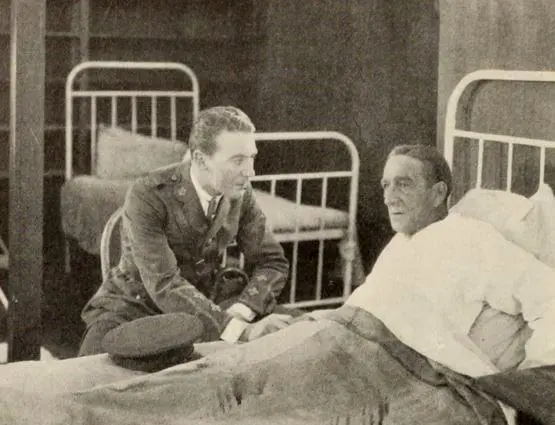
The subsequent chapters of Frank’s life unfold with a tragic grandeur. His enlistment in the Canadian forces and subsequent blinding in the devastating Halifax explosion imbue his character with a new layer of heroic sacrifice. The Halifax explosion, a real-life catastrophe of immense scale, grounds the narrative in historical reality, adding a layer of gravitas and national significance. This act of selflessness, the ultimate sacrifice for his nation, transforms Frank from a man seeking redemption into a figure of profound suffering and quiet heroism. It’s a powerful cinematic choice, elevating his journey beyond personal struggle to one of universal resonance. This kind of dramatic, life-altering event that reshapes a character's destiny is a common, yet often effective, device in silent era dramas, seen in other films that explore the consequences of war or societal upheaval.
The climax of the story finds Regina on the cusp of marrying Cantyre, a safe, respectable choice. Yet, news of Frank’s illness in the hospital reaches her, acting as a final, decisive call to conscience. Her decision to nurse him, to tend to his wounds both physical and emotional, marks the culmination of her own transformation. It is through this act of selfless care that she truly recognizes the ‘extraordinary’ man she once longed for, not in a superficial sense of societal standing or an absence of flaws, but in the profound resilience, sacrifice, and enduring spirit of Frank Melbury. His blindness, paradoxically, opens her eyes to his true worth, stripping away the external judgments that once clouded her perception.
The final agreement to be his wife is a deeply moving resolution, one that transcends mere romantic convention. It's a testament to a love forged in adversity, purified by sacrifice, and grounded in a mature understanding of human fallibility and strength. The film suggests that true love is not about finding a flawless individual, but about accepting and embracing the full spectrum of another's humanity, scars and all. It’s a powerful statement on the nature of compassion and commitment, delivered without a single spoken word, relying instead on the expressive performances of Owen and Roscoe, and the evocative power of the visual narrative.
Beyond its compelling narrative, The City of Comrades stands as a fine example of silent film craftsmanship. The direction, while not overtly flashy, is effective in conveying emotional states and advancing the plot. The use of intertitles is judicious, providing necessary exposition without overwhelming the visual storytelling. The cinematography, while constrained by the technology of the time, skillfully uses lighting and composition to underscore mood and character development. The performances, particularly by Seena Owen and Alan Roscoe, are a masterclass in silent acting, relying on facial expressions, body language, and subtle gestures to communicate complex emotions. Owen’s transformation from a somewhat jaded socialite to a compassionate woman is particularly noteworthy, her eyes conveying a depth of feeling that transcends the lack of dialogue. Roscoe, too, manages to portray Frank’s journey from despair to quiet strength with remarkable authenticity.
The supporting cast, including Otto Hoffman as the loyal “Lovey” and Alec B. Francis, Kate Lester, and Tom Moore in their respective roles, contribute to the film’s rich tapestry of characters, each playing their part in Frank’s journey. Even though specific writer credits are not always prominently documented for films of this vintage, the narrative structure and thematic depth suggest a thoughtful and deliberate construction of the story, allowing for a nuanced exploration of morality and human connection. It's a testament to the power of early cinema to craft compelling dramas that resonate with universal truths, much like the enduring appeal of profound narratives found in works such as A Celebrated Case, which also delves into complex legal and moral quandaries.
Ultimately, The City of Comrades is more than just a historical artifact; it’s a timeless exploration of humanity’s capacity for both failure and transcendence. It serves as a powerful reminder that redemption is always within reach, that compassion can bridge the widest social divides, and that true love often reveals itself in the most unexpected and challenging circumstances. The film’s message about social welfare and the regeneration of individuals remains remarkably pertinent today, making it a work that transcends its historical context. It challenges viewers to reconsider their preconceptions about those who fall from grace and to acknowledge the inherent dignity and potential for greatness within every individual, regardless of their past. This silent film, despite its age, speaks volumes about the enduring human spirit.
It's a testament to the era's storytelling prowess that such intricate emotional and social themes could be conveyed with such clarity and impact without the benefit of spoken dialogue. This film deserves to be rediscovered and appreciated not just for its historical significance, but for its profound and moving narrative that continues to resonate with audiences who seek stories of resilience, transformation, and the redemptive power of love. It stands as a robust example of how early cinema tackled complex human conditions, offering a mirror to society's struggles and aspirations, much like the introspective journey found in Le chemineau, which also explores the wanderer's path to an altered destiny.
IMDb —
1924
Community
Log in to comment.