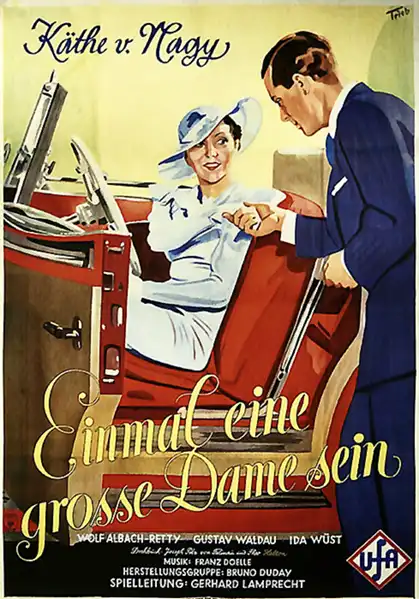
DbcultAccessing Vault...
6.5/10
Senior Film Conservator
A definitive 6.5/10 rating for a film that redefined the boundaries of cult cinema. Once a Great Lady remains a cornerstone of transgressive art.
If you have a soft spot for movies where someone hides behind a fake accent and a fancy dress, Once a Great Lady might hit the spot. If you prefer your cinema to have, you know, actual stakes or a pulse, you’ll probably be bored within twenty minutes. It’s a very specific flavor of 1930s fluff—light, polite, and completely obsessed with the idea that being a 'countess' is the peak of human existence.
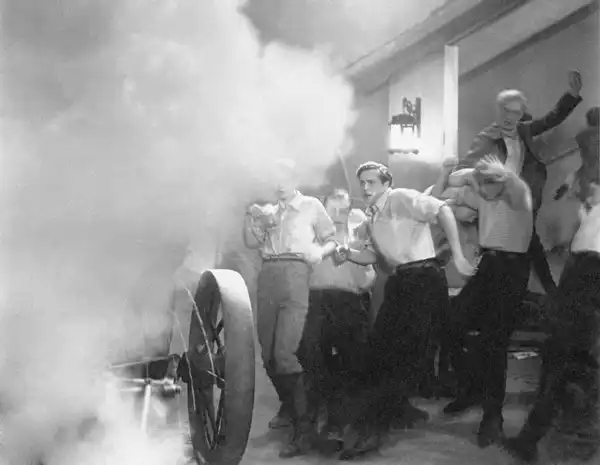
The story is basically a game of 'don't get caught.' Our lead works as a secretary, which apparently isn't glamorous enough for her, so she fakes being royalty to impress some Australian guy. It’s the kind of premise that worked better in theaters back then than it does on a laptop screen now.

There is this one scene involving a telephone call that goes on for a bit too long. The actress is clearly doing her best to look panicked, but the pacing feels like the director just let the camera roll while everyone had a cup of coffee. It’s oddly sweet, even if it adds absolutely nothing to the movie.
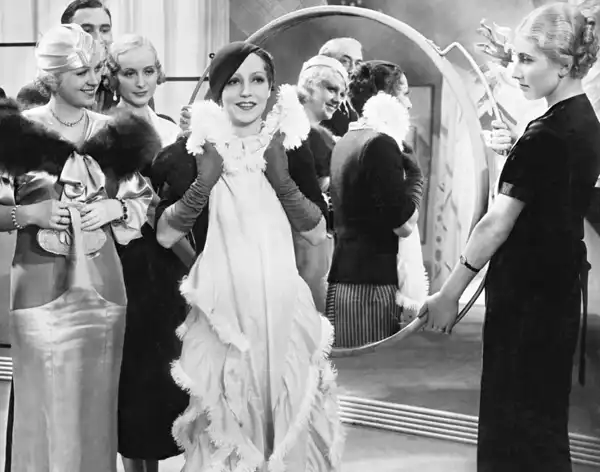
It’s not quite as sharp as Der moderne Casanova, which at least had a bit more mischief in its bones. This one plays it very safe. Everyone is well-dressed and the sets are perfectly polished, but you get the sense that the furniture might be the most interesting thing on screen.
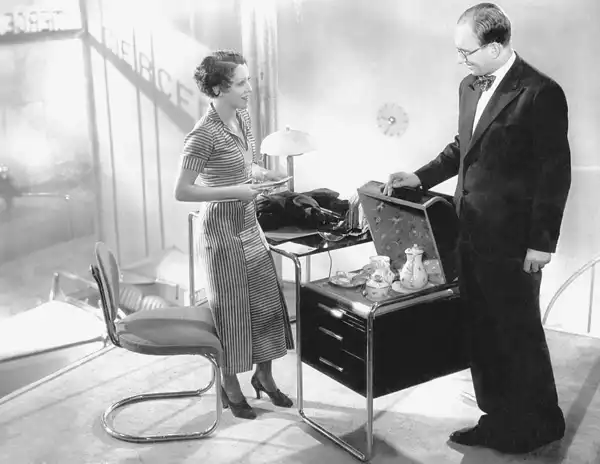
It reminds me a bit of the frantic energy in The Hollywood Kid, but without the chaotic edge. Here, the biggest crisis is someone finding out a secret, not a whole life falling apart. It’s nice, but it’s small. Maybe too small.

Don't expect some deep dive into the Berlin business scene or the Australian perspective on life. This is a movie that really just wants to be a lighthearted distraction. It’s like watching a stage play from the back row—you see all the movements, but you miss the sweat on their brows. 🎩
Is it a masterpiece? No. Is it a decent way to spend a rainy afternoon when you don't want to think about your emails? Sure. Just don't go in expecting a revolution in storytelling.