DbcultAccessing Vault...
6.1/10
Senior Film Conservator
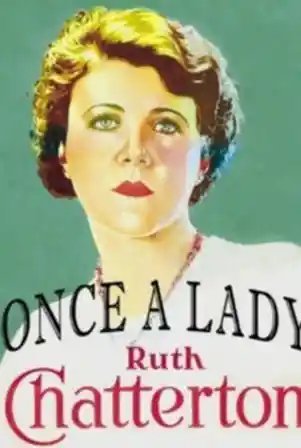
A definitive 6.1/10 rating for a film that redefined the boundaries of cult cinema. Once a Lady remains a cornerstone of transgressive art.
If you love Pre-Code movies where women get to be complicated and a little bit 'bad' without the movie immediately throwing them off a bridge, you’ll probably dig this. ☕
But if you can't stand old-fashioned stage acting or plots that rely on giant coincidences, you should probably skip it and watch something like The Sign of the Cross instead.
I went into this mostly because I wanted to see Ivor Novello, who was apparently a huge deal in England back then. He’s fine, I guess, but he mostly just stands there looking like a very handsome statue that someone forgot to move.
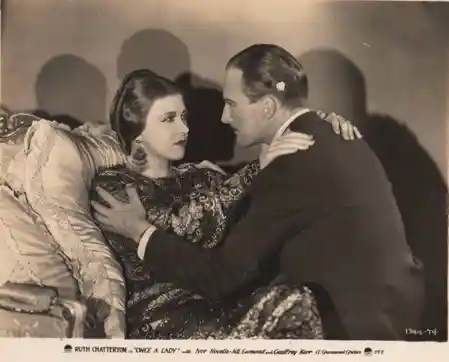
The real reason to watch this is Ruth Chatterton. She has this way of speaking where every word feels like she’s tasting it before she lets it out of her mouth.
She plays Anna, who marries this very stiff British guy and moves to a house that looks like it hasn't seen a smile since the 1800s. You can feel her soul dying every time she has to sit through one of those formal dinners with her in-laws.
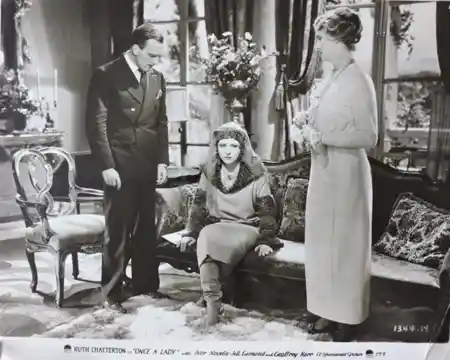
There’s this one scene where she’s just staring at a wall and you can tell she’s thinking about literally anything else. I’ve been there. We’ve all been there.
Anyway, she has a brief thing with another guy—Novello—and her husband finds out because of course he does. Then there is this crazy train crash. 🚂
The special effects are... well, they’re from 1931, so don't expect Michael Bay. It looks like someone knocked over some toy cars in a dark room, but it gets the job done.
Anna survives but decides to let everyone think she’s dead. It’s such a dramatic move, and I honestly respected her for it in that moment.
She heads to Paris and becomes this woman of the world which is 1930s code for 'she has a lot of rich male friends and drinks a lot of champagne.'
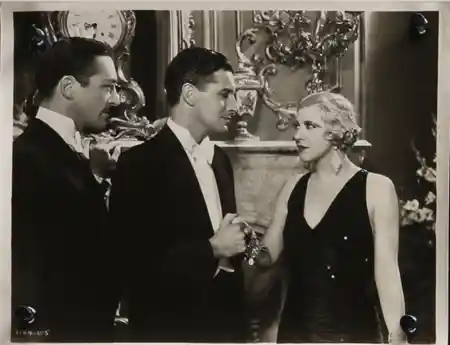
The movie skips a bunch of years and suddenly she has a grown-up daughter. The timeline is a bit fuzzy, but you just have to roll with it.
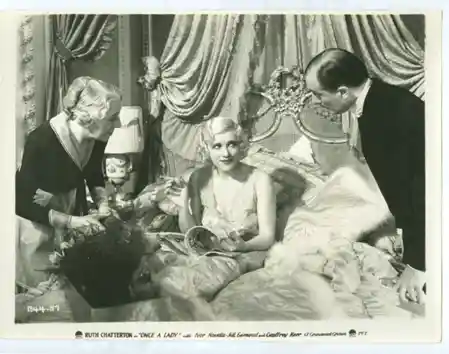
The sets in the Paris section are so much more fun than the dreary British house. Everything is shiny and art deco and looks like it smells like expensive perfume and regret.
Ruth Chatterton looks incredible in these scenes. Her costumes are so heavy with beads and fur that I’m surprised she could actually walk across the room without tipping over.
There is a specific moment where she is holding a cigarette holder that is about a foot long. It’s the most 1931 thing I’ve ever seen. 🚬
I found myself wondering if she actually liked the character or if she just liked the clothes. Probably both.
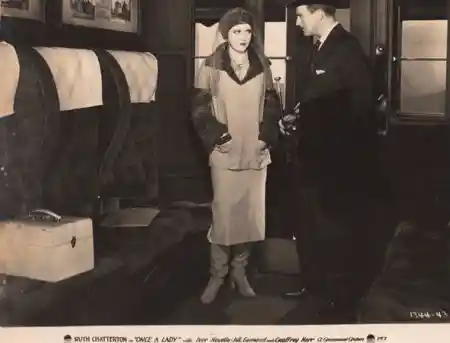
The drama kicks in when her daughter shows up in Paris and doesn't realize this 'shady' woman is actually her mom. It’s very East Lynne if you know your old theater tropes.
It’s a bit like Molly and I in that it deals with these weird family secrets that could be solved by just talking for five minutes. But then we wouldn't have a movie, would we?
The script was co-written by Zoe Akins, who usually did better work than this. Some of the dialogue is really clunky, like they were trying too hard to be profound.
It’s not as tight as Alias Jimmy Valentine which had a much better sense of pacing. Once a Lady drags a bit in the middle when they’re just talking about reputations and honor.
I actually checked my watch during a long scene where two guys are arguing about a letter. It felt like it went on for ten years.
But then Chatterton comes back on screen and you’re locked back in. She has this intensity that makes you forget the plot is kind of silly.
She doesn't do that weird fluttering thing a lot of silent stars did when they moved to talkies. She’s very grounded, even when she’s being a total drama queen.
"I've lived as I chose, and I've paid as I went."
That line is basically the whole movie. It’s about the cost of being a woman who doesn't follow the rules. It’s heavy-handed but I kind of liked it.
The ending is... well, it’s an ending. It feels a bit rushed, like they realized they only had five minutes of film left and needed to wrap everything up with a bow.
It’s not quite as weird as The Leavenworth Case but it has that same 'old movie' logic where people just accept things that make no sense.
I think I liked it more than I should have. There’s something cozy about these old Paramount dramas.
It’s like eating a big bowl of mashed potatoes. Not exactly exciting, but it hits the spot if you’re in the right mood. 🥔
Don't expect a masterpiece. Just watch it for Ruth’s face and the crazy 1930s eyebrows.
It’s a weird little time capsule of a movie that doesn't quite know if it wants to be a tragedy or a soap opera. I'm glad I watched it, but I probably won't watch it again for a long time.
IMDb 4.9
1933
Community
Log in to comment.