DbcultAccessing Vault...
5.2/10
Senior Film Conservator
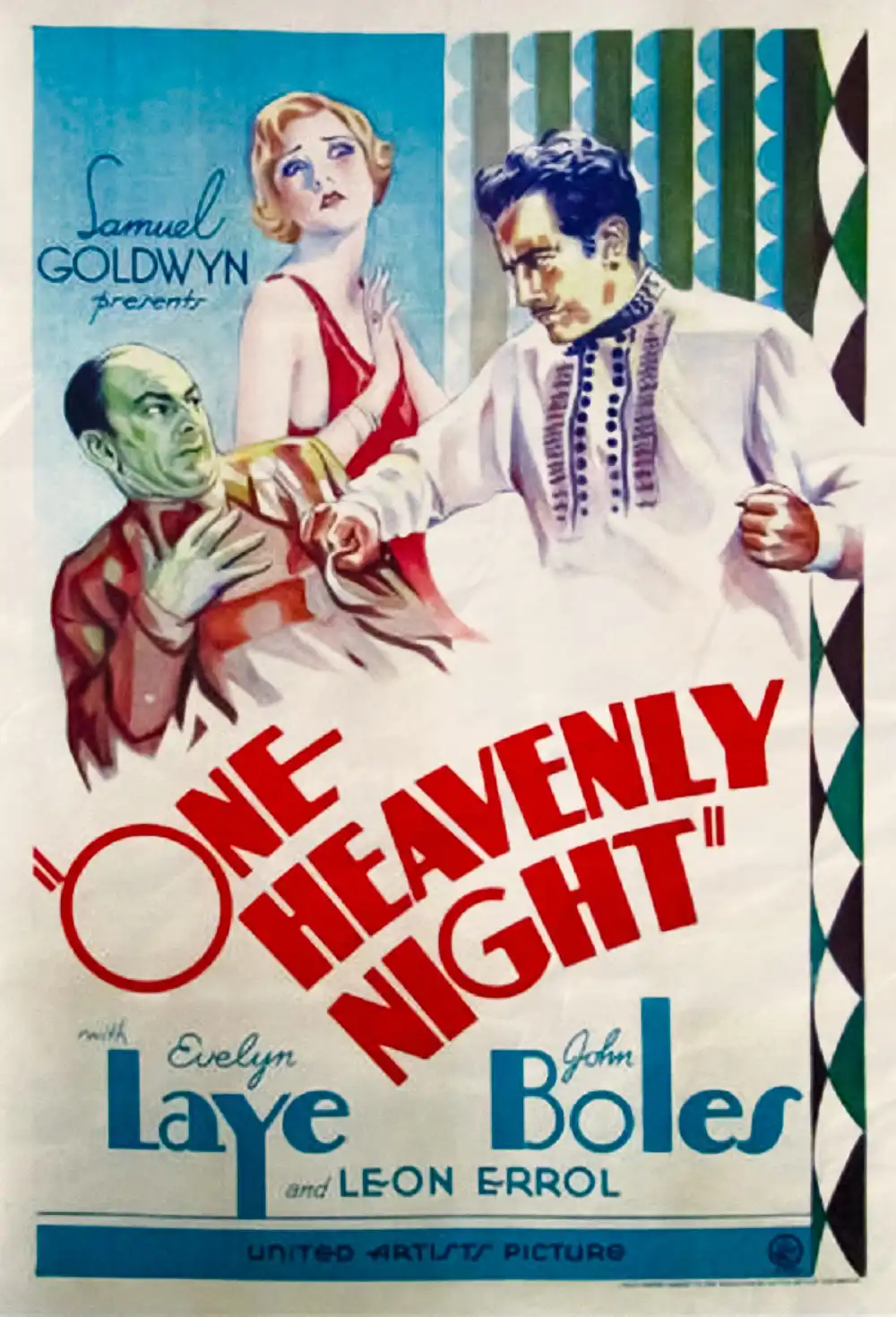
A definitive 5.2/10 rating for a film that redefined the boundaries of cult cinema. One Heavenly Night remains a cornerstone of transgressive art.
You should probably only watch this if you have a deep, inexplicable love for early talkies or if you just want to see some really big hats. It is definitely not for anyone who expects a plot to move faster than a tired turtle.
Lilli, played by Evelyn Laye, is a flower girl who ends up pretending to be Fritzi, a famous opera star. The real Fritzi is played by Lilyan Tashman, who is honestly the best part of the whole thing because she actually looks like she’s having fun being a brat.
The movie wants you to believe that a Count—played by John Boles—can't tell the difference between a high-society diva and a girl who sells roses on the street. It is a bit of a stretch, even for a musical.
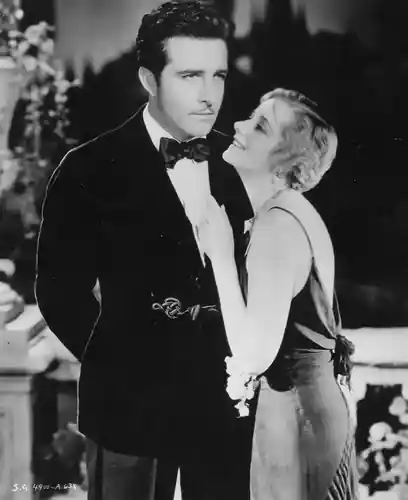
John Boles has this very stiff way of standing. He looks like he’s afraid if he moves his neck too fast, his head might fall off.
He sings with so much vibrato that I thought my speakers were buzzing. It’s very 1930s, but it gets a bit much after the third song.
There is a scene in a park where the lighting is so bright it almost looks like they are filming on the surface of the sun. Lilli is wearing this dress that has about fifty pounds of ruffles on it.
Leon Errol shows up to do his classic wobbly-leg bit. It’s funny for about ten seconds, and then he just keeps doing it while the other actors wait for him to finish.
The pacing is really clunky. Some scenes just linger on people walking into rooms or sitting down like the editor forgot to cut the film.
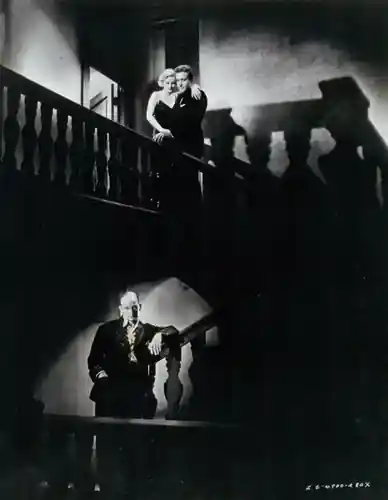
I noticed a stray shadow on the back wall during one of the big romantic speeches. It kept moving and it was way more interesting than what the Count was saying about his heart.
If you’ve seen something like Snow White, you know how these early stories love a good disguise. But here, the disguise is basically just Lilli acting slightly more annoyed than usual.
There is a lot of shouting. I guess back then they weren't sure how close to stay to the microphones yet.
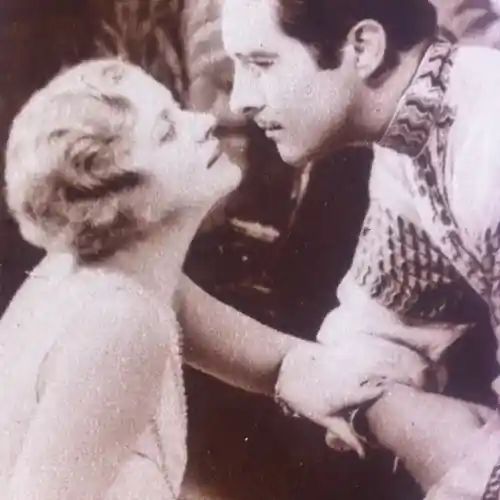
The romantic chemistry is pretty much non-existent. It feels more like two people politely agreeing to stand near each other for an hour.
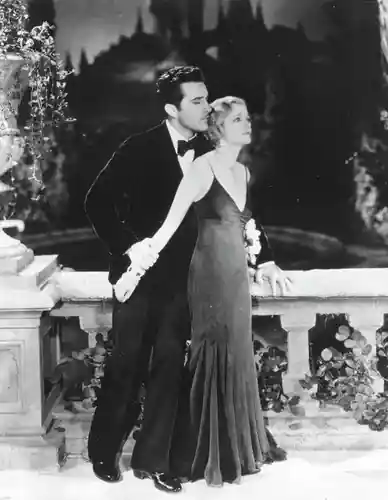
The sets are massive and empty. It makes the characters look like tiny dolls lost in a giant's mansion.
I did like the part where Fritzi gets kicked out of the city. She throws a tantrum that involves a lot of arm waving and it’s actually pretty great.
It reminds me a bit of the awkwardness in Dangerous Curve Ahead, where you can tell the medium is still figuring itself out.
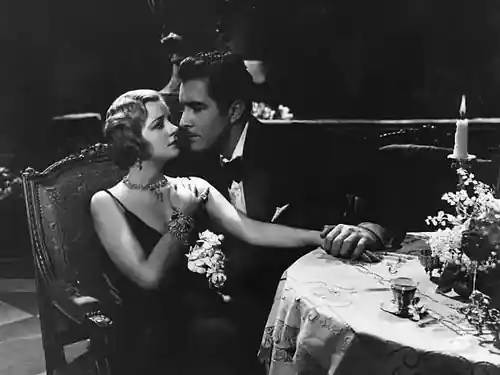
The ending happens so fast you might miss it if you blink. Suddenly everyone is happy and the music swells and then—boom—the credits roll.
It’s not a masterpiece. It’s barely a good movie, but it has this weirdly cozy vibe if you just want to turn your brain off.
Just don't expect the songs to stay in your head. They all kind of sound like the same polite humming after a while.
Basically, if you have eighty minutes to kill and you like looking at 1930s interior design, give it a go. Otherwise, you aren't missing much.
IMDb —
1928
Community
Log in to comment.