DbcultAccessing Vault...
6/10
Senior Film Conservator
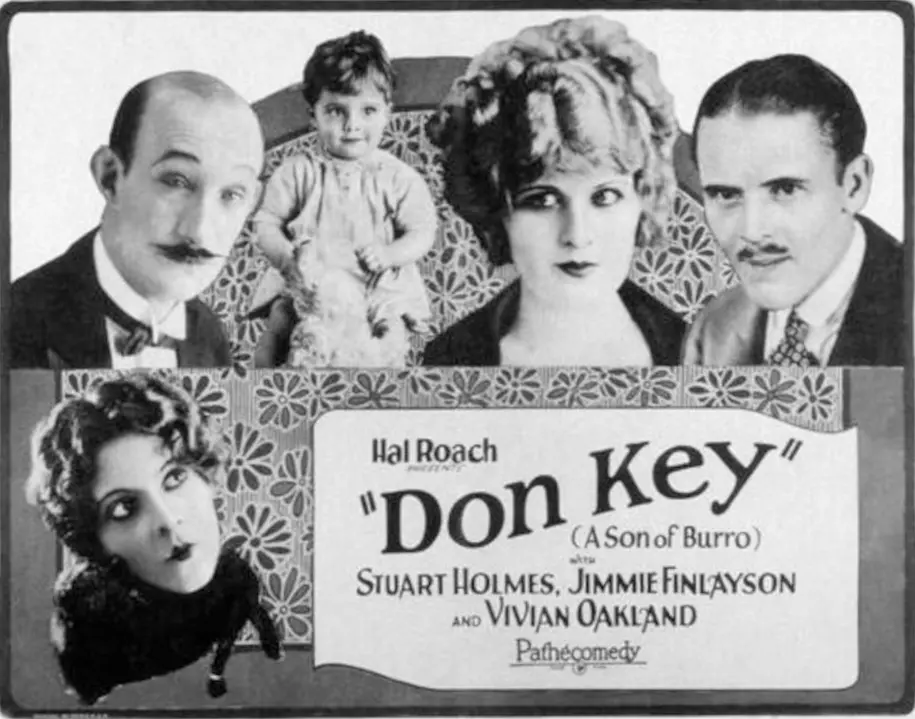
A definitive 6/10 rating for a film that redefined the boundaries of cult cinema. Don Key (Son of Burro) remains a cornerstone of transgressive art.
Is Don Key (Son of Burro) a hidden gem of the silent era? Short answer: yes, but only if you have a high tolerance for the manic, unhinged energy of early 20th-century slapstick and a fascination with Hollywood’s long history of self-loathing.
This film is for the cinema historian who wants to see the DNA of the modern 'meta' comedy and for fans of the Hal Roach school of chaos; it is absolutely not for those who require a linear, high-stakes plot or polished production values. It is a raw, jagged piece of industry satire that feels like a precursor to 8 ½, if Fellini had been obsessed with pratfalls instead of dreams.
1) This film works because it perfectly captures the claustrophobia of the 'pitch meeting,' a ritual of humiliation that hasn't changed in a century.
2) This film fails because the 'play-within-a-play' structure eventually becomes as exhausting for the audience as it is for the studio head.
3) You should watch it if you want to see a massive ensemble of silent comedy legends, including a young Fay Wray and the legendary James Finlayson, working in a genre-bending format.
The setup is deceptively simple. A studio head is losing his mind. Bankruptcy is knocking. In walks a writer. In most films of this era, like Faint Hearts, the protagonist is looking for love or social standing. Here, the protagonist is looking for a paycheck, and he’s willing to act out every single role in his terrible script to get it. This creates a fascinating visual dissonance. We see the 'real' world of the office and the 'imagined' world of the writer’s story, which is, by design, complete garbage.
Yes, for the historical perspective alone. It is rare to find a silent film that focuses so heavily on the internal mechanics of the movie business itself. While films like Off the Trolley focused on the external antics of the era, Don Key (Son of Burro) is an internal scream. It’s a movie about the fear of making a bad movie. That level of self-awareness in 1926 is staggering.
Jerry Mandy’s performance as the writer is a feat of physical endurance. He doesn't just talk; he vibrates. In one specific scene, he attempts to portray both a hero and a villain in a sword fight simultaneously. It’s messy. It’s loud (even in a silent film). It’s intentionally bad. This is where the film takes its biggest risk. By showing us a 'rotten' story, the filmmakers are betting that the executive's reaction will be funny enough to carry the weight. For the most part, it works. But it's flawed. The joke eventually wears thin because the 'bad' story is, well, actually bad.
Contrast this with the more traditional narrative structures of The Bigger Man or Hearts and Let Us. Those films aim to satisfy the audience’s desire for a resolution. Don Key (Son of Burro) offers no such comfort. The ending isn't a triumph; it's a retreat. The producer lets the writer go just to make the noise stop. It’s a brutally honest ending for anyone who has ever worked in a creative field.
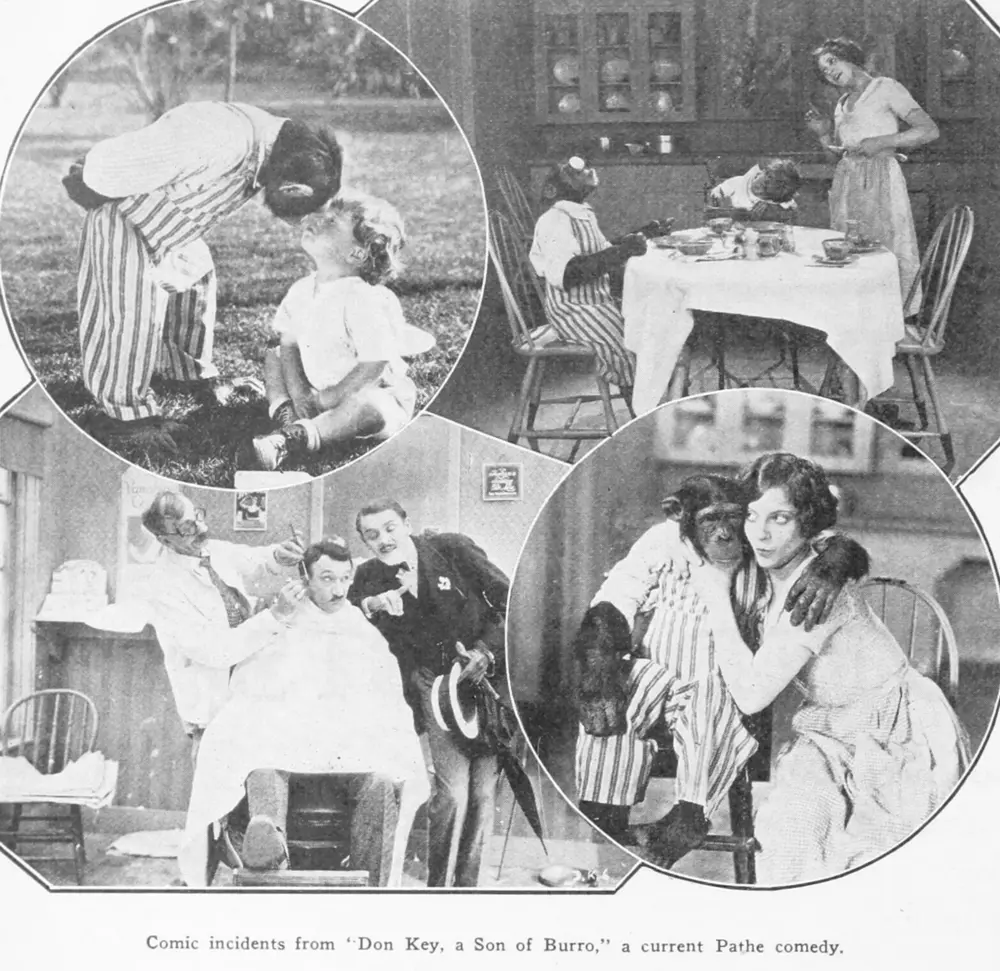
The writing credits for this film are a 'who's who' of silent comedy, including Stan Laurel. You can feel Laurel’s touch in the escalating absurdity. There is a specific rhythm to the gags that mirrors the best of Laurel and Hardy’s later work—the 'slow burn' of the producer as he realizes the writer will never stop talking. This isn't the melodrama found in The Waif or the high-stakes tension of A Celebrated Case. This is the comedy of annoyance.
The cinematography by the uncredited cameramen is functional but effective. The use of the office space creates a sense of entrapment. While a film like Just a Woman might use sprawling sets to convey emotion, Don Key uses four walls and a desk to convey a nervous breakdown. The pacing is breakneck, which is necessary. If the film slowed down for even a second, the audience would realize how thin the premise actually is.
The ensemble cast is underutilized but provides a rich backdrop. Seeing Fay Wray in a role so far removed from her iconic turn in King Kong is a delight for cinephiles. She brings a groundedness to a film that is otherwise untethered from reality. James Finlayson, with his trademark 'double take' and squint, is the perfect foil for Mandy’s manic energy. Every time Mandy does something ridiculous, the camera cuts to Finlayson, and his face tells the entire story of a man who has lost his faith in art.
The tone is surprisingly dark. Underneath the slapstick is a story about bankruptcy and the death of dreams. It shares a certain thematic DNA with An American Widow, focusing on the social and financial pressures that drive people to do ridiculous things. However, where that film might lean into the pathos, Don Key leans into the absurdity.
Here is a debatable opinion: Don Key (Son of Burro) is actually a horror movie disguised as a comedy. If you look past the funny faces, it is the story of a man being held hostage by mediocrity. The producer is trapped in a room with a person who represents everything wrong with his industry. It’s a nightmare. It’s the cinematic equivalent of being stuck on a long flight next to someone who won't stop showing you photos of their cat.
Compare this to the psychological depth of The Dream Cheater or the moral dilemmas in A Debtor to the Law. Those films use external conflicts to drive the plot. Don Key uses the conflict of the human ego. It’s small, petty, and brilliant.
"Don Key (Son of Burro) is a chaotic, fascinating relic. It isn't a 'masterpiece' in the traditional sense, but it is an essential piece of the puzzle for anyone trying to understand the evolution of Hollywood satire. It’s loud, it’s annoying, and it’s deeply cynical. In other words, it’s a perfect reflection of the movie business."
While it lacks the epic scale of A Tale of the Far North or the stylistic flair of La marcia nuziale, it succeeds by being exactly what it is: a 20-minute nervous breakdown caught on film. It’s a reminder that even in the 'golden age' of the silents, people were already tired of the clichés. If you can find a copy, watch it for the history, stay for Finlayson’s face, and leave before the writer starts his second act.
IMDb 6.9
1935
Community
Log in to comment.