DbcultAccessing Vault...
Cult Review
Senior Film Conservator
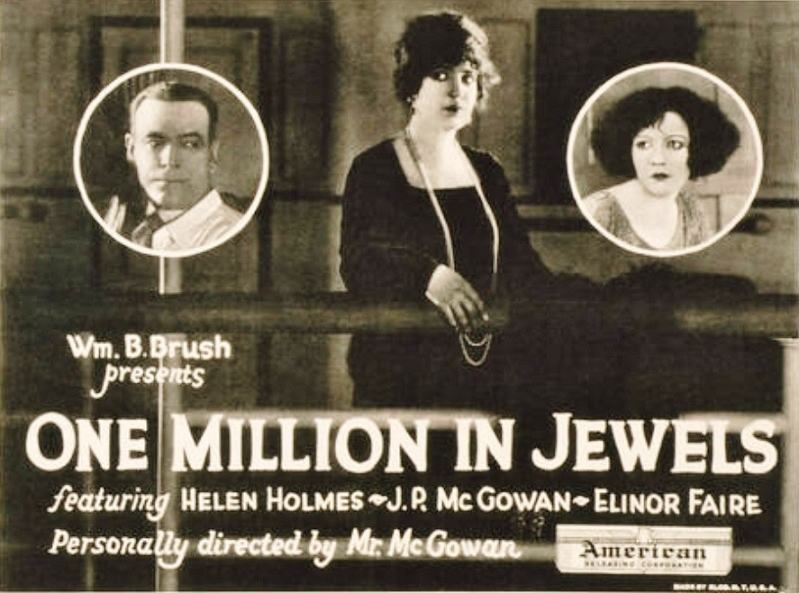
Stepping back into the early annals of cinema, particularly the silent era, often feels like unearthing a forgotten treasure map. Each frame, each intertitle, is a clue to understanding not just the story, but the very genesis of visual storytelling. J.P. McGowan's One Million in Jewels emerges from this historical tapestry as a compelling, if somewhat predictable, crime thriller that, despite its age, still manages to weave a narrative thread of intrigue, betrayal, and conflicted loyalties. It's a testament to the enduring power of classic themes, proving that even without synchronized sound, a well-crafted plot and compelling characters can hold an audience captive.
At its core, One Million in Jewels plunges us into the high-stakes world of international crime, where U.S. Secret Service agent Burke, portrayed with a commendable blend of earnestness and steely determination by H.H. Pattee, is tasked with intercepting a ruthless gang attempting to ferry precious jewels from Cuba into the United States. Pattee embodies the quintessential silent film hero: morally upright, physically capable, and unwavering in his pursuit of justice. His performance, while perhaps lacking the nuanced psychological depth we expect from modern cinema, perfectly captures the heroism demanded by the era's storytelling conventions. He is a bedrock of integrity against a shifting landscape of deception.
However, the true dramatic pulse of the film beats strongest in the character of Helen Morgan, brought to life by the remarkable Helen Holmes. Holmes, known for her daredevil stunts and adventurous roles, imbues Helen with a fascinating duality. She is a criminal, a key player in the smuggling operation, yet harbors a profound, almost tragic, love for Agent Burke. This unrequited affection, a classic motif, elevates her beyond a mere antagonist. She's a femme fatale with a soul, a woman torn between her chosen life of illicit gain and the deep emotional connection she feels for the very man sworn to bring her down. Her internal conflict is the engine that drives much of the film's tension, making her refusal to abandon her criminal path, despite Burke's heartfelt entreaties, all the more poignant. In a genre often populated by one-dimensional villains, Helen Morgan stands out as a character of surprising depth, her actions often dictated by a complex interplay of loyalty to her gang and a desperate, hidden love. This kind of morally ambiguous character, a precursor to the noir heroines of later decades, adds a compelling layer that lifts the film above a simple good-versus-evil narrative, much like the intricate character studies found in films such as As a Woman Sows, where personal dilemmas often overshadow the external plot points.
The plot thickens with the introduction of Sylvia Ellis, portrayed by Elinor Fair, a seemingly innocent bystander whom Burke had befriended in Cuba. Sylvia becomes an unwitting pawn in Helen's elaborate scheme when she receives a seemingly innocuous box of candy, secretly laden with the stolen jewels. This narrative device, the 'MacGuffin' hidden in plain sight, is a masterstroke, creating immediate suspense and placing an innocent character directly in the line of fire. Fair’s portrayal of Sylvia effectively conveys her naiveté and vulnerability, making her an ideal foil for Helen’s cunning machinations.
The tension escalates dramatically aboard the steamship bound for Florida. Here, Helen's manipulative genius comes to the fore. After Burke, in his official capacity, searches Sylvia's cabin, Helen seizes the opportunity to sow seeds of doubt, skillfully convincing Sylvia that Burke himself is a thief. This act of psychological warfare is particularly effective in the silent medium, relying on exaggerated expressions and dramatic intertitles to convey the shift in Sylvia's perception. The subsequent confrontation, a chaotic struggle with Helen's gang, culminates in Burke's dramatic plunge overboard. This sequence, undoubtedly a thrilling spectacle for audiences of the time, highlights the film's reliance on physical action and heightened drama, a common trait in adventure serials and thrillers of the era, echoing the raw energy seen in films like Deep Waters or even the more comedic but equally action-packed The Merry Jail in their commitment to dynamic sequences.
The narrative, however, is far from resolved. With the jewels still in Sylvia's possession and Burke presumed lost at sea, Helen invites Sylvia to her home, a calculated move to recover the loot. This sequence allows Helen to temporarily regain control, but her triumph is short-lived. Burke's reappearance, a classic hero's return, shatters Helen's deceptive facade, exposing her true nature to Sylvia. This moment of revelation is crucial, shifting Sylvia's allegiance back to Burke and setting the stage for the final confrontation. The ensuing battle with the gang is a flurry of action, characteristic of J.P. McGowan's directorial style, emphasizing movement and physical stakes.
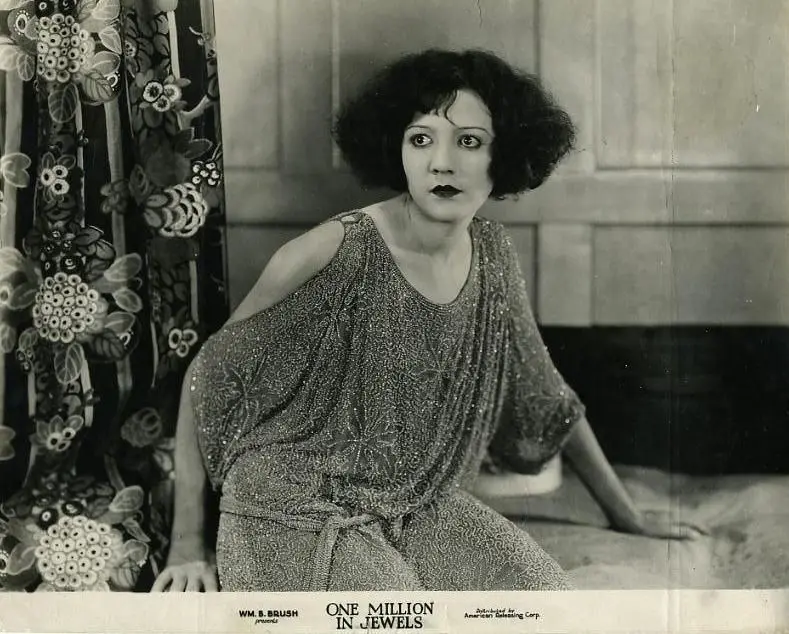
The climax is perhaps the film's most memorable and emotionally charged moment. In a stunning act of self-sacrifice, Helen Morgan, the conflicted criminal, gives her life to save Burke. This ultimate act of redemption transforms her character from a mere antagonist into a tragic figure, her unrequited love finally finding its expression in a selfless deed. Her death serves as a powerful, if melodramatic, resolution to her internal struggle, solidifying her place as the film's most complex and enduring character. It’s a twist that, while perhaps telegraphed to a keen observer, still delivers a punch, adding a layer of pathos that elevates the entire production. This kind of dramatic sacrifice, where a character finds redemption in a final, heroic act, resonates across cinematic history, reminding one of the poignant turns in narratives like The Innocent Cheat, where moral choices dictate ultimate fates.
With the case finally solved and the gang neutralized, the film concludes with Burke and Sylvia marrying. This conventional happy ending, while satisfying for the era's audiences, feels somewhat abrupt after the emotional intensity of Helen's sacrifice. It neatly ties up the loose ends, affirming the triumph of law and order and the establishment of a new, stable order. Elinor Fair and H.H. Pattee, while perhaps overshadowed by Holmes's dramatic performance, deliver solid portrayals of their respective roles, anchoring the film with their conventional heroism and innocence.
J.P. McGowan, who not only directed but also penned the screenplay for One Million in Jewels, demonstrates a keen understanding of silent film mechanics. The pacing is brisk, propelling the narrative forward with a series of escalating conflicts and revelations. The use of intertitles is effective, providing necessary exposition and character dialogue without bogging down the visual flow. The cinematography, while likely constrained by the technology of the time, effectively captures the atmosphere of suspense and adventure, particularly in the shipboard sequences and the final battle. The performances, typical of the era, rely on broad gestures and expressive facial movements to convey emotion, a style that, while anachronistic to modern eyes, was the very language of silent cinema.
The film also provides a window into the cultural anxieties and popular entertainment tastes of its time. The fascination with international crime, daring Secret Service agents, and the allure of exotic locales like Cuba were potent ingredients for a successful thriller. It's a snapshot of an era when cinema was still defining its grammar, experimenting with narrative structures and character archetypes that would later become foundational. While it might not possess the artistic ambition of some European silent films like Das Tal des Traumes or the intricate social commentary of Wenn Colombine winkt, One Million in Jewels excels in its chosen genre: a straightforward, exciting crime adventure.
In retrospect, One Million in Jewels may not be a cinematic masterpiece on par with the epic productions or groundbreaking artistic statements of the silent era. However, it is a highly competent and entertaining piece of filmmaking that showcases the popular appeal of its time. It’s a valuable artifact for anyone interested in the evolution of the crime thriller genre, demonstrating how early filmmakers crafted suspense and character drama with limited technological means. The film’s thematic exploration of love, duty, and betrayal, particularly through Helen Morgan's character, transcends its temporal constraints, offering insights into human nature that remain relevant.
For modern viewers, it offers a fascinating glimpse into the nascent stages of Hollywood's storytelling prowess. While the acting might seem melodramatic and the plot straightforward by today's standards, it's crucial to appreciate it within its historical context. The film's energy, the clear delineation of hero and villain (even with Helen's complexities), and the propulsive narrative make it an engaging watch, especially for those who appreciate the foundational elements of genre cinema. It reminds us that long before CGI and surround sound, the simple power of a story well told, with compelling characters and high stakes, was more than enough to captivate an audience. Films like this, alongside other adventurous tales like The Silent Rider or the more lighthearted but equally engaging Ruggles of Red Gap, form the bedrock of cinematic history, each contributing a unique brick to the grand edifice of film.
Ultimately, One Million in Jewels stands as a solid example of early genre filmmaking, a testament to the era's ability to craft thrilling narratives with a surprisingly nuanced villain at its heart. It's a journey back to a time when every gesture, every intertitle, and every flicker of emotion on screen was meticulously crafted to tell a story, proving that some narratives are truly timeless, regardless of how they are presented.

IMDb —
1920
Community
Log in to comment.