DbcultAccessing Vault...
Cult Review
Senior Film Conservator
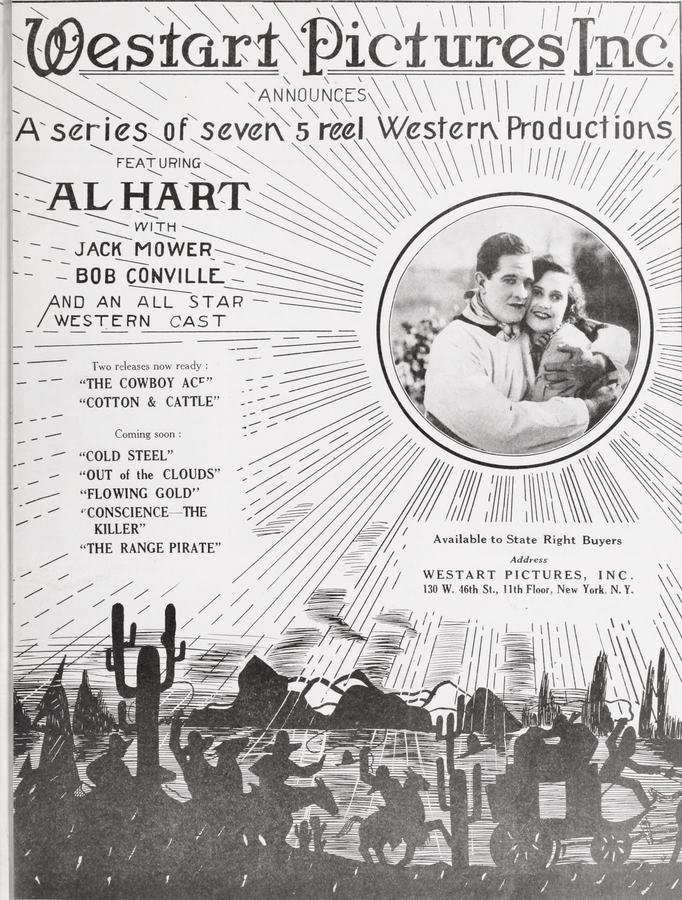
The celluloid ghosts of 1921 still smolder in Cotton and Cattle, a whip-cracking curio that grafts plantation melodrama onto the skeleton of a vigilante thriller long before the terms “Southern Gothic” or “noir” were minted. Shot on location in the Mississippi lowlands, the picture exudes the humid petrichor of river silt and the copper stink of blood oxidized on cotton leaves.
Director W.M. Smith, better known for two-reel rodeo snapshots, here toys with chiaroscuro like a moonlit knife fight. The Night Rider’s hoods—stitched from feed-sack cloth and phosphor-painted—flare against the obsidian sky like malignant fireflies. When a torch kisses a sharecropper cabin, the ember bloom is hand-tinted crimson on some prints, a proto-Technicolor jolt that predates Alraune’s expressionist greens by a full decade.
Do not mistake the film’s silence for muteness. The expulsion of Black laborers—played by non-professional locals whose wary glances feel documentary—uncannily foreshadows the 1919 Elaine massacre. Smith’s camera lingers on a scorched banjo, on a child’s chalk drawing half-finished in cabin dust; these are visual haikus of dispossession. Yet the narrative quickly pivots to white peril, sidelining the very community whose trauma it monetizes. The imbalance is jarring, but historically honest: early cinema rarely allowed Black voices to arc past the silhouette.
Edna Davies’s Ethel is no fainting belle; she strides through rows of cotton with the predatory grace of a heron, her gait saying I was born knowing how to survive men like you. Jack Mower, saddled with the thankless “good cowboy” template, underplays until the final reel, when a single tear zigzags through his grime after he unmasks Garrett—an unspoken admission that justice and vengeance share the same holster.
Place it beside Opened Shutters’ coastal Californian feminism or the Alpine slapstick of Maciste in vacanza and you’ll see how geographically disparate yet thematically allied these silent-era morality plays could be. Where Western Firebrands celebrates open-range anarchy, Cotton and Cattle understands that the real frontier is debt, the most lethal bullet of all.
The ticking clock is not a locomotive but a bale of cotton awaiting gin admission; the villain’s mask is not black Stetson but spectral burlap. Smith inverts the rescue trope: Ethel dispatches the posse, negotiates freight tolls, and ultimately saves both her father and Jack from the quicksand of their own gallantry. For 1921, this is a quiet earthquake.
Original exhibitors were encouraged to sync a barn-dance fiddle with the picking montage, shifting to a low drumbeat when riders approach. Modern restorations often overlay Delta blues bottleneck riffs—an anachronism, yes, but one that stitches the wound between the film’s silence and our retrospective ears.
For decades only a 9-minute condensation survived in a French archive, mislabeled as Les Cavaliers de la Nuit. A 2018 4K reconstruction from two incomplete negatives—one nitrate, one safety—restores roughly 52 minutes, bridging narrative gaps with explanatory tint cards whose font apes the original’s arts-and-craftsy block type. Streaming on niche boutique services, it’s ripe for rediscovery by Kuleshov-minded cinephiles and root-beer-float vintage fairs alike.
Cotton and Cattle is both artifact and admonition: a sun-scorched ledger where every cotton boll weighs an ounce of blood, every hoofprint stamps a promissory note on tomorrow. It will not comfort you; it will, however, brand its silhouette on the soft tissue of your cinematic memory long after the house lights rise.
IMDb —
1919
Community
Log in to comment.