DbcultAccessing Vault...
Cult Review
Senior Film Conservator
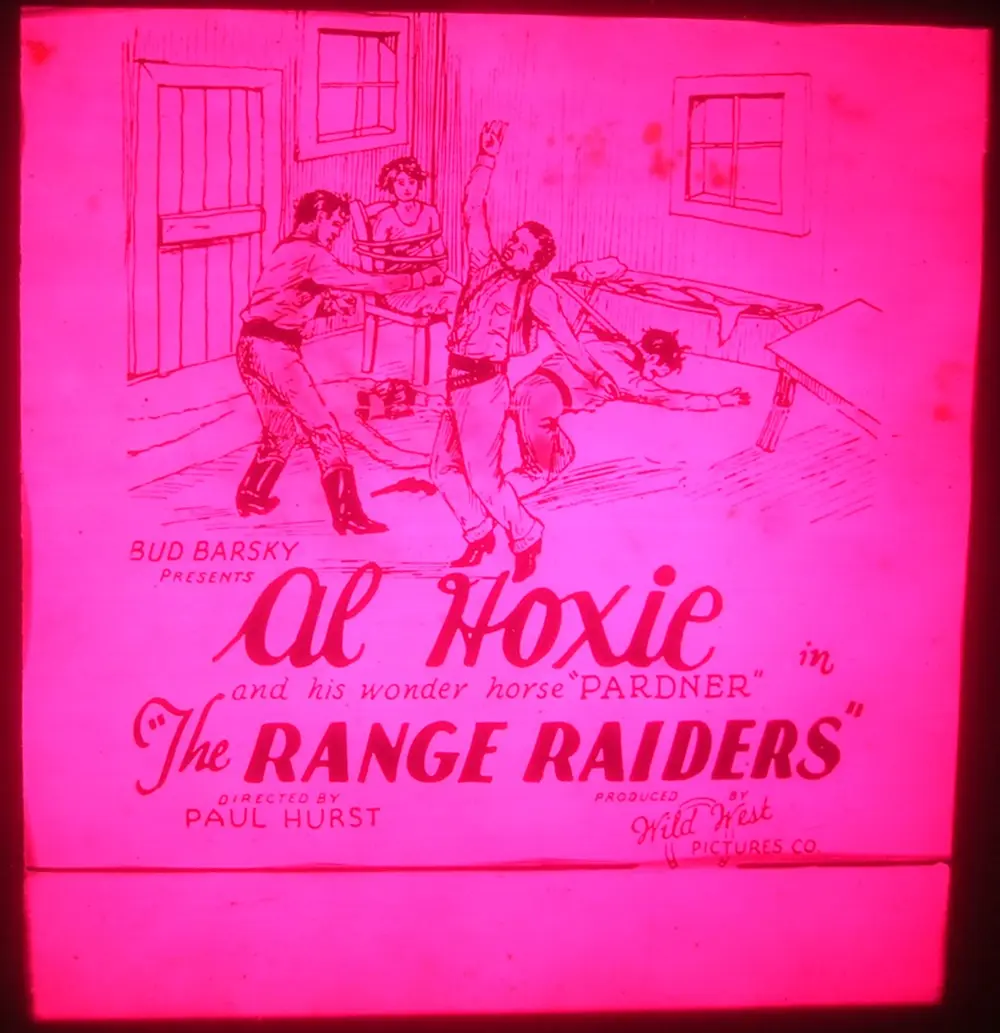
Is The Range Raiders worth watching today? Short answer: yes, but with significant caveats. This 1920s silent western, starring the dynamic Al Hoxie, offers a fascinating glimpse into the nascent days of Hollywood's most enduring genre, making it a compelling watch for film historians and ardent fans of classic cinema.
However, it is decidedly not for those seeking modern narrative complexities, nuanced character development, or the polished spectacle of contemporary filmmaking. This is raw, unadulterated silent action, a time capsule that demands a specific kind of appreciation.
To truly engage with The Range Raiders, one must first adjust their expectations. This isn't just a film; it's an artifact. Released in an era when cinema was still finding its voice, literally, it communicates through broad gestures, evocative cinematography, and a relentless forward momentum that prioritizes action over introspection. It works. But it’s flawed.
The film’s simple premise—a hero protecting his property and his love from a nefarious villain—is the bedrock upon which countless westerns would be built. Here, however, it’s stripped to its most elemental form, a purity that is both its greatest strength and its most significant limitation.
This film works because of its unpretentious commitment to classic western tropes, delivering straightforward action and a clear moral compass that resonates even across a century.
This film fails because its narrative simplicity and reliance on silent film conventions may prove inaccessible or tedious for viewers unaccustomed to the era's storytelling rhythms.
You should watch it if you have a genuine interest in the evolution of the western genre, appreciate the unique artistry of silent cinema, or simply enjoy seeing a horse get a prominent billing.
At the heart of The Range Raiders is Al Hoxie, a name perhaps less remembered than his brother Jack, but a formidable presence in his own right. Hoxie embodies the stoic, capable western hero with an understated charisma. His performance is less about dialogue and more about physical prowess and a palpable sense of righteousness.
He rides with conviction, fights with determination, and conveys emotion through his eyes and posture, a testament to the unique demands of silent acting. There's a particular scene where Hoxie, cornered, uses a quick draw and a well-placed shot to disarm a henchman, a moment that, despite its age, still crackles with genuine tension.
Perhaps the true co-star, and certainly a scene-stealer, is Pardner the Horse. Credited alongside the human actors, Pardner is more than just transportation; he’s an active participant. The bond between Hoxie and Pardner is subtly but effectively showcased, highlighting the indispensable role of horses in the frontier narrative. It’s an unconventional observation, perhaps, but one that underscores the film's authenticity.
Modern audiences, accustomed to CGI animals, might find the genuine horsemanship refreshing, even awe-inspiring. Pardner’s intelligence and training are evident in several key chase sequences, elevating the action beyond mere stunt work.
The direction, typical of many silent westerns, is functional and efficient. The focus is on clarity of action and advancing the plot. There are no elaborate tracking shots or complex camera movements here. Instead, the director relies on well-composed wide shots to establish the vastness of the landscape and tight close-ups to convey character reactions.
The cinematography, while not groundbreaking by today's standards, effectively captures the rugged beauty of the western landscape. The outdoor sequences are particularly striking, leveraging natural light and expansive vistas to create a sense of scale. The dusty trails, sun-drenched plains, and imposing rock formations are characters in themselves, lending an authentic backdrop to the unfolding drama.
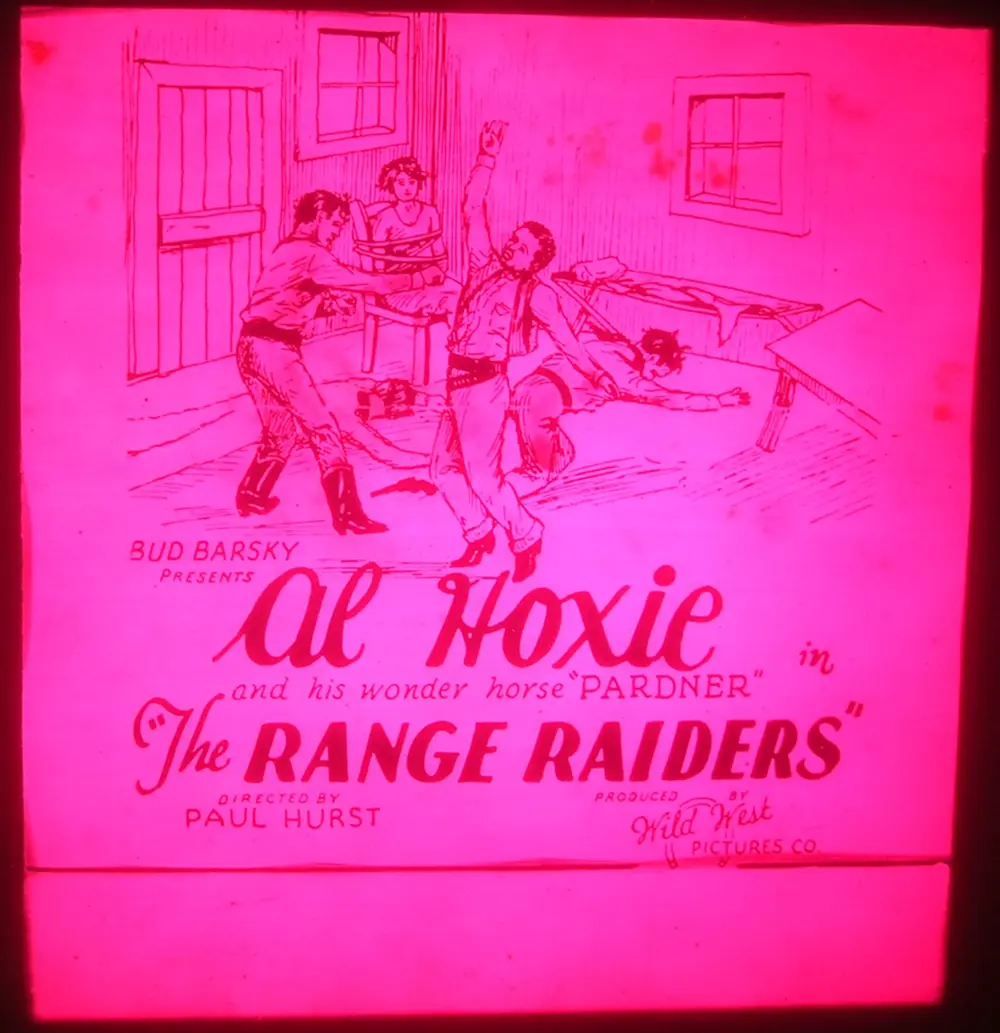
One memorable shot features Hoxie on horseback, silhouetted against a setting sun, a visual cliché now, perhaps, but potent and evocative in its original context. It's a reminder of how these early films established the very visual language we still associate with the genre.
Ione Reed plays the object of affection, a role typical for women in early westerns. Her performance, while constrained by the conventions of the time, offers a necessary emotional anchor for the hero’s motivations. She embodies a quiet strength, often conveyed through worried glances or relieved smiles, rather than overt displays of agency.
Paul Hurst, as the villain, is deliciously nefarious. He chews scenery with relish, his exaggerated expressions and menacing posture leaving no doubt as to his evil intentions. His performance is a masterclass in silent film villainy, a clear contrast to Hoxie's more restrained heroism. The conflict between them is unambiguous, providing the moral clarity that audiences of the era expected.
Alfred Hewston and Cliff Lyons provide solid support, often serving as henchmen or loyal ranch hands. Their roles are largely functional, propelling the plot through various skirmishes and chases. The stunt work, particularly from Lyons, is commendable, a genuine highlight that often feels more dangerous and immediate than much of what passes for action today.
The pacing of The Range Raiders is remarkably brisk for a film of its age. Silent westerns often relied on constant motion to maintain audience engagement, and this film is no exception. There are frequent horse chases, fistfights, and shootouts, ensuring the narrative rarely stagnates. This relentless forward momentum is a strong point, preventing the film from feeling overly ponderous.
The tone is squarely adventurous and romantic, with a clear delineation between good and evil. There's no moral ambiguity here; the hero is unequivocally good, the villain irredeemably bad. This simplicity, while perhaps a weakness for modern tastes, is a strength within its own context, allowing for a pure, escapist narrative.
One could argue that this stark moral landscape is a refreshing change from the often-gritty, morally complex westerns of today. It offers a clear fantasy, a world where justice, albeit of the frontier variety, ultimately prevails. This is a strong, debatable opinion, for while complexity offers depth, simplicity offers a different kind of satisfaction.
Watching The Range Raiders is more than just viewing a film; it's engaging with a foundational text of American cinema. It showcases the tropes, character archetypes, and visual grammar that would define the western for decades to come. Films like Back to Yellow Jacket or I'm the Sheriff from similar periods share this DNA, albeit with their own unique flavors.
It's a testament to the enduring power of these simple stories that they continue to resonate, even if their mode of delivery feels alien to contemporary eyes and ears. The film’s focus on land, love, and liberty remains timeless, themes that transcend the limitations of the silent era.
Yet, one might also argue that the sheer predictability of its narrative arc, a hallmark of many films from this period, ultimately limits its replay value beyond academic interest. This is another strong, debatable opinion – is historical significance enough, or must a film still entertain on its own merits?
For those with a genuine curiosity about early film history, particularly the silent western, The Range Raiders is absolutely worth seeking out. It offers a clear, unvarnished look at how the genre began to establish its visual language and narrative conventions. It's a quick, action-packed ride that showcases the physical prowess of its star, Al Hoxie, and the remarkable talent of animal actors like Pardner.
However, if you're not accustomed to the unique rhythm of silent films – the lack of spoken dialogue, the reliance on intertitles, the often-exaggerated acting styles – you might find it a challenging watch. It requires an open mind and a willingness to meet the film on its own historical terms. It's a journey, not just a viewing.
IMDb —
1918
Community
Log in to comment.