DbcultAccessing Vault...
Cult Review
Senior Film Conservator
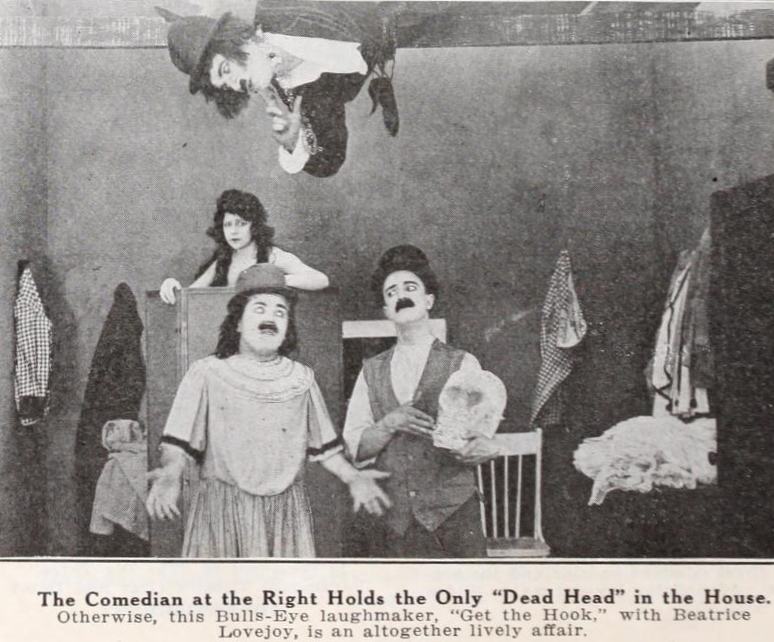
In the annals of early cinema, where the grand pronouncements of epics often overshadowed the understated charm of character-driven narratives, One Night Only emerges as a luminous, albeit brief, testament to the enduring allure of the stage and the unpredictable currents of human ambition. Penned with a keen eye for situational comedy by the venerable Charley Chase, this film doesn't merely recount a story; it orchestrates a symphony of minor calamities and unexpected triumphs, all set against the backdrop of a transient theatrical world. It captures, with remarkable clarity, the delicate balance between professional aspiration and the harsh realities of survival, a theme as pertinent today as it was in its nascent cinematic era.
The narrative unfurls around a beleaguered traveling theatrical company, a band of hopefuls and has-beens navigating the less glamorous circuits of rural America. Their existence is a perpetual tightrope walk, each performance a gamble, each town a fleeting stage for their dreams. The very title, One Night Only, encapsulates the transient nature of their craft, a poignant reminder of the ephemeral magic they strive to create. This troupe, a microcosm of artistic endeavor, finds itself in a particularly precarious bind in a quaint, unassuming town, where the promise of an audience is often tempered by the mundane distractions of daily life.
The central dramatic pivot arrives with the sudden desertion of the troupe's leading lady. Not for a grander stage or a more illustrious production, but for the decidedly unglamorous, yet economically stable, position of a waitress in a local eatery. This prosaic betrayal, a stark illustration of financial pragmatism trumping artistic loyalty, plunges the company into immediate crisis. The decision, while perhaps ignoble from an artistic standpoint, speaks volumes about the precariousness of a performer's life, a theme subtly explored in other period pieces like Expeditricen fra Østergade, which also touched upon women navigating challenging economic landscapes. The director, likely Leo White, who often played a managerial or authoritative figure, would have been left scrambling, his carefully constructed illusion of theatrical grandeur threatening to crumble before the curtain even rose.
The ensuing chaos is a masterclass in comedic timing and character reactions. The frantic search for a replacement, the desperate pleas, the sheer panic of a show on the verge of collapse—all contribute to a delightful tableau of backstage pandemonium. It's in these moments of heightened anxiety that the true personalities of the ensemble cast, including the likes of James Parrott and Monty Banks, would undoubtedly shine, their exasperation and hurried improvisations forming the comedic bedrock of the scene. Charley Chase's writing prowess is evident here, transforming a potential tragedy into a series of highly amusing, relatable predicaments.
Enter the unsuspecting heroine: a young woman from the very town they're performing in. Her sudden, almost accidental, recruitment into the role of the leading lady is the narrative's stroke of genius. It's a classic underdog story, a Cinderella transformation not from rags to riches, but from obscurity to the ephemeral glow of the stage lights. Beatrice Lovejoy, stepping into this pivotal role, would have been tasked with portraying this seismic shift, from wide-eyed civilian to a performer embodying a character. This narrative arc, while common in theatrical lore, feels fresh and vibrant under Chase's pen, particularly within the compressed timeframe of a 'one night only' opportunity.
The film then explores the delightful awkwardness and eventual blossoming of this impromptu star. Her initial trepidation, the fumbling lines, the uncertain gestures, would all contribute to the film's charm, allowing the audience to root for her success. This journey from novice to, at least for one night, a celebrated actress, taps into a universal fantasy: the dream of being discovered, of having one's latent talent recognized and applauded. It’s a theme that resonates deeply, much like the aspirations explored in The Matinee Girl, another film that understood the draw of the stage and the transformative power of performance.
While Beatrice Lovejoy's character takes center stage, the success of One Night Only is undeniably a collective effort. Leo White, often cast as the exasperated authority figure or the comically agitated manager, would have provided the anchor of the troupe's desperation, his frantic energy a perfect foil to the new leading lady's burgeoning confidence. His performance, likely a blend of physical comedy and expressive facial work, would have underscored the immense pressure on the company. James Parrott and Monty Banks, known for their comedic timing and versatility, would have filled out the ranks of the struggling actors, each contributing to the ensemble's dynamic with their unique brand of silent-era performance. Harry Mann and Charles Dorety, likewise, would have added layers to the troupe's collective persona, portraying the myriad reactions – from skepticism to grudging acceptance – to their new, unexpected colleague.
Charley Chase, the visionary behind the screenplay, demonstrates a nuanced understanding of comedic structure and character development, even within the constraints of a silent short. His writing doesn't rely solely on slapstick, though it certainly incorporates it; rather, it derives its humor from the clash of expectations, the irony of circumstances, and the inherent absurdity of human endeavors. The script, though unspoken, speaks volumes through its carefully crafted situations and the opportunities it provides for physical expression, a hallmark of the era that saw films like Oh, Baby! and Oh, What a Knight master the art of visual gags and lighthearted narrative.
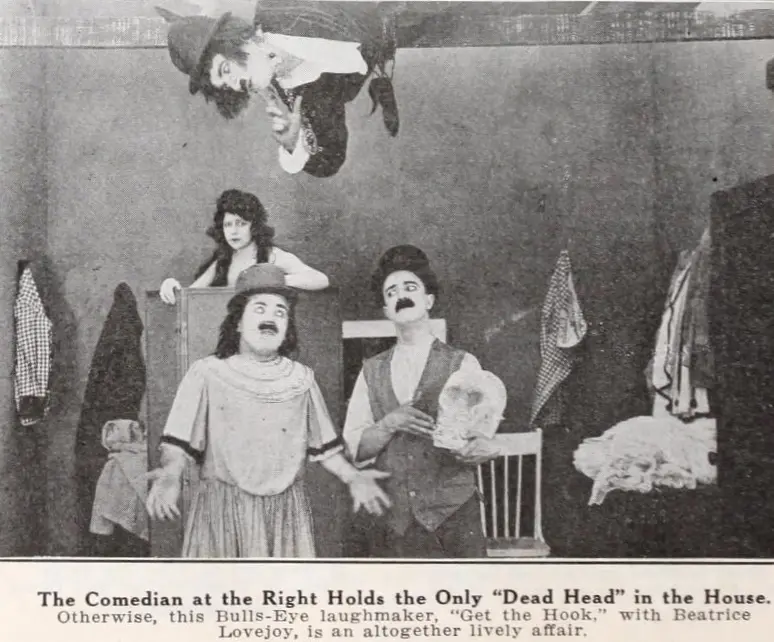
Beyond the immediate laughs, One Night Only delves into several resonant themes. It's a meditation on ambition, both the grand theatrical kind and the humble desire for stability. It explores the nature of community, as a disparate group of individuals must coalesce under duress. Most profoundly, it celebrates the illusion of theatre itself – how a temporary stage, a borrowed costume, and a fresh face can, for a brief hour, transport an audience and transform a participant. The film playfully exposes the artifice of performance while simultaneously reveling in its magic.
The film also subtly touches upon the resilience of the human spirit. Faced with adversity, the troupe doesn't simply fold; it adapts, it improvises, it finds a way to carry on. This spirit of 'the show must go on,' even when the odds are stacked against it, is a timeless message that continues to inspire. It speaks to the inherent human capacity for problem-solving and the surprising wellsprings of talent that can be found in the most unexpected places. This optimistic outlook, even amidst the 'misadventures,' sets it apart from more somber dramas of the era, offering a refreshing perspective.
As a product of its time, One Night Only is also a valuable artifact of early cinematic storytelling. Its reliance on visual gags, exaggerated expressions, and clear narrative progression without the aid of spoken dialogue highlights the ingenuity of silent filmmakers. The pacing, the use of intertitles for exposition, and the blocking of actors on screen would have been crucial in conveying the nuances of the plot and the emotions of the characters. While it lacks the epic sweep of a War and Peace, its intimate focus allows for a deeper, more concentrated exploration of its specific world, making every gesture and reaction count.
The charm of One Night Only lies not in grand spectacle, but in its meticulous attention to the small, human dramas that unfold under pressure. It's a reminder that compelling narratives don't always require lavish budgets or complex special effects; sometimes, all it takes is a clever premise, well-drawn characters, and the universal appeal of an underdog finding their moment in the sun. The film's enduring appeal is a testament to Charley Chase's ability to craft a story that is both hilariously chaotic and genuinely heartwarming, a delicate balance that few achieve with such effortless grace.
This film, though perhaps overshadowed by longer features or more overtly famous comedies of the era, holds its own as a delightful example of silent-era craftsmanship. It’s a vibrant snapshot of a bygone theatrical world, replete with its trials and tribulations, but ultimately celebrating the indomitable spirit of performance. For those seeking a charming, witty, and surprisingly insightful look into the human condition as played out on a makeshift stage, One Night Only offers an evening – or rather, a brief cinematic experience – that is truly memorable.
The brilliance of One Night Only lies in its ability to transform a potential disaster into a heartwarming triumph, showcasing the unexpected places talent can emerge from and the resilience required to keep artistic endeavors afloat. The film’s simple yet profound premise – that of a local stepping into the spotlight – is a narrative trope that continues to captivate audiences across generations, speaking to the universal fantasy of latent potential suddenly realized. It’s a story about the community coming together, not just as an audience, but as an integral part of the show itself, a beautiful blurring of the lines between performer and spectator.
Charley Chase's script for One Night Only is a masterclass in concise, effective storytelling. Every plot beat serves to escalate the comedic tension or deepen the emotional investment in the characters. The sudden departure of the original leading lady isn't just a plot device; it's a commentary on the economic realities faced by many artists, a stark contrast between the glamorous illusion of the stage and the practical demands of everyday life. This grounded realism, even within a comedic framework, adds a layer of depth that elevates the film beyond mere farce.
The performances, particularly that of Beatrice Lovejoy as the accidental star, are crucial to the film’s success. Her portrayal of the character’s transformation, from a hesitant amateur to a confident, albeit temporary, diva, would have been conveyed through subtle shifts in body language and facial expressions, a testament to the power of silent acting. Leo White, as the harried company manager, would have provided the necessary anchor of comedic exasperation, his reactions mirroring the audience’s own amusement and anxiety. The entire cast, including James Parrott, Monty Banks, Harry Mann, and Charles Dorety, would have contributed to the vibrant, chaotic energy that defines the film's memorable atmosphere.
Ultimately, One Night Only is more than just a silent comedy; it’s a celebration of theatre itself, an ode to the magic that can be conjured even under the most trying circumstances. It reminds us that art is resilient, that talent can be found in the most unexpected places, and that sometimes, a single night is all it takes to create an unforgettable experience, both on and off the stage. Its timeless narrative continues to charm, proving that some stories, like a perfect performance, truly are ageless.
IMDb —
1921
Community
Log in to comment.