DbcultAccessing Vault...
Cult Review
Senior Film Conservator
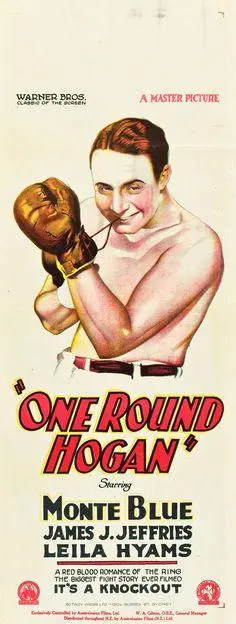
Does 'One-Round' Hogan, a silent-era boxing drama from 1927, still land its punches in the 21st century? Short answer: yes, but with a significant caveat that demands a particular kind of viewer. This film is a fascinating relic, a stark portrayal of a fighter's inner turmoil, offering a window into early cinematic storytelling and the raw, unpolished energy of its time.
It's a film for cinephiles, boxing history enthusiasts, and those with a genuine appreciation for the emotional power of silent cinema. If you approach film primarily for modern pacing, intricate sound design, or complex character arcs delivered through dialogue, then 'One-Round' Hogan is decidedly not for you. It requires patience and a willingness to engage with its unique language.
The story of 'One-Round' Hogan is deceptively simple: a powerhouse boxer, known for his devastating knockout ability, finds his career derailed by a personal tragedy. The death of a friend, a consequence perhaps indirectly linked to his violent profession, leaves Hogan emotionally crippled, unable or unwilling to unleash his signature punch. This internal struggle, the conflict between duty and conscience, is the film's beating heart.
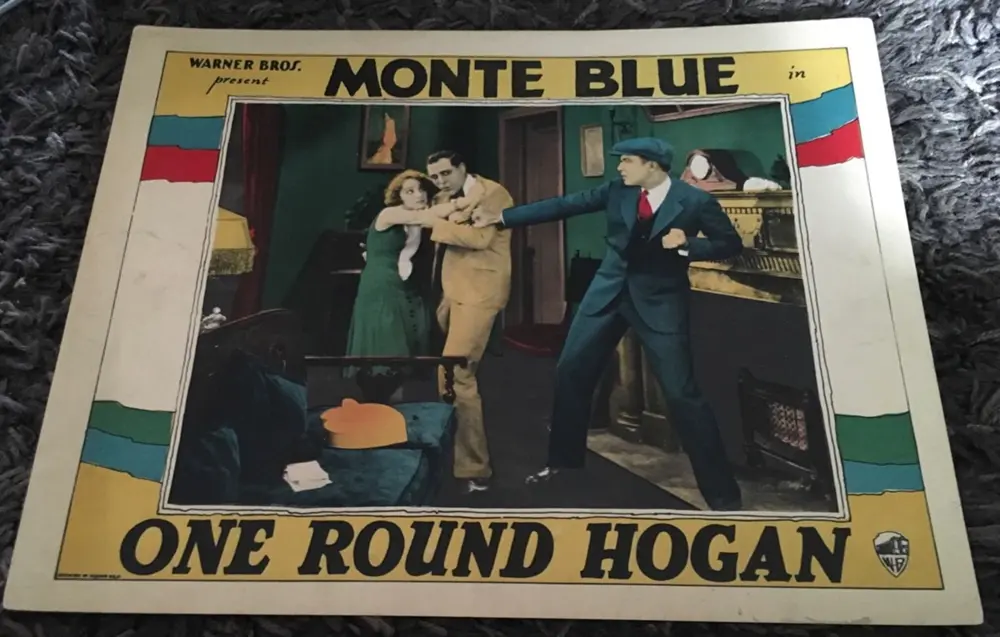
Frank Hagney, as Hogan, embodies this struggle with a physicality that transcends the lack of spoken words. His performance is a masterclass in silent acting, conveying immense emotional weight through posture, facial expressions, and the sheer force of his presence in the ring. You feel his hesitation, his moral quandary, even when the narrative sometimes rushes past the nuances of his grief.
What 'One-Round' Hogan achieves, often against the constraints of its era, is a raw, almost documentary-like feel for the boxing world. The fight sequences, while choreographed, possess a brutal authenticity. They are not the stylized ballets of later sports films; they are desperate, sweaty, and sometimes clumsy brawls that feel genuinely dangerous. This visceral quality is a testament to the direction and the commitment of the actors.
The film works because of its unflinching gaze at the consequences of violence, even within the sanctioned brutality of the ring. It doesn't glorify the knockout punch but rather explores its psychological aftermath. This thematic depth elevates it beyond a mere sports drama, positioning it as an early exploration of trauma and moral conflict.
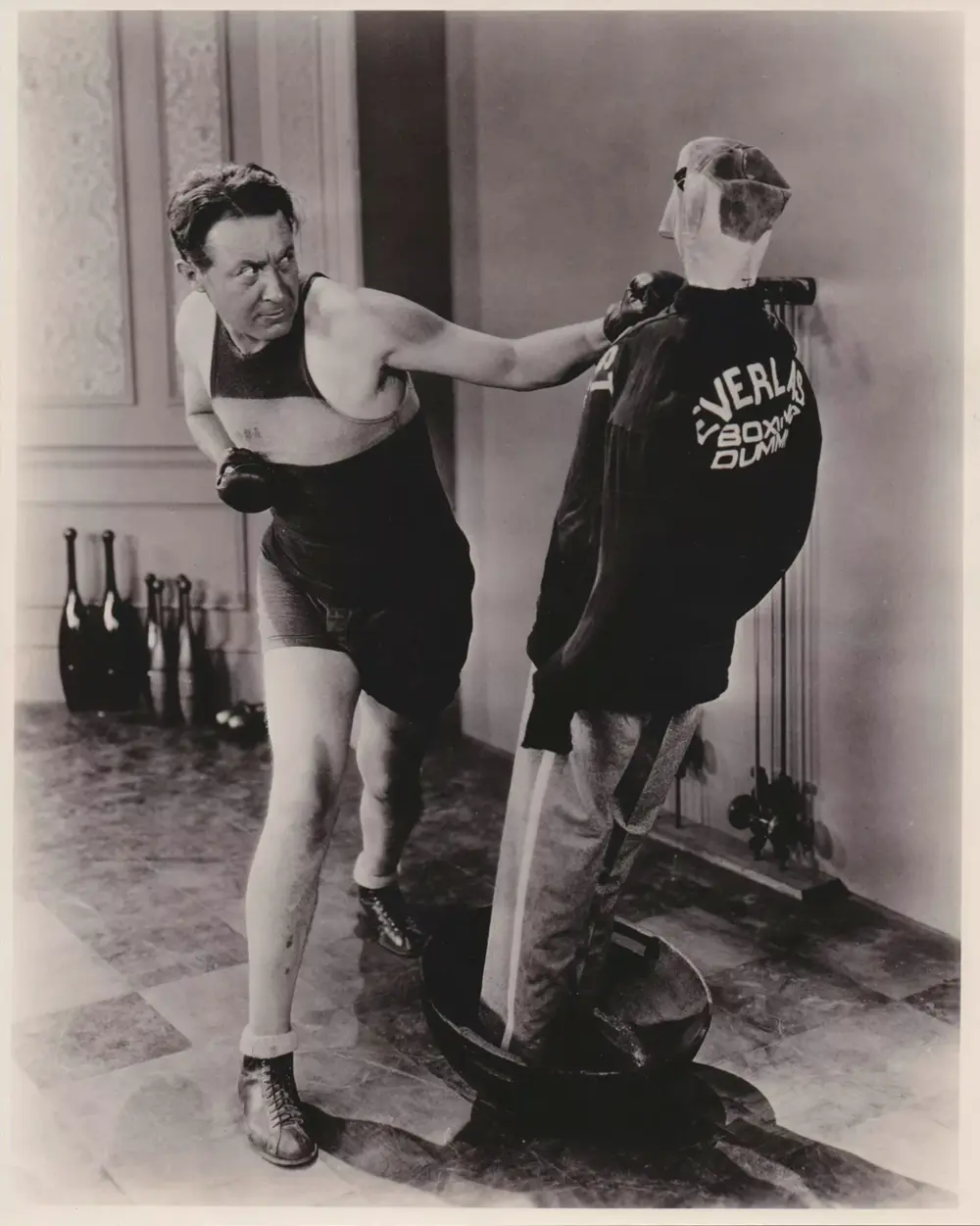
However, this film fails because its pacing, while typical for the silent era, can feel glacial to a modern audience. The emotional beats, though powerful, are sometimes telegraphed rather than subtly woven, a common stylistic choice of the time. The supporting characters, while functional, rarely achieve the same level of depth as Hagney's Hogan, making some of their interactions feel purely plot-driven.
You should watch 'One-Round' Hogan if you are fascinated by the evolution of film storytelling, appreciate the raw power of silent acting, or simply want to experience a compelling, if somewhat dated, take on the classic sports underdog narrative. It's a challenging watch, but a rewarding one for the right audience.
Frank Hagney’s portrayal of Hogan is the anchor. He doesn't just play a boxer; he embodies the struggle of a man whose profession demands a brutality he can no longer stomach. Consider the scene where Hogan hesitates, mid-fight, his fist hovering, a flicker of anguish crossing his face before he pulls back. This single moment, devoid of dialogue, speaks volumes about his internal crisis. It's a powerful display of silent acting, far more effective than many a verbose monologue in talkies.
Director F.L. Griffen, along with writers George Godfrey and Charles R. Condon, crafts a narrative that, despite its simplicity, resonates. The choice to focus on Hogan's emotional paralysis rather than a clear antagonist is a bold one for its time. It prioritizes internal conflict, a precursor to the psychological dramas that would become prevalent decades later. The camera work, while not groundbreaking by today's standards, effectively captures the claustrophobia of the ring and the wider, often stark, urban environments.
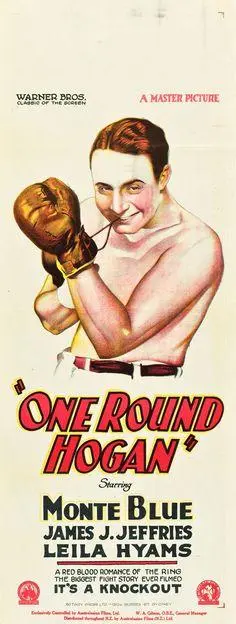
The supporting cast, including Leila Hyams, provides necessary emotional context, though their characters are often archetypal. Hyams, as the love interest, offers a beacon of hope and understanding, her expressions conveying concern and steadfast support. Her scenes with Hagney provide a crucial counterpoint to the brutal world of boxing, reminding Hogan, and the audience, of what he stands to lose beyond the championship belt.
The cinematography in 'One-Round' Hogan is utilitarian yet effective. It captures the action with a straightforwardness that lends credibility to the fight scenes. There are no fancy camera tricks or elaborate tracking shots; instead, we get steady, often medium shots that place us directly in the audience or at ringside. This approach grounds the film in a gritty reality, contrasting sharply with the more theatrical visual styles seen in some contemporary silent films like The Show or even the fantastical elements of Finances of the Grand Duke.
The pacing, as mentioned, is a product of its time. Scenes linger, allowing emotions to register without the rapid-fire editing we've grown accustomed to. For some, this slow burn will be an immersive experience, a chance to absorb the visual storytelling without distraction. For others, it might test their patience. This is where the 'silent film enthusiast' filter becomes critical.
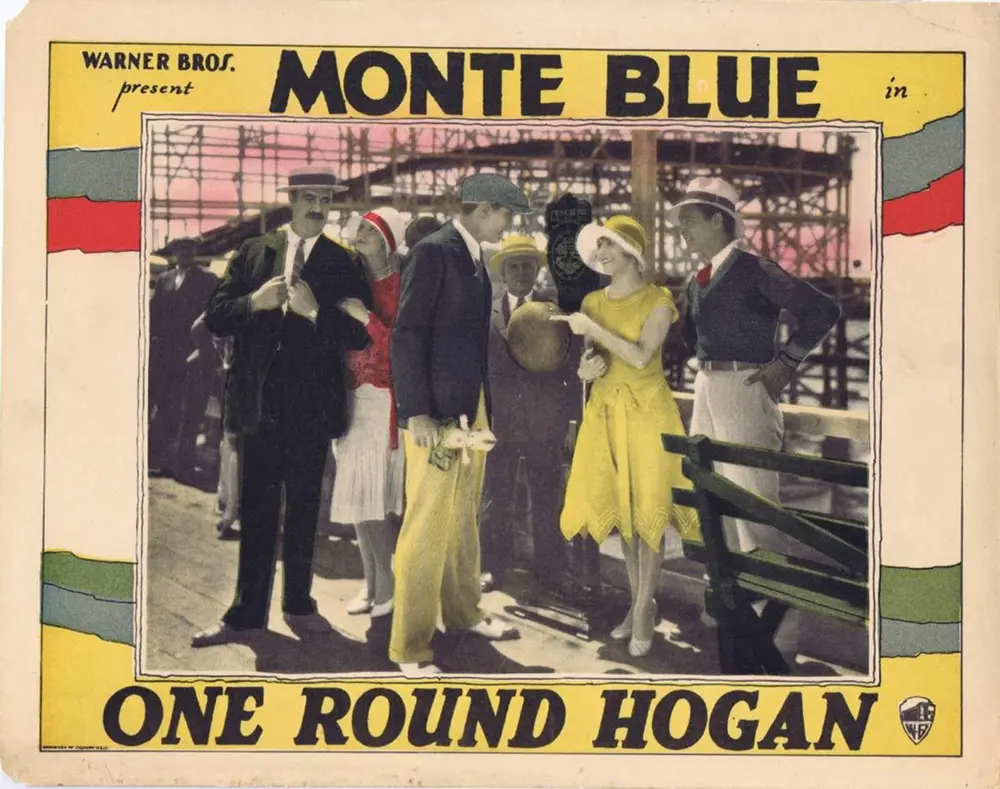
The tone is surprisingly somber for a boxing film of its era. While there are moments of tension and eventual triumph, the pervasive mood is one of internal struggle and moral weight. It avoids the overt melodrama sometimes associated with silent films, opting instead for a more grounded, almost melancholic, examination of a man at a crossroads. It's a surprisingly mature thematic choice for a film that could have easily leaned into simple good-vs-evil narratives.
One surprising observation is how 'One-Round' Hogan, despite its age, manages to feel more authentic in its portrayal of boxing than many modern films. The sheer exhaustion and pain conveyed by Hagney feel genuine. There’s a rawness to the physicality that transcends the lack of sound. It works. But it’s flawed.
I contend that the film's greatest strength is also its biggest missed opportunity. While Hogan's internal conflict is compelling, the film doesn't fully explore the specifics of the friend's death or Hogan's guilt. It's presented as a catalyst, but a deeper dive into that relationship and the immediate aftermath could have elevated the film from good to truly great. We are told he's holding back, but the internal machinations of that decision could have been more thoroughly externalized through visual metaphor, moving beyond mere hesitation.
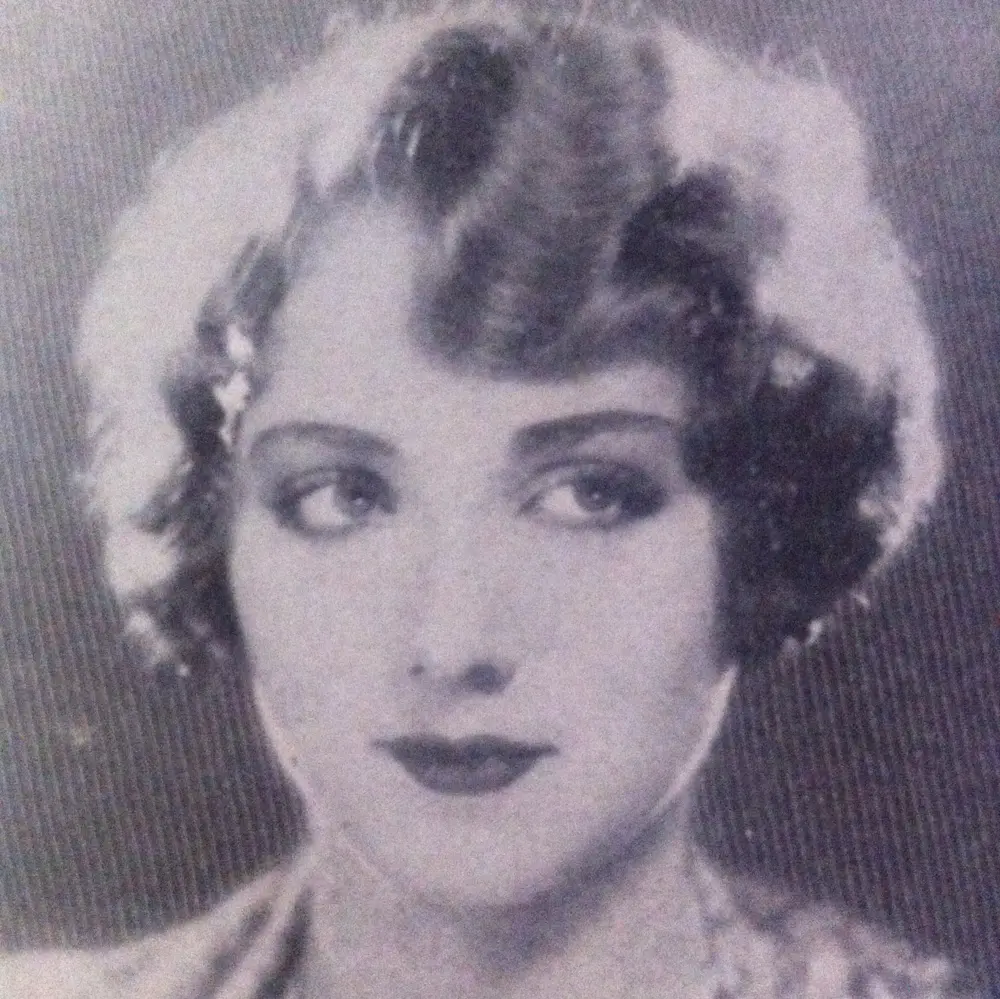
Furthermore, I believe that silent films like 'One-Round' Hogan are often unfairly dismissed as mere curiosities. This film proves that even without spoken dialogue, complex human emotions and profound moral dilemmas can be conveyed with incredible power. It's a testament to the artistry of early cinema and a stark reminder that storytelling prowess isn't dependent on technological advancements, but on human insight.
'One-Round' Hogan is more than just a historical curiosity; it's a compelling, if somewhat challenging, piece of early cinema that deserves a re-evaluation. While its pacing and some narrative conventions firmly place it in the silent era, its central performance by Frank Hagney is timeless. He delivers a raw, believable portrayal of a man wrestling with his conscience in a brutal world. The film's exploration of trauma and the moral cost of victory feels surprisingly modern, even if its execution is decidedly classic.
It's not a film for everyone, and it won't be topping any 'best movies of all time' lists for the casual viewer. But for those willing to engage with its unique language and appreciate its historical context, 'One-Round' Hogan offers a powerful, emotionally resonant experience. It stands as a testament to the enduring power of visual storytelling and the surprising depth silent cinema could achieve. Give it a chance, and you might just find yourself unexpectedly moved by this forgotten gem of the ring.
IMDb 6.5
1923
Community
Log in to comment.