DbcultAccessing Vault...
Cult Review
Senior Film Conservator
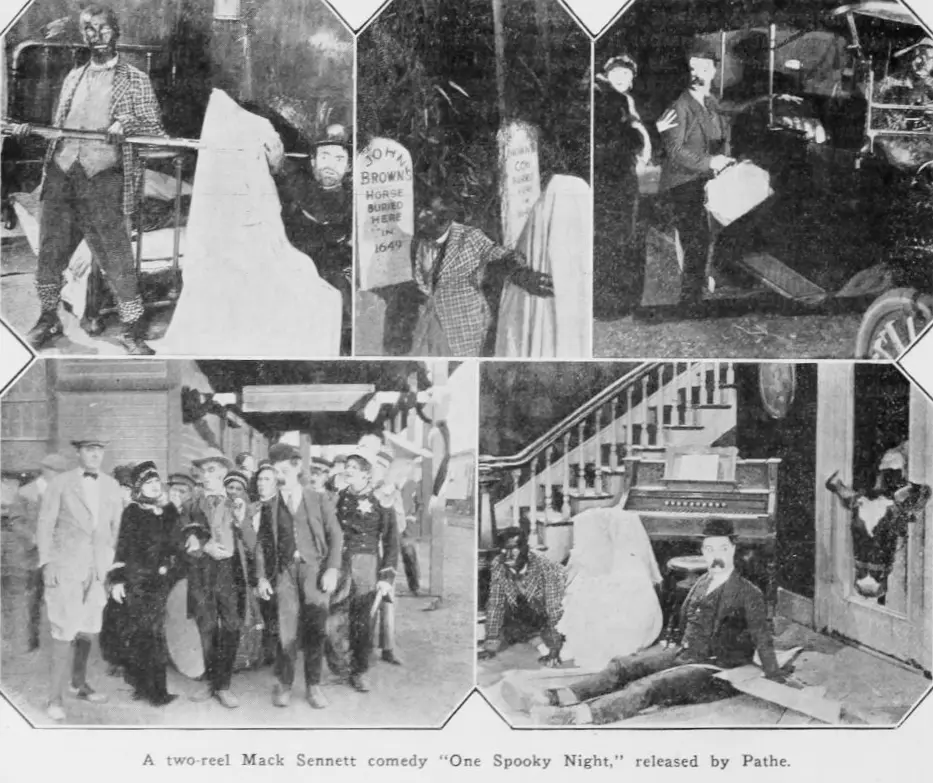
In the pantheon of silent cinema, One Spooky Night (1922) occupies a unique position, oscillating between the poles of comedy and horror. This deftly crafted film, penned by John A. Waldron, weaves a complex narrative that probes the tensions between rural innocence and urban guile.
The film's protagonist, a winsome simpleton portrayed by Billy Bevan, embarks upon a journey of self-discovery in town, where he befriends two city slickers, played by Billy Armstrong and Harry Gribbon. These urbane companions, with their slicked-back hair and affected mannerisms, seem to embody the very essence of metropolitan sophistication. However, their true nature is soon revealed as they attempt to victimize the simpleton's father, a kindly rural dweller.
As the story unfolds, the action converges on a remote house, where the protagonists seek refuge from a tempest. It is here that the film's mastery of atmospheric tension becomes apparent, as the capricious wind and an assortment of birds and animals conspire to create an aura of unease and foreboding. The mise-en-scène, replete with creaking doors, flickering candles, and swooping shadows, serves to heighten the sense of dread that permeates the narrative.
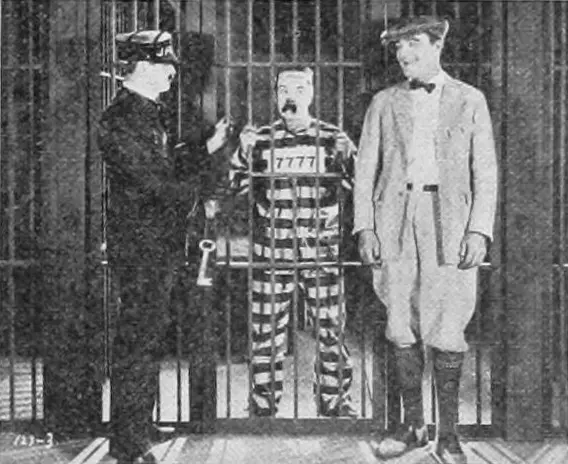
A consideration of One Spooky Night in the context of its contemporaries reveals a film that is both representative of its era and strikingly innovative. In comparison to films like Without Evidence and Ludzie bez jutra, which also explore themes of deception and social tension, One Spooky Night stands out for its deft integration of comedy and horror elements.
The performances of the cast, including Fanny Kelly, Andy Clyde, and Si Jenks, add to the film's overall sense of verisimilitude, while the direction, though uncredited, demonstrates a keen understanding of the medium's possibilities. A similar mastery of tone and atmosphere is evident in films like Die toten Augen and The Shoes That Danced, which also showcase the versatility of silent cinema.
A notable aspect of One Spooky Night is its use of mise-en-scène to create a sense of claustrophobia and disorientation. The tempest that serves as the backdrop for the film's climax is a masterful example of this technique, as the viewer is bombarded with aural and visual cues that serve to heighten the sense of tension. This attention to detail is reminiscent of films like The Eternal Sin and Her Own People, which also demonstrate a keen understanding of the medium's possibilities.
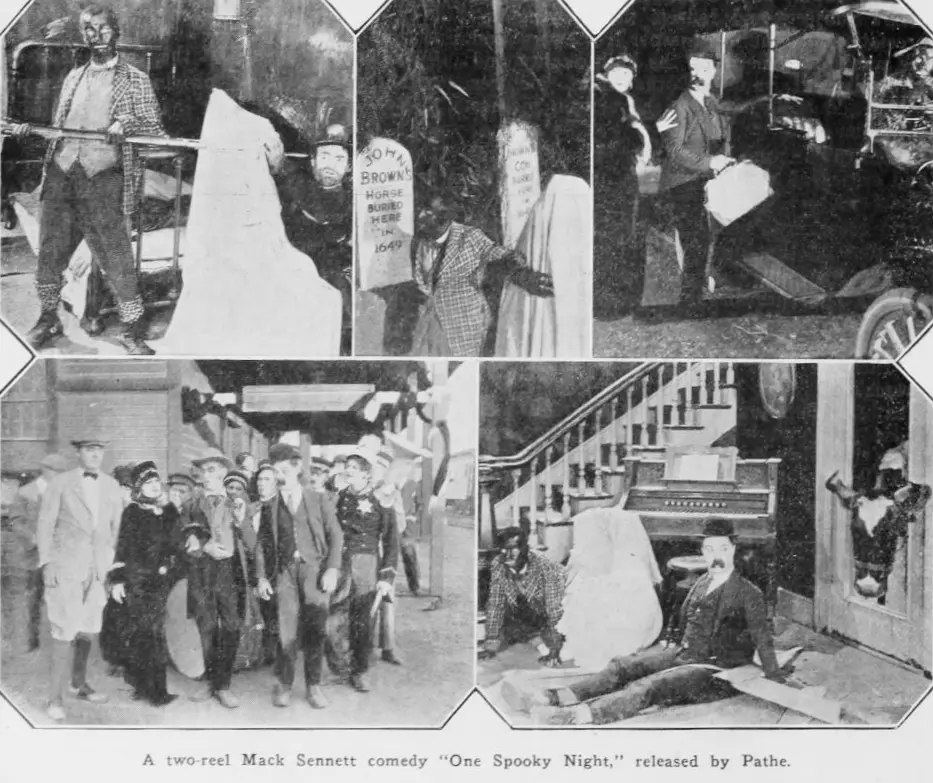
The film's portrayal of rural life, though not necessarily its primary focus, offers a fascinating glimpse into the social and cultural mores of the time. The simpleton's father, played by Leo Sulky, is a kindly and well-meaning individual, whose naivety serves as a foil to the duplicity of the city slickers. This dichotomy is a common theme in silent cinema, and One Spooky Night handles it with a deft touch, avoiding didacticism and instead opting for a nuanced exploration of the complexities involved.
In conclusion, One Spooky Night is a film that defies easy categorization, inhabiting a liminal space between comedy and horror. Its exploration of rural innocence and urban guile, coupled with its mastery of atmospheric tension, make it a must-see for aficionados of silent cinema. Through its thoughtful use of mise-en-scène and a keen understanding of the medium's possibilities, the film offers a captivating viewing experience that lingers long after the credits roll.
Additional films that may be of interest to viewers of One Spooky Night include A Quiet Street, Marie, Queen of Rumania, and Breaking Home Ties, which also explore themes of social tension and deception. For those interested in exploring the intersection of comedy and horror, The Sunny South or The Whirlwind of Fate and The New Moon are also worthy of consideration.
IMDb —
1924
Community
Log in to comment.