DbcultAccessing Vault...
6.3/10
Senior Film Conservator
A definitive 6.3/10 rating for a film that redefined the boundaries of cult cinema. One Wonderful Night remains a cornerstone of transgressive art.
One Wonderful Night (1914): A Masterclass in Silent Film Tension
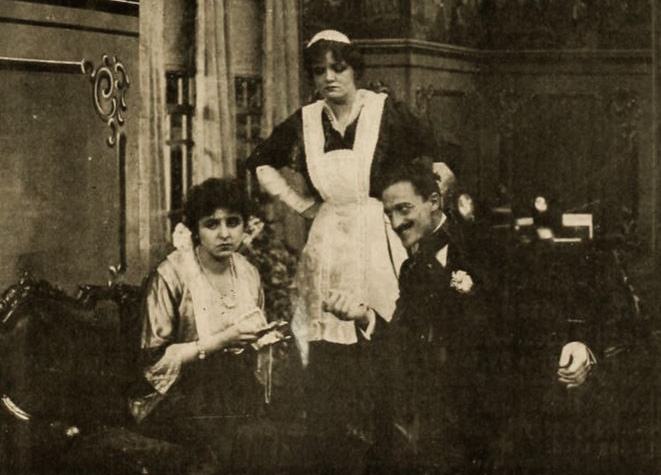
In the annals of early 20th-century cinema, few films blend societal critique with narrative audacity as deftly as One Wonderful Night. Directed with a meticulous eye for atmospheric detail and anchored by the electrifying performances of E.H. Calvert and Beverly Bayne, this 1914 silent film transcends its era-specific aesthetics to deliver a piercing commentary on class, love, and the fragility of identity. The film’s labyrinthine plot, penned by Louis Tracy, is as much a study in human psychology as it is a thriller, weaving together threads of deception, murder, and redemption with the precision of a master watchmaker.
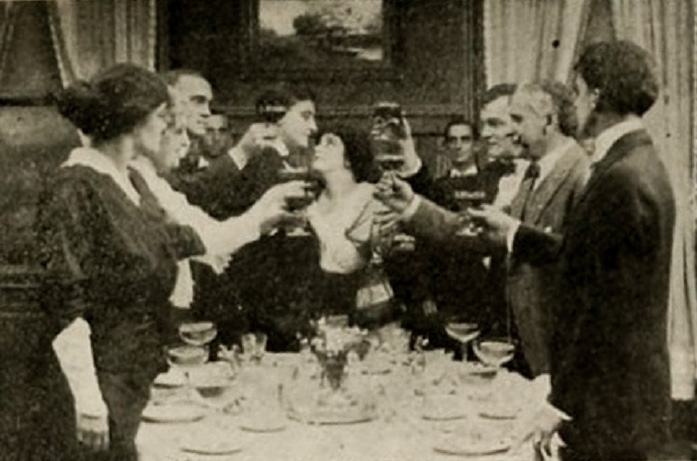
The narrative’s strength lies in its duality: it is both a taut, genre-defying mystery and a scathing indictment of the aristocratic excesses of the Gilded Age. Lady Hermione’s flight from her father’s machinations sets the stage for a story where every character is a pawn, and every alliance is a transaction. Her decision to flee to America with Jean de Courtois—a man whose charm masks a calculating mind—establishes the film’s central tension between idealism and opportunism. The Hungarian Count, a figure of Shakespearean villainy, embodies the toxic intersection of greed and entitlement, his pursuit of Hermione driven less by affection than by a hunger for wealth and influence.
The film’s technical achievements are equally noteworthy. The cinematography, though constrained by the tools of the time, employs chiaroscuro to haunting effect, casting characters in stark relief against shadowy backdrops of New York’s East Side. The murder of Henry Hunter, the newspaper reporter, is a masterstroke of visual storytelling: the sudden violence intruding on the mundane routine of Curtis’s evening stroll, the discovery of the wedding license in Hunter’s coat pocket—a relic of a failed union—serves as a narrative Chekhov’s gun. The use of mise-en-scène in the Plaza Hotel suite sequence, where Curtis and Hermione consummate their impromptu marriage, juxtaposes opulence with vulnerability, a metaphor for the precariousness of their newfound alliance.
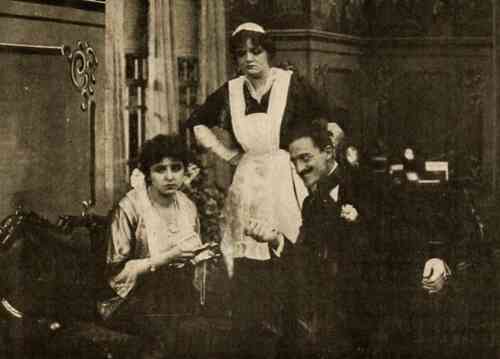
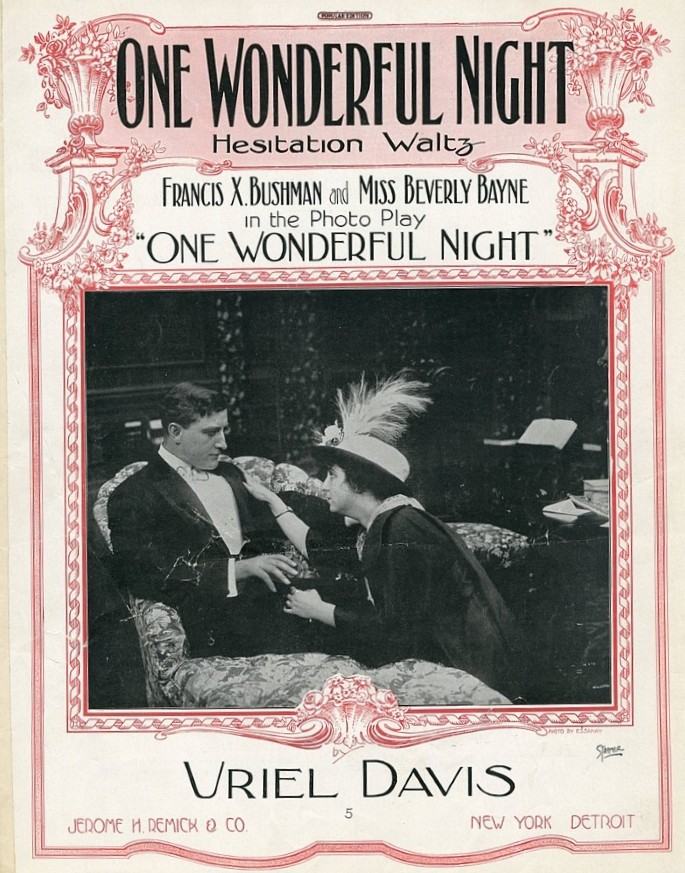
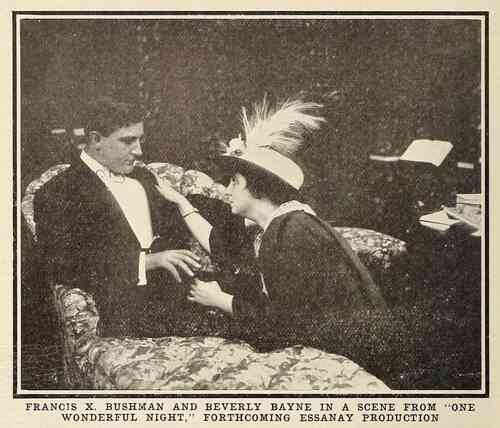
What elevates One Wonderful Night beyond mere melodrama is its exploration of identity and agency. Hermione’s transformation from a passive victim to an active participant in her own destiny is rendered with nuance, her final declaration of love for Curtis—born of necessity yet evolving into genuine affection—underscores the film’s thematic complexity. The supporting cast, particularly Francis X. Bushman as the enigmatic Count and Howard Devar as Curtis’s loyal companion, add layers of moral ambiguity. Even the Earl, portrayed with a mix of pathos and buffoonery, becomes a symbol of the collapsing aristocratic order.
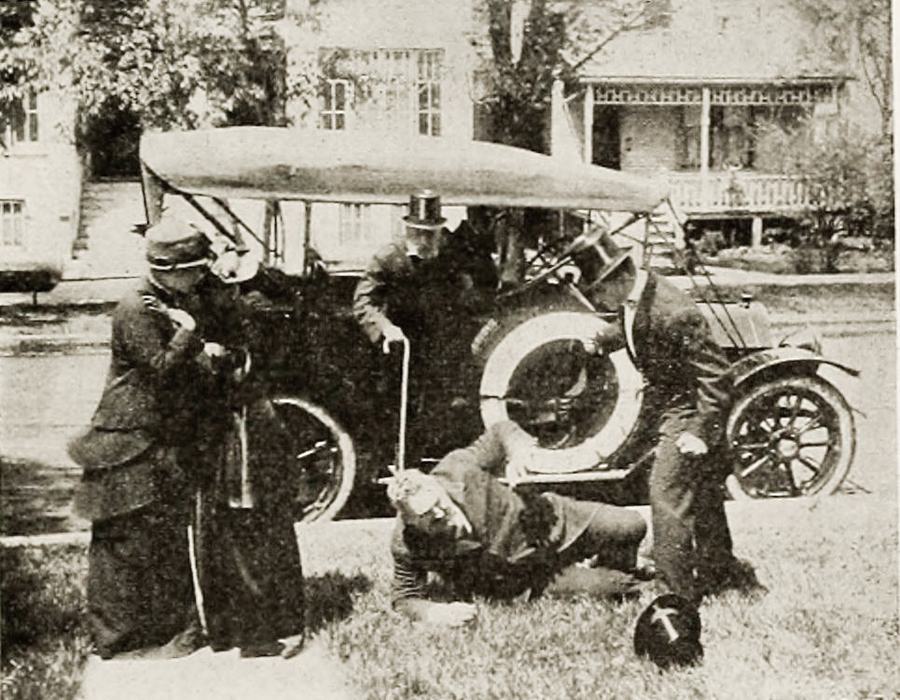
Comparisons to contemporaneous works like The Lost Chord (1915) and The Crucible (1953) are instructive. While those films grapple with societal pressures and personal integrity, One Wonderful Night distinguishes itself through its focus on the microdynamics of power and deception. The film’s influence can also be traced in later works such as The Pursuit of the Phantom (1946), which similarly merges mystery with psychological depth.
Louis Tracy’s screenplay, though rooted in the conventions of Victorian drama, anticipates modernist themes of fragmentation and identity crisis. The telegrams, the forged licenses, and the shifting loyalties create a narrative mosaic where truth is elusive and perception is everything. The resolution—where Hermione’s love for Curtis erases the shadow of their pragmatic union—is both satisfying and bittersweet, a testament to the film’s belief in the redemptive power of genuine connection.
Technically, the film is a marvel of its time. The editing, though rudimentary by today’s standards, maintains a brisk pace that sustains suspense without sacrificing character development. The use of color—limited to the stark contrasts of black and white—enhances the moral dichotomies at play. The score, though likely improvised in many screenings, would have added an aural dimension to the film’s emotional crescendos.
In the broader context of early cinema, One Wonderful Night stands as a bridge between the theatrical traditions of the 19th century and the cinematic innovations of the 20th. Its exploration of class dynamics and personal agency resonates with modern audiences, while its technical ingenuity and narrative ambition place it firmly in the canon of silent film classics. For scholars and enthusiasts alike, this film is not merely a relic but a living, breathing artifact of a time when cinema dared to interrogate the very fabric of society.
In conclusion, One Wonderful Night is a testament to the enduring power of storytelling. It challenges viewers to look beyond the surface of its characters and into the motivations that drive them, offering a mirror to our own world’s complexities. As a piece of cinematic history, it warrants rediscovery and renewed appreciation, for in its shadows and light, we find the essence of human struggle and triumph.
IMDb —
1932
Community
Log in to comment.