DbcultAccessing Vault...
6/10
Senior Film Conservator
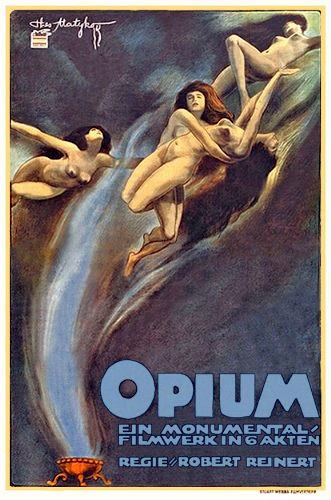
A definitive 6/10 rating for a film that redefined the boundaries of cult cinema. Opium remains a cornerstone of transgressive art.
Robert Reinert's Opium unfurls like a chiaroscuro painting, each frame drenched in the smoky pallor of a city that never quite sleeps. The film opens with a panoramic sweep of a bustling harbor, the water a mirror for the lanterns that flicker like fireflies against the night sky. In the foreground, a lone figure—played with stoic intensity by Werner Krauss—stands at the prow of a cargo ship, his eyes reflecting a world of unspoken contracts and whispered betrayals. This opening tableau sets the tone for a story that is as much about the internal geography of a man's rage as it is about the external geography of colonial power.
Sybill Morel inhabits the role of the dealer's wife with a fragile elegance that belies the turmoil roiling beneath her porcelain exterior. Her character, a conduit for the Westerners' insidious influence, is first seen in a lavish drawing‑room where the opulent décor—gold‑leafed mirrors, silk draperies, and a grand piano—contrasts starkly with the squalor of the opium dens she later frequents. The Western antagonists, embodied by Friedrich Kühne and Conrad Veidt, exude a predatory charm; their dialogue, though sparse in the silent medium, is conveyed through exaggerated gestures and intertitles that drip with condescension. The film's intertitles, rendered in a crisp, sea‑blue typeface, serve as a narrative pulse, punctuating scenes with a lyrical brevity that heightens tension.
The central revenge arc is meticulously plotted, each act of retribution echoing the structure of a classical tragedy. The dealer's first move is a covert sabotage of a shipment of imported silk, a symbolic strike against the material wealth that fuels the colonizers' dominance. This act is filmed in a long, tracking shot that glides through the cramped alleyways, the camera's perspective low to the ground, immersing the viewer in the claustrophobic world of the underclass. The use of shadows—deep, velvety blackness that seems to swallow the light—creates a visual metaphor for the moral darkness that pervades the city.
Reinert's direction is complemented by a cinematographic palette that oscillates between the jaundiced glow of opium smoke and the cold, metallic sheen of colonial architecture. The sea‑blue accents appear in moments of stark clarity: a rain‑slicked cobblestone street reflecting the neon signs of a Western tavern, a solitary lantern casting a cool halo over a grieving widow. These visual cues are not merely decorative; they delineate the emotional terrain, guiding the audience through the protagonist's shifting psyche.
Performance-wise, the ensemble delivers a symphony of nuanced gestures. Hanna Ralph, as the Western mistress who orchestrates the wife's corruption, employs a languid, almost feline poise that suggests both power and predation. Loni Nest, the child prodigy, provides a fleeting glimpse of innocence that is brutally extinguished when the dealer discovers her father's involvement in the opium trade. The interplay between Krauss and Veidt is particularly riveting; their silent confrontations are charged with a kinetic energy that rivals any spoken dialogue.
When situating Opium within the broader canon of early twentieth‑century cinema, its thematic resonance aligns with the moral ambiguity of Angoisse and the visceral dread of The Unborn. However, unlike the overt horror of those works, Reinert's film employs a more subdued, psychological terror that seeps into the viewer's subconscious. The film's exploration of colonial exploitation also echoes the social critique found in Annoula's Dowry, yet Opium distinguishes itself through its relentless focus on the narcotic economy as a conduit for cultural subjugation.
The set design deserves particular commendation. The opium dens are rendered with an authenticity that feels almost documentary‑like: low‑hanging bamboo lattices, ash‑laden tables, and the ever‑present haze of smoke that seems to curl around the characters like a living entity. In contrast, the Western mansions are bathed in a cold, sterile light, their marble floors reflecting the emptiness of the colonizers' moral compass. This dichotomy is reinforced by the film's sound design—though silent, the rhythmic clatter of a distant train and the occasional toll of a church bell are suggested through intertitles and visual cues, creating an auditory imagination that deepens immersion.
Narratively, the film's pacing is deliberate, allowing each act of vengeance to unfold with a measured patience that mirrors the slow burn of addiction itself. The dealer's methodical dismantling of his enemies—poisoning a prized wine, exposing a corrupt official's ledger, orchestrating a public humiliation—are presented in a montage that feels both poetic and brutal. The montage is intercut with moments of quiet introspection, where the protagonist gazes at a photograph of his wife, the image rendered in a sepia tone that stands out against the surrounding darkness, symbolizing a memory that both haunts and motivates him.
The film's climax arrives in a rain‑soaked courtyard, where the dealer confronts the chief Western merchant in a duel that is less about physical combat and more about moral reckoning. The rain, rendered in a series of rapid, staccato cuts, serves as a cleansing force, washing away the grime of the city while simultaneously amplifying the tension. The final shot—a close‑up of the dealer's face, eyes glistening with tears and resolve—captures the paradox of his triumph: he has avenged his wife's corruption, yet the victory feels hollow, a testament to the futility of vengeance in a world built on exploitation.
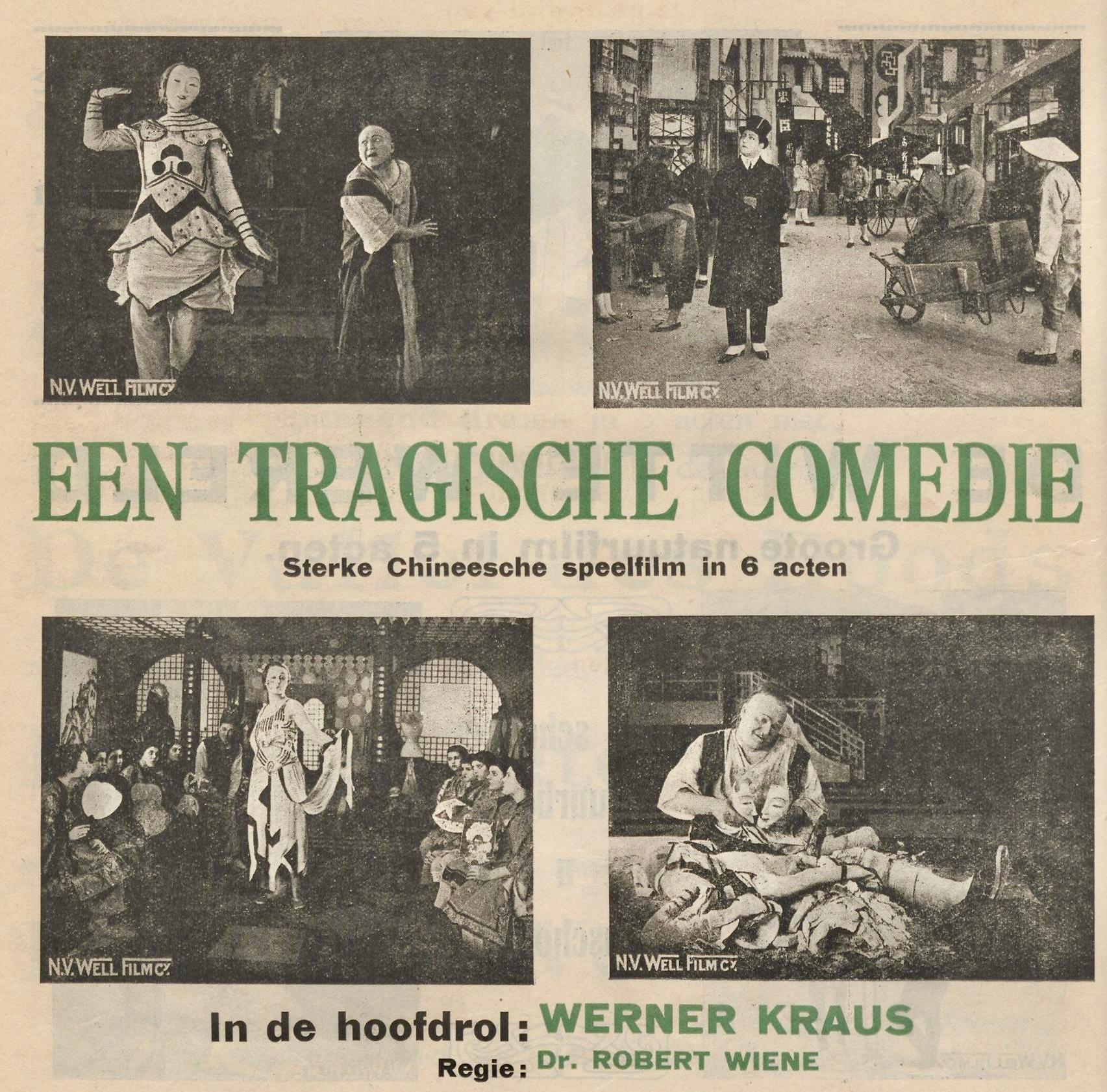
From a thematic standpoint, Opium interrogates the cyclical nature of oppression. The dealer's revenge, while justified within his personal moral framework, perpetuates a chain of violence that mirrors the very colonial aggression he despises. This moral ambiguity invites the viewer to contemplate the broader implications of retributive justice, a conversation that remains relevant in contemporary discourse on post‑colonial identity.
Comparatively, the film's exploration of personal vendetta within a socio‑political context can be likened to the narrative structure of Vendetta, where familial honor collides with systemic corruption. Yet, Reinert's use of the opium trade as a metaphor for cultural erosion sets his work apart, offering a layered critique that transcends mere melodrama.
The editing rhythm, orchestrated by Reinert himself, oscillates between languid, lingering shots that allow the audience to soak in the atmospheric tension, and rapid, disorienting cuts that mimic the disarray of a mind under the influence of narcotics. This duality is particularly evident in the sequence where the dealer infiltrates a Western banquet; the camera swirls around the polished silverware and crystal glasses, then abruptly snaps to a close‑up of a trembling hand reaching for a concealed vial of opium, underscoring the ever‑present threat of addiction.
The film's legacy, though often eclipsed by more commercially successful contemporaries, has exerted a subtle yet persistent influence on later works that grapple with the intersection of personal trauma and colonial critique. Directors such as Carl Theodor Dreyer and G.W. Pabst have echoed Reinert's visual language in their own explorations of moral decay, suggesting that Opium occupies a pivotal, if under‑acknowledged, position in the evolution of socially conscious cinema.
In terms of audience reception, the film's stark visual style and unflinching portrayal of exploitation resonated with critics of the era who praised its daring narrative choices. Modern scholars continue to cite Opium as a seminal work that prefigures the neo‑realist focus on marginalized voices, as well as the later emergence of film noir's chiaroscuro aesthetic.
The supporting cast, including Eduard von Winterstein and Sigrid Hohenfels, provide textured performances that enrich the film's tapestry. Winterstein's portrayal of a weary customs official, torn between duty and conscience, adds a layer of internal conflict that mirrors the dealer's own moral quandary. Hohenfels, as a sympathetic nurse who attempts to heal the dealer's wounded soul, offers a brief respite from the relentless darkness, her presence illuminated by a soft, amber glow that hints at the possibility of redemption.
The film's use of color symbolism—though constrained by the monochrome medium, achieved through tinting techniques—further amplifies its thematic depth. Scenes set within the opium dens are tinged with a sickly amber, evoking the intoxicating allure of the drug, while moments of revelation or moral clarity are bathed in a cool sea‑blue hue, suggesting clarity amidst chaos.
From a technical perspective, the cinematographer's choice to employ deep focus shots allows multiple planes of action to coexist within a single frame, a technique that invites the viewer to engage actively with the narrative, parsing out subtextual cues hidden in the background. This visual complexity rewards repeated viewings, as new details emerge with each subsequent screening.
The film's conclusion, while ostensibly delivering poetic justice, leaves an open‑ended question about the sustainability of such vengeance. The dealer's final gaze toward the horizon—where the sun rises in a muted, golden hue—suggests both an ending and a new beginning, a visual metaphor for the perpetual cycle of oppression and resistance that defines the human condition.
In sum, Opium stands as a masterful convergence of narrative ambition, visual innovation, and sociopolitical commentary. Its intricate plot, compelling performances, and daring aesthetic choices render it a timeless work that continues to inspire critical discourse and artistic emulation. For scholars, cinephiles, and casual viewers alike, the film offers a richly layered experience that rewards attentive viewing and thoughtful reflection.
IMDb 6.2
1927
Community
Log in to comment.