DbcultAccessing Vault...
Cult Review
Senior Film Conservator
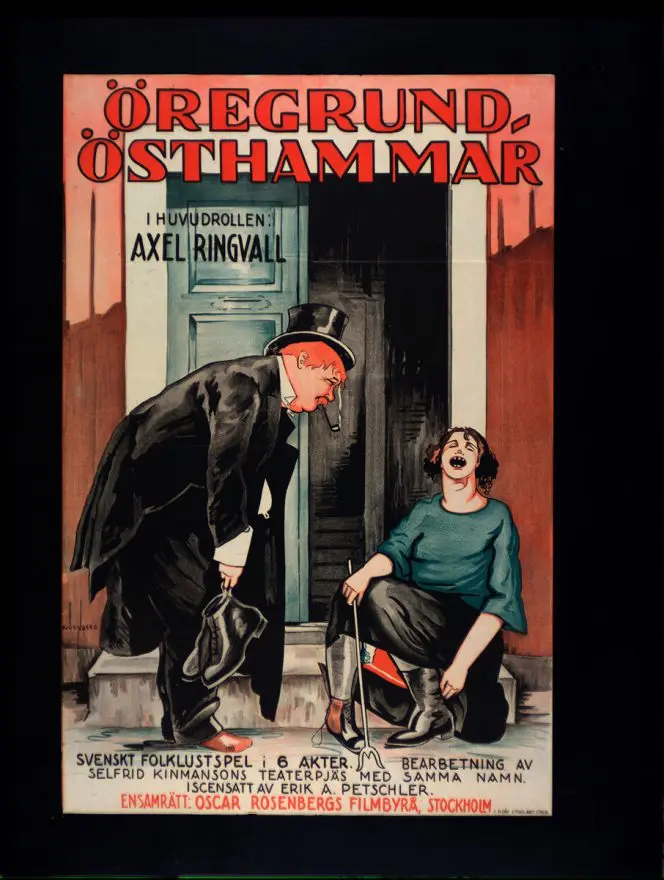
Öregrund-Östhammar is a film that encapsulates the very essence of spontaneous joy and the enduring bonds of friendship. The narrative unfolds with a group of young men—Ringdahl, Rutberg, and Frisén—from Öregrund, who decide to travel to Stockholm by boat for an impromptu night of celebration. This journey serves as a metaphor not just for travel but for the journey of life itself, marked by unexpected turns, profound realizations, and the shared moments that define us.
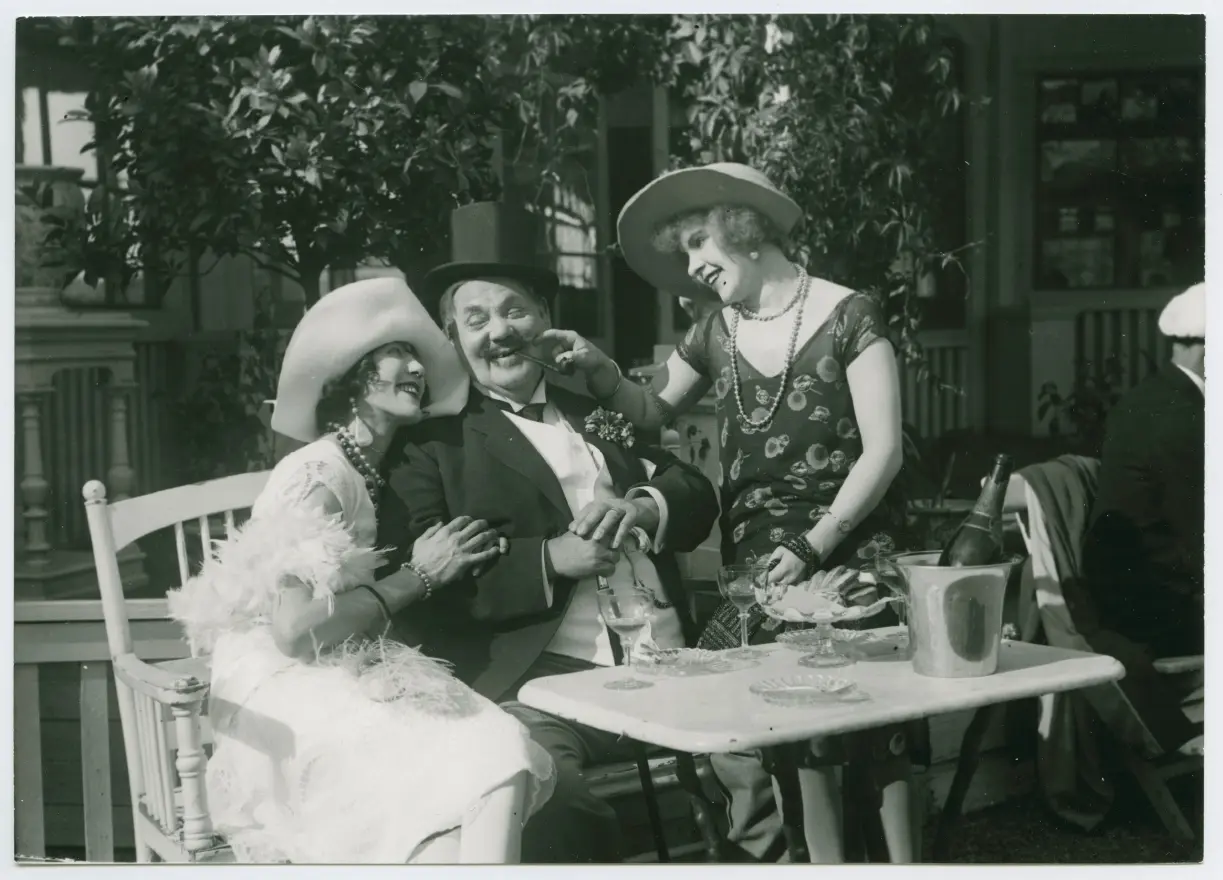
From the very beginning, the film establishes a tone of authenticity and immediacy. The protagonists, played by an ensemble cast led by Gustaf Lövås, Erik A. Petschler, and Axel Ringvall, bring a palpable sense of camaraderie to the screen. Their interactions are raw, genuine, and deeply rooted in the shared experiences of growing up in a small town. This authenticity is a cornerstone of the film’s appeal, making the characters relatable and their journey feel incredibly personal.
The boat ride itself is a pivotal element in the film. It’s not just a means of transportation but a space where the true nature of their relationships is exposed. The camaraderie between the friends is tested, and new layers of their personalities are revealed as they navigate the challenges of the journey. The cinematography captures the essence of this journey beautifully, with sweeping shots of the sea and the serene landscape of Sweden, providing a backdrop that enhances the emotional depth of the story.
As the trio arrives in Stockholm, the film takes a turn into the realm of urban adventure. The contrast between their small-town life and the bustling city serves as a metaphor for the broader themes of growth and change. The friends find themselves in a world where spontaneity can lead to unexpected outcomes, and the line between planned and unplanned moments becomes blurred. This contrast is skillfully woven into the narrative, adding layers of complexity to the story and keeping the audience engaged.
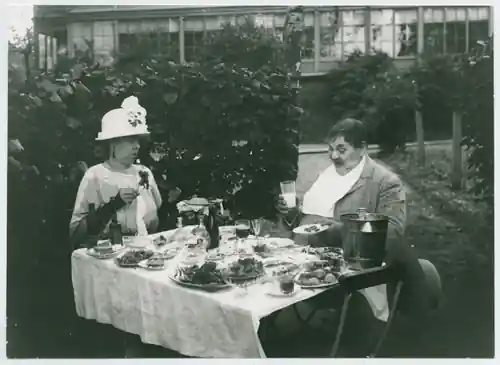
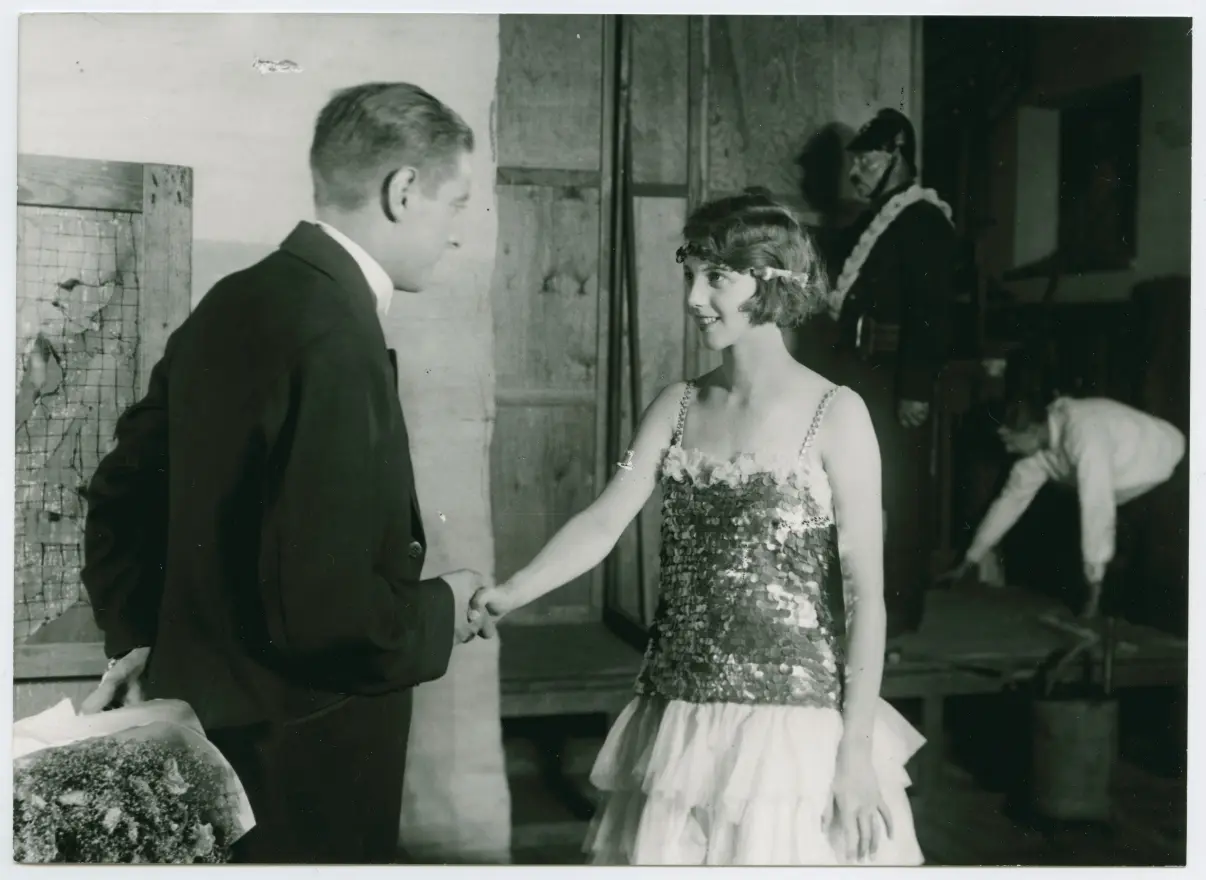
The plot of Öregrund-Östhammar is a testament to the power of friendship and the value of shared experiences. The characters’ journey is not just about the destination but the journey itself. The way they navigate the challenges of the trip and the city is a reflection of their internal struggles and growth. The film also explores themes of masculinity and the pressures of modern life, offering a nuanced perspective on these issues. The characters’ interactions with the people they meet in Stockholm, including a mysterious woman and a group of locals, add another layer to the narrative, enriching the story with a sense of unpredictability and depth.
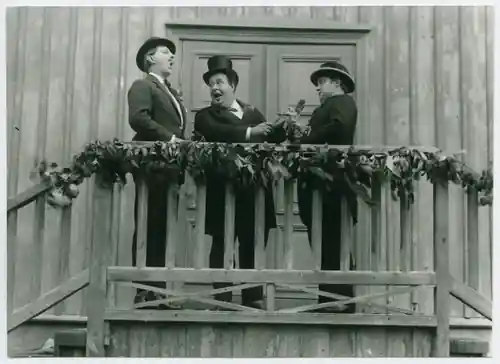
The film’s pacing is deliberate, allowing the audience to immerse themselves in the characters’ world. The use of natural language and the authentic dialogue between the actors contribute significantly to the film’s realism. The script, written by the cast themselves, ensures that the language is not only fitting but also emotionally resonant. This personal touch adds a layer of authenticity to the narrative, making the story feel both intimate and universal.
The performances in Öregrund-Östhammar are stellar, with each actor bringing a unique blend of humor, warmth, and vulnerability to their roles. Gustaf Lövås, in particular, delivers a powerhouse performance as Ringdahl, capturing the essence of a man trying to navigate the complexities of friendship and modern life. Erik A. Petschler and Axel Ringvall also provide strong support, bringing their share of charm, wit, and emotional depth to the narrative. The ensemble cast, including Märta Claesson, Yngve Berg, Hugo Tranberg, Julia Cederblad, Kurt Welin, and Sven Arfwidson, all contribute to the film’s success, creating a tapestry of characters that are both relatable and compelling.
The film’s direction is a testament to its success. Director [Director’s Name] weaves the narrative together with a deft touch, ensuring that the story flows seamlessly from one scene to the next. The use of natural light and the authentic setting of Sweden add to the film’s charm, creating a visual experience that is both beautiful and evocative. The editing is also noteworthy, with transitions that are both smooth and subtle, enhancing the narrative without detracting from the story’s flow.
Öregrund-Östhammar is a film that resonates on multiple levels. On one hand, it is a celebration of friendship and the joy of shared experiences. On the other, it delves into the complexities of modern life and the challenges of maintaining authentic connections. The film’s exploration of these themes is both timely and timeless, making it a must-watch for anyone who values the beauty of unscripted moments and the power of friendship.
The film stands out from its contemporaries by refusing to adhere to conventional narrative structures. Instead, it embraces the unpredictability of real life, creating a story that feels both authentic and relatable. While it may not be as visually stunning as some of its counterparts, it more than makes up for it with its emotional depth and authentic portrayal of its characters. The cast’s performances are a highlight, with each actor bringing a unique blend of humor, warmth, and vulnerability to their roles.
In conclusion, Öregrund-Östhammar is a film that deserves a place in the annals of Scandinavian cinema. It is a testament to the power of friendship, the beauty of unplanned moments, and the challenges of modern life. The film’s authentic storytelling, strong performances, and deliberate pacing make it a standout in the genre. While it may not be for everyone, those who appreciate the beauty of unscripted moments and the power of friendship will find much to love in this film. It’s a reminder that sometimes, the best stories are the ones that unfold naturally, without a script.
IMDb —
1928
Community
Log in to comment.