DbcultAccessing Vault...
Cult Review
Senior Film Conservator
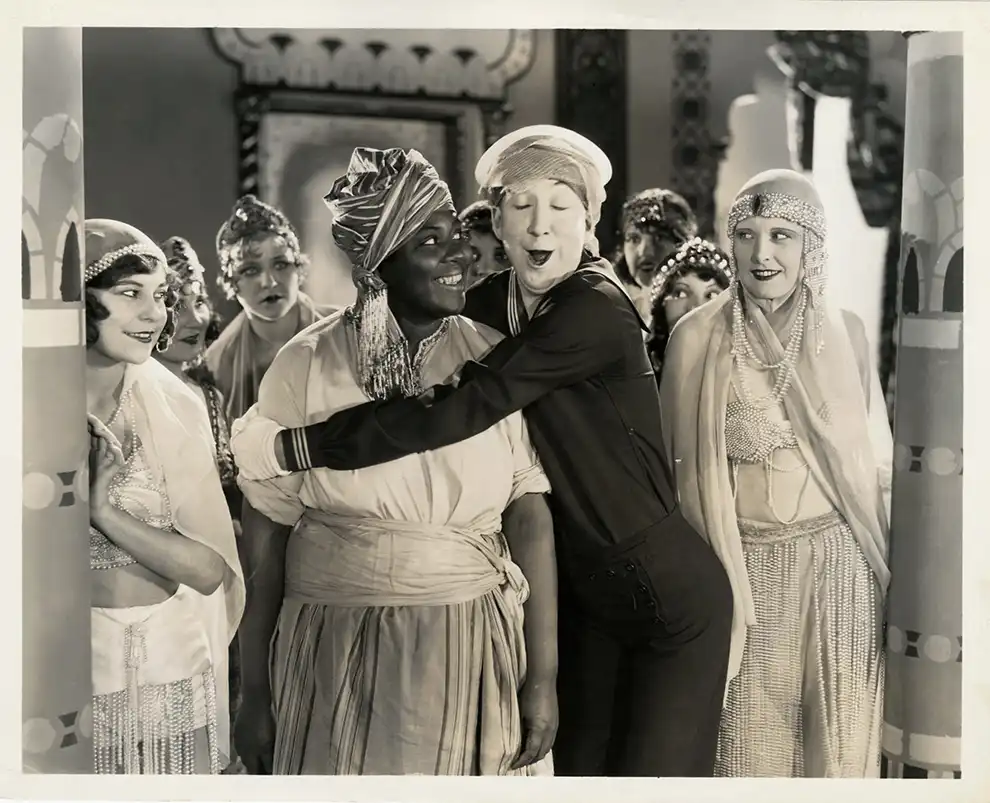
Oriental Hugs is definitely one for the dedicated film archaeology folks, or maybe just anyone who wants a peek at what passed for light entertainment nearly a century ago. If you're into the *feel* of old cinema – the jerky movements, the exaggerated expressions – you might get a kick out of this one. But if you need snappy dialogue or a plot that makes perfect sense, you'll probably just find it frustrating. It’s not a masterpiece, not by a long shot, but it has this... *vibe*. 🎬
The first thing you’ll probably notice is Billy Dooley. He plays this perpetually flustered chap, a real picture of wide-eyed panic. He's always on the verge of tripping over his own feet, even when just standing still. It's kinda endearing, actually.
There's this one scene, maybe halfway through, where William Blaisdell's character is trying to explain something important, but the camera just keeps cutting to a close-up of a *teapot*. A very ornate teapot, mind you, but still. It goes on for a beat too long. You just sit there thinking, "Okay, we get it, it's a fancy teapot." ☕
Louise Beavers, even in her smaller role, really brings a warmth to the screen. Her smile, even when she’s just in the background, feels so genuine. It's a flash of real emotion amidst all the slapstick.
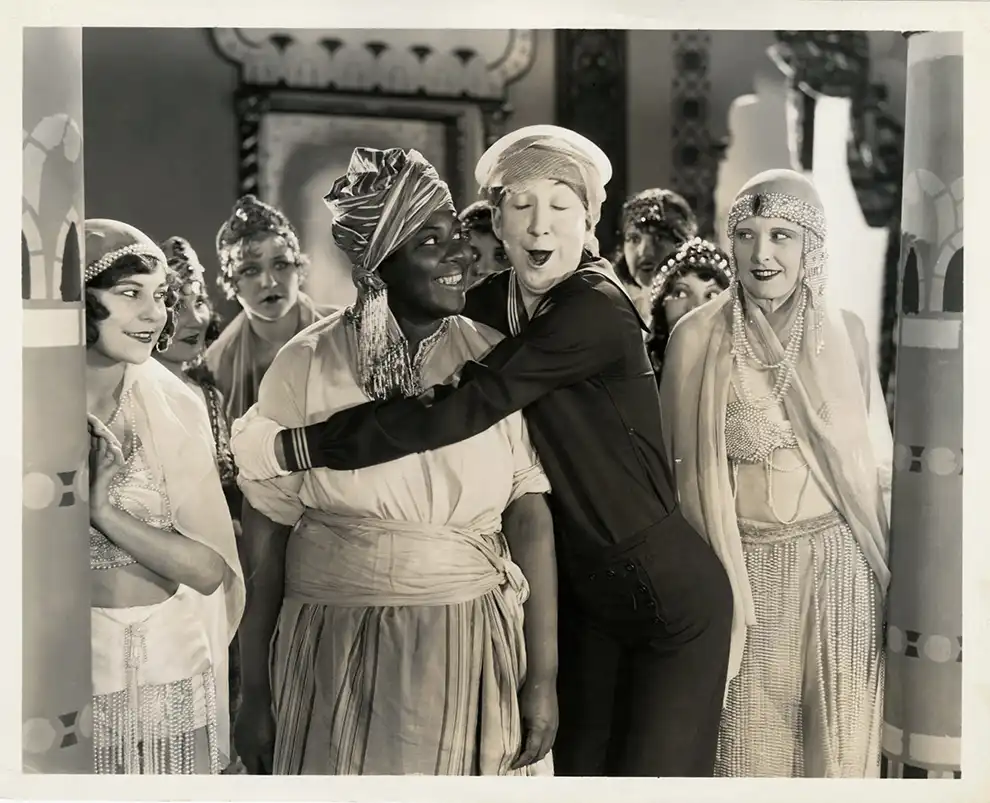
The title itself, "Oriental Hugs," it’s a bit of a head-scratcher. The "hugs" part certainly delivers. There are *so many* embraces, mostly accidental, some very enthusiastic. It’s less about a grand romance and more about people constantly bumping into each other in oddly intimate ways.
The intertitles, if you're watching a print with them, are sometimes quite poetic, then suddenly very blunt. One minute it's "A whisper of destiny across the silk road," the next it's "He ate the last biscuit." No real in-between.
Joe Bordeaux's villain (or maybe just antagonist?) feels like he wandered in from a different movie entirely. He's got this intense stare, like he's in a serious drama, while everyone else is practically pratfalling. It's a *weird* mismatch.
There's a chase scene, of course. Happens in most of these old ones. This one involves a runaway rickshaw. The rickshaw driver, who I think is William Irving, looks genuinely terrified. Or maybe that was just good acting. It's hard to tell sometimes. 😅
The whole thing feels a bit like a stage play sometimes. The way characters enter a room, perfectly framed, then deliver their big gestures. You can almost see the stage directions in your head.
I kept thinking about The Monster while watching this, not because they're similar in plot, but because both have this quality of a very specific kind of period absurdity. Like, things that were probably hilarious then, but now just feel... *quaint*.
Vera Steadman, she's got a few moments where her expressions are just *gold*. There's a particular scene where she tries to hide behind a ridiculously small plant. You can see her shoulders shaking with suppressed laughter. That was a nice touch.
The editing in some parts is super quick, like they were trying to be modern or something. Then other times, a shot holds for what feels like an eternity. The rhythm is just *all over the place*. It makes you wonder what the director, maybe Hal Conklin or Al Martin, was going for. 🤔
And the ending... it's a bit abrupt. Like they just ran out of film, or maybe ideas. It just *stops*. No grand resolution, just a final, slightly bewildered "hug" and fade to black. You're left wanting... something more, but also, in a strange way, it fits the whole *oddball* experience. It just kind of *ends*.
One last thing: the crowd scenes. There's always one extra who isn't quite looking at the right spot, or who seems to be having a totally different conversation. It adds a certain charm, you know? Like, "Oh, hey, that guy's just living his life." Adds a bit of realness to the chaos.
IMDb 4.6
1932
Community
Log in to comment.