DbcultAccessing Vault...
6.7/10
Senior Film Conservator
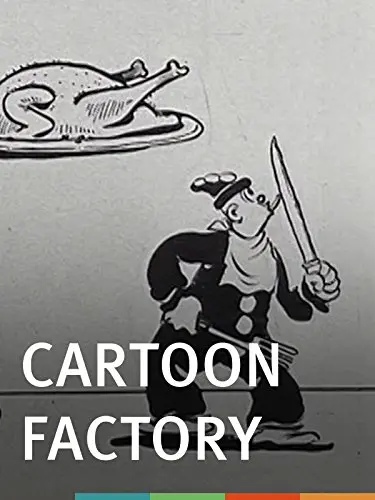
A definitive 6.7/10 rating for a film that redefined the boundaries of cult cinema. The Cartoon Factory remains a cornerstone of transgressive art.
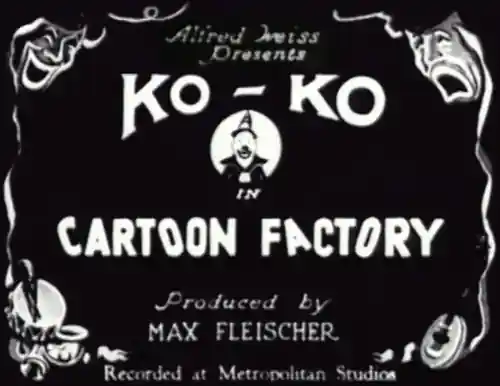
In the 1920s, the world was on the cusp of a technological revolution, and Max Fleischer's The Cartoon Factory (1924) eerily captures the zeitgeist of this transformative era. This short film is a fascinating amalgamation of live-action and animation, featuring Fleischer himself and his animated alter ego, KoKo the Clown. As a pioneering work in the burgeoning field of animation, The Cartoon Factory warrants a nuanced examination, particularly in relation to its exploration of technology's dark underbelly.
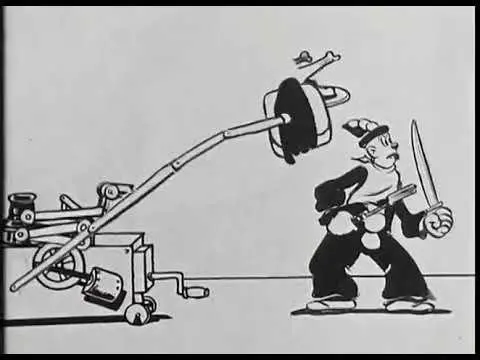
The film's narrative is deceptively simple: Fleischer showcases his electric drawing device, which he uses to complete a drawing with remarkable speed and accuracy. However, as he turns the device on KoKo, the animated clown is subjected to a disorienting and mesmerizing experience. The machine's whirring and KoKo's hapless reactions serve as a stark reminder of the unpredictable nature of technological innovation. This dichotomy between creator and creation is expertly captured through the juxtaposition of live-action and animation, highlighting the tensions between Fleischer's ingenuity and KoKo's helplessness.
Thematic resonance is a hallmark of Fleischer's work, and The Cartoon Factory is no exception. The film's exploration of technological anxieties echoes the concerns of contemporaneous works, such as Richelieu (1922) and Dangerous Days (1920). These films collectively illustrate the public's growing unease regarding the rapid pace of technological progress. Fleischer's prescience in addressing these concerns solidifies his position as a visionary filmmaker.
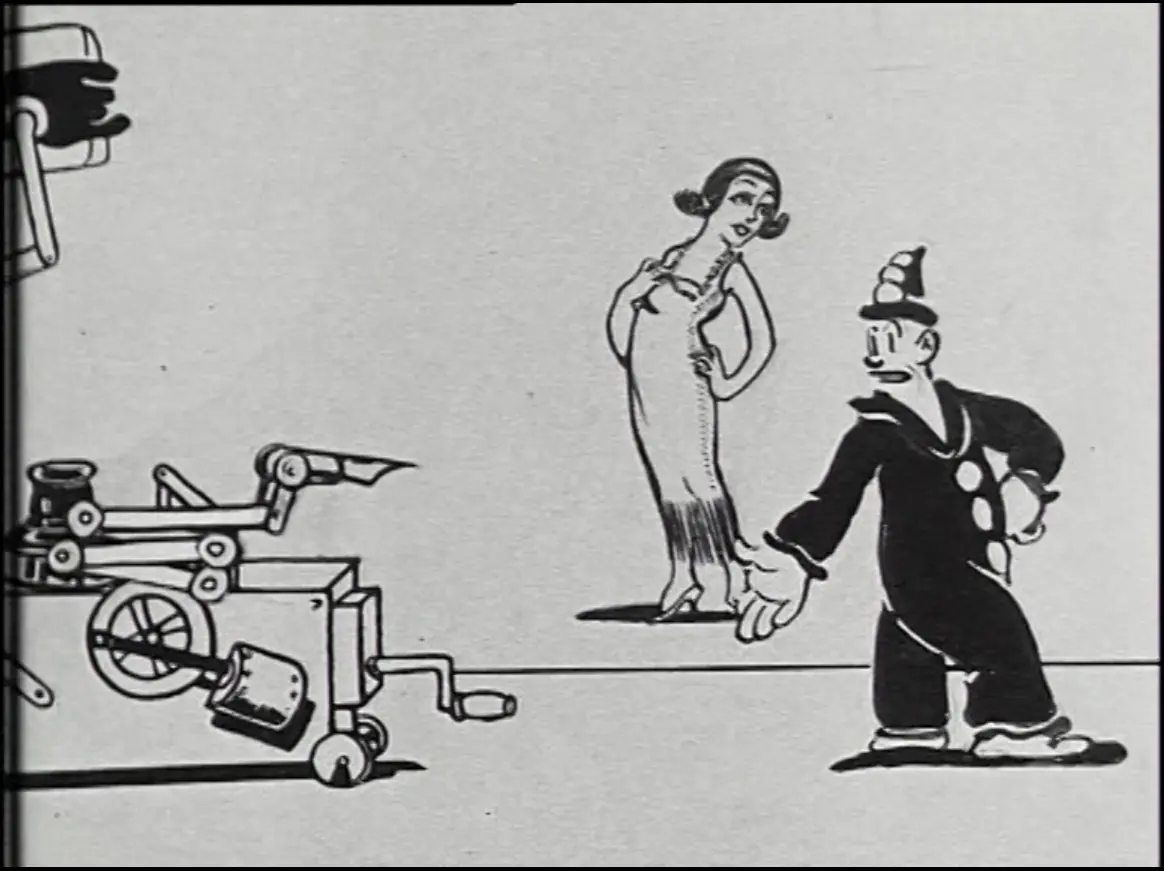
Furthermore, The Cartoon Factory showcases Fleischer's innovative storytelling and technical prowess. The seamless integration of live-action and animation serves as a testament to his artistic versatility. This technical expertise, coupled with his thematic acuity, cements Fleischer's status as a pioneering filmmaker. The cinematic language employed in The Cartoon Factory not only captivated audiences in 1924 but continues to enthrall film enthusiasts today.
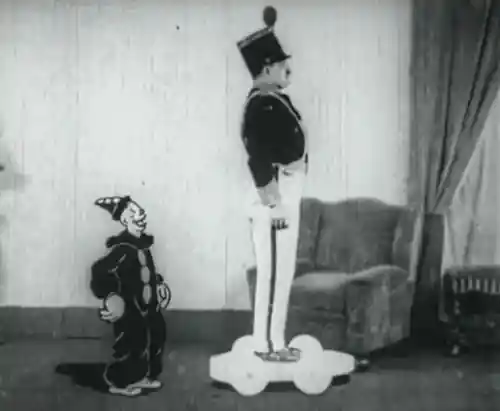
The performative aspect of The Cartoon Factory is another noteworthy element. Fleischer's on-screen presence imbues the film with a sense of intimacy, drawing the viewer into his creative process. KoKo's reactions, meanwhile, serve as a proxy for audience response, expertly conveying the disorienting effects of technological innovation. This dual narrative – Fleischer's creative process and KoKo's experiences – masterfully captures the tensions between creator and creation.
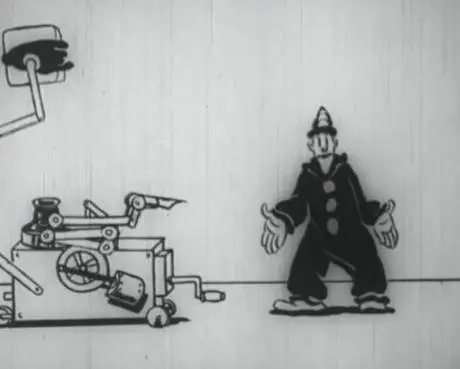
As a work of early cinema, The Cartoon Factory invites comparison with other films of the era. Solomon in Society (1922) and The Silent Witness (1923) exemplify the socially conscious cinema of the 1920s, while The Reed Case (1924) and What Becomes of the Children? (1924) tackle themes of social responsibility. The Cartoon Factory, with its prescient exploration of technological anxieties, assumes a significant position within this cinematic landscape.
Ultimately, The Cartoon Factory is a seminal work in the history of animation, warranting recognition for its technical innovation, thematic resonance, and performative nuance. As a groundbreaking film, it not only reflects the turmoil of the 1920s but also prefigures future anxieties surrounding technological progress. Through its mesmerizing and disorienting portrayal of technology's dark underbelly, The Cartoon Factory cements its place as a landmark of early cinema.
In conclusion, The Cartoon Factory is an enigmatic and haunting film that masterfully captures the tensions between creator and creation. As a testament to Fleischer's visionary filmmaking, this 1924 cartoon continues to enthrall audiences with its prescient exploration of technological anxieties. By examining The Cartoon Factory within the context of early cinema, we gain a deeper understanding of the evolving cinematic landscape of the 1920s and the enduring legacy of Max Fleischer's innovative work.
IMDb —
1915
Community
Log in to comment.