DbcultAccessing Vault...
Cult Review
Senior Film Conservator
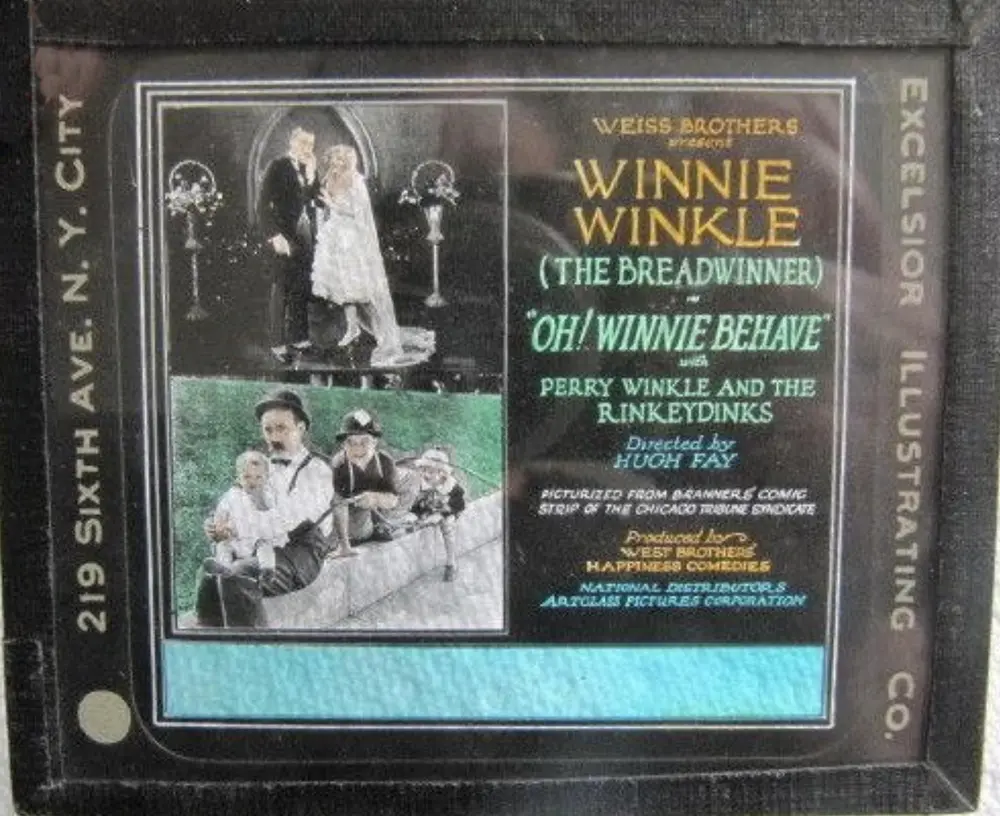
Short answer: Yes, but only if you view it as a historical artifact of comic strip evolution rather than a standalone cinematic triumph. For the modern viewer, the film is a fascinating look at the birth of the working-girl archetype, though its humor often feels as dusty as the archives it was pulled from.
This film is for silent comedy completists and those interested in the history of feminist representation in early media. It is NOT for anyone looking for the narrative complexity of modern sitcoms or the polished physical comedy of Keaton or Chaplin.
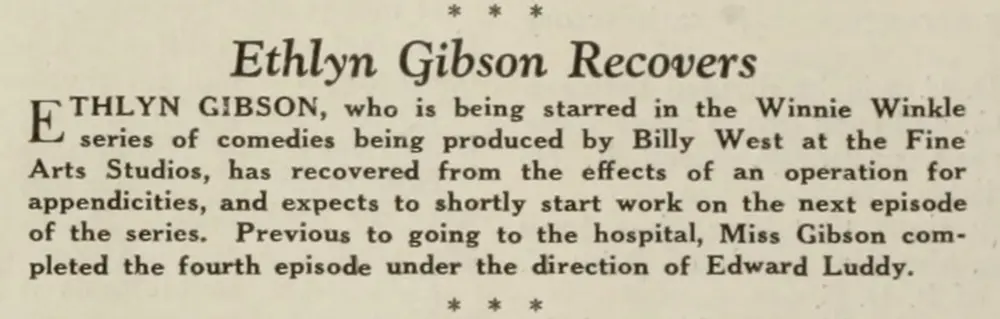
1) This film works because: Ethelyn Gibson possesses a rare, sharp timing that translates the 2D energy of a comic strip into a 3D performance without losing the character's core identity.
2) This film fails because: The direction is overly static, relying on the 'tableau' style of early silent shorts that often makes the pacing feel sluggish despite the frantic action.
3) You should watch it if: You want to see the roots of the modern 'breadwinner' trope or are researching Martin Branner's influence on 1920s pop culture.
Adapting a comic strip in 1922 was a different beast than the blockbuster adaptations we see today. In Oh! Winnie Behave, the director attempts to replicate the panel-to-panel logic of Winnie Winkle. This results in a film that feels somewhat disjointed. Every scene feels like a self-contained gag, much like the Sunday funnies of the era. While this keeps the energy high, it prevents any real emotional investment in the characters.
Compared to other adaptations of the time, such as the more dramatic Trilby, Winnie Behave is aggressively utilitarian. It doesn't want to change your life; it wants to make you smirk for fifteen minutes. The writing by Martin Branner is punchy, but the translation to screen loses some of the satirical bite found in his illustrations. It’s a comedy of errors where the errors are more frequent than the comedy.
Ethelyn Gibson is the saving grace of this production. In an era where many actresses were still clinging to the melodramatic gesticulations of the stage, Gibson is surprisingly grounded. She uses her eyes to convey a sense of 'I can't believe I live with these people' that feels modern. In one specific scene where she has to manage a chaotic kitchen while getting ready for work, her movements are fluid and purposeful. It’s a masterclass in the 'overwhelmed but capable' persona.
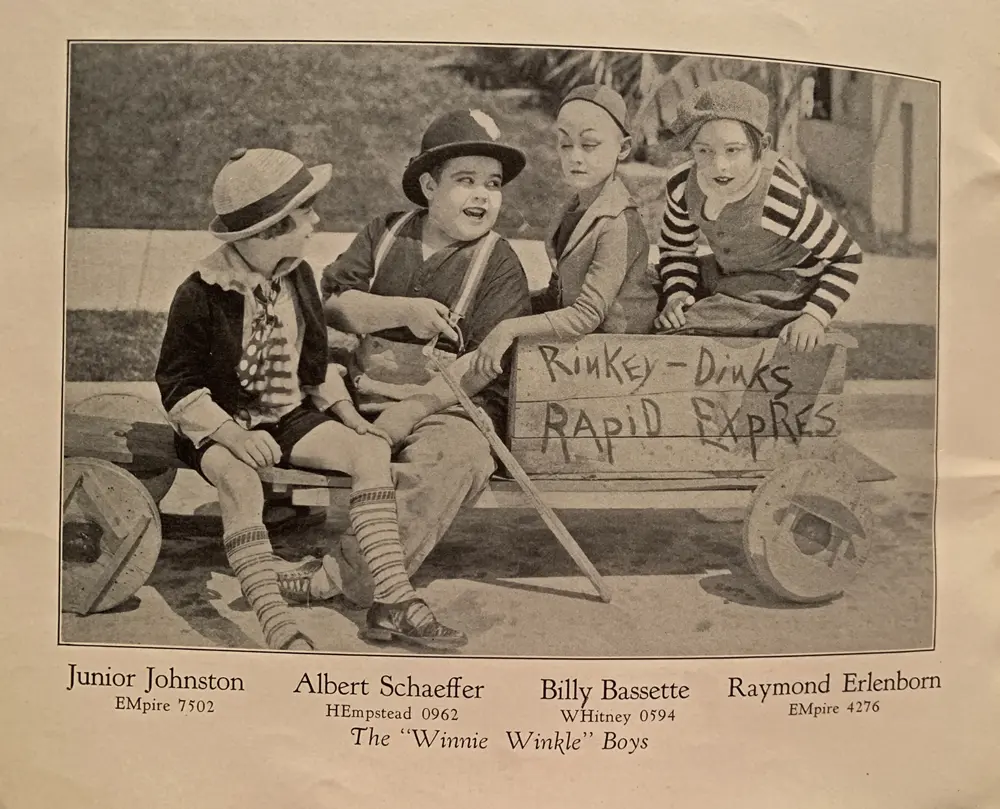
The supporting cast, including Albert Schaefer and Billy Bassette, provide the necessary friction. They play their roles with a broadness that borders on the grotesque. Ray Erlenborn, in particular, leans into the physical absurdity that was common in shorts like A Hickory Hick. However, there are moments where the slapstick feels unearned. A fall is just a fall unless there is a narrative reason for the gravity to take over. Here, gravity seems to be the only thing moving the plot forward.
If you are looking for a laugh-out-loud experience, you might be disappointed. However, if you are looking for a window into the 1920s, it is essential. Oh! Winnie Behave offers a rare glimpse into the social anxieties of the time regarding women entering the workforce. It asks the question: Can a woman be 'behave' while also being the boss? The film answers with a resounding 'maybe,' provided she can survive the pratfalls.
The film is worth watching for its historical value. It sits alongside works like The Palm Beach Girl as a document of how the 'New Woman' was being packaged for mass consumption. It isn't high art, but it is high-energy history.
Technically, the film is a product of its time—and not in a way that suggests a hidden masterpiece. The cinematography is functional. There is very little camera movement, which forces the actors to do all the heavy lifting within a fixed frame. This works for the comic strip aesthetic, but it can feel claustrophobic. Unlike the atmospheric tension found in The Ship of Doom, the lighting here is flat and bright, designed to ensure no gag is missed by the audience.
The pacing is where the film struggles most. It moves in fits and starts. A scene will build momentum, only to be cut short by a title card that explains a joke we’ve already seen play out visually. It’s a common flaw in early silents, but it’s particularly noticeable here because the source material is so fast-paced. It’s like watching a sprinter run in heavy boots. It works. But it’s flawed.
When placed next to Bubbles, which was released the same year, Winnie Behave feels more grounded in reality, even with its slapstick. While Bubbles leans into the whimsical, Winnie is rooted in the mundane horrors of rent and family obligations. It has more in common with Nerve Tonic in its portrayal of domestic stress, though it lacks the darker edge of that film.
Interestingly, the film avoids the heavy-handed moralizing found in The Power Within. It doesn't want to teach you a lesson; it just wants to show you a woman trying to keep her hat on in a windstorm. There is a refreshing lack of pretension here that makes it more watchable than some of its more 'serious' contemporaries like A City Sparrow.
One surprising element is the film's subtle commentary on class. Winnie isn't a socialite like the characters in Ihre Hoheit; she is a worker. The comedy stems from the fact that her dignity is her only currency, and the world is constantly trying to bankrupt her. There is a scene involving a simple office interaction that feels more like a battle of wits than a comedy bit. It suggests that the writers understood the inherent drama of the workplace long before the modern office sitcom was born.
Furthermore, the title 'Oh! Winnie Behave' is a fascinating piece of irony. Winnie is the only one in the film who *is* behaving. The men around her are the ones causing the chaos. The title is a gaslighting mechanism of the 1920s, reflecting a society that blamed women for the disorder caused by the men in their lives. It’s a dark observation for a 'light' comedy, but it’s there if you look for it.
Pros:
Cons:
Oh! Winnie Behave is a loud, silent movie. It screams for your attention with every fall and every exaggerated facial expression, but it rarely says anything of substance. And yet, it is undeniably charming. It captures a specific moment in time when the world was changing, and the media was trying to figure out how to laugh at that change. It is far from a masterpiece, but as a piece of the puzzle that is film history, it is indispensable. It won't make you roll on the floor, but it will make you appreciate how far we've come—and how little has actually changed in the world of office politics. Watch it for Gibson, stay for the history, and forgive the dust.
IMDb —
1936
Community
Log in to comment.