DbcultAccessing Vault...
6/10
Senior Film Conservator
A definitive 6/10 rating for a film that redefined the boundaries of cult cinema. Osekisho remains a cornerstone of transgressive art.
So, is Osekisho worth your time today? Look, if you’re a genuine animation history buff, someone who gets a kick out of seeing where it all started, then _yes_. Absolutely. It’s a peek into the genius of Noburō Ōfuji, and that’s always cool. But if you’re expecting sleek CGI or even a smooth Disney classic, you’re gonna be bored stiff. This one is for the patient, the curious, the ones who appreciate the art behind the jerky movements and simple lines.
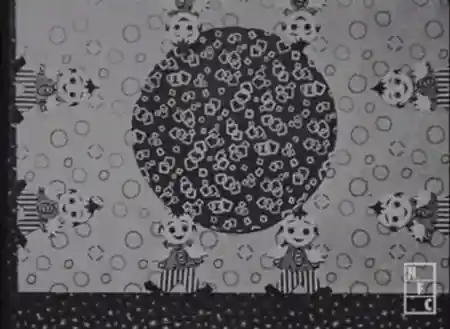
This little film, it’s a silent piece, of course. It’s got that distinctive Ōfuji charm, even in its rougher edges. You can practically feel the hand that drew each frame, each slight shift in the scenery.
The whole checkpoint idea, the 'osekisho,' feels surprisingly calm. We see figures moving, not quite rushing, but with purpose. There's a particular shot, I remember, of a guard character, _just standing there_, and the way his arm gestures, it’s almost like a little dance. It's so subtle.
What really sticks with you is the _feel_ of the animation itself. It’s not about grand sweeping movements. Instead, it’s these little, almost mechanical twitches that bring everything to life. A character might walk across the screen, and their legs move with this slightly uneven bounce. It’s a bit endearing, honestly. Not polished, but _personal_.
There's a moment where a traveler approaches the gate. The way the gate itself opens, in short, almost stuttering frames, it really captures the feeling of something _heavy_ and old. No fancy effects needed. Just pure visual storytelling from an era where every frame was a choice.
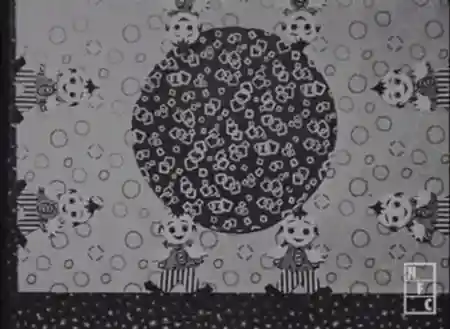
It’s hard to talk about a "plot" in the modern sense here. It’s more like a visual poem. A series of observations about passage, maybe a bit about waiting. You’re watching these simple shapes move, and your brain just fills in the rest. 🧠
One thing I noticed: the backgrounds. They’re minimal, often just a few lines suggesting a mountain or a tree. But then, there’s a sudden, almost _detailed_ pattern on a kimono, or the texture of a wooden fence. It’s an interesting contrast. Like they put the effort into the small things that caught their eye.
The overall pace is contemplative. It gives you time to really look at the drawings. To see the innovation in a time before computers made it all easy. It makes you think about the sheer _work_ involved in making these images move.
Sure, you won’t get a big emotional punch or a complex narrative. That’s not what Osekisho is about. It’s a quiet moment. A historical artifact that still breathes. It reminds you that even with simple tools, creativity can shine through.
If you're into the nitty-gritty of early film, or just curious about how animation evolved, give it a shot. Otherwise, maybe stick to something with more explosions. 😉
IMDb 6.2
1927
Community
Log in to comment.