DbcultAccessing Vault...
6.7/10
Senior Film Conservator
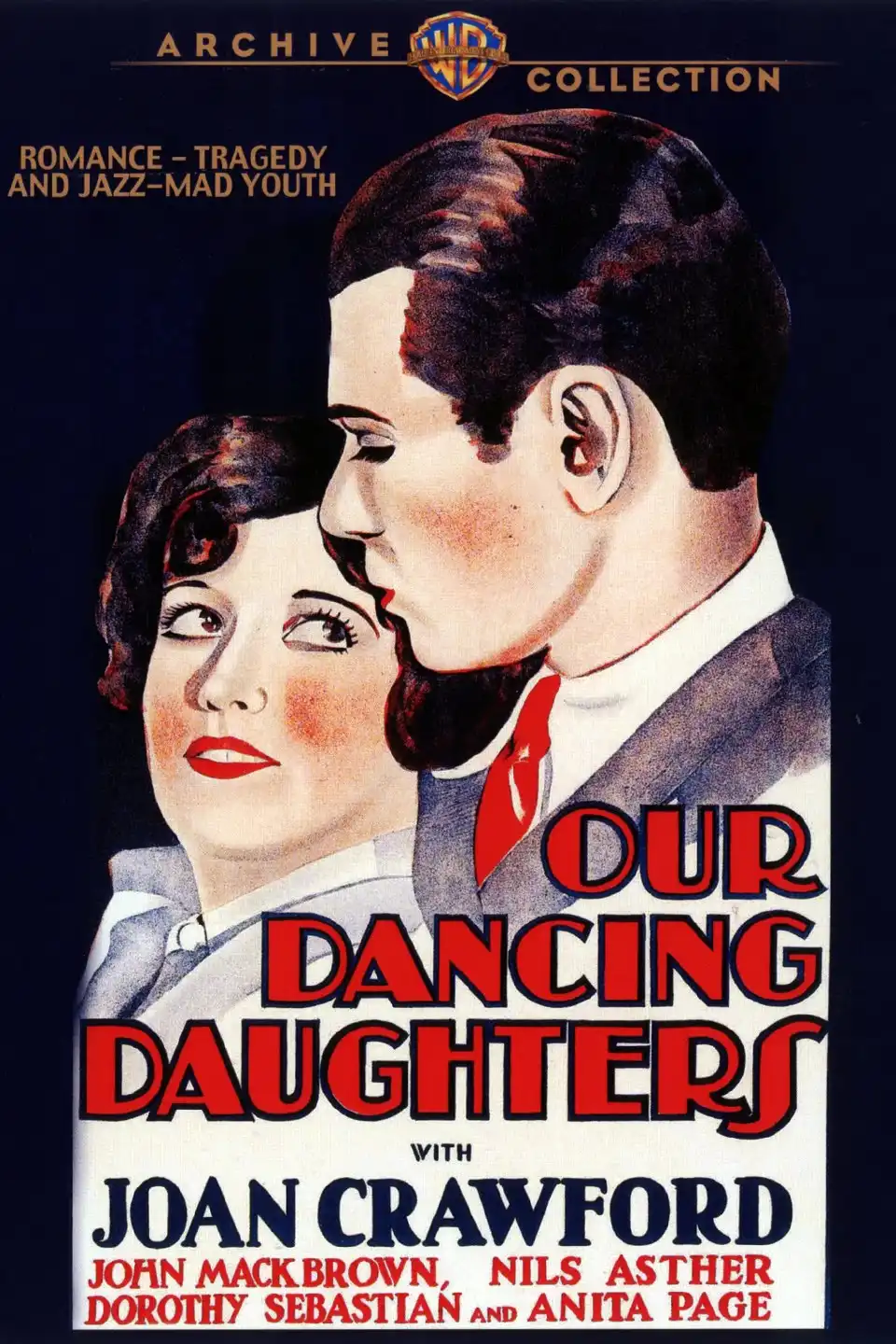
A definitive 6.7/10 rating for a film that redefined the boundaries of cult cinema. Our Dancing Daughters remains a cornerstone of transgressive art.
Absolutely. For anyone with an interest in early Hollywood, the electrifying rise of Joan Crawford, or a genuine curiosity about the societal shifts of the 1920s, Our Dancing Daughters is a fascinating and often exhilarating watch. It’s a quintessential Jazz Age artifact, a vibrant, if sometimes clunky, time capsule that pulses with the energy of a generation shedding old conventions. Fans of silent-era melodrama, pre-Code cinema, and classic Hollywood star power will find much to appreciate here. However, viewers accustomed to modern narrative pacing, subtle character development, or complex moral ambiguities might find its conventions quaint, its morality heavy-handed, and its dramatic beats a tad over-extended.
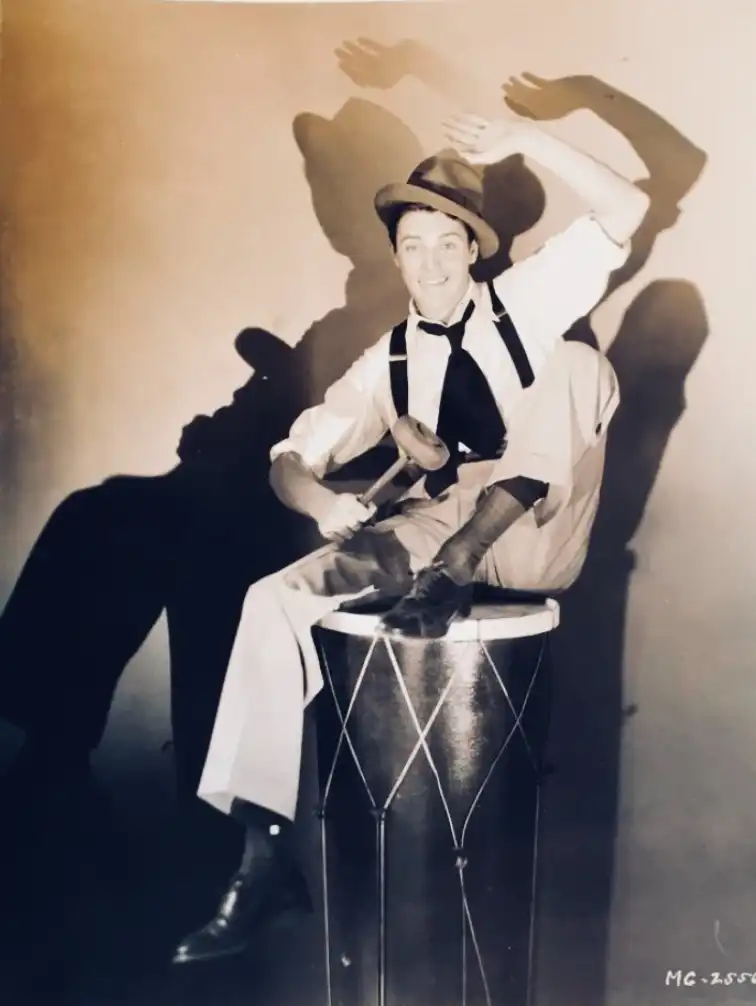
The undeniable draw of Our Dancing Daughters is Joan Crawford. This film cemented her as a star, and it’s easy to see why. As Diana Medford, the archetypal flapper with a heart of gold, Crawford possesses an almost animalistic grace and an electrifying screen presence that transcends the silent film conventions of the era. She moves through the crowded party scenes with a kinetic energy, her bobbed hair flying, a whirlwind of pearls and fringe. Her famous dance sequences are not just exhibition; they’re expressions of joyous abandon, a physical manifestation of her character’s free spirit. Even in moments of quiet introspection or genuine heartbreak, Crawford’s large, expressive eyes convey a depth that the intertitles alone could never manage.
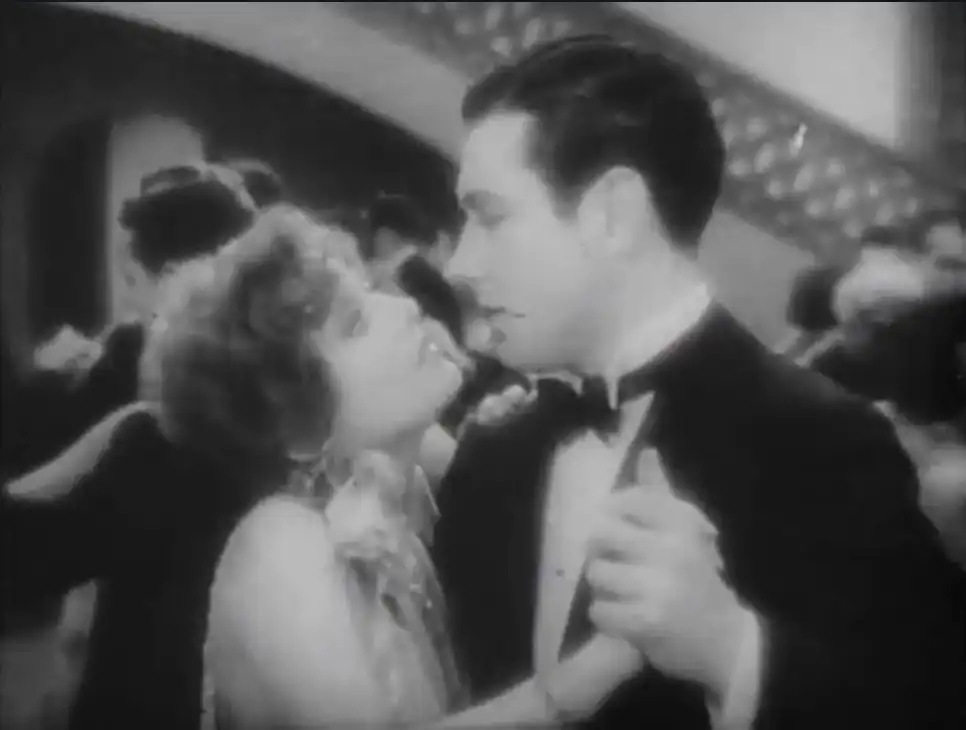
Her performance is a masterclass in silent-era physical acting, yet it feels remarkably modern in its sincerity. Watch the scene where she’s trying to explain herself to Ben Blaine (Nils Asther) after a misunderstanding; the way she nervously adjusts her long strands of pearls, a small, repeated gesture that grounds her outwardly confident flapper persona, speaks volumes about her inner turmoil. It’s a small detail, but it’s pure, lived-in character work.
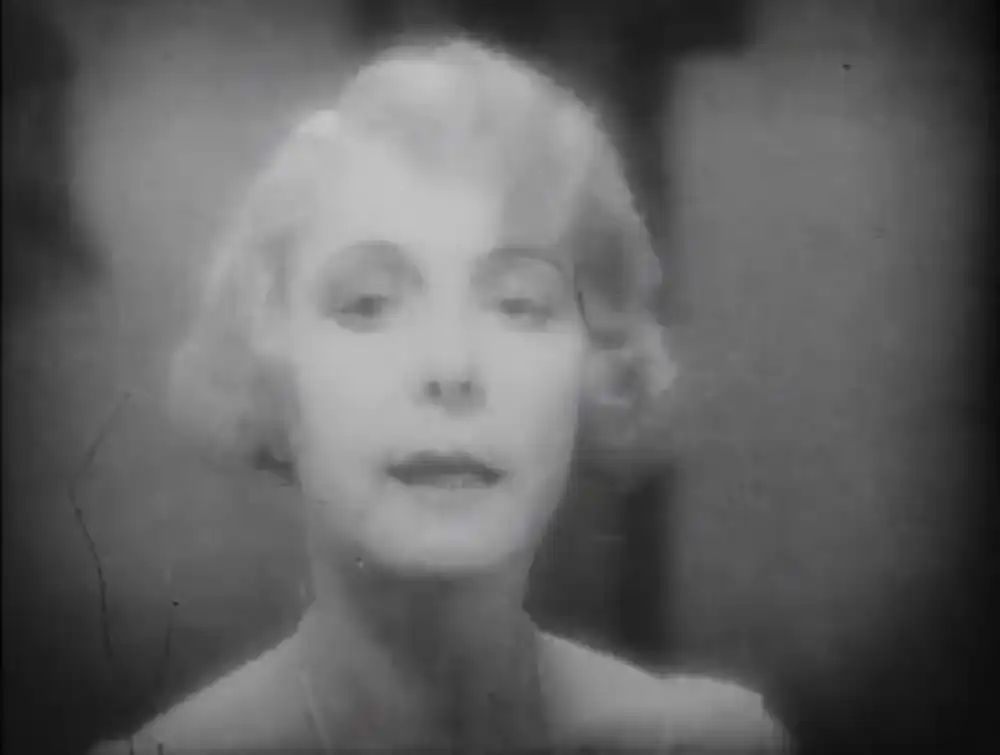
The supporting cast, unfortunately, doesn’t quite match Crawford’s wattage. Dorothy Sebastian’s Bea, the gold-digging vixen, is effective in her villainy, often relying on sly glances and calculated body language to convey her manipulative nature. She’s a compelling foil, but her character is more an archetype than a person. Nils Asther, as the millionaire Ben Blaine, is handsome and suitably earnest, but often feels more like a plot device than a fully realized romantic lead. His performance is a bit stiff, particularly in scenes requiring emotional nuance, leaving Crawford to carry much of the dramatic weight of their relationship. Anita Page, as the sweet and naïve Ann, provides a heartbreaking counterpoint to Diana’s resilience, her vulnerability making her eventual downfall all the more tragic.
The film’s pacing is a fascinating blend of frenetic energy and deliberate melodrama. The early party sequences are a joyous explosion of movement and music (courtesy of the synchronized score), capturing the hedonistic spirit of the Jazz Age with infectious enthusiasm. Director Harry Beaumont keeps these scenes lively, often employing dynamic camera movements that sweep across dance floors packed with revelers. The energy is palpable, making you feel as though you're right there in the smoke-filled, liquor-soaked speakeasies.
However, once the plot shifts into its more serious, moralizing territory, the pacing occasionally sags. The film occasionally settles into lengthy intertitle exchanges or over-extended reaction shots, particularly during the more melodramatic confrontations, which can test the patience of modern viewers. The shifts in tone, from exuberant revelry to stark tragedy, can feel abrupt, almost like two different films spliced together. The underlying message about the dangers of flapper excess and the virtues of true love is hammered home with a bluntness that feels very much of its time, but less nuanced today.
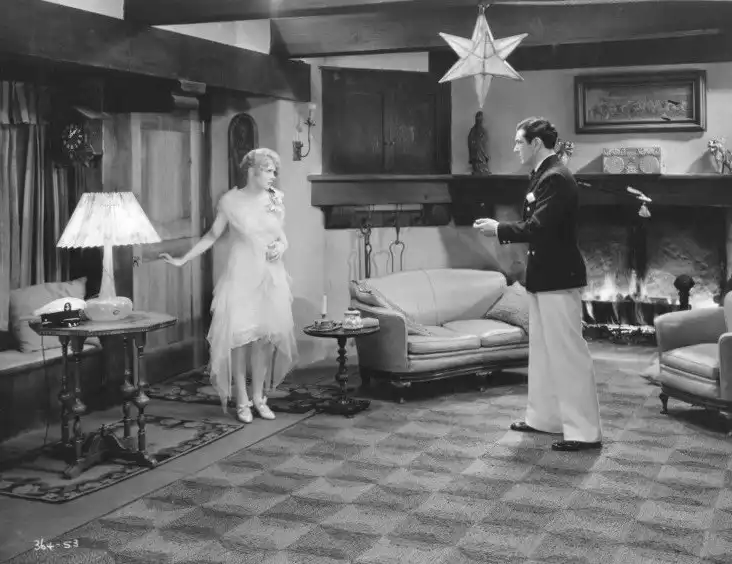
Visually, Our Dancing Daughters is a treasure trove of 1920s aesthetics. The costumes are spectacular, showcasing the iconic dropped waists, fringe, sequins, and cloche hats that defined the flapper look. Diana's wardrobe, in particular, is a character unto itself, reflecting her vivacious personality. The sets, from the opulent ballrooms to the more intimate, art deco-inspired interiors, are meticulously detailed, immersing the viewer in a bygone era of lavish excess.
Cinematographer George Barnes (who would later shoot classics like The Supreme Sacrifice and Hilde Warren und der Tod) captures the kinetic energy of the speakeasies with surprising fluidity for the era, often employing dynamic tracking shots through crowded dance floors that immerse the viewer in the Jazz Age frenzy. The lighting is frequently dramatic, casting long shadows in moments of despair and bathing party scenes in a bright, almost ethereal glow. There's a particular shot of Diana dancing alone in a spotlight, her silhouette a stark contrast against the glittering chaos, that perfectly encapsulates her unique position as both participant and observer in her own wild world.
Our Dancing Daughters is more than just a historical curiosity; it’s a living, breathing artifact of a pivotal moment in cinema and culture. While its plot might be simplistic and its moralizing blunt, it’s elevated by the sheer force of Joan Crawford’s burgeoning star power and its vivid recreation of the Roaring Twenties. It’s a film that demands to be seen for its historical significance and, more importantly, for the sheer joy of watching a legend in the making. Come for the flappers and the Jazz Age spectacle, stay for Crawford’s unforgettable performance. Just be prepared for a few stretches where the drama feels as old-fashioned as the Charleston.
IMDb —
1922
Community
Log in to comment.