DbcultAccessing Vault...
6.3/10
Senior Film Conservator
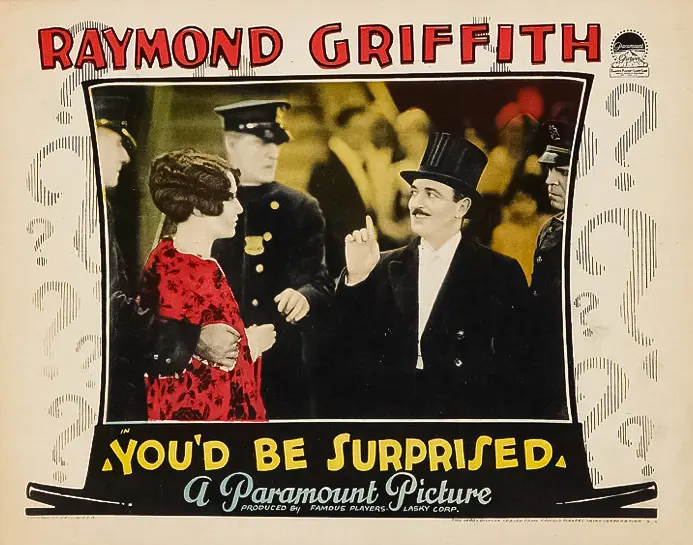
A definitive 6.3/10 rating for a film that redefined the boundaries of cult cinema. You'd Be Surprised remains a cornerstone of transgressive art.
Short answer: yes, but only if you appreciate the specific alchemy of dry wit and genuine suspense. This film is for the connoisseur of sophisticated silent comedy who enjoys a side of murder; it is definitively not for those who require the frenetic pacing or explicit violence of modern crime cinema.
The 1920s were a fertile ground for the 'silk-hat' detective, a trope that Raymond Griffith perfected with an almost supernatural level of chill. In 'You'd Be Surprised', we see a world that feels both alien and strangely modern. It works. But it’s flawed. The film manages to balance the absurdity of its premise with a legitimate sense of dread that many of its contemporaries lacked.
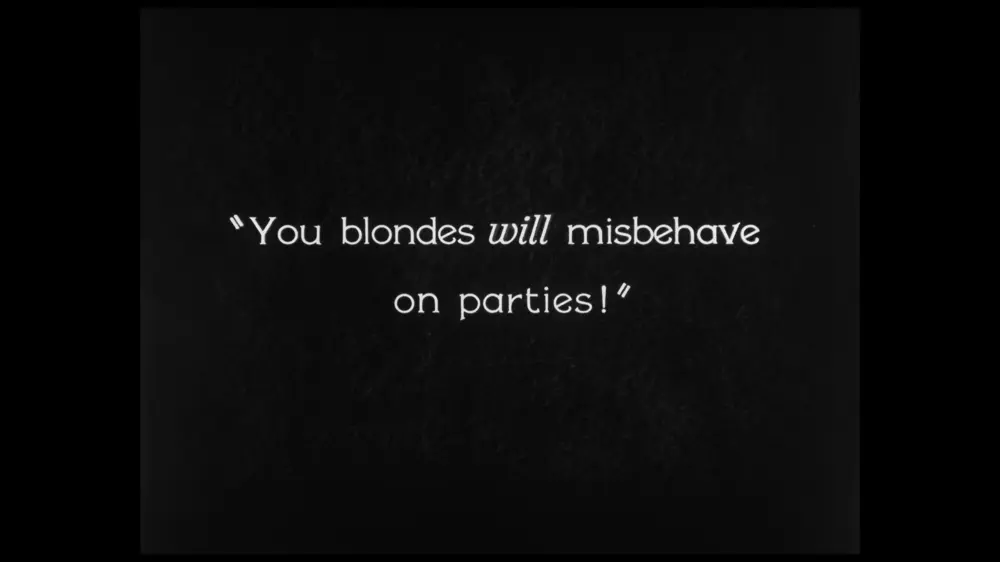
1) This film works because the collaboration between writers Robert Benchley and Jules Furthman creates a narrative depth that transcends the limitations of silent title cards.
2) This film fails because the transition from the lighthearted heist of the opening act to the grim reality of the murders is occasionally jarring, leaving the audience momentarily unmoored.
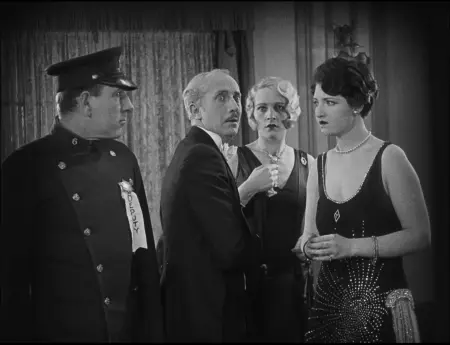
3) You should watch it if you want to see a masterclass in deadpan performance or if you are tracking the evolution of the American mystery film.
Raymond Griffith is a name that has unfortunately slipped through the cracks of film history, largely due to the loss of many of his films. However, in 'You'd Be Surprised', his talent is undeniable. Unlike the rubber-faced antics of Buster Keaton or the frantic energy of Harold Lloyd, Griffith operates with a minimalist precision. He doesn't need to fall off a building to get a reaction; he simply needs to adjust his top hat while a body is discovered behind him.
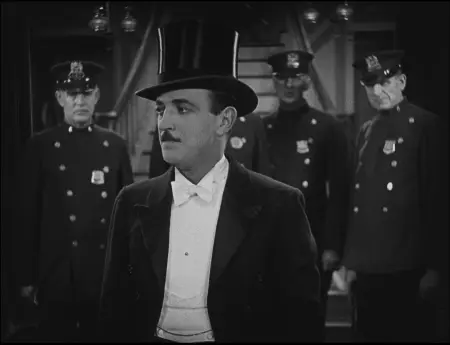
There is a specific scene mid-way through the film where Griffith’s character is interrogating a witness who is clearly lying through their teeth. The way Griffith uses his cane—not as a prop for a physical gag, but as a psychological tool to poke at the witness’s composure—is brilliant. It’s a subtle bit of acting that feels decades ahead of its time. This isn't the broad slapstick found in Artist's Muddle; this is high-concept character work.
The involvement of Robert Benchley as a writer cannot be overstated. Benchley, a legendary member of the Algonquin Round Table, brings a literary sharpness to the title cards. Often, silent films relied on expositional text that was dry and functional. Here, the cards themselves are part of the entertainment. They provide a meta-commentary on the absurdity of the high-society setting.
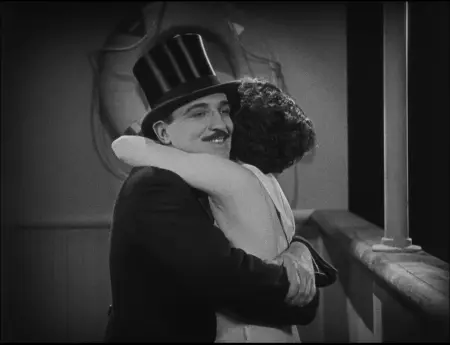
Consider the way the theft is framed. It isn't just a crime; it’s a social faux pas. This satirical edge gives the film a layer of protection against the melodrama that often plagues 1920s mysteries. While films like The Valley of Doubt take their stakes with deadly seriousness, 'You'd Be Surprised' is smart enough to wink at the audience. It understands that the audience knows it's watching a movie, and it plays with those expectations beautifully.
Visually, the film is a fascinating bridge between the experimentalism of European cinema and the burgeoning 'Paramount look.' The use of shadows in the estate scenes is particularly effective. There is a moment where a witness is cornered in a hallway, and the lighting shifts from a bright, welcoming glow to a harsh, expressionistic darkness. It’s a technique that echoes some of the work seen in Kino-pravda no. 8, albeit applied to a commercial narrative.
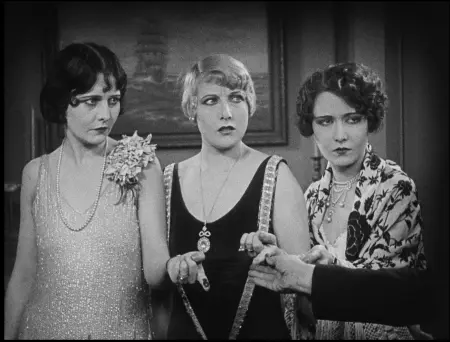
The camera movement is relatively static, which was the norm for 1926, but the framing is impeccable. The director uses the depth of the set to hide clues and threats in plain sight. You find yourself scanning the background of every shot, looking for the murderer, which is exactly the kind of engagement a mystery film should provoke. It’s far more effective than the straightforward presentation in The Last Straw.
If there is a significant critique to be made, it lies in the pacing of the second act. After the initial murder, the film enters a cycle of interrogations that can feel repetitive. While the dialogue (via title cards) remains sharp, the visual momentum stalls. We see a lot of people sitting in drawing rooms looking nervous. While this builds tension, it also risks losing the audience's attention.
Compare this to the more adventurous pacing of The Devil's Cargo, which keeps its stakes moving through environmental changes. In 'You'd Be Surprised', we are stuck in one location for a long time. This claustrophobia is intentional, but it requires a level of patience that modern viewers might struggle with. However, the payoff in the final reel is worth the wait.
Absolutely. Even with its pacing issues, 'You'd Be Surprised' offers a unique perspective on the silent era's ability to handle complex, multi-layered plots. It’s a film that demands your full attention; you can't just have it on in the background. The clues are visual, the wit is textual, and the performances are nuanced. It is a rare example of a film that manages to be both a period piece and a timeless exercise in genre-blending.
Pros:
Cons:
'You'd Be Surprised' is a testament to the sophistication of late-silent cinema. It refuses to be put in a box—it’s too funny to be a pure thriller, and too dark to be a pure comedy. While it doesn't have the epic scale of some 1926 releases, its intimacy is its strength. It invites you into a dangerous, sparkling world and then dares you to find the exit. It is a 7.5/10 experience that deserves a spot on any serious cinephile's watchlist. If you've enjoyed films like Uneasy Money, this is the logical next step in your journey through 1920s cinema.
IMDb 5.4
1925
Community
Log in to comment.