DbcultAccessing Vault...
Cult Review
Senior Film Conservator
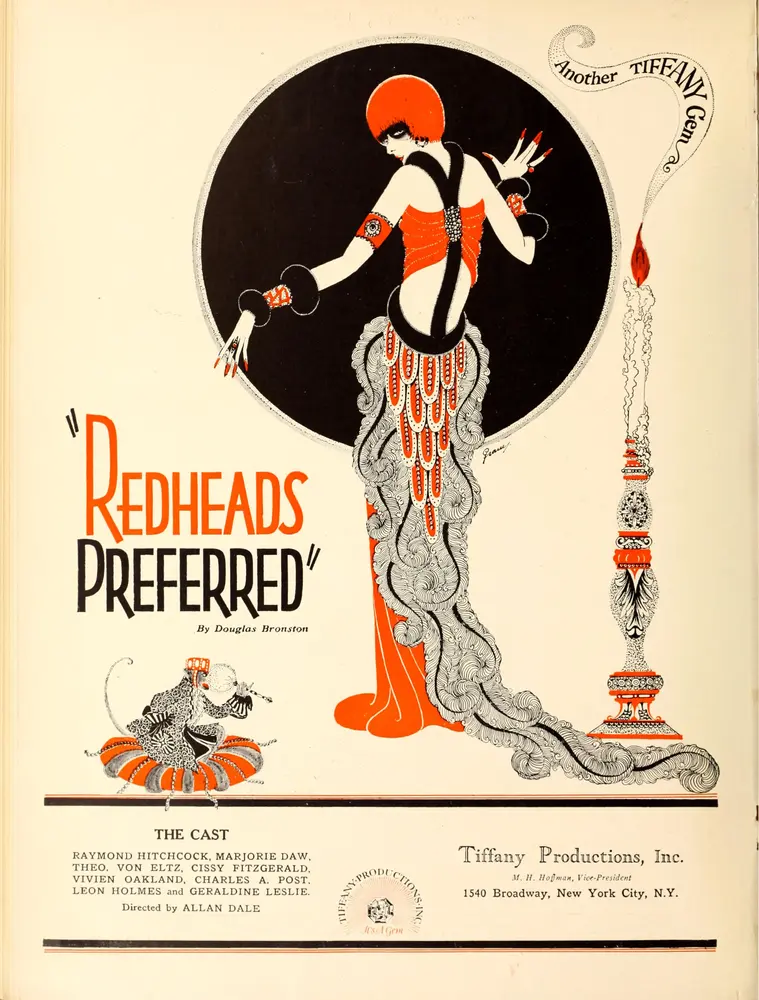
Is "Redheads Preferred" a silent film worth carving out time for in the cacophony of modern cinema? Short answer: yes, but with caveats. This 1920 comedy of manners, though undeniably a product of its era, offers a surprisingly sharp script and a delightful central performance that makes it a fascinating historical curiosity and a genuinely amusing watch for those with a penchant for early cinematic farce.
It is absolutely for viewers who appreciate the ingenuity of silent storytelling, who enjoy character-driven comedies, and who are curious about the social dynamics portrayed in films from a century ago. It is definitively NOT for audiences seeking fast-paced action, complex psychological dramas, or modern comedic sensibilities that rely on dialogue or overt special effects.
"Redheads Preferred" thrusts us into a world where business deals are cemented not just by handshakes, but by social maneuvering and, apparently, a willingness to bend marital vows. John Morgan, presented as the epitome of the 'model husband,' finds himself in a moral quandary. To secure a lucrative contract with the influential Henry Carter, he must participate in an artists' ball, embrace heavy drinking, and, crucially, arrive with a redheaded companion who is decidedly not his wife, Angela.
The setup is classic farce: a respectable man forced into an unrespectable situation, attempting to maintain appearances while secretly fearing discovery. What elevates this film beyond mere slapstick, however, is the swift and intelligent intervention of Angela. She is no naive damsel. Through a shrewd connection with Mrs. Williams, Carter's own 'lady-friend,' Angela quickly pieces together John's rather flimsy scheme.
Her response is the film's masterstroke. Instead of confrontation, Angela opts for infiltration. Donning a striking red wig, she transforms herself into the very type of woman John believes he needs, becoming his unwitting, anonymous escort for the evening. This pivotal twist transforms the narrative from a simple tale of male folly into a vibrant exploration of female agency and wit, far ahead of its time in its subtle implications about women's intelligence and resourcefulness.
The ball itself becomes a stage for escalating chaos. The arrival of Carter's notoriously jealous wife adds another layer of comedic tension, creating a complex web of mistaken identities and near-misses. It’s a testament to Douglas Bronston’s writing that such a convoluted scenario remains coherent and genuinely amusing, with each new complication building on the last.
Raymond Hitchcock, who also features in the cast, directs with a clear understanding of comedic timing, even if his approach isn't groundbreaking. The film’s pacing is generally brisk, essential for a silent comedy relying on visual gags and rapid character reactions. Hitchcock ensures that the various threads of deception and mistaken identity are woven together without becoming overly confusing, a common pitfall for farces.
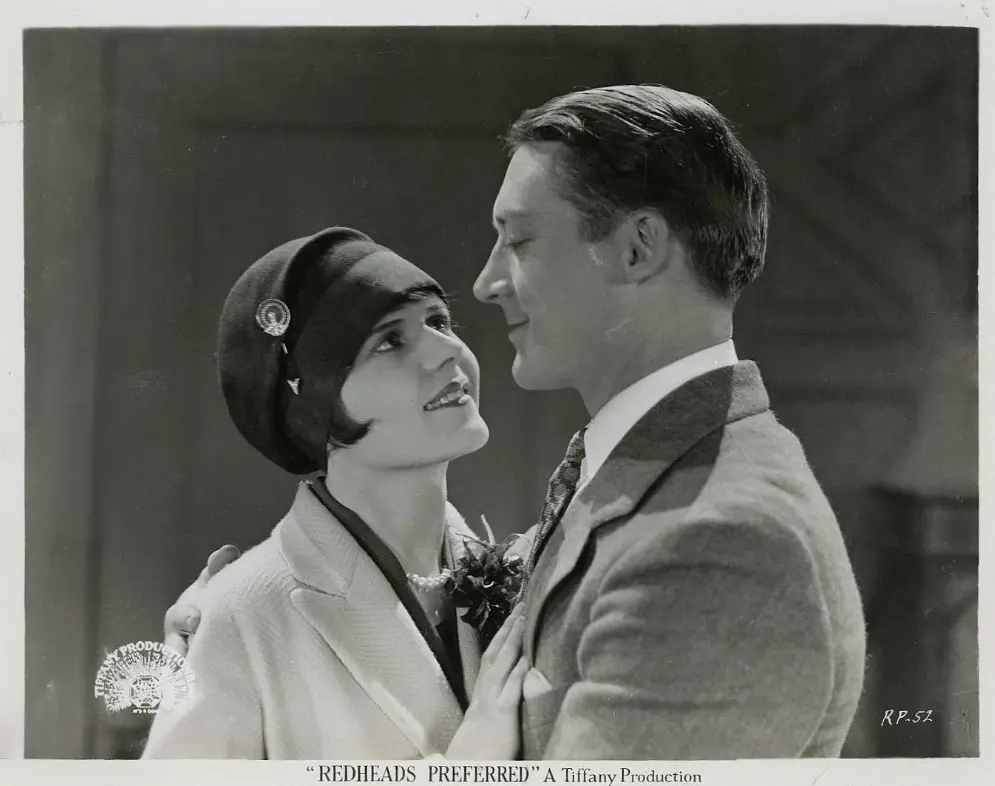
He employs clear blocking and expressive intertitles to convey the narrative, allowing the audience to follow the intricate plot with ease. There’s a particular sequence during the ball where Angela, disguised, repeatedly almost crosses paths with characters who might recognize her, creating palpable, if lighthearted, tension. This demonstrates Hitchcock's ability to orchestrate complex scene dynamics.
However, the direction occasionally leans into broad theatricality, which, while charming for its era, can feel a touch over-the-top for modern sensibilities. The reactions are often exaggerated, and the physical comedy, though effective, rarely reaches the sophisticated heights of a Chaplin or Keaton. It’s a serviceable direction that prioritizes clarity and narrative momentum over stylistic innovation.
The strength of "Redheads Preferred" largely rests on the shoulders of its lead performers, particularly Marjorie Daw as Angela. Daw’s portrayal is the film's undeniable highlight. She imbues Angela with a delightful blend of intelligence, mischief, and quiet confidence. Her transformation from the respectable wife to the spirited, red-wigged companion is not just a visual change, but a complete shift in demeanor, executed with an understated charm that makes her the true star.
Daw’s expressive eyes and subtle smiles convey Angela’s inner amusement and strategic thinking, often without the need for extensive intertitles. When she observes John’s bumbling attempts to navigate the ball with his supposed 'mistress,' her nuanced expressions speak volumes, revealing a woman who is both amused and in control. This quiet power is genuinely captivating.
Charles A. Post as John Morgan, while fitting the role of the beleaguered husband, falls into the trap of overacting characteristic of the period. His wide-eyed panic and frantic gestures, while serving the comedic purpose, lack the subtlety that Daw brings to her role. He’s effective as the foil, the man perpetually on the verge of discovery, but his performance doesn't leave as lasting an impression.
The supporting cast, including Vivien Oakland as Mrs. Williams and the other partygoers, deliver performances that are, again, largely in line with silent film conventions. Cissy Fitzgerald and Geraldine Leslie, as other redheaded companions, contribute to the visual gag and the escalating confusion. Their portrayals are functional, driving the plot forward and adding to the visual spectacle of the ball.
My unconventional observation here is that the film subtly critiques the very notion of the 'model husband' through John Morgan. He is so easily led astray by the demands of business and social expectation that one wonders if his domestic rectitude was ever truly innate, or merely circumstantial. His character becomes a fascinating, albeit unintentional, commentary on the fragility of male virtue when faced with external pressures.
As a silent film, "Redheads Preferred" relies heavily on visual storytelling. The cinematography, while not revolutionary, is competent. The sets, particularly the artists' ball, are sufficiently elaborate to convey the atmosphere of a bustling, slightly bohemian gathering. The costumes play a crucial role, especially Angela's red wig, which serves as both a plot device and a symbol of her temporary liberation and cunning.
The tone is overwhelmingly lighthearted and farcical. There’s never a genuine sense of threat or emotional weight, even when John's marriage hangs in the balance. The audience is invited to revel in the comedic chaos, confident that Angela's intelligence will ultimately prevail. This unwavering commitment to a jovial tone ensures the film remains an easy, enjoyable watch.
The film touches upon several themes that remain surprisingly relevant. Deception, obviously, is central, but it's the exploration of marital dynamics and female agency that truly resonates. Angela's decision to outsmart her husband rather than simply expose him speaks volumes about her character. She manipulates the situation not out of malice, but to secure her husband's success and, perhaps, to teach him a subtle lesson about trust and honesty.
It's a subtle argument for the power of wit over brute force, and a quiet championing of a woman's ability to navigate complex social landscapes with grace and intelligence. This makes "Redheads Preferred" more than just a period piece; it’s a charming, albeit simple, reflection on evolving gender roles and the enduring appeal of a clever woman.
Absolutely, for the right audience. If you're a film historian, a silent movie enthusiast, or simply someone looking for a lighthearted, well-structured comedy from a bygone era, "Redheads Preferred" is a delightful discovery. Its runtime is manageable, and its central premise is engaging enough to hold attention despite the lack of spoken dialogue.
It might not convert skeptics of silent cinema, nor will it offer the deep character studies of later films. But for what it sets out to be — a charming, witty farce with a smart heroine — it largely succeeds. It's a testament to the enduring power of a good story, regardless of the technological limitations of its time.
It works. But it's flawed. The film's dated visual language and exaggerated acting style are hurdles, but the cleverness of its plot and the strength of Marjorie Daw's performance make it a worthwhile journey into early Hollywood's comedic landscape.
"Redheads Preferred" is a delightful, if minor, entry into the silent comedy canon. Its true appeal lies not in its grand cinematic gestures, but in its smart script and the captivating performance of Marjorie Daw. She elevates what could have been a standard marital farce into something more engaging, showcasing a female character who is both resourceful and subtly powerful. For those willing to embrace the conventions of a century-old film, it offers genuine chuckles and a surprisingly progressive spirit. It’s a charming rediscovery, a testament to the fact that wit, even without sound, can travel through time and still elicit a smile. While not a film that will redefine your understanding of cinema, it's certainly one that will brighten an afternoon for the right viewer. Give it a chance; you might be surprised by its enduring charm.
IMDb —
1915
Community
Log in to comment.