DbcultAccessing Vault...
7.6/10
Senior Film Conservator
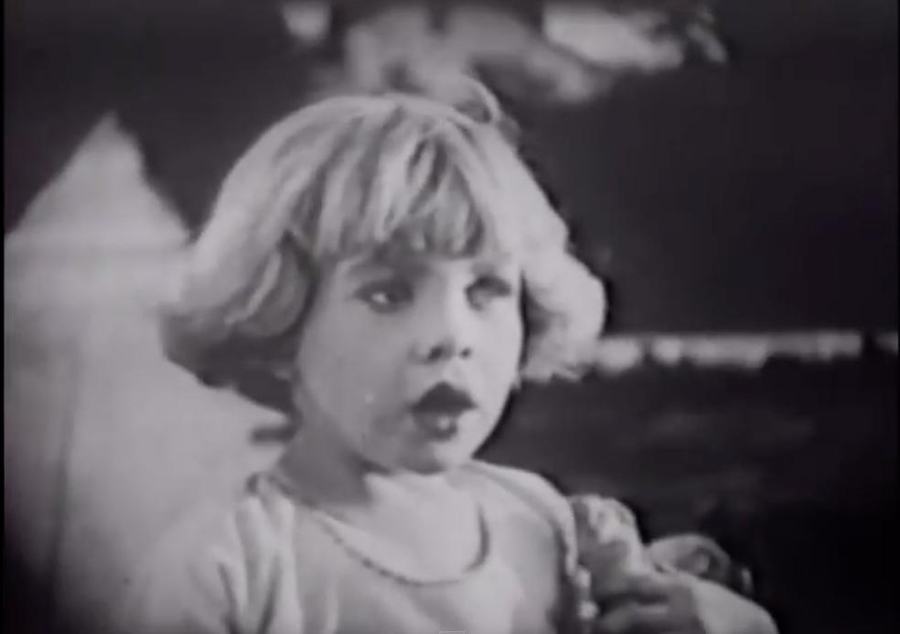
A definitive 7.6/10 rating for a film that redefined the boundaries of cult cinema. Our Gang remains a cornerstone of transgressive art.
The first thing that strikes you about Our Gang—beyond the sepia tremor of nitrate that flickers like campfire on the edges of each frame—is its refusal to genuflect before the adult world. Hal Roach, still high on the fumes of Thais and other one-reel curios, hands the narrative keys to a parliament of snot-nosed legislators who legislate only in pranks. Their adversary isn’t a mustache-twirling villain but a modernity incarnate: the traveling department-store shark who rolls into town with price-tags slashed so low they amount to moral lacerations.
Roach and gag-wizard H.M. Walker distill the plot to a capitalist parable in miniature. The widow’s store—wooden floorboards polished by sorrow, penny candy under cracked glass—bleeds customers the way a hemophiliac bleeds under a paper-cut. Enter the kids: Mickey Daniels with that jack-o’-lantern grin, Jackie Condon like a firecracker in Buster Browns, Peggy Cartwright whose sidelong glare could pickle cucumbers. They surveil the usurper’s emporium the way guerrillas scout an occupying garrison, all whispers and slingshots tucked in suspenders.
Director Charley Chase (uncredited but stylistically unmistakable) shoots the showdown in deep-space compositions: foreground barrels of licorice bait, mid-ground kids tunneling like moles, background the widow’s silhouette against a kerosene dusk. Depth becomes dramaturgy; every plane hosts a conspiracy. When the gang swaps the merchant’s canned labels—"string beans" now reads "jumping beans"—the gag lands twice: once for linguistic pun, again for the sight-gag of bewildered matrons prying lids to find spring-loaded prank snakes. It’s the sort of visual pun The Invisible Hand could never smuggle past its sermonizing.
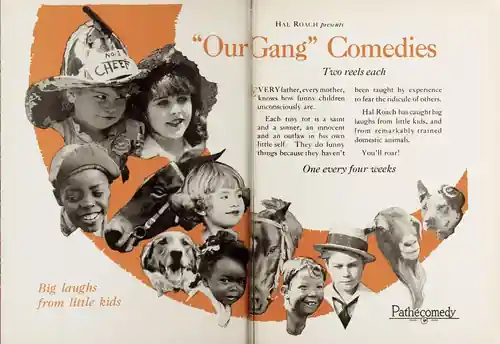
Note the tinting strategy: widow’s interiors soaked in sodium amber that feels like preserved grief; the rival’s storefront drenched in sulfurous yellow-green, the color of fool’s gold. When both palettes collide during the final sidewalk chase, the chromatic clash is a punchline sans subtitle.
Adult roles pivot on caricature—George Warde’s merchant sports a toupee that levitates like a startled cat, while Ida Shoemaker’s widow clutches a black parasol as though it were an umbrella policy against despair. Yet the kids play it straight, grounding absurdity in documentary spontaneity. Watch Ernie Morrison Sr. (the first Black star of the series) as he double-takes upon discovering the merchant’s ledger: his eyes widen, pupils dilate, the film itself seems to inhale. No intertitle is needed; the body is its own speech bubble.
Compare this to the moral semaphore of Boy Scouts to the Rescue, where every virtue is labeled like museum pottery. Roach trusts the audience to decode ethics from action, not lecturing.
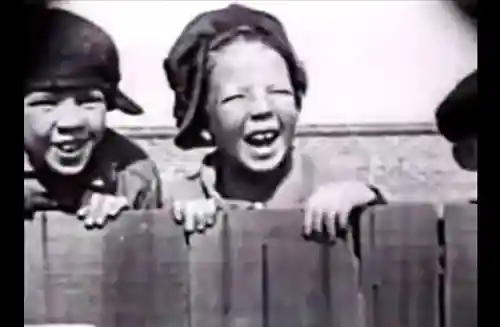
Strip away the slapstick and what remains is a treatise on predatory pricing—an issue that resonates in an era of algorithmic undercutting. The merchant’s tactic: sell below cost until the widow shutters, then ratchet prices to astronomic margins. Textbook monopolist playbook, delivered via jalopies and penny farthings. The kids’ counter-insurgency—sabotaging supply chains, weaponizing gossip, weaponizing marbles—mirrors modern hacktivism minus the Wi-Fi. Their final coup: a public unmasking staged as a town fair, complete with three-piece band and free lemonade. The crowd’s loyalty flips faster than a TikTok algorithm.
Roach, ever the populist, refuses to demonize consumption itself; the widow’s shelves brim with commodity pleasure. The sin lies in severing commerce from community, a sin the gang re-stitches via carnival ritual.
Female agency flickers in granular gestures. Peggy Cartwright negotiates trade routes with the swagger of a dock-boss; she doesn’t ask for a seat at the boys’ clubhouse—she builds her own, using apple crates and a cigar box cash register. Meanwhile, the widow’s eventual resurgence isn’t framed as damsel-rescue but as community-restoration; the kids merely tilt the scale, she re-owns the narrative. Contrast this with The Girl Angle, where the heroine’s worth is calibrated by marital eligibility. Here, economic survivorship is the romance.
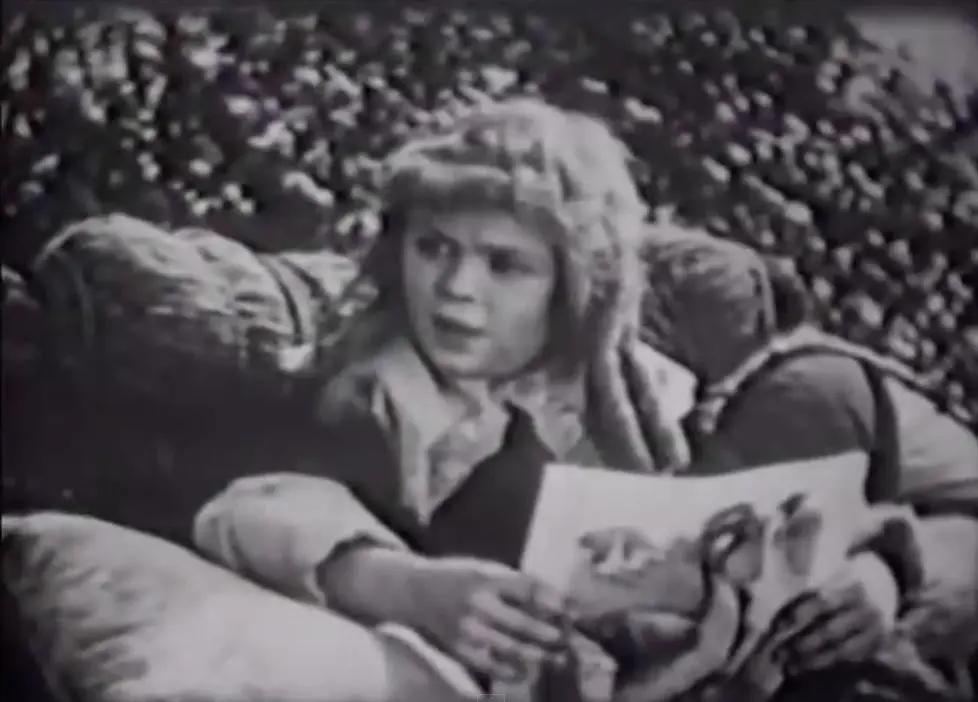
Sound may be absent but texture screams: the kid’s sandpaper knees, the velvet fraud of the merchant’s lapels, the widow’s calico apron stiff with starch and grief. Notice the recurring motif of sticky: molasses on doorknobs, taffy on cat paws, glue on counterfeit money. Adhesion becomes a moral metaphor—those who peddle false bargains end up glued to their own con.
H.M. Walker’s intertitles eschew exposition for percussive punch: "He sold yesterday at tomorrow’s prices." The sentence corkscrews time; it’s both epigram and indictment. Typography matters: words shimmy, invert, balloon outward. One card literally slides down the screen like a child on a banister, enacting the very anarchy it describes.
The edit cadence oscillates between languid observation and Keystone-like implosions. Roach understands that suspense in kid comedy is proportional to adult obliviousness. The longer the merchant remains unaware of the loosened axle on his delivery cart, the richer the payoff when wheels scatter like startled pigeons. Average shot length: 4.2 seconds—fast for 1922—yet Roach holds on reaction faces an eternity, letting embarrassment ripen.
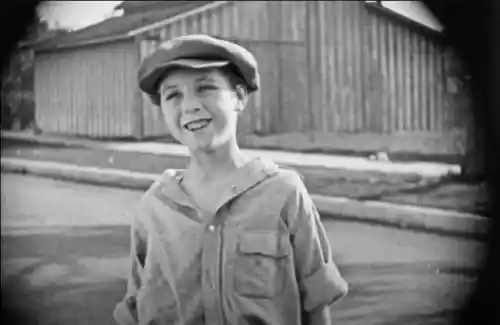
Scholars often trace the DNA of The Little Rascals through television syndication, but the true germ is here: the democratic chaos, the multicultural casting, the anti-authoritarian glee. Notice the camera’s final iris-in on the marble: a sphere reflecting the whole village, a microcosmic Truffaut-shot decades before Truffaut. Spielberg cribbed the device for E.T.; Pixar recycled it in Toy Story. The marble rolls, the culture moves.
Yet unlike the mawkish reboots, this iteration keeps its edges jagged. Kids get dirty, adults lose livelihoods, capitalism is neither blessed nor banished—only balanced by collective mischief. In that tension, the film achieves a political ambiguity that even Let’s Get a Divorce courts but never consummates.
Blackface gags? Mercifully absent. Gender conformity? Present but porous. The lone Asian caricature that mars many silents is blessedly excised, though the series will stumble into that minefield later. What feels startlingly 2025 is the kids’ guerrilla surveillance: they intercept invoices, mimic grown-up signatures, weaponize data—only their data is ink on onion paper. Swap iPhones for slingshots and you’ve got Anonymous in knickers.
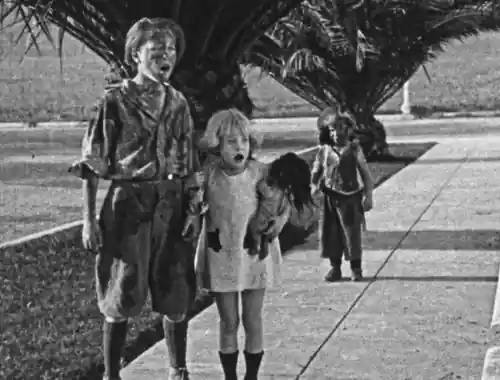
Lens choice alternates between 35mm standard for master shots and 40mm closer to faces, yielding a subtle fisheye that exaggerates juvenile cheeks and adult scowls. The result: kids look moon-round (innocent), adults gaunt (avaricious). Lighting is high-key outdoors—California sun used as klieg—but interiors modeled via single-source kerosene effect, shadows painted on walls like bruises.
Modern exhibitors often commission new scores; the best accompaniment remains a simple stride-piano that accelerates into breakneck rag during chase, then drops to Debussy-esque arpeggios when the widow fingers her late husband’s watch. The shift from kinetic to mournful cues the audience to feel the economic stakes beneath the pratfalls.
By the time the merchant’s façade collapses—literally, awnings folding like bad poker hands—the film has executed a perfect circle: community self-corrects via ritual humiliation, storefronts revert to neighborly exchange, children resume their rightful occupation: scraping knees and collecting lightning bugs. No moral epilogue required, only the widow’s half-smile as she returns a licorice whip to a kid too broke to pay. Credit extended, trust restored.
Watch Our Gang not as nostalgia comfort but as operational manual: how to sabotage predatory capitalism with joy, how to let children—not CEOs—audit the ledger. The marble still rolls; pick it up before the next conglomerate stomps it flat.
IMDb 5.4
1921
Community
Log in to comment.