DbcultAccessing Vault...
5.2/10
Senior Film Conservator
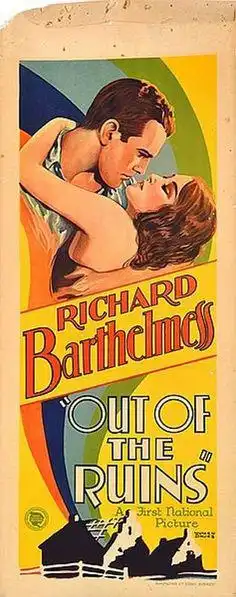
A definitive 5.2/10 rating for a film that redefined the boundaries of cult cinema. Out of the Ruins remains a cornerstone of transgressive art.
So, 'Out of the Ruins' from way back in 1928? Yeah, surprisingly watchable, actually. If you've got a soft spot for silent era dramas, especially ones that try to grapple with big, heavy stuff like the aftermath of war, you might just find something here. It's definitely not for folks who need explosions or fast cuts, or who just plain can't stand silent film conventions. But if you’re patient and let it wash over you, there's a quiet power. ✨
The story itself is pretty straightforward: an American reporter, John Travers (Richard Barthelmess), falls for a French woman, Gabrielle (Marian Nixon), amidst the literal rubble of France after the Great War. It's about rebuilding, both a country and a life together. Sounds simple, right? But the film really _leans_ into the mood of it all.
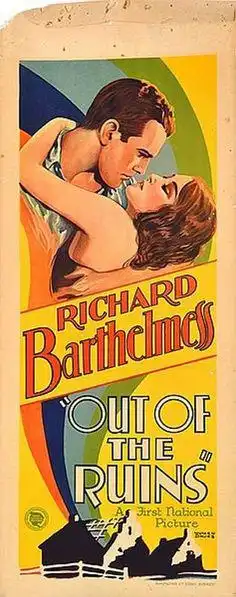
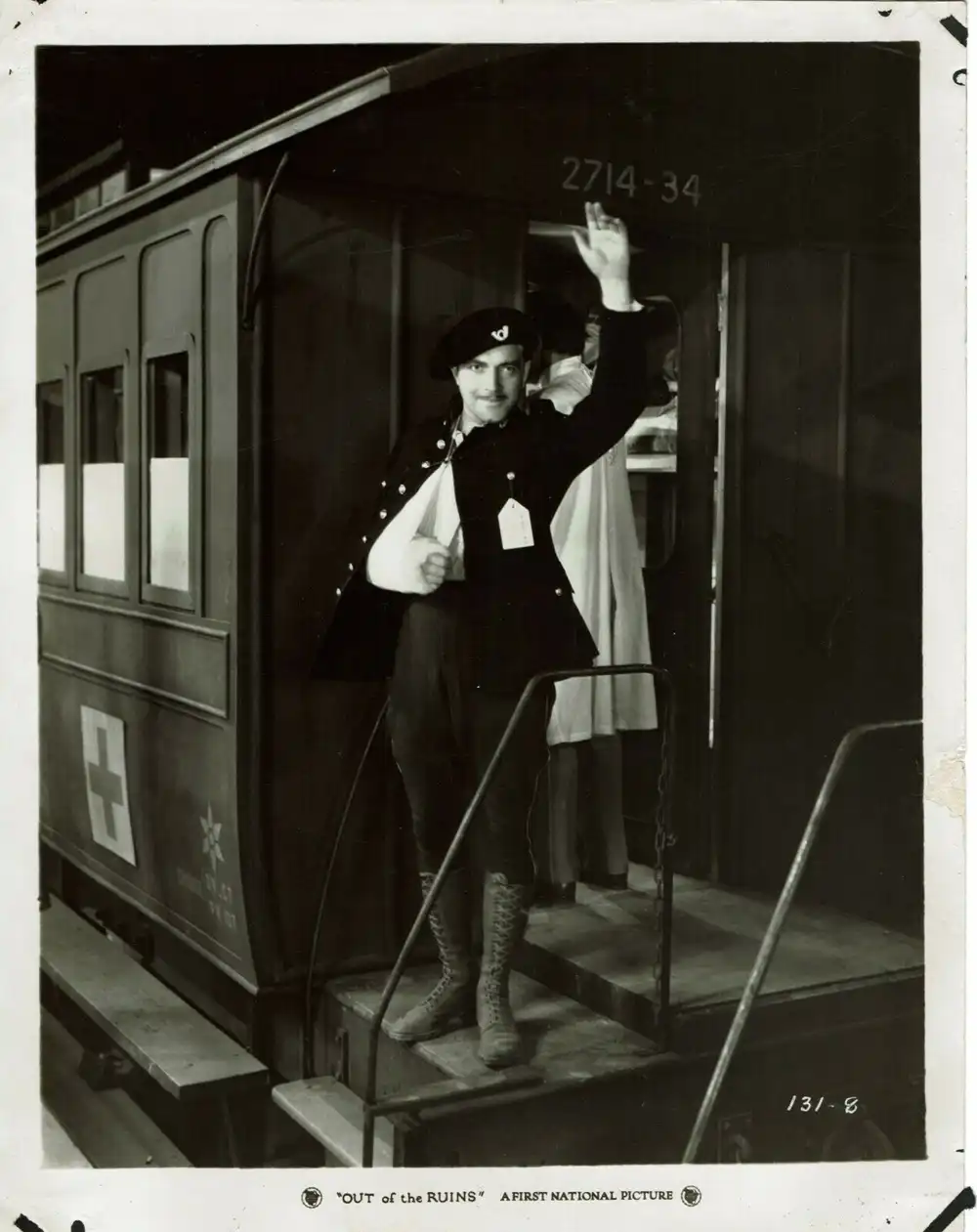
Barthelmess, he's got this gaze. Always thinking. You can practically see the wheels turning behind his eyes, even when he’s just staring off into the middle distance. It’s almost too much sometimes, like the director just loved his thoughtful profile and kept the camera there. But then he'll do something small, a quick, weary shrug, and it just feels so real, so grounded in what his character's been through.
And the ruins themselves. They aren't just a backdrop. It's like another character, honestly. One shot, I remember, just a broken staircase leading to nowhere, framed against a surprisingly clear sky. It really stuck with me. You can feel the weight of what was lost, just in the way the sets are designed. They’re not pristine Hollywood rubble; it looks like a place people actually lived in, before.
Marian Nixon's character, Gabrielle. She smiles a lot, maybe too much, especially early on. It feels almost a little forced, like she’s trying to convince herself everything will be okay. But then you see her hands tremble, just for a second, when a sudden, loud noise happens off-screen. That got me. It's those little, almost accidental, tells that make you lean in.
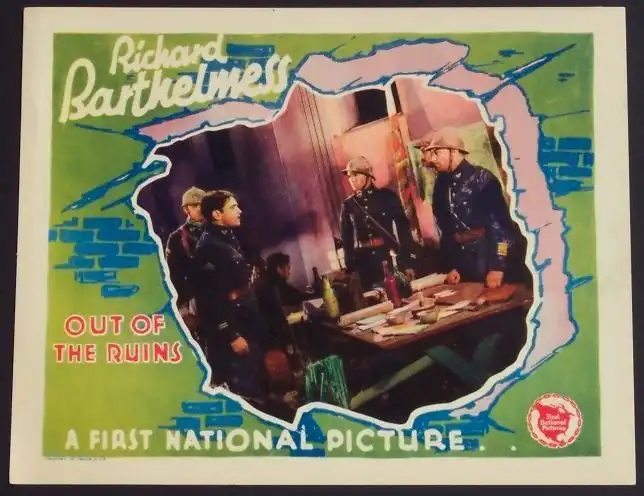
There's this moment where John and Gabrielle are walking through a destroyed village. And the crowd scenes? They have this oddly empty feeling, like half the extras wandered off, or maybe they just _didn't have_ that many people left. It adds to the desolation, in a way. Not sure if that was intentional or just a budget thing, but it works.
You can almost feel the movie trying to convince you this moment matters, especially during their first few shared glances. It's a bit on-the-nose with the lingering close-ups, but hey, it's 1928. They didn't have a lot of subtle tools back then. The passion has to be _there_ on screen.
One title card stands out. It's something about how “hope, like bread, was a luxury now.” Simple, right? But the way it’s paced, how it appears after a particularly bleak shot of a devastated field, it just hits harder than you expect. 💔 No fancy words, just a punch to the gut.
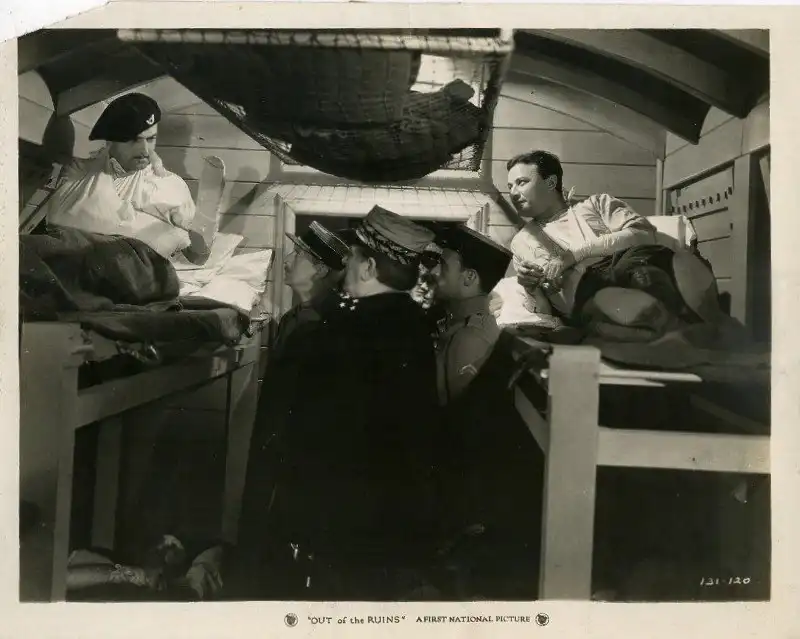
Eugene Pallette shows up in a smaller role, and you catch glimpses of the gruff, lovable persona he'd become famous for later. It’s quick, but his reaction shots are always solid, even when he's just nodding. He sells the weariness of the time, I think.
The film gets noticeably better once it stops trying to be a grand romance and just lets the characters _be_ in their situation. The scenes where they're just quietly trying to make a home, sharing a meal in a makeshift kitchen, those are the ones that resonate. It’s less about declarations of love and more about shared silence.
The ending, without giving too much away, feels a little rushed. Like they weren't quite sure how to wrap up such a huge, ongoing struggle in a neat bow. It tries for a hopeful note, but there's still this underlying melancholy that lingers. You don't leave feeling everything is perfectly fine, which is a good thing, I think. It feels more honest that way.
Overall, 'Out of the Ruins' isn't a perfect film. It has its slow spots and some of the acting feels a little broad by today's standards, but it captures a mood. A real sense of quiet endurance. If you're into the history of film or just want to see a story told with a lot of heart, even if it's a bit rough around the edges, give it a shot. It's got more soul than you might expect from a forgotten silent picture. Worth digging up. 🎞️
IMDb —
1932
Community
Log in to comment.