DbcultAccessing Vault...
Cult Review
Senior Film Conservator
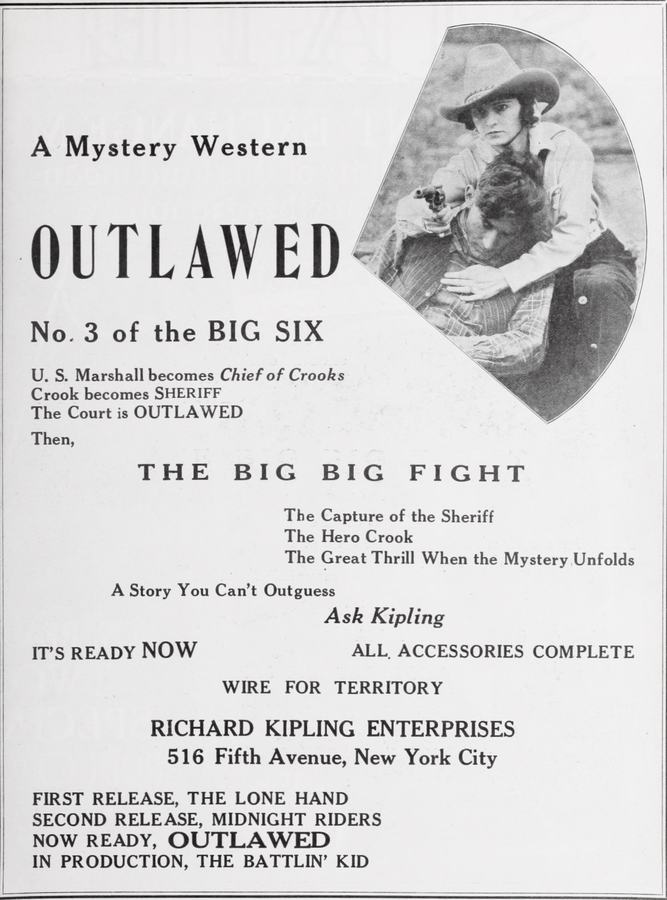
In the annals of early cinema, particularly within the nascent yet rapidly evolving genre of the Western, certain films emerge as fascinating artifacts, not merely for their narrative content but for their encapsulation of a particular zeitgeist. Alan James’s 1921 offering, Outlawed, is precisely one such cinematic curio, a brisk, action-packed silent feature that, despite its age, still pulsates with an undeniable frontier energy. It’s a quintessential tale of mistaken identity, pervasive corruption, and the unwavering spirit of a hero wronged, a narrative framework that would become a bedrock for countless Westerns to follow. This isn't just a simple cowboy flick; it's a window into the narrative sophistication and visual storytelling techniques that defined the silent era's genre filmmaking. The film plunges us headfirst into a world where heroism is often a double-edged sword, where appearances deceive, and where the line between lawman and outlaw is perilously thin.
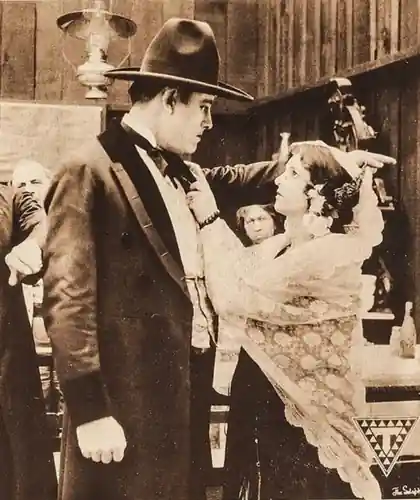
The opening sequence of Outlawed is nothing short of iconic, a masterful stroke of visual exposition that immediately establishes the protagonist, Bob Fleming, portrayed with rugged charm by Pop Kennard. We find Fleming, a U.S. Marshal, engaged in a thrilling, almost mythic, race against a thundering locomotive, a spectacle that instantly captures the imagination. This isn't merely a chase; it's a symbolic confrontation between the fading equestrian era and the encroaching industrial age, a theme subtly woven into the fabric of many early Westerns. Aboard the very train Fleming pursues is Barbara Benton, a captivating presence brought to life by Carolyn Wagner, attempting to capture this dynamic scene with her camera. In a moment of delightful serendipity and burgeoning romance, her hat is snatched by the wind. Fleming's subsequent retrieval of the hat, executed with an acrobatic grace that sees him leap from horseback onto the moving train, is an act of pure, unadulterated heroism. However, this chivalrous deed takes an unfortunate turn. Confronted by an overzealous porter, Fleming, in a bid to simply clear his path, brandishes his firearm. The sight of a drawn weapon, coupled with his sudden appearance, instantly transforms him in the eyes of the terrified passengers from a rescuer into a robber. Valuables are hastily deposited into the very hat he had just saved, cementing a misunderstanding that will haunt him throughout the narrative. This initial sequence is a brilliant microcosm of the film's central conflict: the disparity between intent and perception, a common trope in stories of wrongful accusation, much like the thematic undercurrents found in films such as Der Knute entflohen, where circumstance conspires against the innocent.
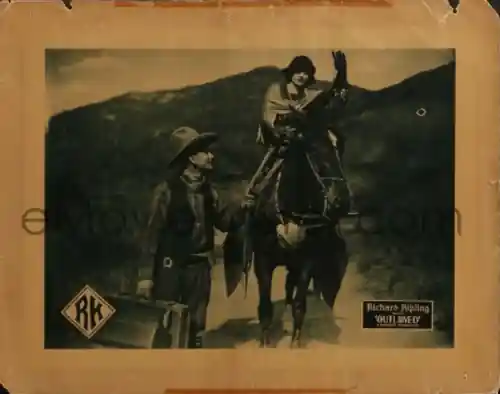
The plot thickens upon Barbara's arrival at a local ranch, where she discovers, to her surprise, that the heroic cowboy from the train, Bob Fleming, is now working as a ranch hand. This revelation adds another layer to their burgeoning connection, grounding the larger-than-life hero in a more relatable, everyday context. However, the idyllic setting is soon shattered by the introduction of a formidable antagonist: the local sheriff, portrayed with a menacing air by Steve Clemente. This lawman is not only attracted to Barbara but also harbors a sinister agenda. He swiftly arrests Fleming, leveling the grave accusation of cattle rustling against him. This isn't merely a personal vendetta; it's the first tangible thread of a much larger, more insidious web of corruption that permeates the very fabric of local authority. The film masterfully builds tension as Barbara, initially a passive observer, is thrust into the heart of this conspiracy. She uncovers the shocking truth: her own father and the sheriff are the architects of a widespread criminal enterprise. This revelation forces Barbara into an impossible dilemma, a moral quandary that resonates with the plight of protagonists in other dramas of forced complicity. Her integrity is tested when she is coerced into testifying falsely against Fleming, condemning him as the train robber and sealing his fate with a hanging sentence. This moment is particularly poignant, highlighting the tragic consequences of power wielded by the corrupt and the agonizing choices faced by those caught in their snare. The sheriff's subsequent abduction of Barbara as a hostage further underscores his depravity, transforming him from a mere antagonist into a truly villainous figure, reminiscent of the menacing forces at play in similar Westerns like The Lady Outlaw or The Firebrand, where strong-willed women often find themselves at the mercy of unscrupulous men.
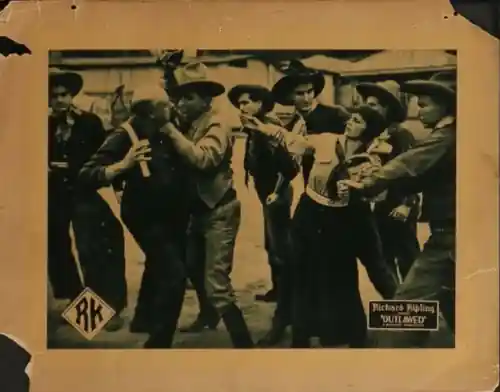
Despite the seemingly insurmountable odds, Fleming's spirit remains unbroken. His impending execution serves not as an end, but as a catalyst for a thrilling display of grit and resourcefulness. The escape sequence is a testament to the action filmmaking of the era, relying on clever staging and the inherent charisma of Pop Kennard to convey the urgency and danger. Fleming's ability to break free from his bonds and evade his captors is not just a physical triumph; it's a symbolic rejection of the injustice that sought to consume him. Once free, he doesn't merely flee; he galvanizes a loyal posse, a classic Western trope that underscores the power of community and the collective desire for justice when the official channels have failed. This formation of a vigilante force, driven by righteous indignation, sets the stage for the film's explosive climax. The confrontation with the corrupt sheriff is a visceral, no-holds-barred showdown, a definitive clash between good and evil that culminates in the villain's demise. Fleming's victory is not just personal; it represents the triumph of true justice over systemic corruption. The liberation of Barbara, held captive by the very man who sought to destroy Fleming, provides a satisfying resolution, a reassertion of moral order in a world teetering on chaos. This narrative arc, from wrongful accusation to triumphant vindication, is a powerful one, echoing the enduring appeal of tales where the innocent protagonist must fight to reclaim their honor and freedom, a theme explored in various forms across cinematic history, from dramatic thrillers to even comedies of errors like Monkey Business, where misunderstandings drive the plot, albeit with lighter stakes.
Outlawed, as a product of the silent era, relies heavily on visual storytelling, a craft that director Alan James navigates with commendable skill. The cinematography, though perhaps rudimentary by modern standards, effectively conveys the vastness of the Western landscape and the intensity of its action sequences. The train race, the horseback pursuits, and the climactic shootout are all rendered with a dynamism that transcends the lack of spoken dialogue. Intertitles, while necessary, are used judiciously, allowing the actors' expressions and body language to carry much of the narrative weight. Pop Kennard, as Bob Fleming, embodies the stoic, honorable cowboy archetype, his determination and integrity palpable even without words. Carolyn Wagner's Barbara Benton is more than just a damsel in distress; she exhibits a palpable inner strength and intelligence, making her coerced testimony all the more tragic. Her character's journey from naive observer to active participant in the fight for justice is a significant element of the film's emotional core, showcasing a degree of female agency that, while not always overtly feminist, was certainly present in some early cinematic portrayals, much like the complex female roles found in films such as Anna Karenina (1914). Steve Clemente's sheriff is a wonderfully malevolent presence, his sneering villainy perfectly suited for the silent screen, where exaggerated expressions often communicated character more effectively than subtle nuances. The film’s pacing is brisk, a characteristic of many early features designed to hold audience attention without the benefit of synchronized sound. This relentless forward momentum ensures that the narrative never flags, constantly pushing towards the next dramatic beat or thrilling set piece.
At its heart, Outlawed is a morality play, exploring the timeless themes of justice, corruption, and the fight for truth. The film posits a world where the very institutions meant to uphold order—the sheriff's office—can be twisted into instruments of personal gain and oppression. This subversion of authority makes Fleming's eventual triumph all the more resonant. He is not just fighting for his own freedom, but for the very principle of justice in a lawless land. The narrative skillfully illustrates how easily a reputation can be tarnished by circumstance and malicious intent, and how difficult it is to reclaim one's good name. Barbara's forced testimony serves as a stark reminder of the power dynamics at play, where the vulnerable can be manipulated into betraying even those they care for. The film's resolution, with the villain vanquished and the hero vindicated, offers a satisfying, if somewhat idealistic, conclusion, reinforcing the popular demand for clear-cut moral victories in early cinema. This clear distinction between good and evil, while perhaps simplistic by contemporary standards, was a powerful draw for audiences of the time, providing a reassuring sense of order in a rapidly changing world. Comparisons can be drawn to other films that delve into the precarious nature of justice, such as The Reapers, which also features a protagonist navigating a landscape of moral ambiguity and fighting against forces that seek to undermine their integrity. The film's depiction of a community rallying behind a wronged individual also speaks to a foundational American mythos: the idea of self-reliance and collective action in the face of tyranny, a spirit that defined the frontier and continues to captivate audiences.
While Outlawed may not possess the epic scope of later Westerns or the profound psychological depth of some of its silent contemporaries, it stands as a robust example of genre filmmaking from the early 1920s. It demonstrates the enduring appeal of the Western narrative: a solitary hero, a damsel in distress (who often proves to be quite capable herself), a clear-cut villain, and a dramatic confrontation that restores balance. The film's compact storytelling and reliance on visual action over intricate dialogue make it surprisingly accessible even today, offering a fascinating glimpse into the nascent stages of cinematic language. It’s a testament to the power of pure action and compelling character dynamics that a film over a century old can still entertain and engage. The themes of false accusation and the fight against injustice are universal, ensuring that the core narrative remains relevant. For enthusiasts of silent cinema and the Western genre, Outlawed is more than just a historical curiosity; it's a vibrant, if brief, adventure that showcases the foundational elements that would define one of cinema's most iconic genres. It serves as a reminder that even in its earliest forms, the Western was a potent vehicle for myth-making and moral exploration, shaping public perception of America's frontier past. Its straightforward yet engaging plot, coupled with energetic performances, makes it a valuable piece in the mosaic of early Hollywood, offering insights into the narrative conventions and audience expectations of a bygone era. The film, like many of its contemporaries such as Something Different, contributes to the rich tapestry of early 20th-century cinema, highlighting the diverse storytelling approaches emerging during this period of artistic and technical innovation. It’s a compelling snapshot of a time when the silver screen was still finding its voice, yet already masterfully telling tales that resonated deeply with audiences.
IMDb 6.2
1925
Community
Log in to comment.