Summary
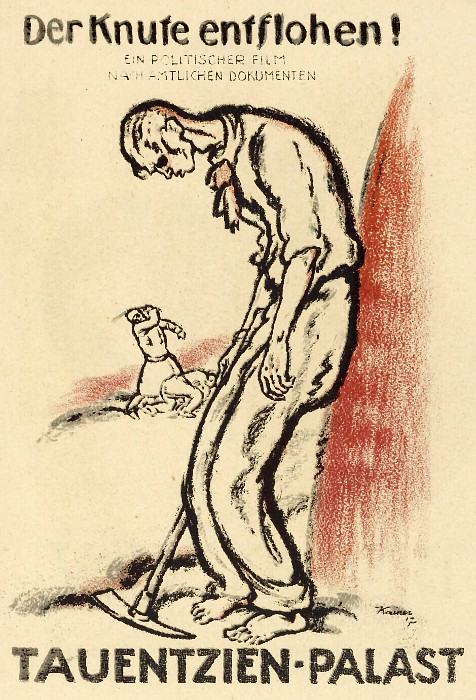
A gaunt governess, her face a porcelain fracture of apprehension, slips from the Baltic estate at moon-wipe, clutching a portmanteau that rattles with more than linen: inside lies the wax-sealed confession of a baron who vanished while hunting human quarry. Through fog-fat fir forests she sprints, hem splashed with peat, while telegraph wires overhead hum her Christian name—Carola—like a dirge. At the harbor she buys passage on a coal-black schooner helmed by Carl, a reclusive mate whose cheekbones carry the same salt scar as the iron figurehead. Between them grows a tacit covenant: she will barter the baron’s blood-stained diary for safe exile, he will barter his schooner for absolution from a mutiny he once survived by eating his cousin. Storms pin them in a sea-chapel of thunder; lightning forks reveal pages of the diary fluttering on deck, ink bleeding into planks, and every syllable—Knute, entflohen, Unschuld—becomes a stowaway. In a Bremen slum a monocled anarchist parses the fragments, reconstructs the baron’s occult ledger: names of minors sold to shipyards, of women mortgaged for dowries, of sailors broken on the keel. The governess, now calling herself only „die Flüchtige,“ returns inland, drawn by the magnet of guilt; Carl follows, unable to discern whether love or debt keeps him tethered. They arrive at the estate during Saturnalia, when the new master, the baron’s cousin, stages a lantern masque reconstructing the night of the disappearance. Guests in fox masks circle her, chanting the estate’s old Low-German proverb: „Wer der Knute entflohen, baut sich selbst den Galgen.“ She recognizes every stone, every squeak of parquet, yet sees the corridors inverted, as though the house itself were a negative plate. In the final reel she sets the diary ablaze in the tiled stove, orange ash spiraling up the flue like freed finches; Carl watches from the threshold, sea-eyes reflecting the flare. No arrest, no kiss—only the crunch of snow as they walk backwards out the gate, footprints erasing in real time, the estate behind them dissolving into a chalk-white silence that feels less like escape than like a second, colder imprisonment.
Review Excerpt
"
A charcoal smear across the Weimar firmament, Der Knute entflohen survives only in shards—yet those shards cut deeper than most fully-preserved classics.
Few outside nitrate archives have squinted at its flicker, but once you do, Murnau’s Nosferatu feels almost genteel. Where Count Orlok drifts like a mildewed diplomat, Carola Toelle’s nameless governess runs barefoot across frozen heath, her pupils blown wide with the knowledge that the ground itself is mortgaged flesh. Director Erwin Reutte..."