DbcultAccessing Vault...
5.9/10
Senior Film Conservator
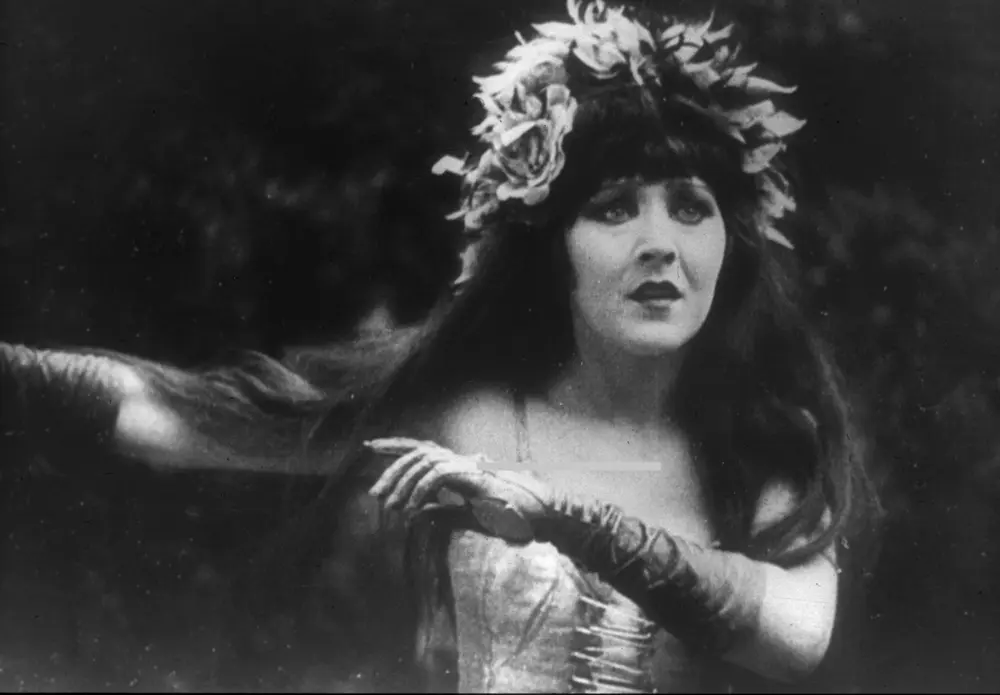
A definitive 5.9/10 rating for a film that redefined the boundaries of cult cinema. Charleston Parade remains a cornerstone of transgressive art.
Is Charleston Parade worth watching today? Short answer: yes, for a very specific audience, but it demands patience and a particular appreciation for the experimental. This avant-garde silent short is undeniably a curio, a fascinating artifact for cinephiles, film historians, and those with a deep interest in early surrealism, yet it will likely bewilder or bore casual viewers seeking conventional narrative or accessible entertainment.
This film works because of its audacious vision and its willingness to embrace the utterly bizarre, offering a unique glimpse into the nascent stages of cinematic experimentation. It fails because its brevity and deliberate abstraction can make it feel more like a historical footnote than a fully realized artistic statement, leaving many questions unanswered and thematic threads deliberately frayed. You should watch it if you are a student of film history, a fan of silent cinema's experimental edges, or someone who delights in deciphering the strange and the unconventional, particularly films that challenge traditional storytelling.
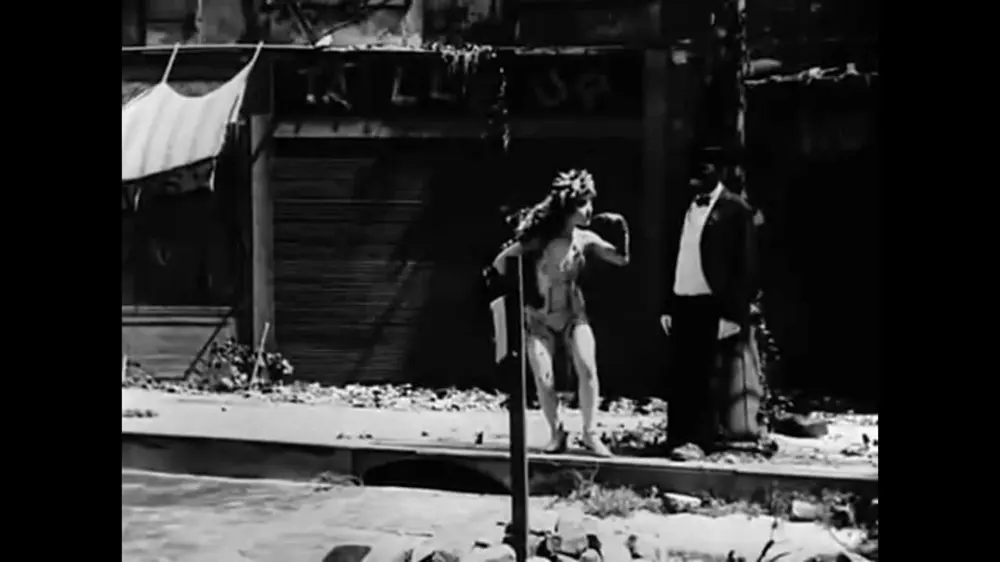
Charleston Parade, a silent film from 1927, isn't merely a movie; it's a provocation. Shot in a frenetic three days by figures like Jean Renoir and André Cerf, it embodies the spirit of an era grappling with the very definition of cinema. This isn't a narrative in the traditional sense, like The Mystery Road or Our Mrs. McChesney, which sought to entertain through clear storytelling. Instead, it’s a deliberate deconstruction, a visual poem that prioritizes mood, symbolism, and the sheer audacity of its premise over plot coherence.
The film’s central conceit – a 'native white girl' teaching a 'futuristic African airman' the Charleston – sounds like a fever dream, and in many ways, it functions precisely as one. It’s a collision of anachronisms and cultural archetypes, a dance between the past and a speculative future, all underpinned by the raw energy of the jazz age's most iconic dance. This is where its brilliance lies and also where its challenge to the modern viewer begins.
The surrealism inherent in Charleston Parade is not merely stylistic; it's foundational. The 'futuristic African airman,' portrayed by Johnny Hudgins, arrives almost as an alien figure, his uniform a stark contrast to the rustic, almost primal setting suggested by Catherine Hessling’s 'native white girl.' This juxtaposition immediately sets a tone of dislocated reality, reminiscent of later surrealist works but groundbreaking for its time.
The film doesn't attempt to explain their meeting or their backgrounds. It simply presents the interaction, forcing the viewer to engage with the imagery on an intuitive, almost subconscious level. This approach is far removed from the more straightforward, if often melodramatic, storytelling found in contemporaries like The Flame of the Yukon. Instead, it aligns more closely with the experimental shorts that sought to push the boundaries of the medium, creating a visual language unbound by conventional logic.
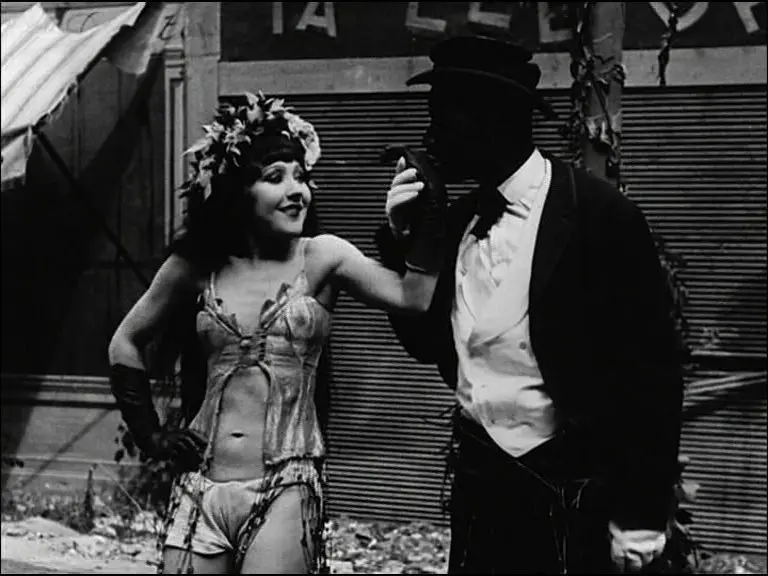
The choice of the Charleston dance itself is deeply symbolic. It was a dance of liberation, of breaking free from rigid social norms, perfectly encapsulating the film’s own rebellious spirit. The act of teaching and learning becomes a metaphor for cultural exchange, for the absorption and reinterpretation of new ideas. It's a dialogue without words, expressed entirely through the body, which, in a silent film, is the ultimate form of communication.
In a silent film, particularly one as abstract as Charleston Parade, the performances are paramount, relying entirely on physical expression and presence. Johnny Hudgins, as the 'futuristic African airman,' delivers a performance that is both commanding and subtly humorous. His initial stiffness, his almost bewildered attempts to grasp the dance, evolve into a joyous, uninhibited rhythm. It’s a testament to his stage background, likely influencing his ability to convey character without dialogue.
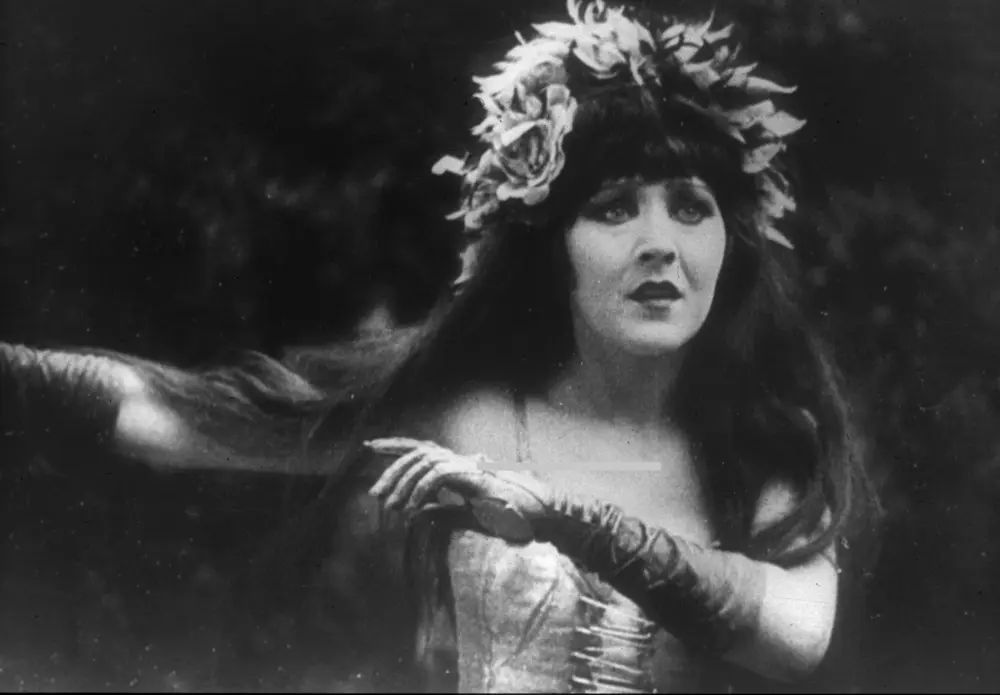
Catherine Hessling, often associated with Jean Renoir’s early works, brings an earthy, almost mischievous energy to her role as the 'native white girl.' Her movements are fluid, natural, embodying the very spirit of the Charleston. She acts as a conduit for the dance, her enthusiasm infectious even through the grainy black and white footage. The chemistry between Hudgins and Hessling, though brief and non-verbal, is palpable, creating a dynamic that transcends the film’s minimalist narrative.
One striking moment involves Hudgins' character finally embracing the dance with an almost explosive energy, shedding his initial rigidity. This transformation, conveyed solely through his body language, is a powerful statement on the liberating power of art and movement. It’s a performance that doesn't just show a character learning a dance; it shows a spirit awakening to a new form of expression.
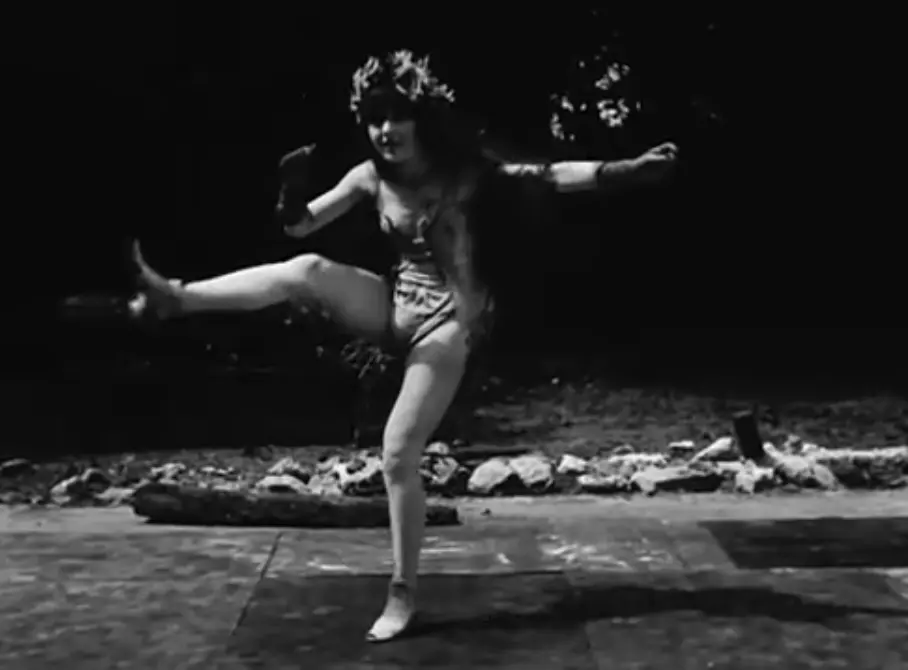
The fact that Charleston Parade was shot in a mere three days is astonishing and profoundly influences its aesthetic. This rapid production schedule, under the direction of figures like Jean Renoir, lends the film an raw, improvisational quality. It feels spontaneous, almost like a documentary of a strange event unfolding in real-time. This immediacy is a double-edged sword: it imbues the film with an undeniable vitality, but also results in a certain rough-hewn quality that might deter those accustomed to more polished productions.
The cinematography, while not groundbreaking in its technicality compared to, say, the meticulously crafted visuals of a F.W. Murnau feature, serves the film’s surreal agenda perfectly. The camera often focuses on the dancers’
IMDb 6.5
1918
Community
Log in to comment.